1 hr ago
Supreme Court Seeks Centre Response on Muslim Inheritance Rules

The Supreme Court is considering a case about inheritance rights for Muslim women.
A petitioner says some Muslim inheritance rules give women less property than men.
In some situations, a female heir may receive half the share of a male heir of the same degree.
The petition says this may violate India’s constitutional promise of equality.
It also says Muslim women do not have a right similar to daughters’ coparcenary rights under Hindu succession law.
The court has asked the central government to respond.
The case refers to the Muslim Personal Law (Shariat) Application Act, 1937.
The petitioner wants Muslim women to receive equal rights in ancestral and family property.

The Supreme Court sought the Centre’s response to a PIL challenging Muslim inheritance and succession rules.
The petition alleges that female heirs can receive half the share of male heirs in some situations.
It argues that unequal inheritance rights violate constitutional guarantees of equality and prohibit discrimination.
The plea cites the Muslim Personal Law (Shariat) Application Act, 1937, which recognizes Muslim personal law in intestate succession.
The petitioner seeks equal inheritance rights for Muslim women, including rights in ancestral and family property.
- Who
- The Supreme Court, the Centre, and petitioner Imtiazhussain Shahabuddin Mulla are involved; the petition was argued by M Singh and Anil C Nishani.
- What
- The court sought the Centre’s response to a PIL challenging the constitutional validity of Muslim inheritance and succession rules alleged to discriminate against women.
- Where
- The matter is before the Supreme Court of India.
- When
- The Supreme Court took up the plea on Wednesday.
- Why
- The petition alleges that Muslim personal-law rules give male and female heirs unequal proprietary and inheritance rights based solely on sex.
Key facts
- Petitioner
- Imtiazhussain Shahabuddin Mulla
- Court action
- The Supreme Court issued notices seeking the Centre’s response.
- Challenged issue
- Rules governing Muslim intestate succession and inheritance
- Constitutional provisions cited
- Articles 14, 15, and 21
- Relevant statute
- Muslim Personal Law (Shariat) Application Act, 1937
- Alleged disparity
- Female heirs may receive half the share of male heirs of the same degree in several situations
- Relief sought
- Equal inheritance and succession rights for Muslim women, including in ancestral and family property
Quotes
The petition
The legal petition challenging discriminatory Muslim inheritance and succession rules
“The statutory framework assumes particular significance in view of the Muslim Personal Law (Shariat) Application Act, 1937. Section 2 of the said Act provides that, notwithstanding any custom or usage to the contrary, in matters including intestate succession, the rule of decision where the parties are Muslims shall be Muslim Personal Law,”
 deccanchronicle.com
Sources
Related news
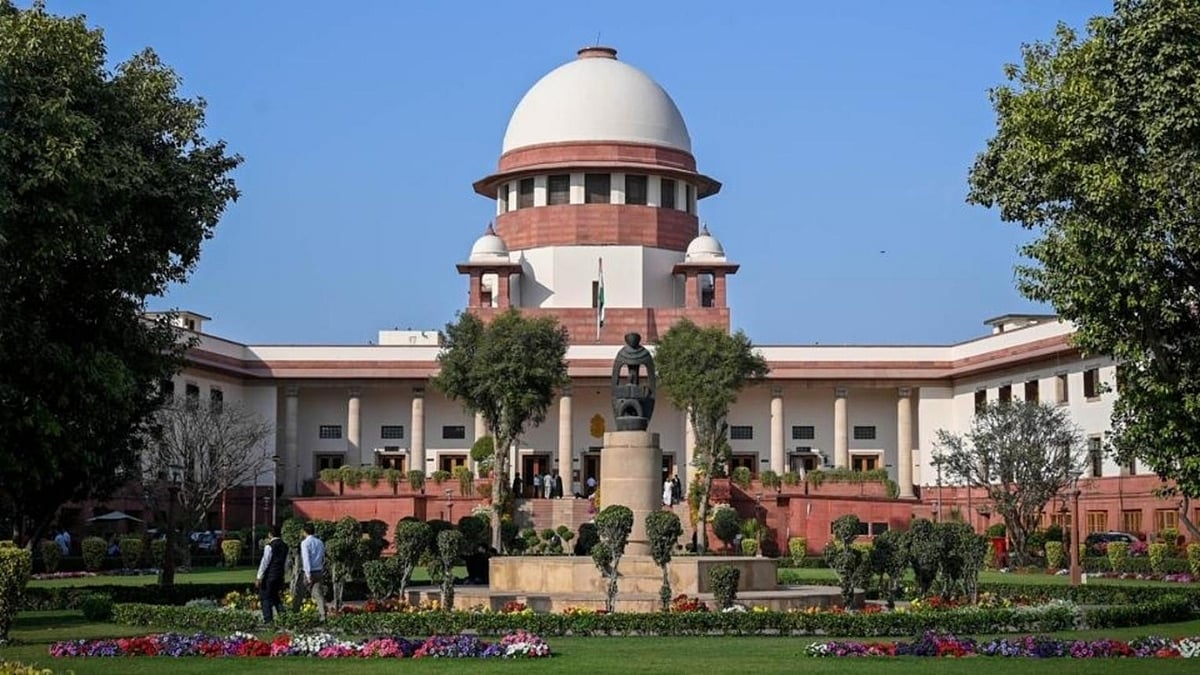
Supreme Court Links Muslim Inheritance Challenge To Sabarimala Verdict
Uttarakhand Waqf Board Plans Major UCC-Aligned Nikahnama Changes

Rahul Gandhi Urged to Extend Gender Justice to Muslim Youth

Chhattisgarh High Court Rejects Religious Court’s Divorce Declaration
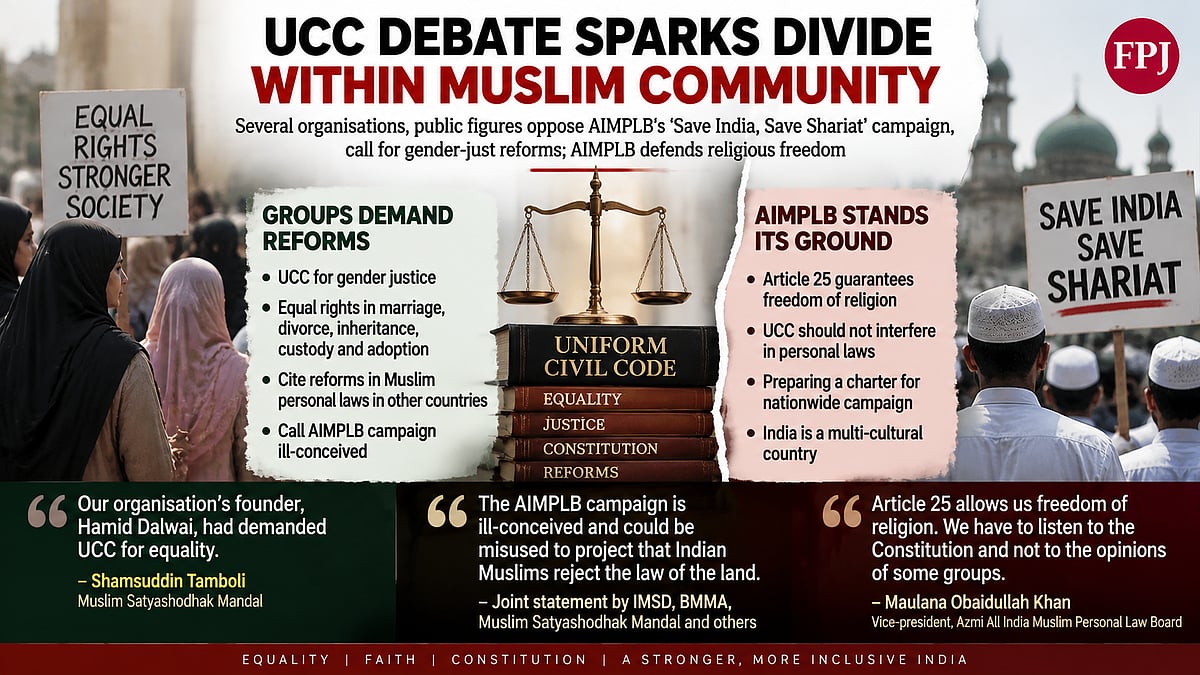
Muslim Groups Challenge AIMPLB Campaign Over UCC Reforms

Allahabad High Court Frees Converted Man to Choose Faith

TMC revives impeachment push against CEC amid Election Commission dissent

Supreme Court Split Over Larger Bench For Poll Body Case
Congress Accuses Gyanesh Kumar of Acting With Government Support

Punjab HC Summons Chief Secretary Over Unpaid DA Arrears