2 weeks ago
Rahul Gandhi Urged to Extend Gender Justice to Muslim Youth
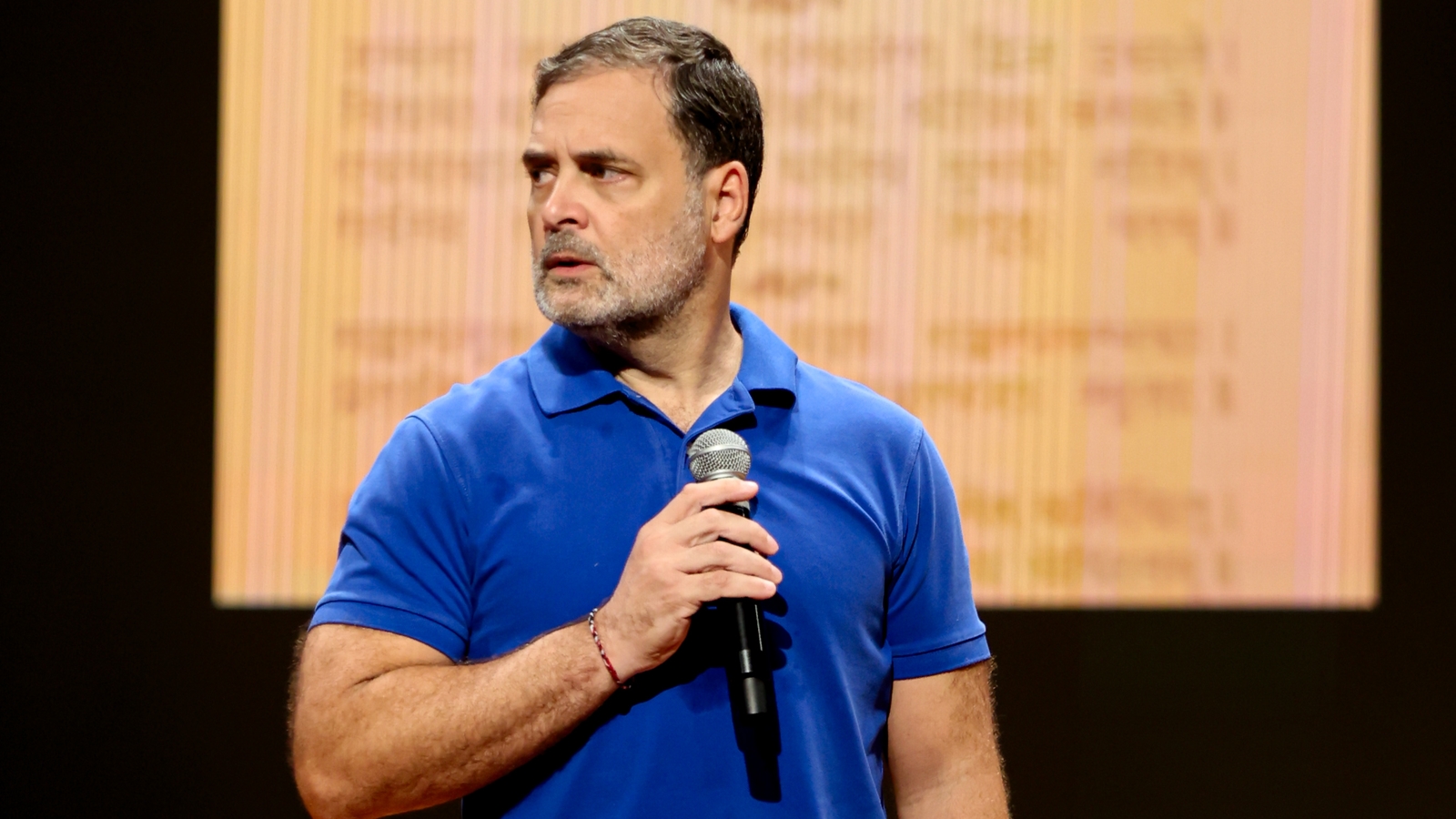
A group of Muslim reformers wrote to Rahul Gandhi after hearing him speak about fighting patriarchy.
They praised his message to young women in Pune.
They said unfair treatment of women also exists within the Muslim community.
The writers believe Muslim women should have the same legal rights as all other women.
They criticized conservative organizations that they say focus on religious freedom but do not give enough attention to equality and dignity.
They asked for reforms involving marriage, divorce, inheritance, child custody, and access to mosques.
They also want protection from practices they consider harmful or discriminatory.
They invited Rahul Gandhi to support young Muslims who want a more equal and secular India.

Five reformist Muslim voices congratulated Rahul Gandhi for his address to Gen Z women in Pune and urged him to engage young Indian Muslims.
The authors argue that patriarchy affects every community and that gender-just reform within the Muslim community cannot be postponed.
They criticize conservative bodies, including the All India Muslim Personal Law Board, for prioritizing religious freedoms while overlooking constitutional guarantees of equality and dignity.
Their reform charter calls for changes involving polygamy, nikah halala, muta marriage, triple talaq protections, inheritance, marriage age, female genital mutilation, mosque access, divorce, maintenance, and child custody.
The signatories say empowering progressive Muslim voices would support equal citizenship, social reform, and India’s democratic fabric.
- Who
- Feroze Mithiborewala, Zakia Soman, Noorjehan Safia Niaz, Shamsuddin Tamboli, and Bader Sayeed, along with other reformist Muslim voices, addressed Rahul Gandhi.
- What
- They urged Rahul Gandhi to extend his gender-justice platform to Muslim youth and support reforms promoting equality for Muslim women.
- Where
- The referenced address took place in Pune, India, and the proposed reforms concern Indian Muslims.
- When
- The letter was published after Rahul Gandhi’s address to a gathering of Gen Z women in Pune; no publication date is specified.
- Why
- The authors say patriarchy and discriminatory practices within the Muslim community must be challenged alongside broader efforts to defend minority rights and dismantle gender inequality.
Reformist Muslim Voices
Conservative Religious Organizations
Constitutional priorities
Reformist Muslim Voices
The authors emphasize Articles 14 through 21 and say equality, non-discrimination, human dignity, and personal liberty must guide reform.
Conservative Religious Organizations
The authors say conservative organizations selectively emphasize Articles 25 and 26, focusing on minority rights and religious freedoms.
Gender-just legal reform
Reformist Muslim Voices
The reformists call for changes addressing polygamy, discriminatory marriage practices, inheritance, child marriage, female genital mutilation, mosque access, and family-law protections.
Conservative Religious Organizations
The authors say conservative leadership has repeatedly opposed fundamental gender-just reforms and used what they describe as regressive arguments to maintain control over women’s lives.
Community identity and social change
Reformist Muslim Voices
The signatories advocate a secular, progressive Muslim voice and say young Muslim women and men want to contribute to an egalitarian India.
Conservative Religious Organizations
The authors portray conservative bodies as presenting themselves as custodians of Muslim identity and resisting reforms that challenge established religious authority.
Key facts
- Recipient
- Rahul Gandhi
- Referenced event
- An address to a gathering of Gen Z women in Pune
- Constitutional provisions cited
- Articles 14 through 21, as well as Articles 25 and 26
- Organizations criticized
- The All India Muslim Personal Law Board and other male-dominated conservative organizations
- Reform groups named
- Bharatiya Muslim Mahila Andolan, Indian Muslims for Secular Democracy, and Muslim Satyashodhak Mandal
- Requested reforms
- Changes concerning polygamy, nikah halala, muta marriage, inheritance, marriage age, female genital mutilation, mosque access, divorce, maintenance, and child custody
- Letter’s stated goal
- Equal rights, shared citizenship, and social reform in India
Sources
Related news
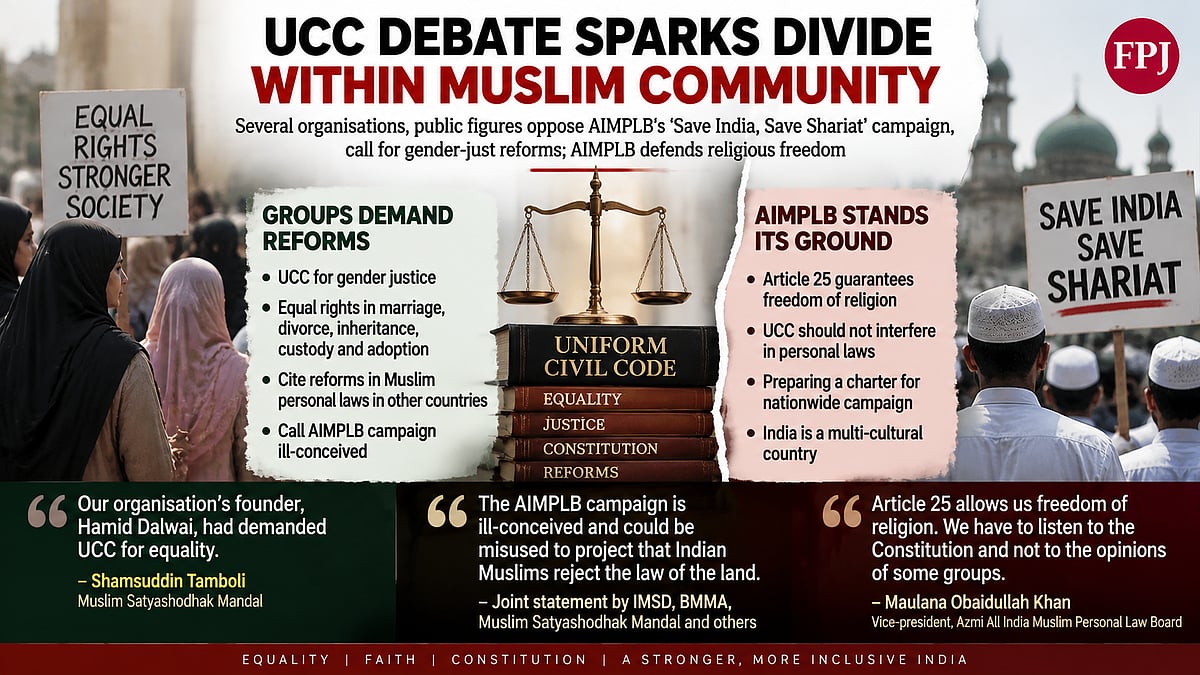
Muslim Groups Challenge AIMPLB Campaign Over UCC Reforms
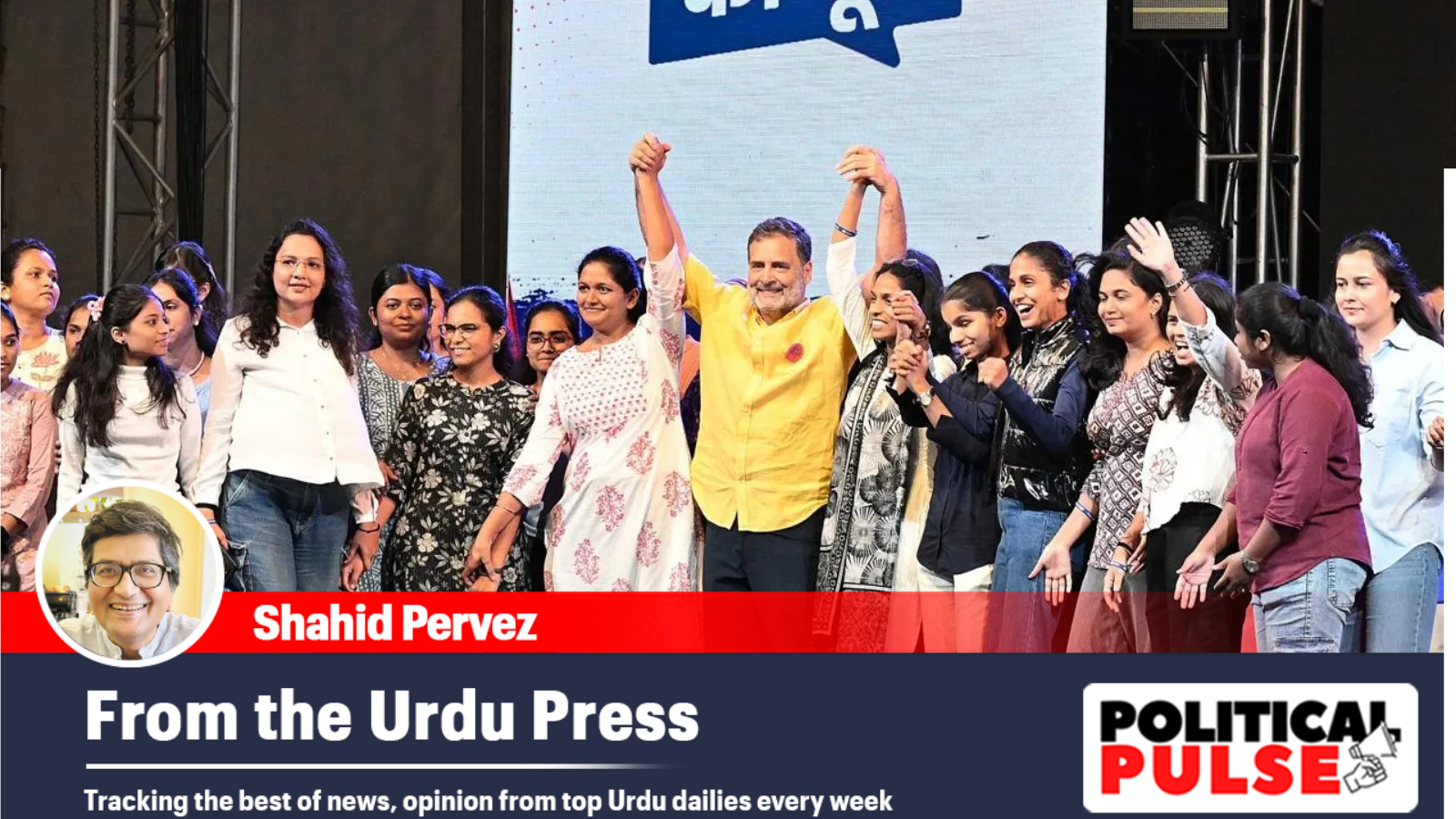
Urdu Dailies Spotlight Youth Anger, Rahul Gandhi’s Women Outreach
M A Baby Condemns Kanthapuram’s Restrictions on Women’s Public Freedom
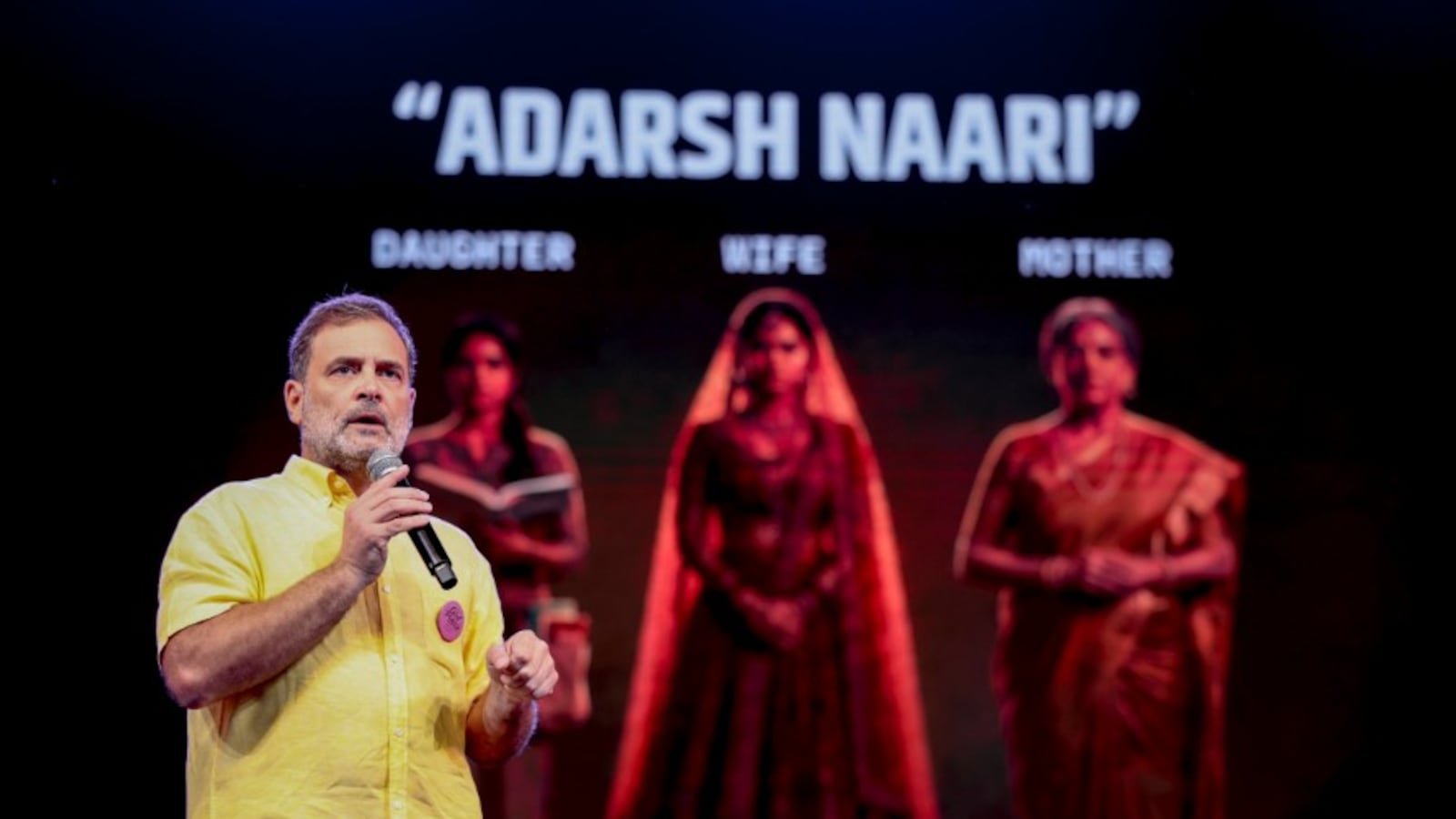
Rahul Gandhi’s Patriarchy Remarks Trigger Sharp Congress-BJP Clash

Assam CM challenges Rahul Gandhi to back Uniform Civil Code
BJP Demands Rahul Gandhi Explain Sonia Gandhi Electoral Roll Case
Election Commission Sets October 23 Polls for 28 Council Seats
Human Rights Commission Seeks Report on Hafeezpet Police Assault Allegation
Supreme Court Orders Inquiry Over Arrests Without Written Grounds
Supreme Court Requires Magistrate Approval Before Article 22 Re-Arrest