2 days ago
Chhattisgarh High Court Rejects Religious Court’s Divorce Declaration
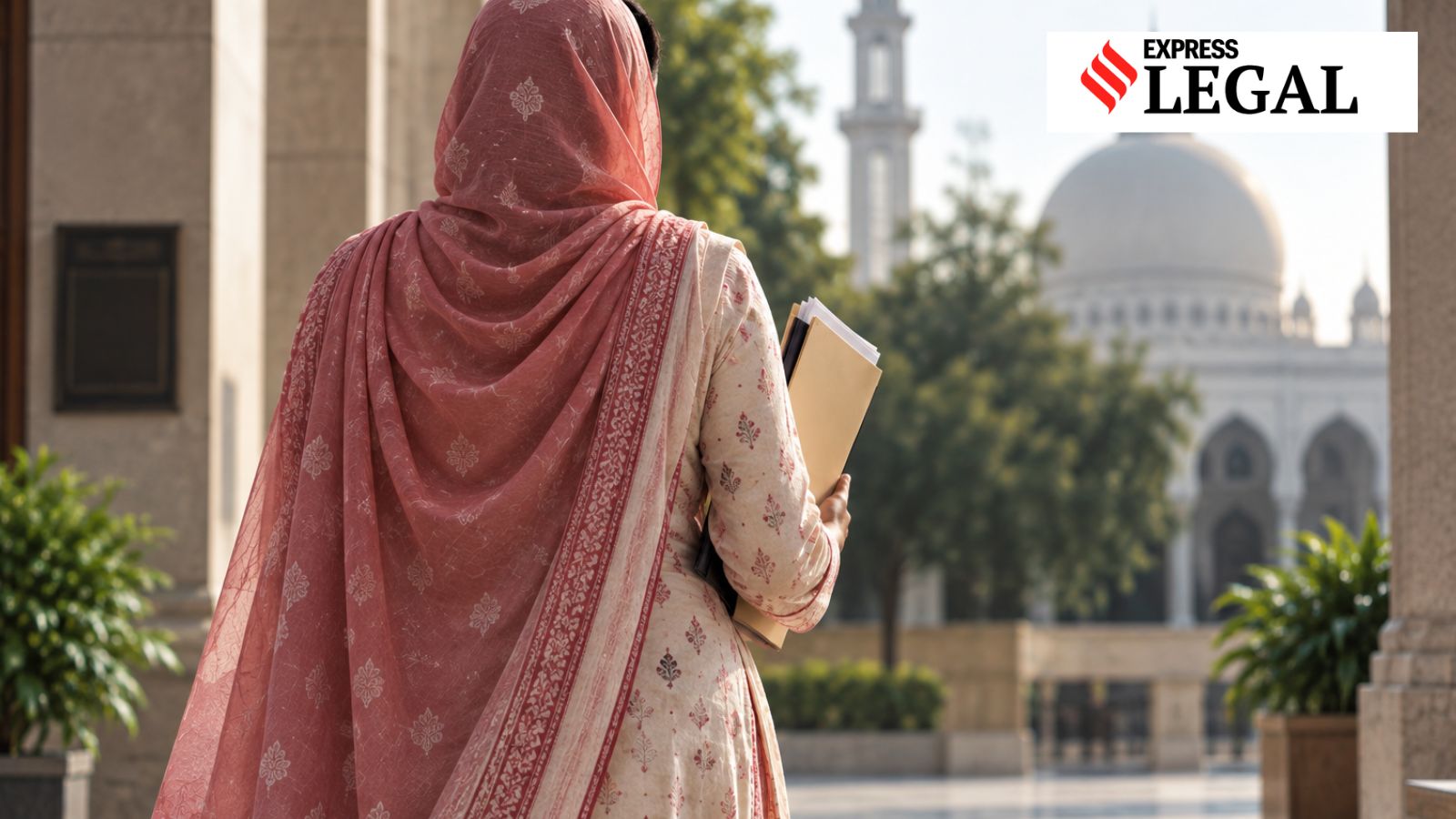
A religious group said that a woman’s marriage had ended through a form of divorce called Talaq-e-Hasan.
The woman asked the Chhattisgarh High Court to cancel that declaration.
The High Court said only courts created under Indian law can make legally binding decisions about people’s rights and marital status.
It said a religious group may give an opinion about religion, but it cannot act like a government court.
The court also said the woman’s marriage was not legally dissolved by the group’s communication.
The woman said she had not been given a chance to explain her side.
Her husband said he had pronounced divorce three times over three months because of marital disagreements.
The High Court left open the larger question of whether Talaq-e-Hasan itself is constitutional.

The Chhattisgarh High Court set aside a religious body’s declaration that a woman had been divorced through Talaq-e-Hasan.
Justice Amitendra Kishore Prasad said religious institutions cannot determine legal rights or marital status.
The court ruled that the Idara-E-Shariya Islami Court was not legally empowered to act as a court.
It said the communication could be treated only as a religious opinion, not a legally binding order.
The court did not decide whether Talaq-e-Hasan is constitutionally valid, leaving that issue to the Supreme Court.
- Who
- The Chhattisgarh High Court, Justice Amitendra Kishore Prasad, and a Muslim woman challenging a religious divorce declaration.
- What
- The court set aside a communication declaring the woman divorced through Talaq-e-Hasan and ruled that the religious body lacked legal authority.
- Where
- Chhattisgarh, India.
- When
- The challenged communication was issued on January 18, 2022; the High Court’s order was dated September 7.
- Why
- The court held that private religious institutions cannot assume the authority of courts established under Indian law or determine legally enforceable marital rights.
Petitioner’s position
Husband’s position
Legal effect of the religious communication
Petitioner’s position
The woman argued that a private or self-styled Shariya Court could not change her marital status or legal rights, especially without giving her an opportunity to be heard.
Husband’s position
The husband’s lawyer argued that the talaq was pronounced under claimed rights in Muslim Personal Law and that the communication merely informed the woman of the pronouncement rather than acting as a court judgment.
Authority of religious bodies
Petitioner’s position
The woman argued that the religious institution had no legal authority to decide the matter while legal proceedings were pending.
Husband’s position
The defense maintained that the communication should not itself be treated as a court decision determining the couple’s legal rights or marital status.
Key facts
- Court
- Chhattisgarh High Court
- Judge
- Justice Amitendra Kishore Prasad
- Religious body
- Idara-E-Shariya Islami Court
- Challenged communication
- January 18, 2022
- Divorce form
- Talaq-e-Hasan, involving pronouncements once each month over three months
- High Court finding
- The communication was not a legally binding court order and could not dissolve the marriage
- Constitutional question
- The validity of Talaq-e-Hasan was left open because the issue is pending before the Supreme Court
Quotes

Chhattisgarh High Court
The constitutional court hearing the woman’s petition
“The existence of Dar-ul-Qaza (informal Islamic courts) or the practice of issuing fatwas, by itself, was not declared illegal; however, such bodies cannot assume the status or authority of courts established under law”
 indianexpress.com
“Religion may guide an individual’s conscience and personal faith, but no religious institution or private body can be permitted to assume the authority of a court established by law”
indianexpress.com
Sources
Related news

Kerala High Court Expands Divorce Filing Access for Christian Women

Andhra Pradesh High Court Rejects Divorce Over Customs

Leaders Divide After Allahabad High Court Dismisses Hijab Plea
Supreme Court Links Muslim Inheritance Challenge To Sabarimala Verdict

Amid Life Threats, Allahabad High Court Protects Interfaith Couple’s Rights

Telangana High Court Upholds WhatsApp Divorce Notice Against Dubai-Based Man
Supreme Court Rebukes Maharashtra Law Official Over Contempt

Delhi MCD Demolishes 41 Structures, Seals 61 Properties After Collapse

Collegium Recommends Eight Judicial Officers for Delhi High Court
Maharashtra Commission Defends Official Prison Meeting With Abu Salem
Supreme Court Sets Aside Compulsory Retirement, Orders Farewell Ceremony