1 hr ago
Muslim Groups Challenge AIMPLB Campaign Over UCC Reforms
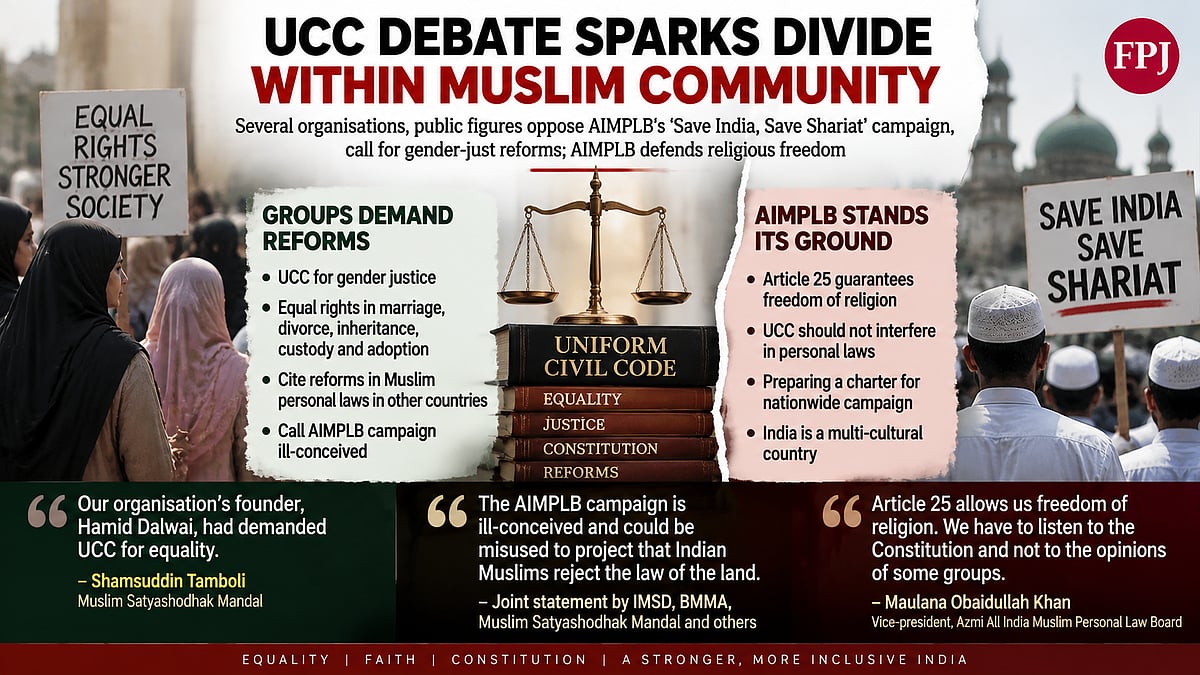
Some Muslim groups in India disagree about how personal laws should work.
The All India Muslim Personal Law Board is campaigning to protect Sharia-based personal laws.
Other organisations say these laws should be changed to give Muslim women equal rights.
They are especially discussing marriage, divorce, inheritance, child custody and adoption.
These groups say equality under the Constitution is as important as religious freedom.
They also worry the campaign could help Hindu right-wing groups claim that Muslims reject Indian law.
AIMPLB representatives say the Constitution protects religious practices.
They argue that Sharia should apply only to personal matters, not criminal law.
The groups on both sides plan to continue discussing the proposed Uniform Civil Code.

IMSD, BMMA and Muslim Satyashodhak Mandal opposed the AIMPLB’s “Save India, Save Shariat” campaign.
The groups called for gender-just reforms in Muslim personal laws, including equal rights in marriage, divorce, inheritance, custody and adoption.
They argued that constitutional equality provisions under Articles 14 and 15 must be considered alongside religious freedom protections.
AIMPLB representatives defended constitutional protection for religious practices and said Sharia should apply only to personal matters.
The reform groups plan meetings in four cities, including Mumbai, to counter the AIMPLB campaign.
- Who
- The All India Muslim Personal Law Board, Muslim reform organisations, and several public personalities are involved.
- What
- Muslim organisations are debating the AIMPLB’s campaign and the proposed Uniform Civil Code, with reform groups seeking gender-just changes to personal laws.
- Where
- The debate is taking place in India, with planned meetings in four cities including Mumbai.
- When
- Why
- Reform groups seek equal rights and argue that constitutional equality must be considered alongside religious freedom, while AIMPLB representatives seek protection for religious practices in personal matters.
Gender-Just Reform Advocates
Personal Law Defenders
Equality and religious freedom
Gender-Just Reform Advocates
Reform groups say Articles 14 and 15, which guarantee equality and prohibit discrimination, must be considered alongside Articles 25–30 on religious freedom.
Personal Law Defenders
AIMPLB representatives say Article 25 protects freedom of religion and should be read alongside Article 44, which directs the State to pursue a Uniform Civil Code.
Women’s rights in personal law
Gender-Just Reform Advocates
The reform groups seek equal rights for Muslim women in marriage, divorce, inheritance, custody and adoption, and criticize patriarchal interpretations of Sharia.
Personal Law Defenders
AIMPLB representatives defend applying Sharia in personal matters, while saying it is not being sought for criminal matters.
Impact of the campaign
Gender-Just Reform Advocates
The opposing groups fear the campaign could allow the BJP and Hindu right-wing groups to portray Indian Muslims as rejecting the law of the land.
Personal Law Defenders
AIMPLB and the All India Shia Personal Law Board present the issue as protection for religious practices in India’s multicultural society.
Key facts
- Central issue
- The proposed Uniform Civil Code and the future of Muslim personal laws
- AIMPLB campaign
- “Save India, Save Shariat”
- Reform groups
- Indian Muslims for Secular Democracy, Bharatiya Muslim Mahila Andolan, Muslim Satyashodhak Mandal and Roshni
- Constitutional provisions cited by reform groups
- Articles 14 and 15 on equality and non-discrimination
- Constitutional provision cited by AIMPLB
- Article 25, concerning freedom of religion
- Rights sought
- Equal rights in marriage, divorce, inheritance, custody and adoption
- Planned action
- Meetings in four cities, including Mumbai, to counter the AIMPLB campaign
Quotes

Maulana Obaidullah Khan
Vice-president of the Azmi All India Muslim Personal Law Board
“The AIMPLB is a mainstream organisation, so it is a challenge for us to fight them. But we have support from young people and victims of polygamy and triple talaq. Our organisation’s founder, Hamid Dalwai, had demanded UCC for equality.”
 freepressjournal.in
“We are saying that Article 25 of the Constitution allows us freedom of religion. We have to listen to the Constitution and not to the opinions of some groups.”
freepressjournal.in
Sources
Related news
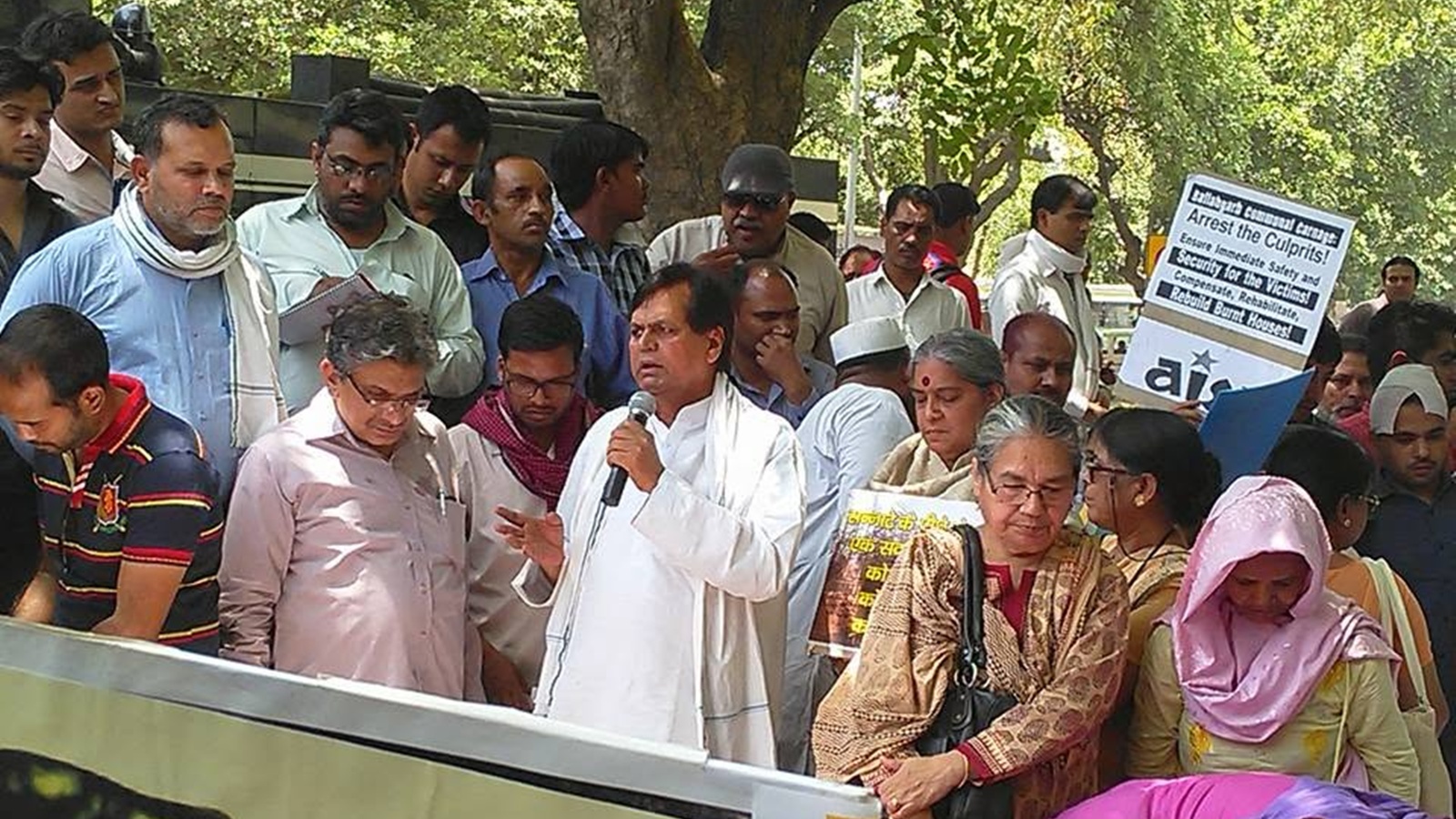
Muslim Personal Law Board Shariat Campaign Faces Pasmanda Pushback

Rahul Gandhi Urged to Extend Gender Justice to Muslim Youth
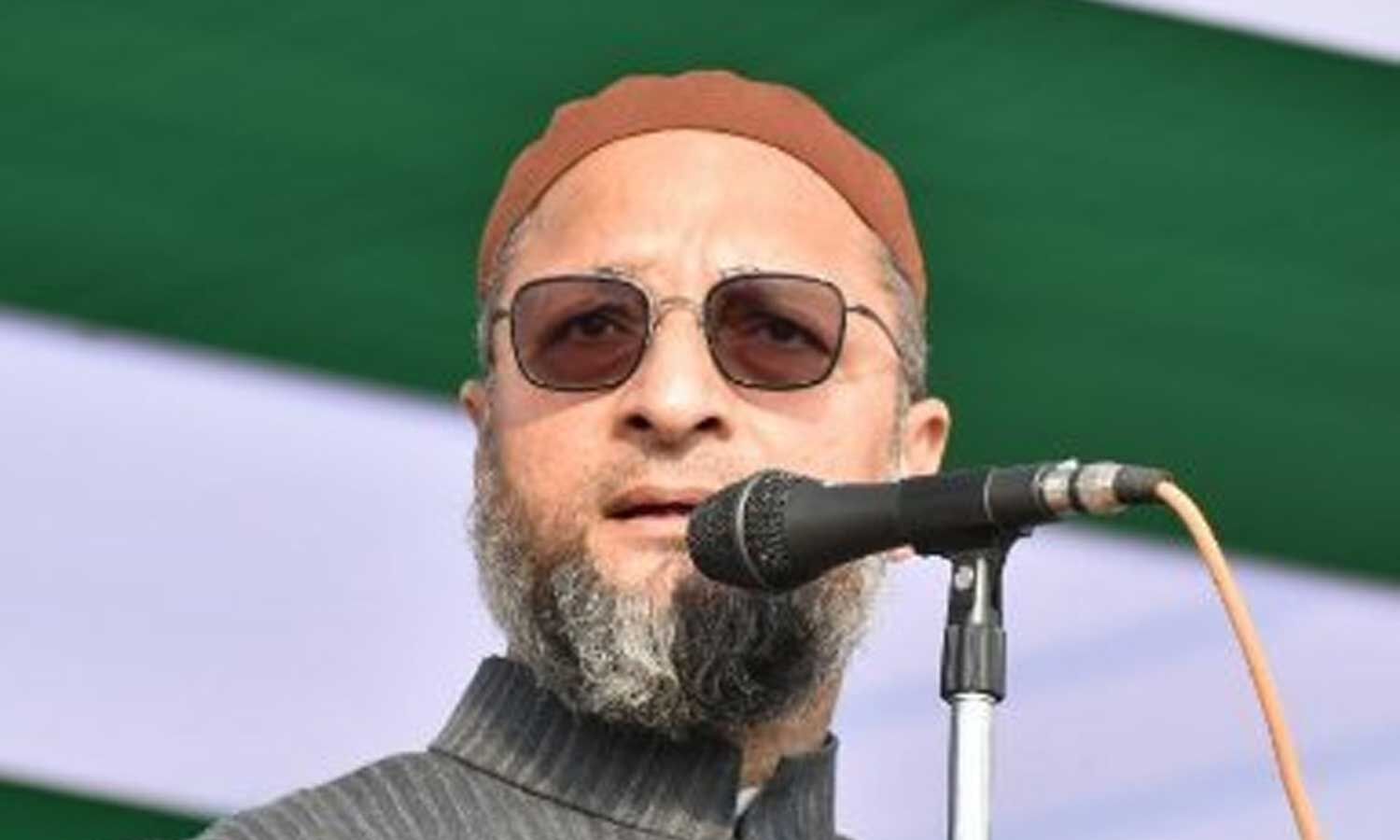
Owaisi Says BJP’s UCC Push Targets Muslims, Not Equality

Owaisi urges NDA allies to oppose Uniform Civil Code
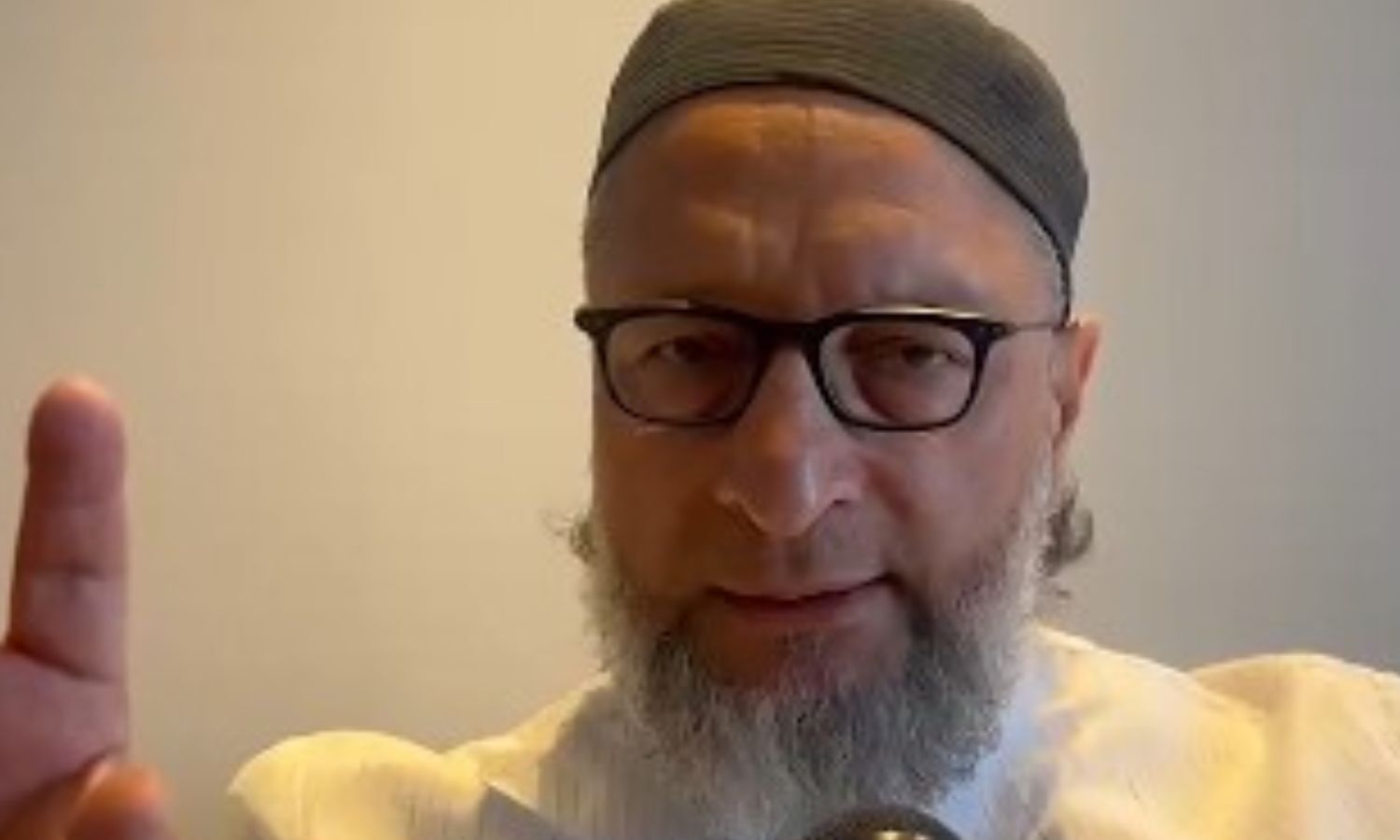
Owaisi Says UCC Violates Constitution, Criticizes Uttar Pradesh Government
Owaisi Challenges Shah’s UCC Push and NDA Allies

How Cyclones Get Named as Bay System Nears India
Bangladesh Clears Asad Alam Siam for India High Commissioner
India's Tarang Shakti 2026 to Bring Together Global Air Forces
Indian Athletes Chase Asian Games Medals Across Packed Schedule