1 hr ago
Punjab HC Summons Chief Secretary Over Unpaid DA Arrears

A court told Punjab to pay overdue allowances to government workers and pensioners.
These allowances are called dearness allowance and dearness relief.
The court also told the state to avoid certain large or unnecessary expenses until the money was paid.
The court says its earlier instructions may not have been followed.
Because of this, it asked Punjab's Chief Secretary, KAP Sinha, to appear on October 5.
Punjab says the dispute is now before the Supreme Court of India.
The state says it is committed to helping employees and pensioners.
It has also announced an 8% increase in dearness allowance.
The increase brings the total allowance component to 50% of basic pay, according to the government.

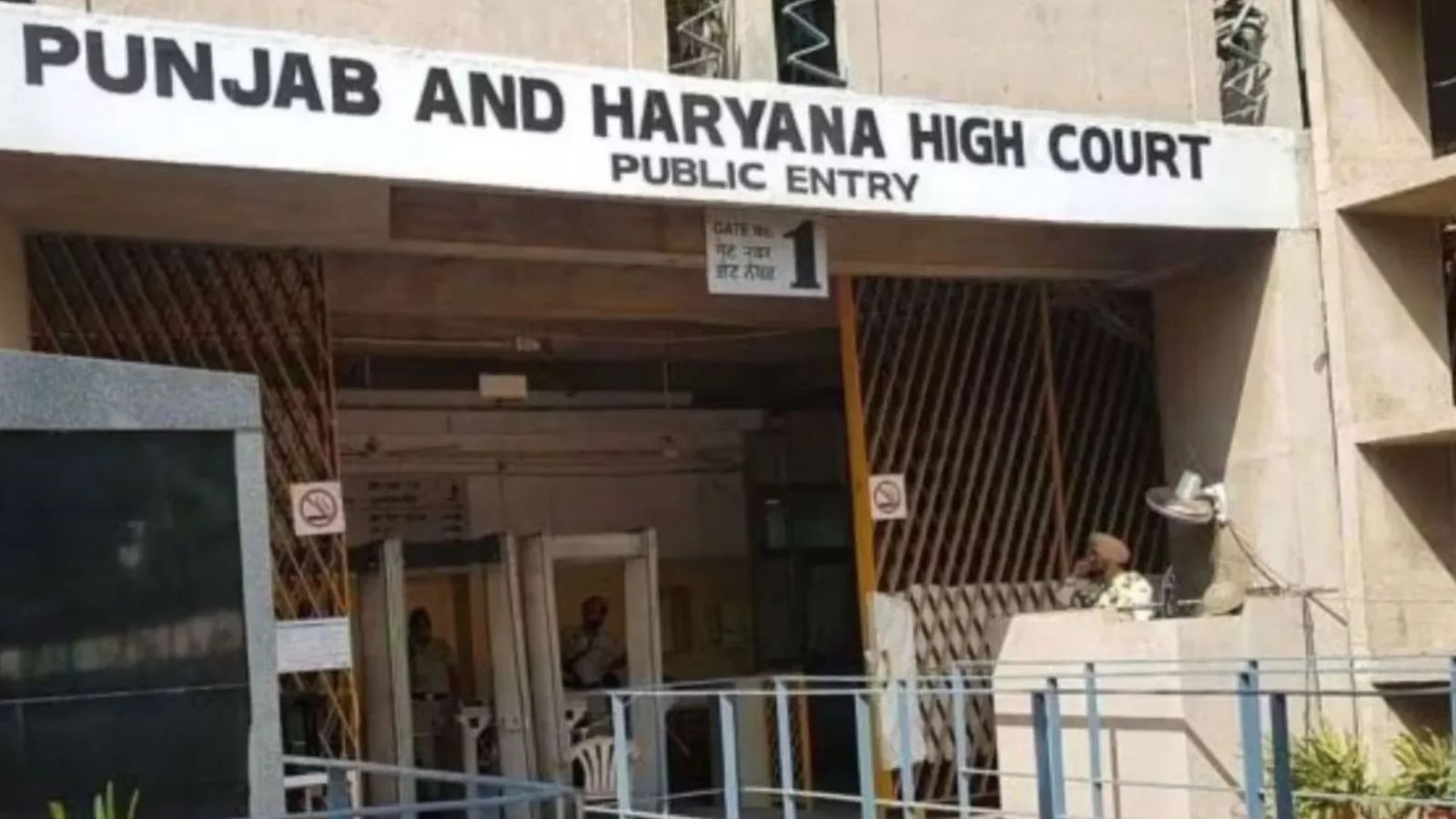
The Punjab and Haryana High Court directed Chief Secretary KAP Sinha to appear on October 5 over alleged non-compliance with its orders on DA and DR arrears.
The court had ordered Punjab to clear arrears for state employees and pensioners at rates matching those paid to All India Services officers in the state.
It set a two-week deadline, imposed 6% annual simple interest for delays, and restricted unproductive government spending until the dues were paid.
Punjab has challenged the order in the Supreme Court of India, saying paying ₹14,191 crore in a short period was constitutionally impossible.
The state government said it remains committed to employees and pensioners, citing an 8% DA increase that takes the total DA component to 50% of basic pay.
- Who
- The Punjab and Haryana High Court, Punjab Chief Secretary KAP Sinha, the Punjab government, and state employees and pensioners are involved.
- What
- The High Court summoned the Chief Secretary over alleged non-compliance with orders to pay DA and DR arrears.
- Where
- The proceedings are before the Punjab and Haryana High Court and the Supreme Court of India.
- When
- The Chief Secretary was directed to appear on October 5; the earlier order was issued on August 3, and Punjab moved the Supreme Court of India on September 1.
- Why
- The court said its directions on clearing arrears and restricting unproductive expenditure had not been complied with, while Punjab says the matter is pending before the Supreme Court of India.
High Court and Petitioners
Punjab Government
Compliance with arrears order
High Court and Petitioners
The High Court was told that its directions to release DA and DR arrears had not been followed, leading it to summon the Chief Secretary.
Punjab Government
Punjab says the issue is pending before the Supreme Court of India and that its final decision will bind all parties.
Government spending
High Court and Petitioners
The court said unproductive spending, including large advertising campaigns, was not justified while employees and pensioners remained unpaid.
Punjab Government
The government maintains that pursuing relief before the Supreme Court of India is a constitutional right and should not be treated as disregard for the judiciary.
Ability to pay arrears
High Court and Petitioners
The court ordered payment of the dues within a fortnight and provided for interest if the deadline was missed.
Punjab Government
Punjab told the Supreme Court of India that paying ₹14,191 crore within such a short period was constitutionally impossible.
Key facts
- Summoned official
- Punjab Chief Secretary KAP Sinha
- Appearance date
- October 5
- Arrears involved
- ₹14,191 crore, according to Punjab's Supreme Court filing
- Court-ordered interest
- 6% simple interest per year on unpaid amounts after the deadline
- Payment deadline
- Within a fortnight of the High Court's order
- New DA increase
- 8%, taking the total DA component to 50% of basic pay
- Annual cost of increase
- ₹3,000 crore
Quotes
Punjab government
The Punjab government, responding to the dispute over DA and DR arrears.
“The Punjab government has approached the SC through the appropriate legal process. Exercising the constitutional right to seek relief from the SC cannot be described as disregard for the judiciary. We have complete faith in the judicial system and will abide by the final directions of the competent court.”
 livemint.com
“This matter is sub judice before the Supreme Court. All concerned should respect the judicial process and await the decision of the Apex Court. Whatever decision is passed by the Supreme Court will be binding on all parties.”
livemint.com
Sources
Related news
Punjab Announces 8% DA Hike as ₹14,191 Crore Arrears Dispute Continues
High Court Gives Punjab 10 Days to Pursue DA Challenge

Bajwa Questions Punjab Government Over Pending Employee DA Arrears

Punjab Employees’ Maha Hartal Disrupts Services Over DA, Pension Demands
TMC revives impeachment push against CEC amid Election Commission dissent

Supreme Court Seeks Centre Response on Muslim Inheritance Rules
Supreme Court Split Over Larger Bench For Poll Body Case
Congress Accuses Gyanesh Kumar of Acting With Government Support