3 hrs ago
Supreme Court Links Muslim Inheritance Challenge To Sabarimala Verdict
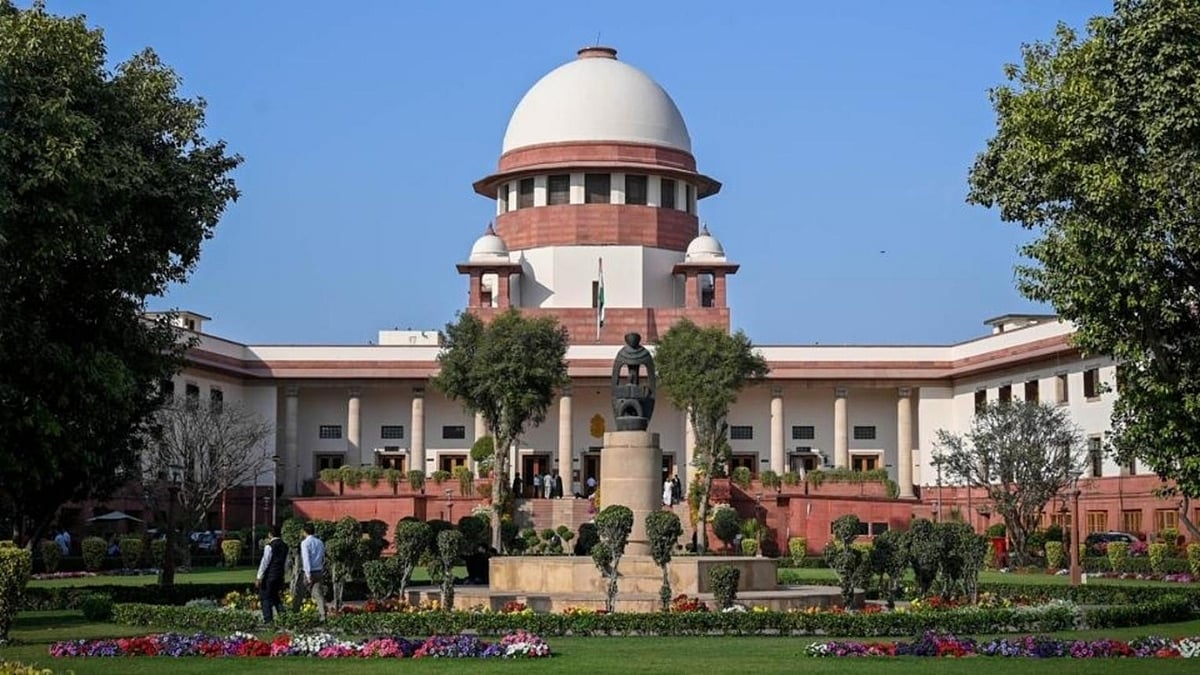
Some Muslim women have asked the Supreme Court to examine inheritance rules they say treat women unfairly.
They say women can receive smaller shares than men in some situations.
The Court has not yet decided whether those rules are constitutional.
It said another case about the Sabarimala temple may help answer important legal questions.
That case considers how much judges can interfere in religious practices and personal laws.
It also asks whether lawmakers, rather than judges, should make changes.
The government said it would respond within a week.
The Court may decide how to proceed after considering the other case.

The Supreme Court said the Muslim inheritance petitions may await the Sabarimala reference verdict.
The petitions challenge Muslim personal-law rules that allegedly give women smaller inheritance shares than men.
The court is considering whether Parliament or the judiciary should address the issue.
The Centre told the bench it would file its response within a week.
A nine-judge bench reserved judgment in May after examining religious freedom and constitutional rights.
- Who
- The Supreme Court bench led by Chief Justice of India Surya Kant, petitioners challenging Muslim inheritance rules, and the Centre represented by Solicitor General Tushar Mehta.
- What
- The Court indicated that petitions challenging Muslim inheritance provisions may await the nine-judge Sabarimala reference verdict.
- Where
- The Supreme Court in New Delhi; the related Sabarimala case concerns the Sree Ayyappa temple in Kerala.
- When
- Wednesday, September 10, 2026; the nine-judge bench reserved its judgment in May.
- Why
- The Court said the Sabarimala ruling may clarify whether Parliament or the judiciary should address conflicts between religious practices or personal laws and constitutional rights.
Equality and Judicial Review
Legislative and Religious-Autonomy Approach
Inheritance rules
Equality and Judicial Review
The petitioners argue that Muslim inheritance provisions discriminate against women by giving them smaller shares than men.
Legislative and Religious-Autonomy Approach
The Centre has not yet filed its response; the Court is considering whether the issue should be addressed through legislation rather than judicial intervention.
Who should decide
Equality and Judicial Review
The challenge asks the judiciary to examine personal-law provisions against constitutional protections and fundamental rights.
Legislative and Religious-Autonomy Approach
The Court highlighted Parliament’s possible role under Article 25(2)(b), which contemplates legislation for social welfare and reform.
Religious practices and rights
Equality and Judicial Review
The broader constitutional questions could permit courts to scrutinize faith-based practices when they conflict with equality or other constitutional rights.
Legislative and Religious-Autonomy Approach
The Sabarimala reference also examines the scope of religious freedom and the rights of religious denominations, potentially limiting judicial intervention in religious matters.
Key facts
- Case at issue
- Petitions challenging provisions on intestate inheritance and testamentary succession under the Muslim Personal Law (Shariat) Application Act, 1937.
- Petitioners’ claim
- The rules allegedly discriminate against Muslim women, including by giving them smaller inheritance shares than men.
- Related proceeding
- A nine-judge constitutional bench is considering broader questions referred from challenges to the 2018 Sabarimala judgment.
- Court’s observation
- The Sabarimala ruling is likely to have a bearing on the Muslim inheritance challenge.
- Government response
- Solicitor General Tushar Mehta said the Centre would file its response within a week.
- Constitutional provisions
- The debate involves Articles 14, 25 and 26, including religious freedom, equality and the rights of religious denominations.
- Earlier Sabarimala ruling
- In 2018, a five-judge bench permitted women of all ages to enter the Sree Ayyappa temple.
Sources
Related news

Supreme Court signals Mathura suits return to Allahabad High Court
Chhattisgarh High Court Rejects Religious Court’s Divorce Declaration
Owaisi Slams Allahabad High Court Hijab School Uniform Ruling
Leaders Divide After Allahabad High Court Dismisses Hijab Plea
Uttarakhand Waqf Board Plans Major UCC-Aligned Nikahnama Changes
Supreme Court Awaits Centre’s Stand on Marital Rape

CID Officers Arrest Sumit Roy After Supreme Court Lifts Protection

Supreme Court Rejects Changes to Student Protest Inquiry Committee
Magistrate Suspended After Supreme Court Rebuke Over Student Protest Notice
Supreme Court Seeks Reports Over Harassment Claims Against Child Protester