

2 hrs ago
India’s Influenza Surge Tests Pandemic Preparedness Before Next Crisis
India is seeing more flu cases this year than last year.
Doctors and officials say people should be careful but should not panic because the flu strain is already known.
The article says officials need to watch the illness closely to spot dangerous changes early.
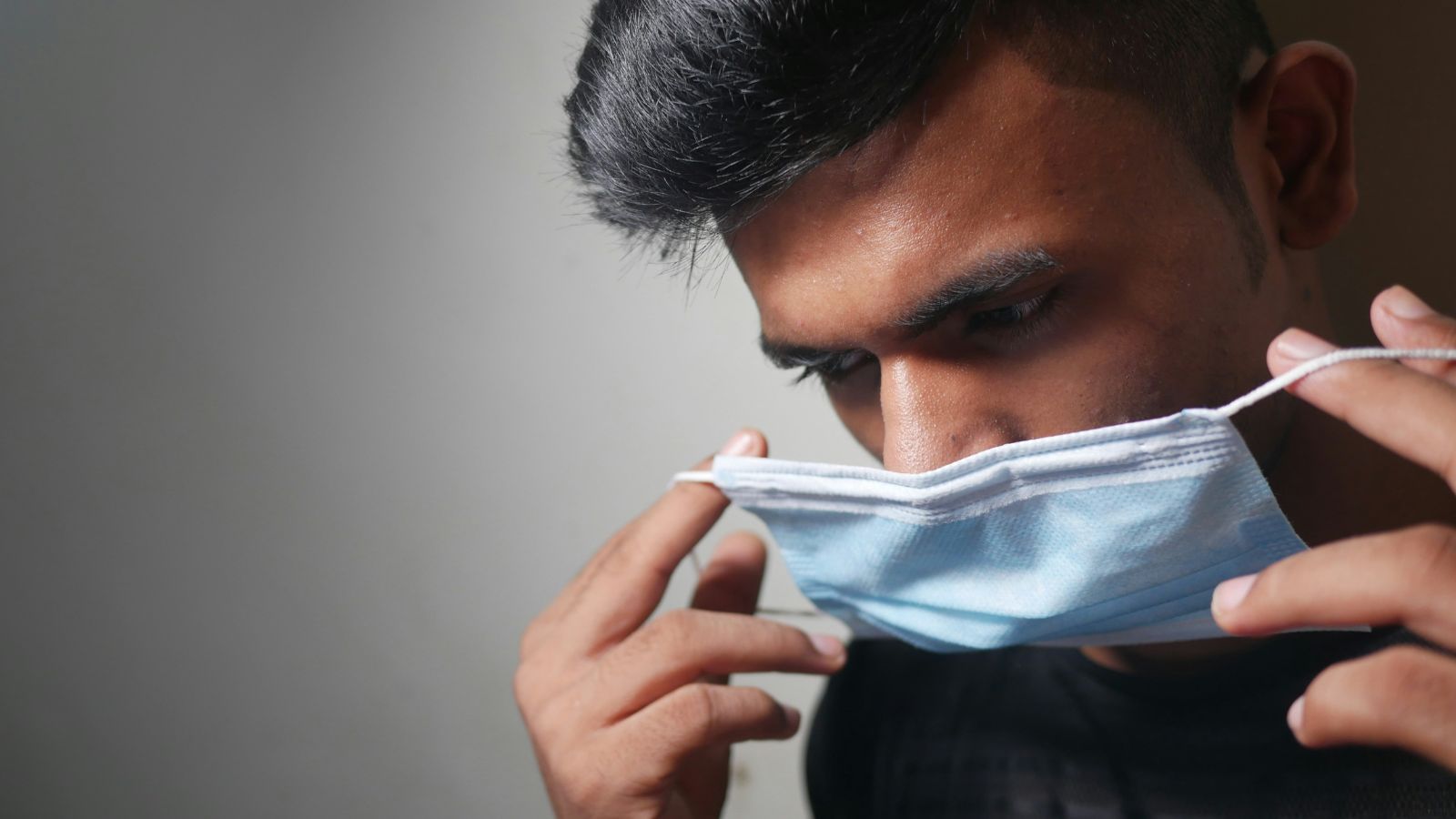
People at higher risk, such as older adults and pregnant women, may need to avoid crowds and wear masks.
Vaccinating high-risk people and health workers could help prevent serious illness.
Hospitals should have enough beds, tests, and antiviral medicines.
The article says different government groups need to work together more smoothly.
It describes the flu surge as a practice test for handling a future pandemic.

Influenza cases reported in parts of India are 2–10 times higher this year than last year.
Experts and officials say the current strain is familiar and urge vigilance without panic, while the article calls the messaging confusing.
The article recommends stronger surveillance, public dashboards, vaccination for high-risk people and health workers, and wider antiviral use.
Influenza positivity among patients admitted with severe acute respiratory infections was 16% this year, compared with 12% last year, in a study of selected hospitals.
The article argues that India needs an integrated command structure and locally calibrated escalation plans before the next pandemic.
- Who
- People in India, especially high-risk individuals, health workers, government agencies, and healthcare providers.
- What
- India is experiencing a seasonal influenza surge, prompting debate over surveillance, prevention, treatment, and pandemic preparedness.
- Where
- Across parts of India, including selected hospitals studied by the author.
- When
- This year, compared with last year; the article treats the current surge as an opportunity during the interpandemic period.
- Why
- To prevent avoidable deaths and improve India’s readiness for future outbreaks and pandemics.
Cautious official response
Stronger precautionary response
Public messaging
Cautious official response
Experts and government officials say the current influenza strain is familiar and advise people to remain informed and vigilant without becoming alarmed.
Stronger precautionary response
The article argues that this reassurance is confusing and that professional communication should explain risks more clearly; it says overreacting is preferable to failing to protect lives.
Protective measures
Cautious official response
The current response emphasizes avoiding panic while asking people with cough and fever to use masks and take steps to limit transmission.
Stronger precautionary response
The article recommends more explicit advice for high-risk people to avoid crowded places, use masks, and consider vaccination during major seasonal surges.
Response structure
Cautious official response
Existing surveillance and coordination arrangements involve the Indian Council of Medical Research, the National Centre for Disease Control, and state health systems.
Stronger precautionary response
The author says the links between these bodies are weak and proposes an integrated command structure with authority to act quickly during surges and pandemics.
Key facts
- Reported case increase
- Different parts of India have reported 2–10 times more influenza cases this year than last year.
- Severe respiratory infection positivity
- Influenza positivity among patients admitted with severe acute respiratory infections was 16% this year, compared with 12% last year, in selected hospitals.
- High-risk groups
- The article identifies older adults, pregnant women, and people with comorbidities as groups needing particular protection.
- Antiviral timing
- Antivirals are described as most effective when used within two days of symptom onset.
- Vaccination coverage
- Influenza vaccine use among high-risk groups is estimated in the article to be below 5%.
- Antiviral use at admission
- The author’s experience suggests that fewer than 10% of patients receive antivirals when admitted.
- Surveillance agencies
- The Indian Council of Medical Research runs laboratory surveillance, the National Centre for Disease Control coordinates the response, and state health systems implement measures.
Sources
Related news
India's H1N1 Cases Rise, ICMR Urges Calm and Precautions
ICMR Says Seasonal H1N1 Flu Rise Needs No Panic

Nadda Reviews H1N1 Readiness as Delhi Cases Rise

Delhi Assures Influenza Preparedness as H1N1 Cases Reach 1,777
Delhi H1N1 Cases Reach 2,612 as Hospitals Heighten Preparedness

ICMR Says Seasonal H1N1 Surge Needs No Masks

Child Safety Online Requires More Than Platform Compliance
Congo Health Officials Use Mobile Data to Track Ebola Spread

India Faces Scrutiny Over Sugar, Salt And Food Warnings

Kerala Child Rights Panel Seeks Sugar Removal From Anganwadi Mix
