

1 hr ago
India Faces Scrutiny Over Sugar, Salt And Food Warnings
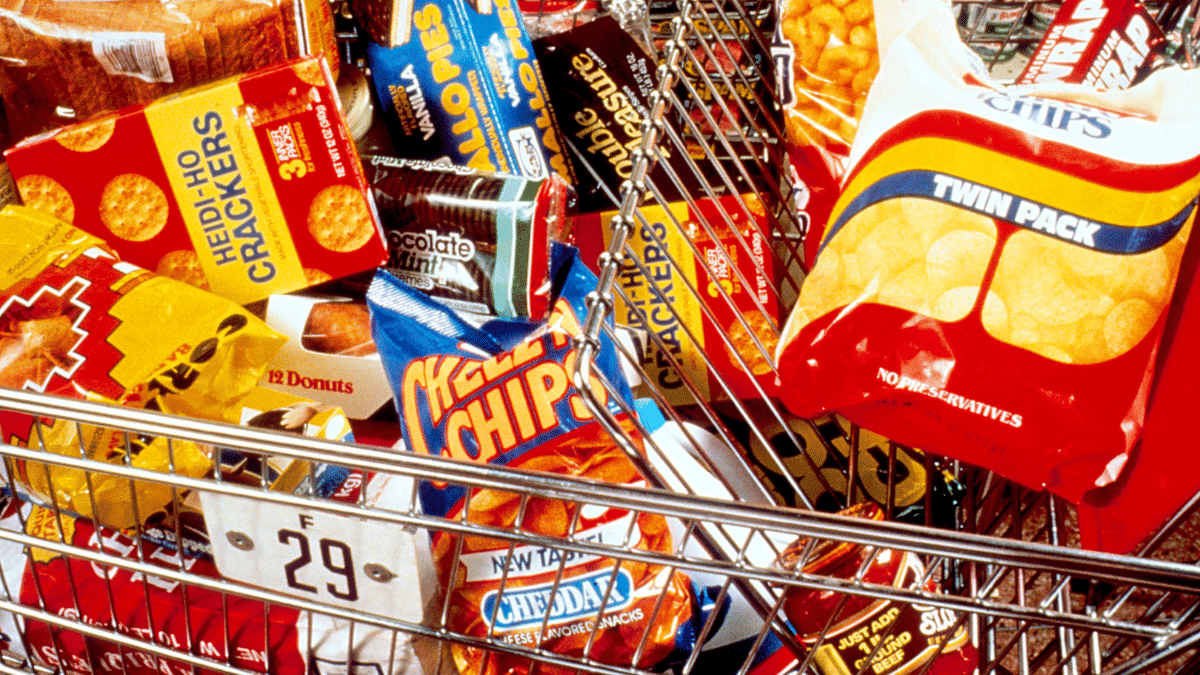
Some packaged foods sold in India have more sugar or salt than similar foods sold in other countries.
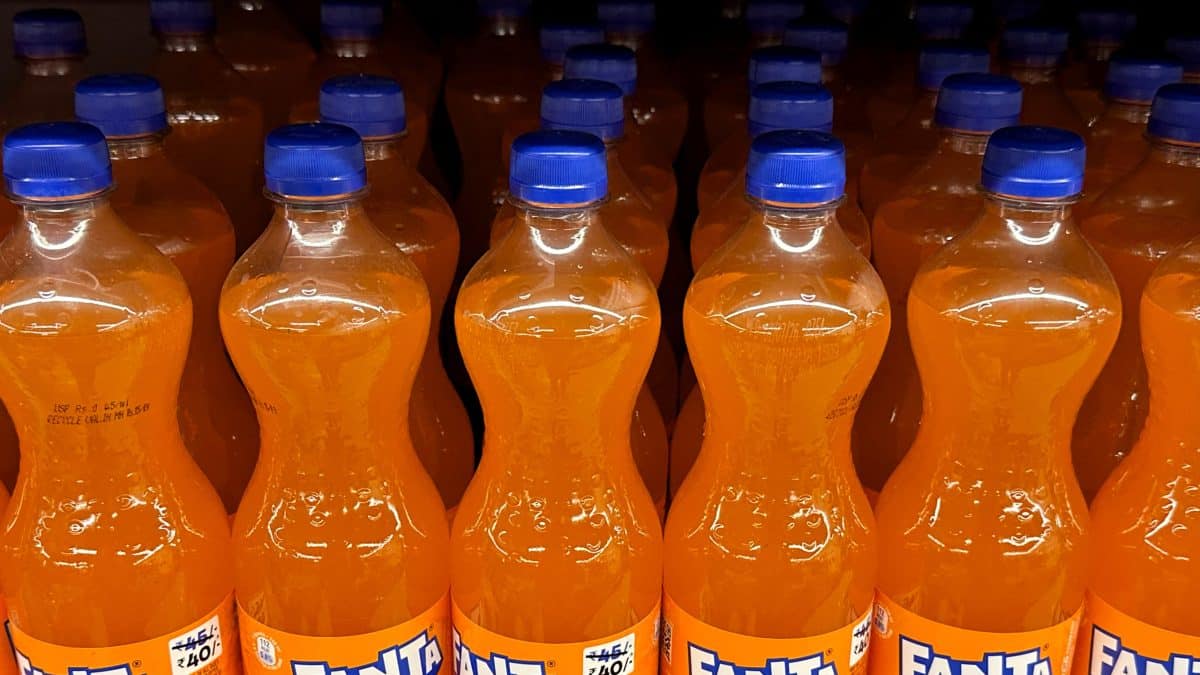
For example, the Indian version of Sprite has more sugar than the European version.
Some products also contain less of an important ingredient, such as cacao or tomato.
India does not yet require clear warning symbols on the front of food packages.
The Supreme Court said consumers should not have to do difficult calculations to understand whether food is high in sugar, salt, or fat.
Food-safety officials have proposed red labels such as “High Sugar” and “High Salt.”
Health experts say these labels could help people make informed choices.
Indian companies also sell packaged foods with high levels of sugar, salt, and fat.
The debate is about how strongly the government should regulate these products while preserving consumer choice.

Several multinational products sold in India reportedly contain more sugar, salt, or lower amounts of key ingredients than comparable versions abroad.
Examples include Indian Sprite with 11.7 grams of sugar per 100 millilitres, compared with 4.4 grams in Europe, and Indian KitKat with less cacao and more added sugar than an Australian version.
India currently has no mandatory front-of-pack warning system, while Maggi products sold in the United Kingdom carry a red high-salt warning.
The Supreme Court of India criticized the proposed system requiring consumers to calculate daily limits and gave the government a final two-week deadline to act.
Indian brands also sell products high in sugar, salt, and fat, while public-health advocates are calling for stronger regulation of ultra-processed foods and food additives.
- Who
- Multinational and Indian packaged-food companies, public-health experts, the Food Safety and Standards Authority of India, and the Supreme Court of India are central to the dispute.
- What
- The report examines differences in packaged-food formulations and warning labels across countries, alongside India’s proposed front-of-pack nutrition warnings.
- Where
- India, with comparisons involving European markets, the United Kingdom, and Australia.
- When
- The developments described include measures and court hearings from 2013 through 29 August, with the Economic Survey 2025-26 also cited.
- Why
- Public-health advocates argue that stronger regulation and clear warnings are needed because ultra-processed foods and high sugar, salt, and fat consumption are linked in the report to rising health risks.
Public-health advocates
Industry and regulatory objections
Front-of-pack warnings
Public-health advocates
Advocates say prominent warnings would give consumers clear information without removing their freedom to buy sugary or salty products.
Industry and regulatory objections
Coca-Cola India’s representative described colour-coded warnings as overly simplistic and questioned whether labels alone would change consumer behavior.
How nutrition information should appear
Public-health advocates
Health advocates and the Supreme Court said consumers should be able to recognize unhealthy products at a glance rather than calculate figures themselves.
Industry and regulatory objections
FSSAI initially proposed printing recommended daily limits, including 25 grams of sugar, 10 grams of saturated fat, and 5 grams of salt, leaving consumers to interpret the numbers.
Responsibility for product quality
Public-health advocates
Public-health experts say weak policy allows companies to sell products with different formulations and fewer protections in India.
Industry and regulatory objections
The report says companies formulate products differently for different markets and defend their practices, while some consumers dismiss the healthy-versus-unhealthy debate and prioritize personal choice.
Key facts
- Indian Sprite sugar
- 11.7 grams per 100 millilitres, compared with 4.4 grams in the European market.
- Indian KitKat
- Reported to contain 4.5% cacao overall and 28.9 grams of added sugar.
- Australian KitKat
- The cited version contains 22% cacao in its milk-chocolate component and 21.7 grams of added sugar.
- Maggi sodium
- Around 1,072 milligrams per 100-gram serving.
- Obesity estimates
- The Economic Survey 2025-26 reported that 24% of Indian women and 23% of Indian men are overweight or obese, and estimated 33 million obese children in 2020.
- Ultra-processed food sales
- Retail sales rose from $0.9 billion in 2006 to nearly $38 billion in 2019, according to the report.
- Proposed warning labels
- FSSAI proposed red hexagonal labels reading “High Fat,” “High Sugar,” “High Salt,” or “Highly Sweetened Beverage,” based on specified dietary thresholds.
Quotes
Jitendra Jain
Former food safety commissioner and Delhi food-supplies official
“We need to construct a policy which protects people from the onslaught of aggressive marketing and advertising. Look at cigarette packets. They carry prominent health warnings, yet people who smoke continue to smoke. The warning does not take away their choice, it simply ensures that they are making that choice with the right information”
 theprint.in
“We have a government which is weak on public health policy. They listen more to the industry than public health experts. As soon as these multinational brands come in, we comply with them. We let them feed us whatever”
theprint.in
Sources
Related news
India’s Front-of-Pack Food Warning Debate Faces Industry Pushback
India Drops Food Warning Labels as Court Reviews Policy

India’s Proposed Food Warning Labels Face Health, Industry Backlash

Reuters Investigation Finds Global Brands Use Different Indian Recipes

India Proposes Red Front-Pack Warnings for High-Nutrient Foods

Maharashtra FDA Chief Challenges Differing Food Standards, Labels

MahaREAT Orders Refund After Mumbai Flat Possession Delay

NBEMS Warns Against NEET PG Memory-Based Question Circulation

Supreme Court Limits BCI Discipline Over Law Students

Sharad Pawar Challenges Centre’s 7.8% GDP Growth Claims
