2 weeks ago
Jet Stream Swings and Warming Intensify Europe’s Heat and Drought

The jet stream is a powerful river of wind high above Earth.
It helps move heat from warmer areas toward the Arctic.
It also separates cold Arctic air from warmer subtropical air.
The article says that global warming and shrinking Arctic sea ice are making the jet stream bend more.
These larger bends can bring very hot or very cold weather to Europe.
Sometimes the jet stream splits over Europe.
This can trap a dome of still air over the region.
The trapped air can cause heatwaves and less rain.

The jet stream helps separate cold Arctic air from warm subtropical air over Europe.
Global warming and Arctic sea-ice loss are described as increasing the jet stream’s meanders.
Larger north-south swings can bring more intense hot and cold extremes to Europe.
The jet stream can split over Europe, creating a stagnant dome of air.
That stagnant air pattern can contribute to heatwaves and reduced rainfall.
- Who
- The jet stream, global warming, Arctic sea-ice loss, and the air masses affecting Europe.
- What
- Increasing jet-stream meanders and a possible split over Europe can contribute to heatwaves, reduced rainfall, and hot or cold extremes.
- Where
- Europe, with influences involving the Arctic and subtropical regions.
- When
- Why
- The article attributes the changes to global warming, Arctic sea-ice loss, and the jet stream’s natural tendency to swing and split over Europe.
Key facts
- Main atmospheric feature
- The jet stream is a strong river of powerful winds in the upper atmosphere.
- Function
- It helps transport energy from warm low-latitude regions toward colder polar regions.
- Key variability
- The jet stream’s north-south movement affects Europe’s weather.
- Global influence
- Global warming and Arctic sea-ice loss are described as increasing its meanders.
- European effect
- Larger swings can bring hot and cold extremes to Europe.
- Stagnant pattern
- A split jet stream can produce a dome of stagnant air over Europe.
- Potential consequences
- The stagnant air can contribute to heatwaves and reduced rainfall.
Sources
Related news

Why Europe’s Extreme Summer Heat Is Not Just El Niño
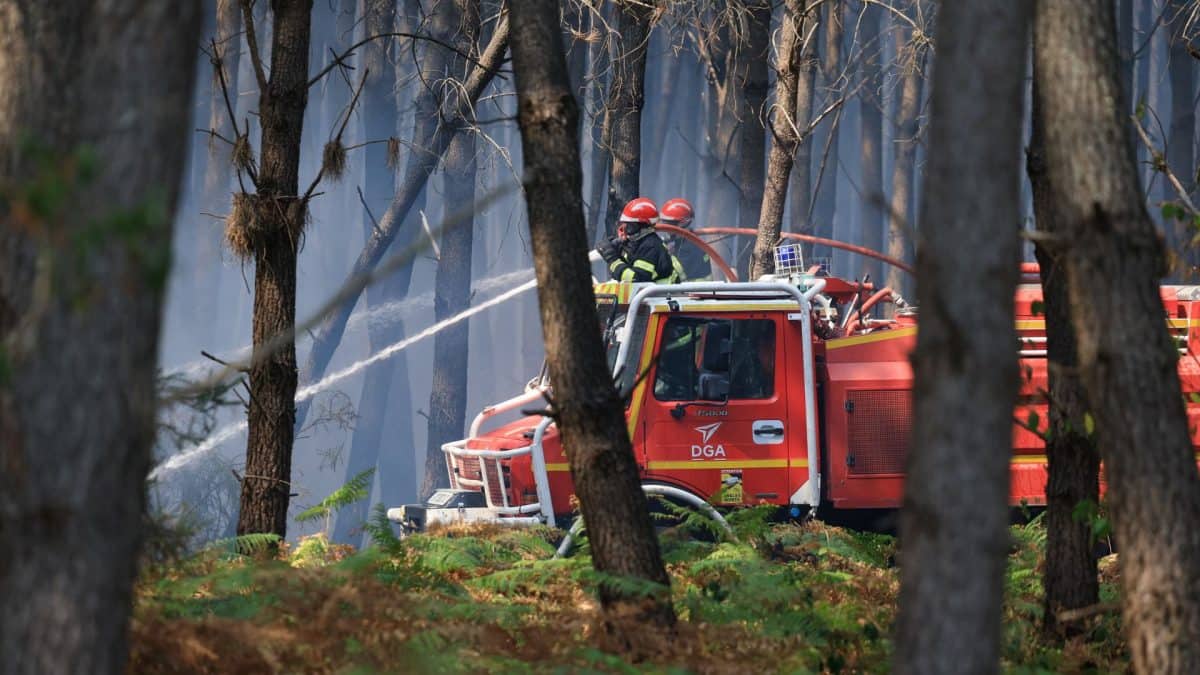
Europe's 2026 summer: burning, drying out, struggling to adapt

World's seas hottest July on record as Europe faces heatwaves
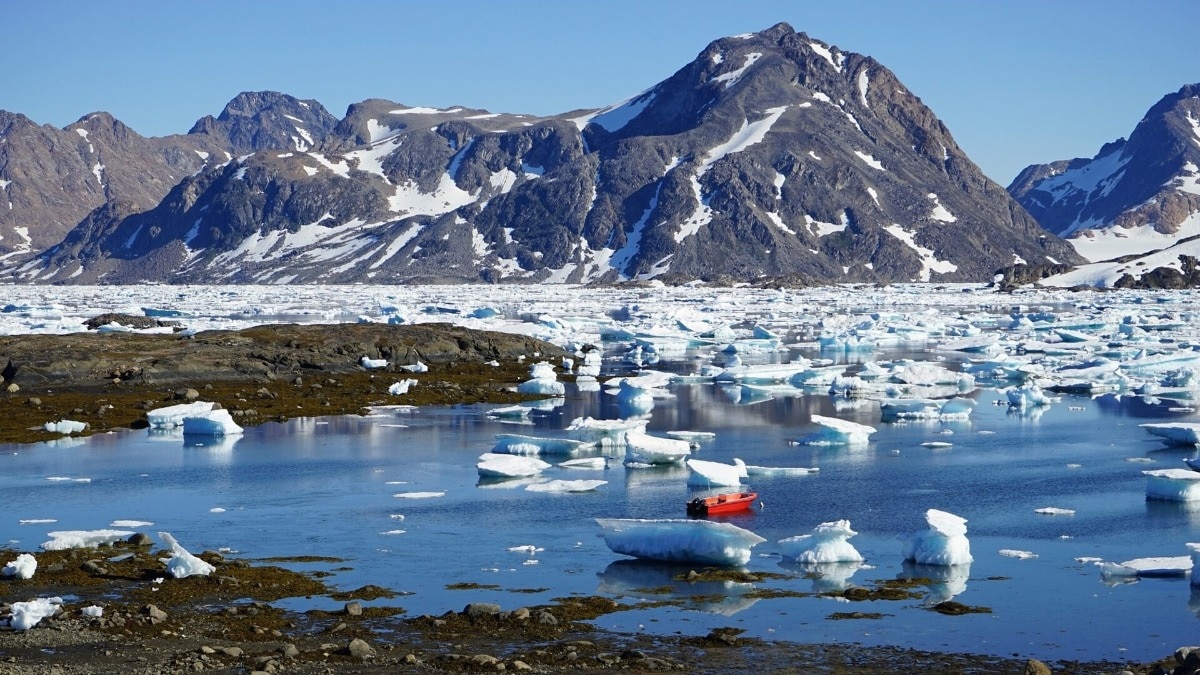
Greenland Meltwater May Help Supercharge Europe’s Heatwaves Through Shifting Patterns
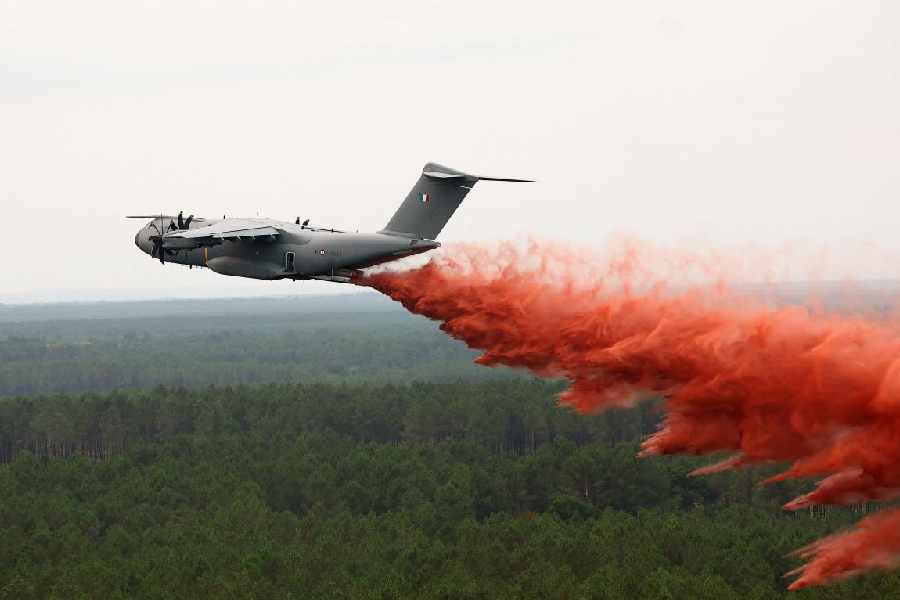
France Braces for Fifth Heatwave as Europe Sets Temperature Records

Fifth Heat Wave of Summer Peaks in London on Thursday

Super El Niño Raises UK Food Security Concerns

Oil Shock and Slowing AI Capex Threaten India’s Recovery

UN Map Enlarges Africa’s Appearance as United States Votes No

Campaign Urges UN to Adopt Map Showing Africa’s True Size

Trump Seeks European Repayment for US Ukraine Aid