2 weeks ago
Why Europe’s Extreme Summer Heat Is Not Just El Niño
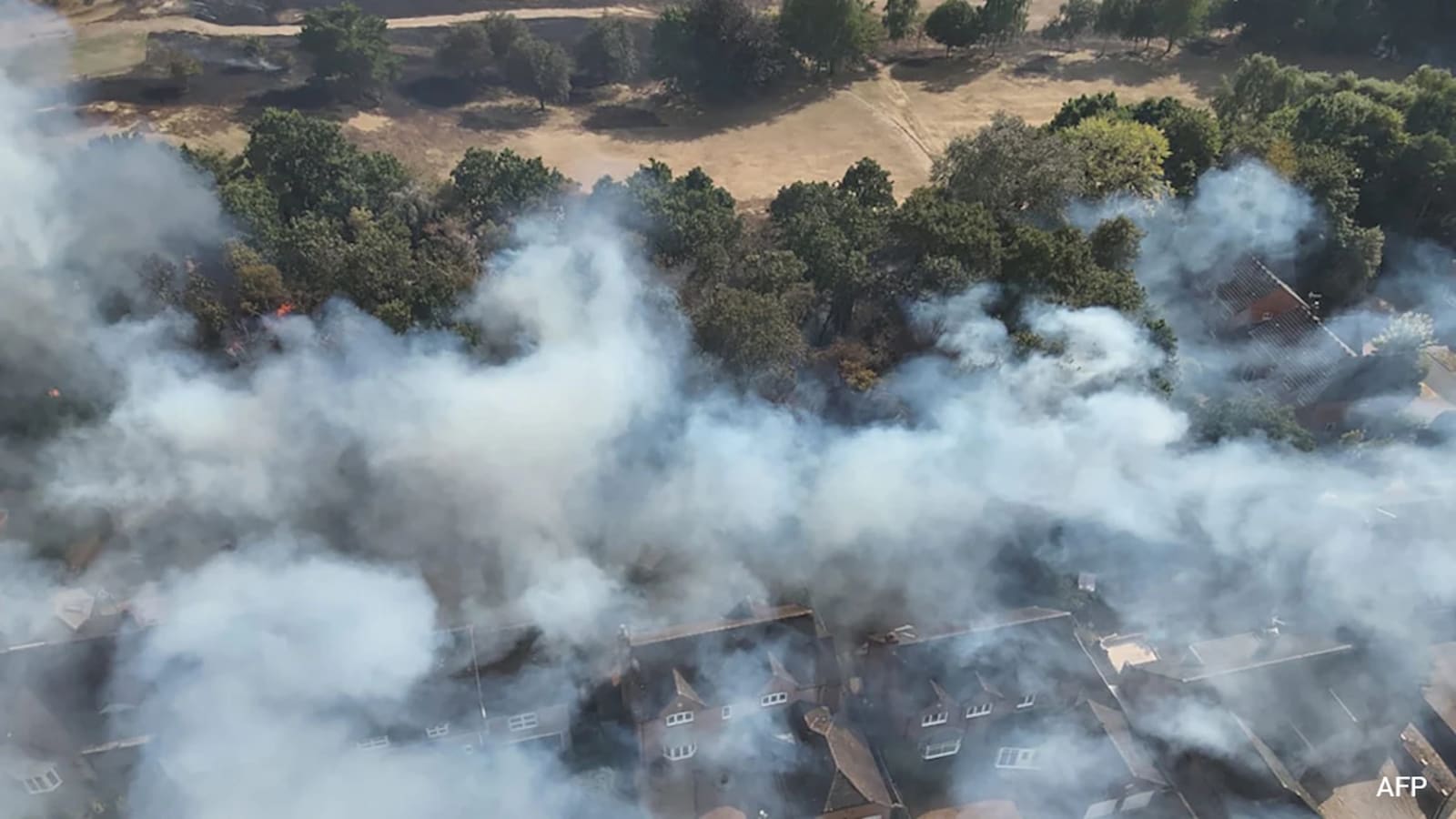
Belgium recently experienced its largest recorded wildfire.
The fire burned forests and peatland after a very hot period.
Hundreds of people had to leave nearby areas for safety.
Rain and cooler weather later helped firefighters.
Other parts of Europe also faced heat, drought, and wildfires.
El Niño can affect weather around the world, but its effect on European summers is usually weak and indirect.
Experts say dry soil, Atlantic conditions, stuck high-pressure systems, and long-term climate change are more important for Europe’s summer heat.
El Niño can still make a hot year worse when it occurs alongside an already warmer global climate.

Belgium’s largest recorded wildfire burned about 3,000 hectares of peatland and pine forest after temperatures reached 37°C.
About 600 residents and tourists were evacuated from Waimes and Butgenbach as more than 250 emergency personnel fought the blaze.
The World Meteorological Organization linked the Northern Hemisphere’s extremes to long-term warming and persistent high- and low-pressure systems.
Wildfire emissions in France and Spain were well above average, while dry conditions lowered water levels in the Seine, Rhine, and Danube.
Experts said El Niño may raise global temperatures temporarily, but Europe’s summer heat is driven mainly by blocking systems, dry soils, Atlantic conditions, and climate change.
- Who
- Firefighters, emergency personnel, military units, local farmers, German crews, and firefighting aircraft responded to the Belgian wildfire; climate experts and the World Meteorological Organization assessed the broader weather pattern.
- What
- A major Belgian wildfire occurred amid extreme Northern Hemisphere heat, drought, and wildfires, prompting debate about El Niño’s role.
- Where
- The main fire affected peatland and pine forest near Waimes and Butgenbach in Belgium, close to western Germany; severe conditions were reported across Europe and other Northern Hemisphere regions.
- When
- The fire developed over the past couple of weeks after a heatwave; the World Meteorological Organization also described persistent conditions affecting June and the Northern Hemisphere summer.
- Why
- The articles attribute the fire risk primarily to persistent high-pressure blocking, severely dry soils and peat, long-term human-caused climate change, and regional Atlantic influences, with El Niño acting as a weaker indirect factor.
El Niño’s Contributing Role
Regional and Long-Term Drivers
Influence on European weather
El Niño’s Contributing Role
El Niño can alter atmospheric circulation, shift seasonal probabilities, and temporarily increase global average surface temperatures.
Regional and Long-Term Drivers
Its influence at European latitudes is indirect and relatively weak, especially for summer heat, so it cannot alone explain the conditions.
Explanation for the heatwave
El Niño’s Contributing Role
When a strong El Niño occurs against a warmer climate baseline, it may intensify heatwaves and dry spells.
Regional and Long-Term Drivers
Experts identify persistent high-pressure blocks, dry soil and peat, Atlantic conditions, and human-caused climate change as the primary drivers.
Predicting local outcomes
El Niño’s Contributing Role
El Niño may affect the likelihood or intensity of certain weather patterns across seasons.
Regional and Long-Term Drivers
It does not reliably determine whether countries such as Slovakia, the Czech Republic, Austria, or Hungary will be warmer, drier, or wetter; local conditions depend more on regional drivers such as the North Atlantic Oscillation and Arctic Oscillation.
Key facts
- Belgian wildfire area
- Approximately 3,000 hectares of peatland and pine forest burned.
- Peak temperature
- Temperatures reached 37°C (98.6°F) during the heatwave.
- Evacuations
- About 600 residents and tourists were evacuated from Waimes and Butgenbach.
- Emergency response
- More than 250 emergency personnel, supported by military units and others, fought the fire.
- European river levels
- Dry conditions reduced water levels in the Seine, Rhine, and Danube.
- Wildfire emissions
- Emissions in France and Spain were reported to be well above average for that time of year.
- Main El Niño assessment
- Its influence on European summer weather is indirect and weaker than regional atmospheric and oceanic drivers.
Quotes

John Kennedy
Head of climate information at the World Meteorological Organization
“What we have seen over the last few months is the combined effect of long‑term warming with a persistent pattern of alternating high‑ and low‑pressure systems stretching across the Northern Hemisphere.”
 NDTV
NDTV
Prof. Martina Zelenakova
Professor at the Technical University of Kosice, Slovakia
“El Nino does not work as a simple rule "El Nino = warm and dry Slovakia." Its influence is transmitted through changes in atmospheric circulation over the Atlantic and Europe and is relatively weak compared to the influence of the NAO, blocking high‑pressure areas or climate change itself.”
NDTV
Sources
Related news
France Braces for Fifth Heatwave as Europe Sets Temperature Records
Europe's 2026 summer: burning, drying out, struggling to adapt
Europe battles wildfires as record heat and drought fuel blazes

Jet Stream Swings and Warming Intensify Europe’s Heat and Drought

Europe’s Deadly Summer Heat Linked to Over 30,000 Deaths

World's seas hottest July on record as Europe faces heatwaves
Super El Niño Raises UK Food Security Concerns

Oil Shock and Slowing AI Capex Threaten India’s Recovery

UN Map Enlarges Africa’s Appearance as United States Votes No

Campaign Urges UN to Adopt Map Showing Africa’s True Size

Trump Seeks European Repayment for US Ukraine Aid