

7 hrs ago
ISRO Chief Prays at Tirumala Ahead of EOS-05 Launch
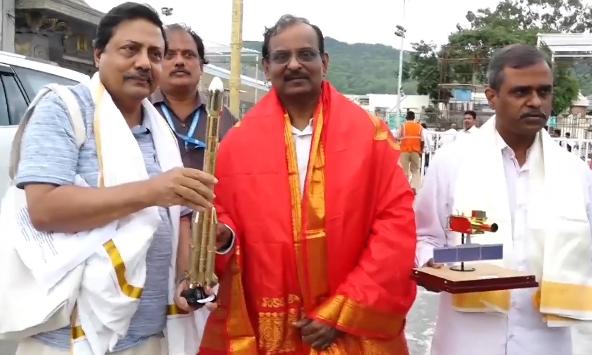
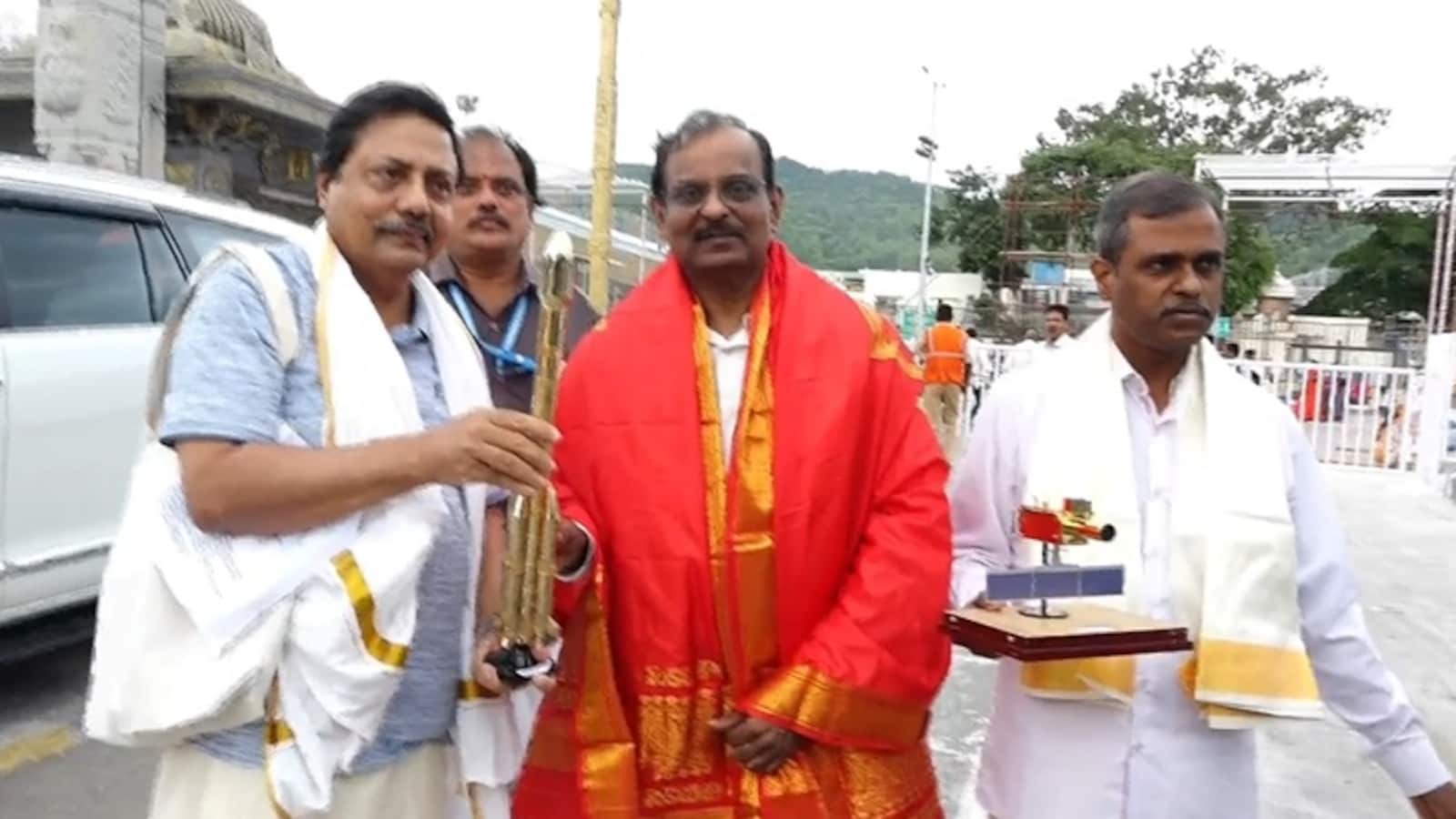
ISRO Chairman V. Narayanan visited a temple in Tirumala before an important rocket launch.
He prayed to Lord Venkateswara for the mission to succeed.
Reports said he brought models of the GSLV-F17 rocket and EOS-05 satellite.
One report mentioned only a rocket model, while another mentioned both models.
Priests placed the models near the deity during the prayers.
The mission is planned for 2:55 a.m.
on September 4.
It will launch from Sriharikota.
EOS-05 is meant to take frequent, wide pictures of Earth for uses such as weather, disasters, farming and environmental studies.

ISRO Chairman Dr V. Narayanan offered prayers at the Sri Venkateswara Swamy temple in Tirumala on Wednesday.
Narayanan carried GSLV-F17 and EOS-05 rocket models, although one report described only a GSLV-F17 model.
Temple priests placed the models near Lord Venkateswara’s feet during special prayers seeking mission success.
The GSLV-F17/EOS-05 mission is scheduled for 2:55 a.m. on September 4 from Sriharikota.
EOS-05 is intended for geosynchronous orbit and is designed to support frequent, wide-area Earth imaging.
- Who
- ISRO Chairman Dr V. Narayanan, temple priests, Vedic scholars and the ISRO mission team.
- What
- Prayers and special pujas were offered before the scheduled GSLV-F17/EOS-05 launch.
- Where
- The prayers were held at the Sri Venkateswara Swamy temple in Tirumala, and the launch is scheduled from the Satish Dhawan Space Centre at Sriharikota.
- When
- The temple visit took place on Wednesday; the launch is scheduled for 2:55 a.m. on September 4.
- Why
- Narayanan sought divine blessings for the mission’s success, while EOS-05 is intended to provide frequent, wide-area Earth imaging.
Key facts
- Mission
- GSLV-F17/EOS-05
- Scheduled launch
- 2:55 a.m. on September 4
- Launch site
- Satish Dhawan Space Centre, Sriharikota
- Intended orbit
- Geosynchronous orbit; ISRO says the satellite will be placed into a Sub-Geosynchronous Transfer Orbit
- Satellite significance
- Described as India’s first Earth-observation imaging satellite intended for geosynchronous orbit
- Applications
- Weather and disaster monitoring, agriculture, environmental assessment and strategic requirements
- Temple ceremony
- Veda Ashirvachanam was given by Vedic scholars at the Ranganayakula Mandapam
Sources
Related news
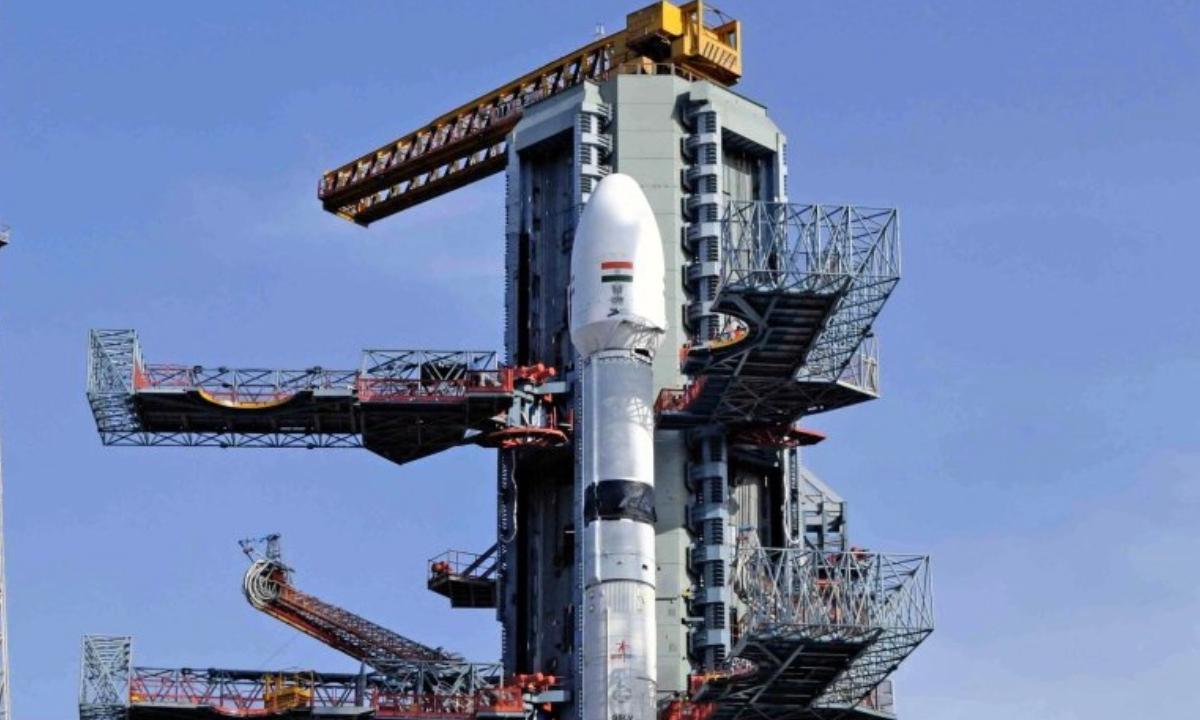
India’s GSLV-F17 Set to Launch EOS-05 From Sriharikota
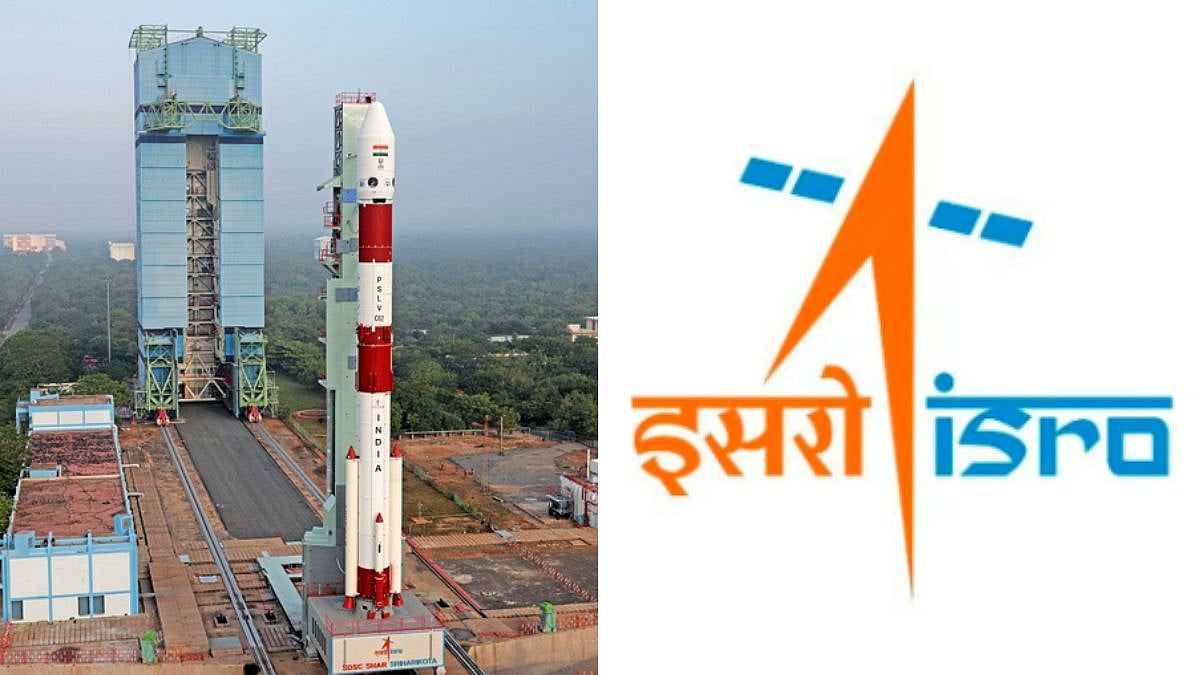
ISRO Plans EOS 5 Comeback Launch After PSLV Setbacks
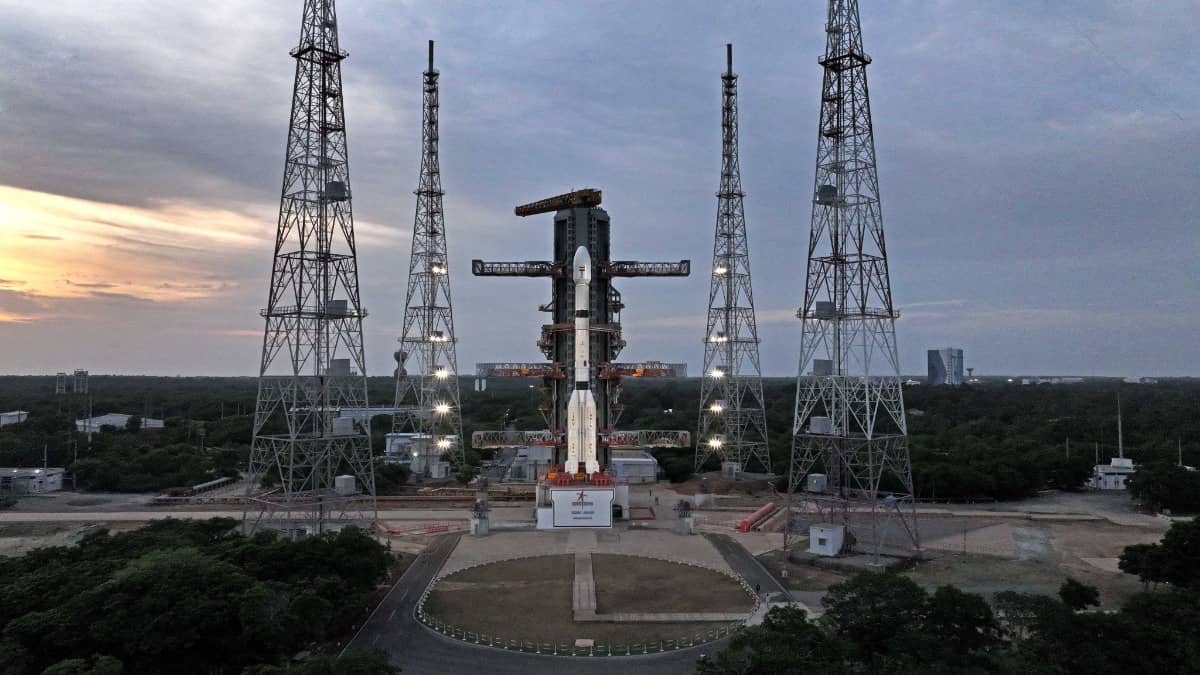
ISRO Sets September Launch for EOS-05 Earth-Imaging Satellite
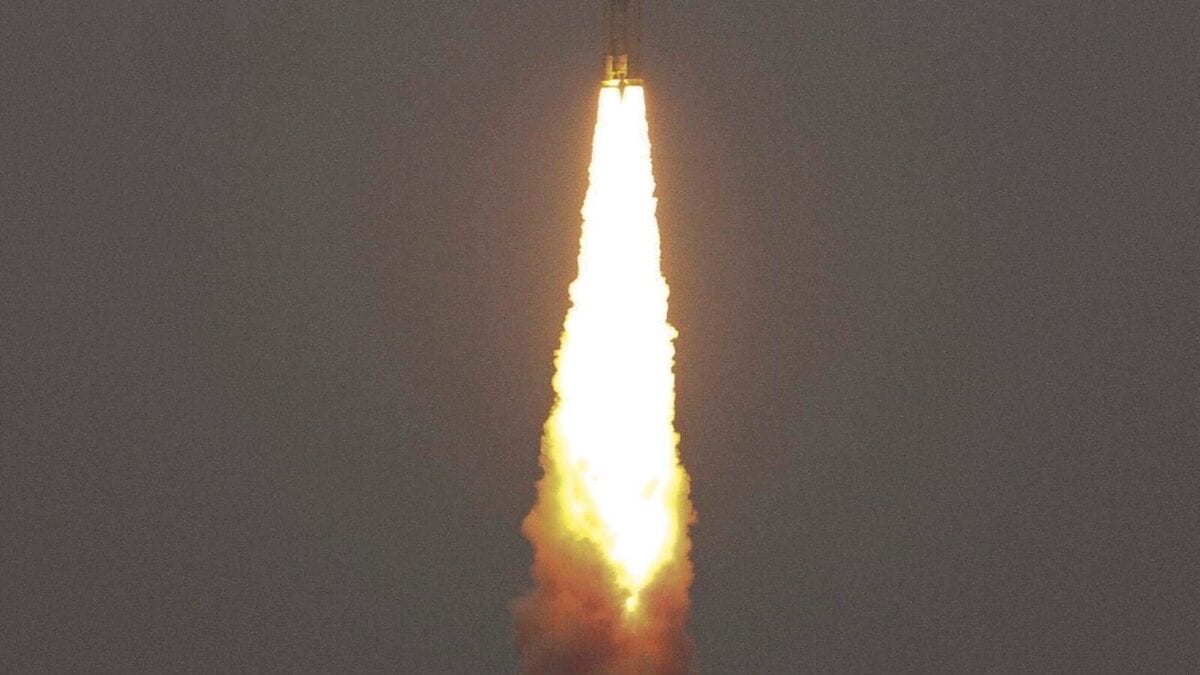
ISRO Plans September GSLV Mk-II Launch After Eight-Month Pause
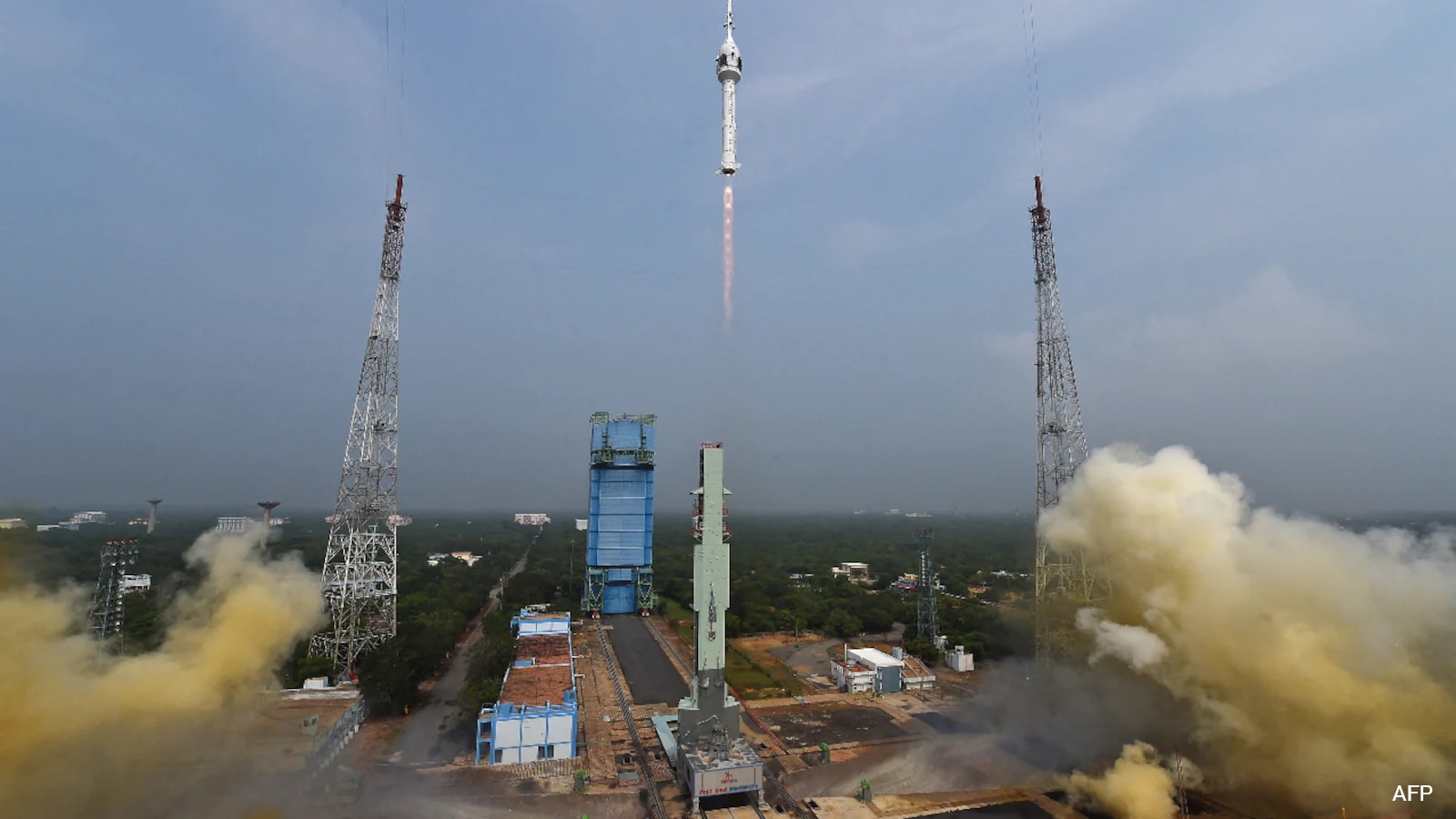
ISRO Targets Gaganyaan Uncrewed Launch Within Four Months

India Targets Its Bharatiya Antariksha Station by 2035

Congress Accuses Modi Government of Planning ISRO Privatization
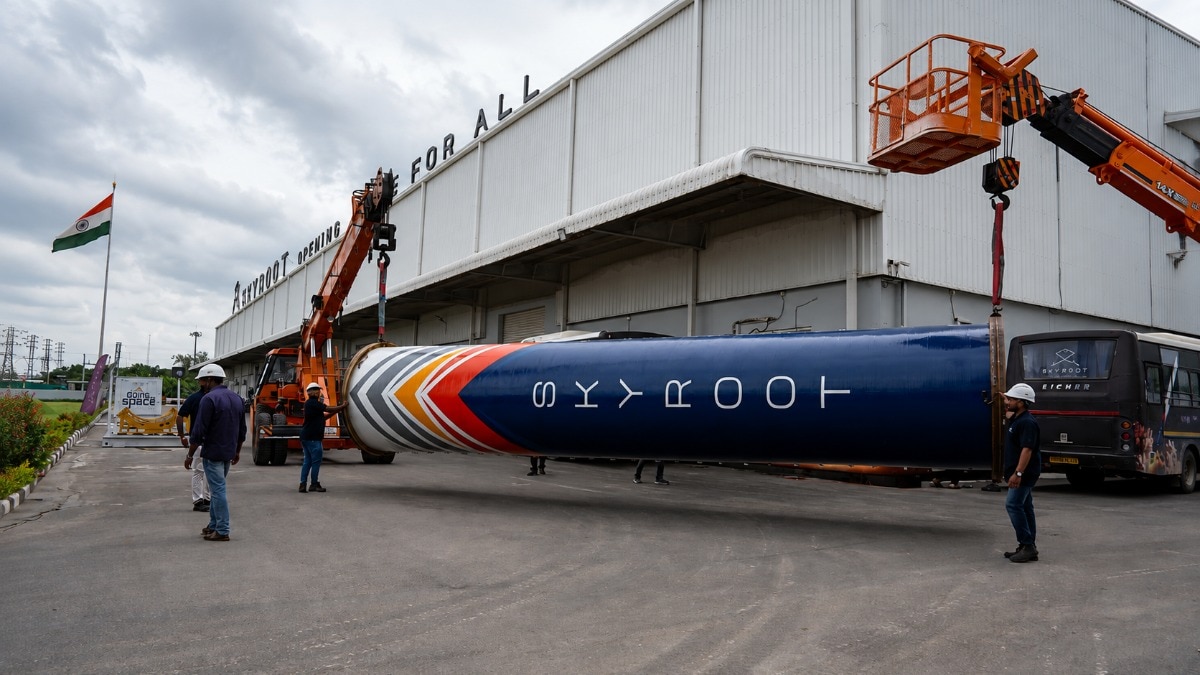
Skyroot Moves Second Vikram-1 Stage Toward Sriharikota Launch
