

3 days ago
India’s GSLV-F17 Set to Launch EOS-05 From Sriharikota
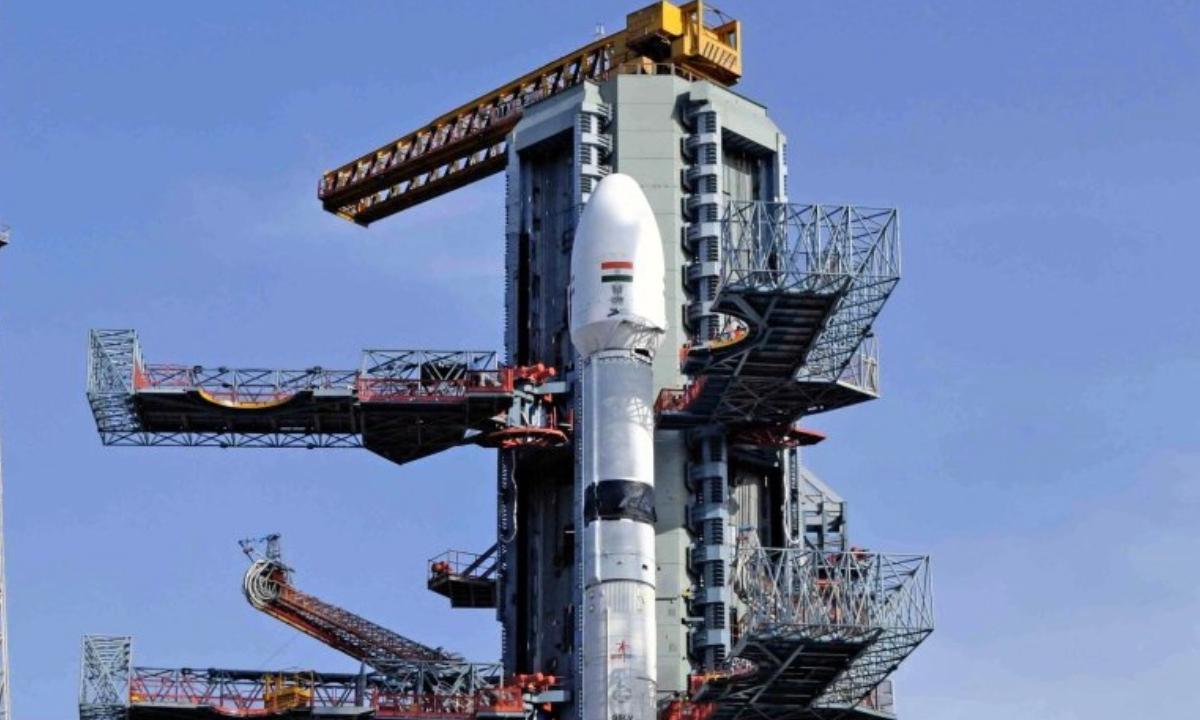
India plans to launch a rocket called GSLV-F17 on September 4.
The rocket will carry a satellite named EOS-05.
The launch is scheduled for 2:55 am from Sriharikota in Andhra Pradesh.
EOS-05 will take detailed pictures of Earth from a very high orbit.
These pictures can help monitor land and the environment.
The satellite is described as India’s first imaging satellite designed to work from geosynchronous orbit.
It will replace GISAT-1A, which was lost during a failed launch in 2021.
The mission is also important because two recent PSLV launches failed.
A successful launch could help restore confidence in India’s space programme.

GSLV-F17 is scheduled to launch EOS-05 at 2:55 am on September 4.
The launch will take place from the Second Launch Pad at Satish Dhawan Space Centre, Sriharikota.
EOS-05 is described as India’s first imaging satellite designed to operate from geosynchronous orbit.
The satellite will capture detailed Earth images for land and environmental monitoring.
The mission is significant after two successive PSLV failures and a temporary launch pause.
- Who
- The Indian space programme, using the GSLV-F17 rocket and EOS-05 satellite.
- What
- A scheduled launch of GSLV-F17 carrying EOS-05 into a Sub-Geosynchronous Transfer Orbit.
- Where
- The Second Launch Pad at the Satish Dhawan Space Centre in Sriharikota, Andhra Pradesh.
- When
- September 4 at 2:55 am.
- Why
- To deploy an advanced Earth-observation satellite for detailed imaging, land monitoring and environmental applications.
Key facts
- Mission
- GSLV-F17/EOS-05
- Scheduled launch
- September 4 at 2:55 am
- Launch site
- Second Launch Pad, Satish Dhawan Space Centre, Sriharikota
- Target orbit
- Sub-Geosynchronous Transfer Orbit
- Satellite purpose
- Detailed Earth imaging and regular land and environmental observation
- GSLV flight number
- The 19th flight of India’s Geosynchronous Satellite Launch Vehicle
- Satellite predecessor
- EOS-05 is described as a replacement for GISAT-1A, lost in a 2021 launch failure
Sources
Related news
ISRO Sets September Launch for EOS-05 Earth-Imaging Satellite
ISRO Plans EOS 5 Comeback Launch After PSLV Setbacks

ISRO Chief Prays at Tirumala Ahead of EOS-05 Launch
ISRO Plans September GSLV Mk-II Launch After Eight-Month Pause
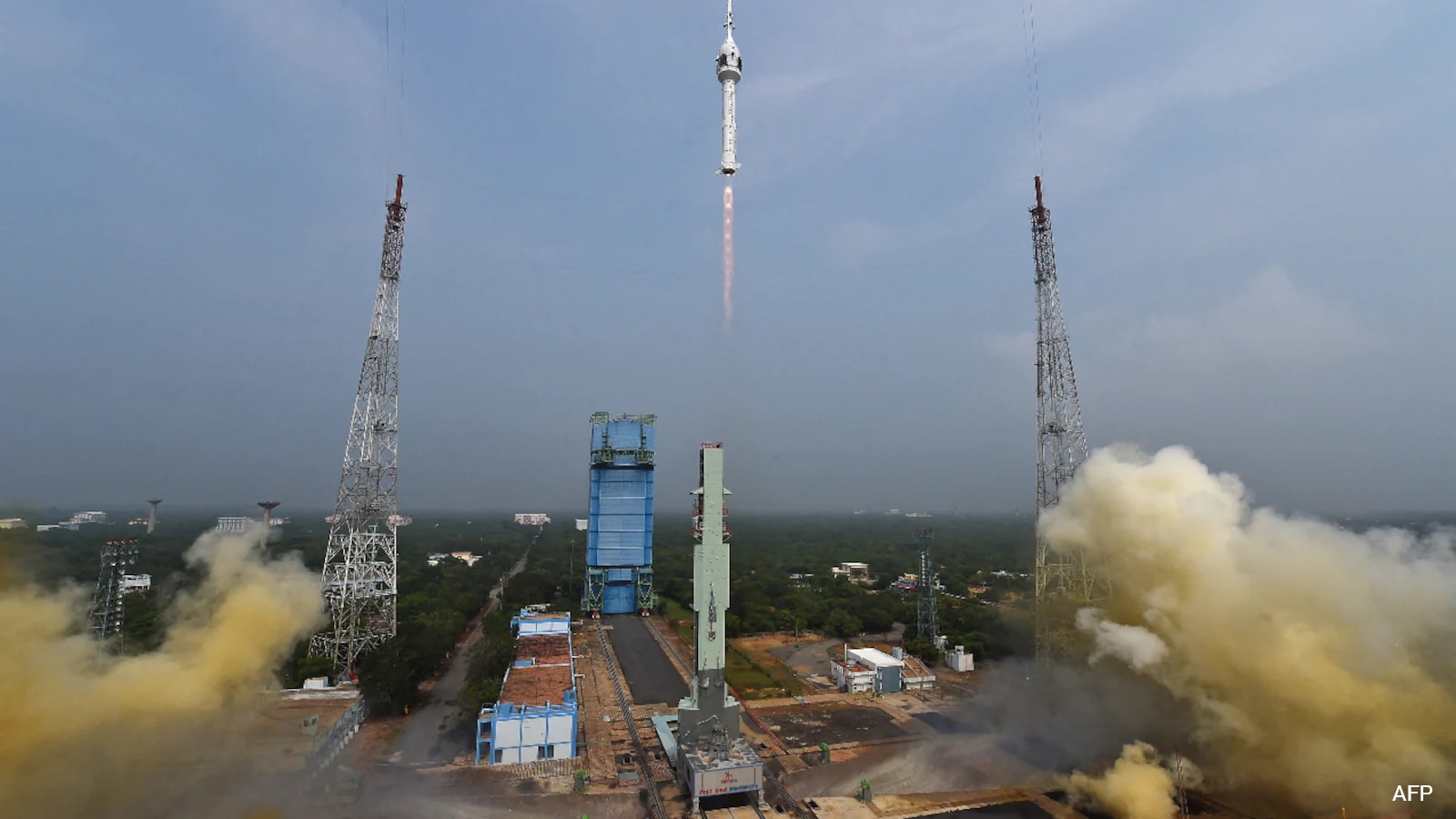
ISRO Targets Gaganyaan Uncrewed Launch Within Four Months
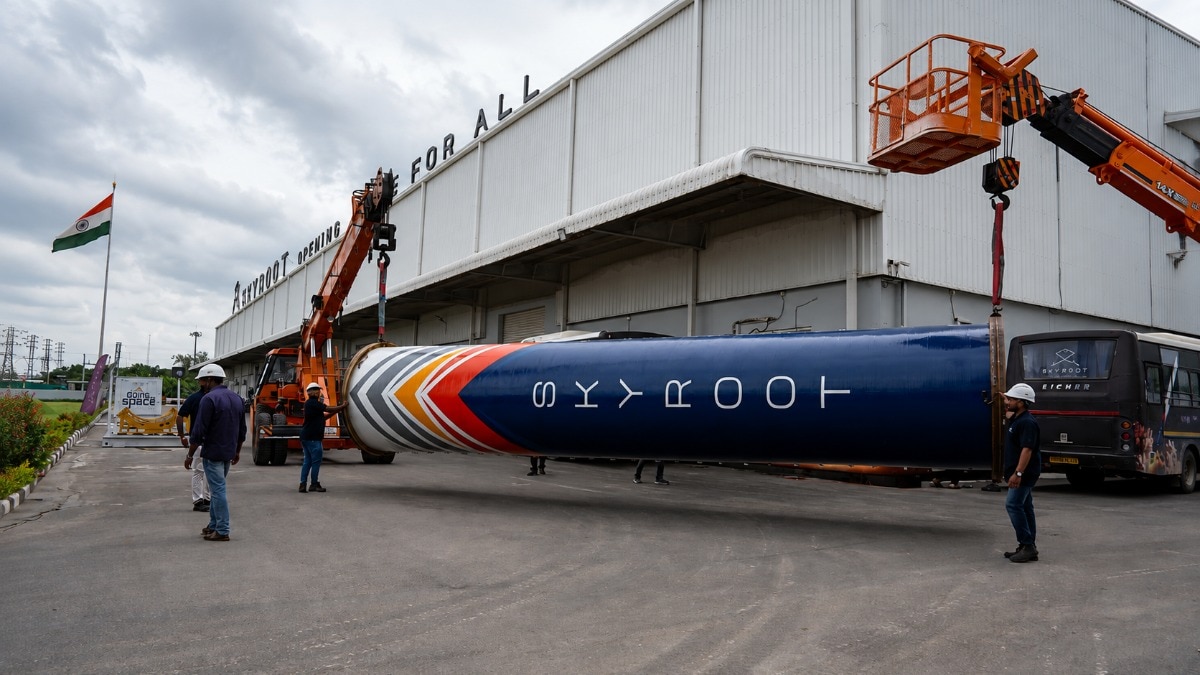
Skyroot Moves Second Vikram-1 Stage Toward Sriharikota Launch

Congress Accuses Modi Government of Planning ISRO Privatization
