

2 weeks ago
India on Track for Record 50 GW Solar Capacity
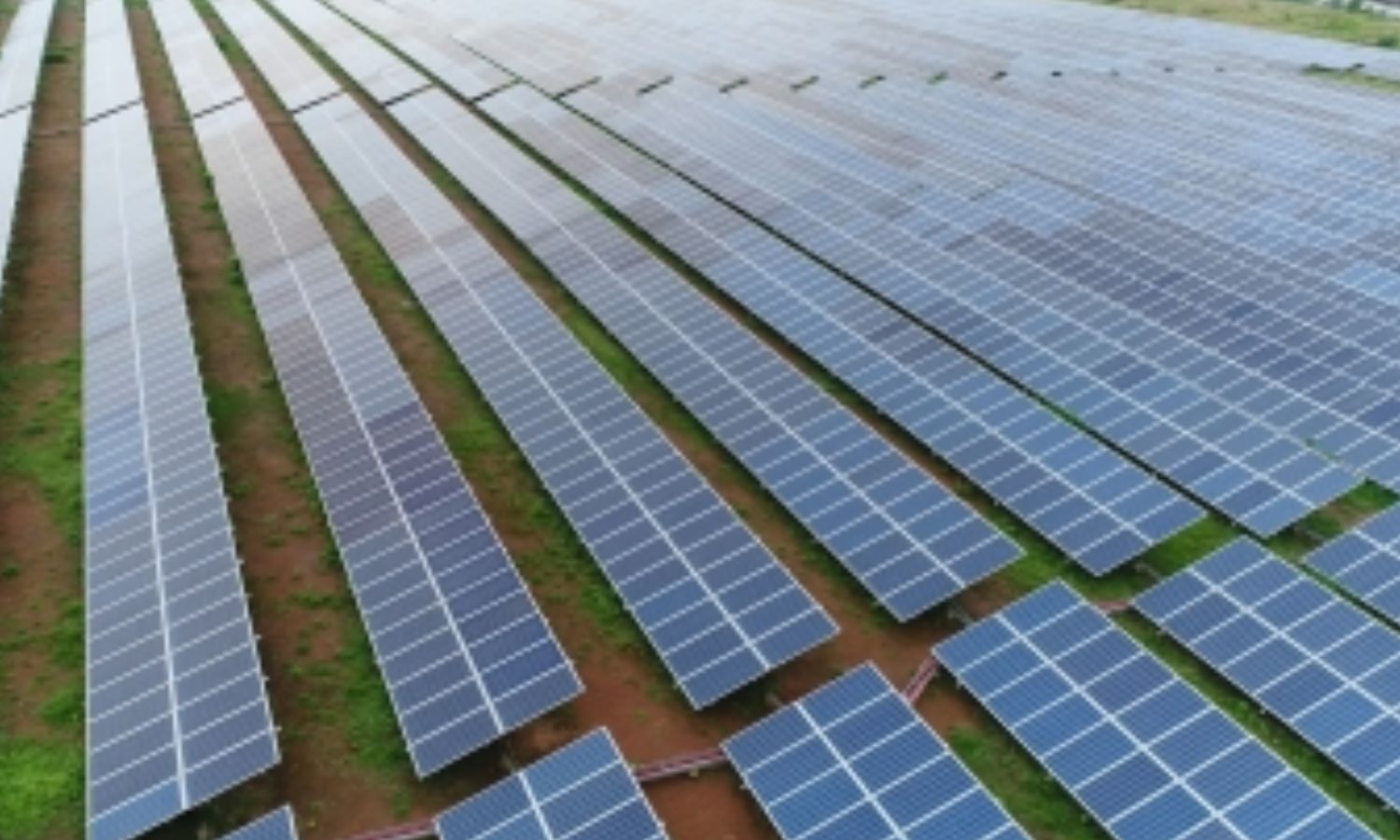
India is building a lot of solar power, which turns sunlight into electricity.
In the first half of 2026, it added enough solar panels to make 34 gigawatts of power.
That is 38 percent more than in the same time last year.
For the whole year, experts think India will add over 50 gigawatts, more than ever before.
Part of the reason is a new rule called ALMM-II that pushes companies to use parts made in India.
But Indian factories can make the outer part of solar panels, called modules, faster than the inner part, called cells.
So there is not enough of one important part, and prices are going up.
India is also buying fewer parts directly from China and more from places like Indonesia.
Experts say prices should calm down by 2029 as more factories open.
It will take time, but the country is setting a new record.

India added 34 GWdc of solar capacity in the first half of 2026, 38 percent above H1 2025 levels.
Full-year additions are forecast to exceed 50 GWdc, surpassing the 2025 record of 49 GWdc.
Developers raced to commission projects ahead of the June deadline for the ALMM-II mandate.
Cell manufacturing capacity has not kept pace with modules, creating a supply crunch that will push system prices higher.
India imported 5 GW of wafers and 20 GW of cells in the first five months of 2026, with Indonesian cell imports nearly tripling.
- Who
- India's solar developers and manufacturers, analyzed by Wood Mackenzie researchers.
- What
- India is on track to add a record 50 GWdc of solar capacity in 2026, though supply constraints will push system prices higher.
- Where
- India, with reporting from New Delhi.
- When
- Reported in the first half of 2026, with full-year forecasts for 2026.
- Why
- Developers rushed to beat the June ALMM-II deadline and ahead of the phased removal of inter-state transmission charge waivers.
Backers of domestic manufacturing
Concerns over supply and costs
ALMM-II mandate's impact
Backers of domestic manufacturing
The ALMM-II mandate is a bold step toward building a fully integrated domestic solar supply chain.
Concerns over supply and costs
The mandate creates a supply crunch that will push system prices significantly higher, as cell manufacturing capacity has not kept pace with modules.
Future pace of installations
Backers of domestic manufacturing
Record additions show policy is driving a historic build-out, and ALMM-II waivers for net metering and open access projects until December 31, 2026 could add upside.
Concerns over supply and costs
Momentum is expected to slow in H2 2026 as cell capacity constraints and rising module prices weigh on project development.
Sourcing away from China
Backers of domestic manufacturing
ALMM-II has reduced India's direct cell imports from China, supporting domestic cell production.
Concerns over supply and costs
Sourcing has merely pivoted toward Southeast Asia, with Indonesian cell imports nearly tripling, and India still imported 20 GW of cells in five months.
Key facts
- H1 2026 solar capacity added
- 34 GWdc
- Year-over-year growth
- 38 percent
- Forecast 2026 full-year additions
- Over 50 GWdc
- Previous annual record
- 49 GWdc (2025)
- Cell imports (first 5 months of 2026)
- 20 GW
- Wafer imports (first 5 months of 2026)
- 5 GW, up 86 percent year-on-year
- Inter-state transmission charge waiver
- Cut from 75% to 50% for projects from July 2026
- Waiver phase-out
- Fully phased out after July 2028
Quotes
Mathew Thomas
Research Analyst, Wood Mackenzie
“"Prices are expected to stabilise through 2029 as additional cell capacity comes online, but the transition will require policy consistency and timely execution by manufacturers."”
 thehansindia.com
“"India's ALMM‑II mandate is a bold step toward building a fully integrated domestic solar supply chain, but cell manufacturing capacity has simply not kept pace with modules."”
thehansindia.com
Sources
Related news

India Adds Record 27 GW Solar Capacity in H1 2026

India's Solar Project Costs Face 20% Rise Amid Constraints
India's Solar Open Access Additions Hit Record 3GW in Q2

India’s Solar Module Boom Risks Overcapacity and Stranded Assets

India’s Solar Cell Imports Surge, Challenging Domestic Manufacturing

India's Solar Cell Capacity Set to Reach 100 GW

India’s Non-Fossil Capacity Crosses 300 GW as Centre Pushes Transition

Karnataka Accelerates Rooftop Solar Projects for Government Buildings

Economy Quiz Covers Solar Projects, Forex Deposits And PPPs
Rajasthan Targets 125 GW Renewable Capacity by 2030
PM Surya Ghar May Tie Support to Solar Performance
