

1 week ago
PM Surya Ghar May Tie Support to Solar Performance
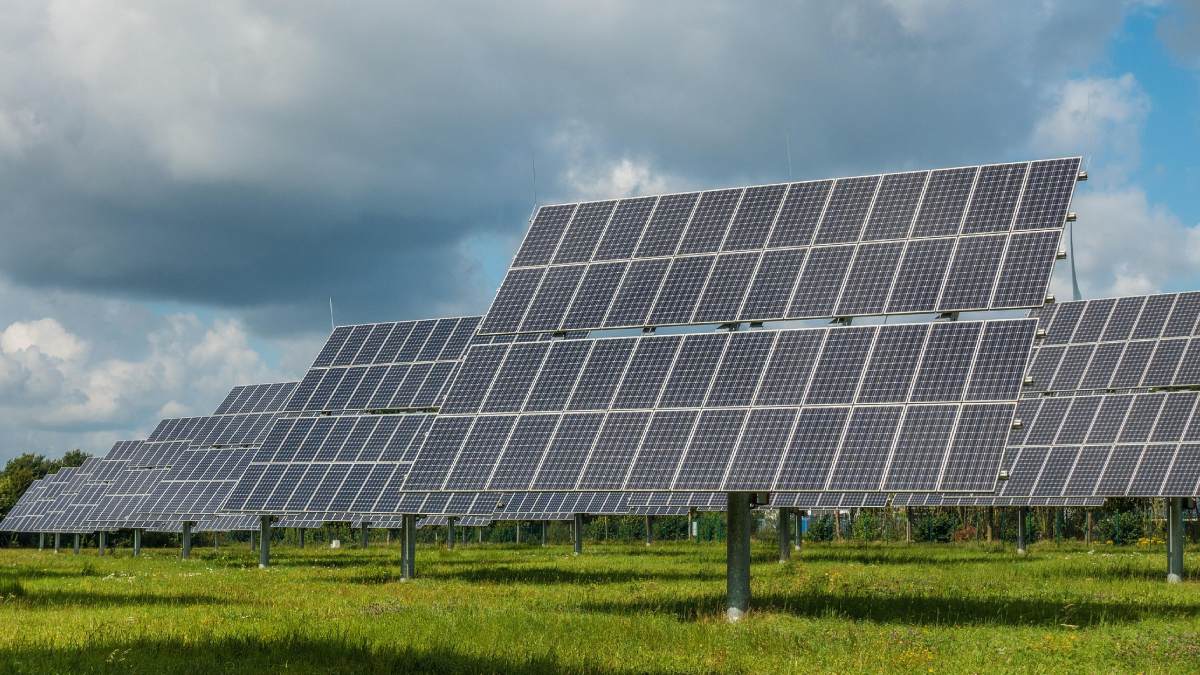
The government is considering changes to the PM Surya Ghar solar scheme.
Today, much of the support depends on how many solar panels a household installs.
The new plan may also consider how much electricity the panels produce and how well they keep working.
Batteries could store extra electricity made during the day for use later.
This could help households save money and help electricity companies manage the grid.
People living in apartments or homes without suitable roofs may get new ways to participate.
The plan may also use digital records and artificial intelligence to check equipment and find problems.
Officials are still preparing the details and will hold consultations before making final decisions.

The government may link rooftop-solar assistance to electricity generation, system performance, storage and grid services.
A proposed framework could introduce generation guarantees, virtual metering, AI-based inspections and income-based support.
The Ministry of New and Renewable Energy expects a policy paper in 10–15 days and consultations roughly 20 days later.
Battery storage is being considered for homes, distribution networks and utility-scale systems to manage excess daytime solar.
The scheme may expand to apartments and unsuitable rooftops through group metering, balcony solar, facade systems and community plants.
- Who
- The Ministry of New and Renewable Energy and other government and power-sector stakeholders are considering the changes.
- What
- A possible overhaul of the PM Surya Ghar: Muft Bijli Yojana could link support to solar generation, asset performance, storage and grid services.
- Where
- The proposals concern residential rooftop-solar systems across India, including homes, apartments, distribution networks and community plants.
- When
- A consolidated policy paper is expected within 10–15 days, followed by focused consultations in about 20 days, according to the report.
- Why
- The government wants to improve long-term solar performance, manage grid impacts, expand access and gradually create a self-sustaining market.
Key facts
- Existing support
- Central financial assistance is currently provided for residential rooftop-solar installations, with subsidies linked largely to installed capacity.
- Potential assistance model
- One component could support upfront capital costs, while another could depend on generation, operations and maintenance, storage or services over the asset’s life.
- Payback period
- Consumer adoption could remain strong with a five- to six-year payback period but may weaken when it exceeds seven years.
- Storage options
- The government is examining behind-the-meter household batteries and systems deployed downstream in distribution networks.
- Access expansion
- Virtual and group net metering, balcony solar, facade-mounted systems and building-integrated photovoltaics may help households without suitable roofs.
- Quality controls
- Proposals include generation guarantees, mandatory service periods, insurance and a digital solar passport recording output, service history and warranty status.
- Data standards
- The Ministry of New and Renewable Energy plans a common data protocol covering more than 100 inverter and equipment manufacturers.
Quotes
Senior MNRE official
A senior official in the Ministry of New and Renewable Energy
“India’s rooftop solar story is entering a new phase. The question is no longer how many panels we install, but how effectively we use the energy they generate. Storage is the missing link that can align consumer savings with grid requirements and make distributed solar more valuable for the entire electricity system”
 financialexpress.com
“The next phase should not be limited to continuation of the existing subsidy structure”
financialexpress.com
Sources
Related news

Delhi Revises Solar Policy With Free Rooftop Systems

Tata Power Launches Bihar Solar Initiative for Five Lakh Homes

Andhra Pradesh among top four in PM Surya Ghar scheme

India's Renewable Surge Tests Power Grid Management and Innovation
Delhi Approves Free Rooftop Solar Panels for 2.3 Lakh Homes

India’s Non-Fossil Capacity Crosses 300 GW as Centre Pushes Transition

Karnataka Accelerates Rooftop Solar Projects for Government Buildings

Economy Quiz Covers Solar Projects, Forex Deposits And PPPs
Rajasthan Targets 125 GW Renewable Capacity by 2030
