

2 hrs ago
UPSC Key: India-US Ties, Green Energy, Climate and Iraq
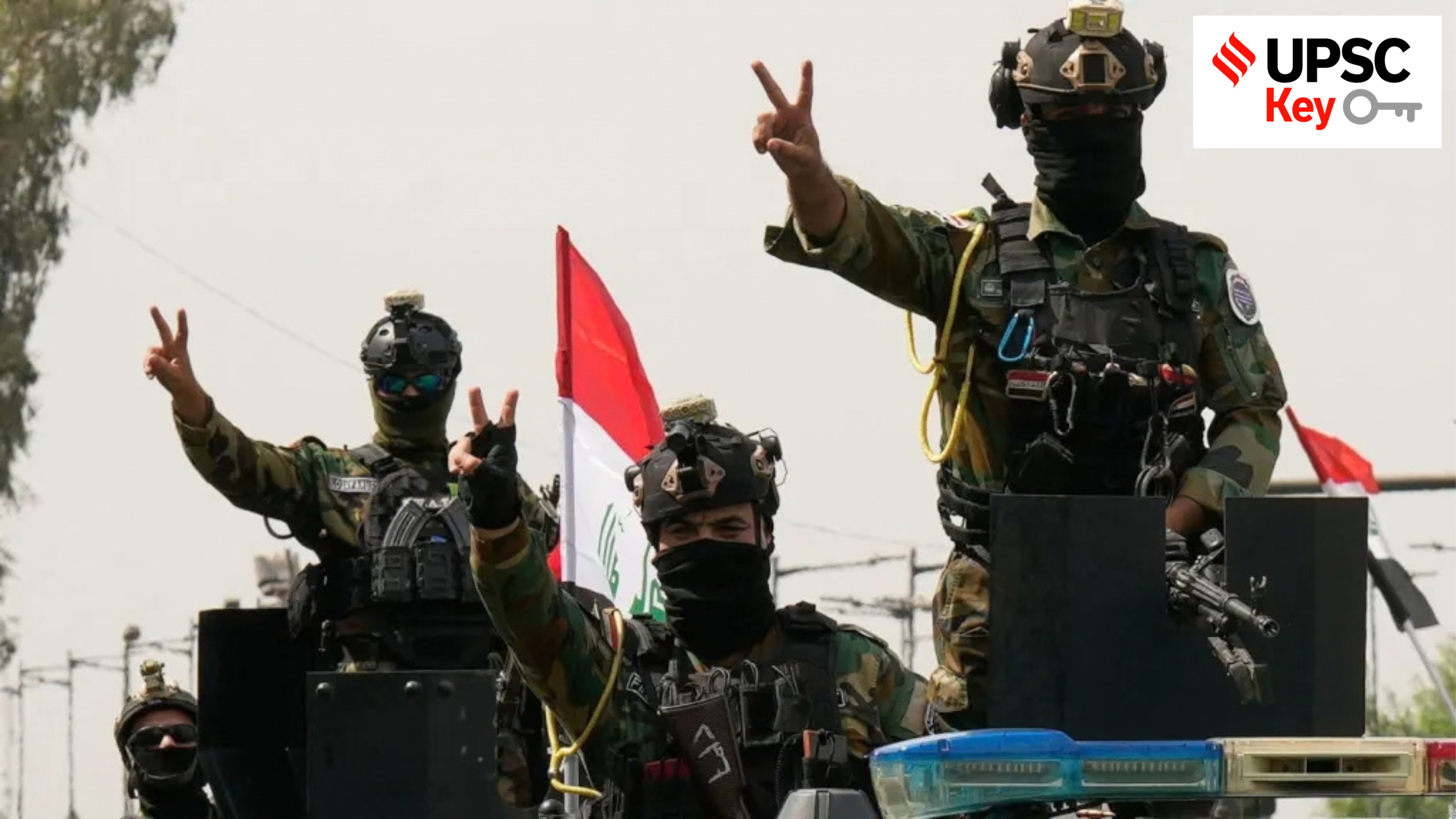
This UPSC current-affairs roundup covers several important national and international issues.
India and the United States discussed trade, defence, energy and technology while tensions remain over possible tariffs on countries buying Russian oil.
India also approved a large plan to move renewable electricity through better transmission lines and batteries.
The country experienced a very dry monsoon, partly linked in the article to El Niño and other weather systems.
Rising seas are threatening island countries, and the United Nations said those countries should retain their statehood and maritime rights.
India must also prepare its coastal infrastructure because parts of its coastline are eroding.
A court said casteist insults posted online can come under the SC/ST law when they are visible to the public.
US Treasury yields reached a roughly 25-year high, which can make borrowing more expensive worldwide.
The United States has withdrawn its troops from Iraq after years of operations against the Islamic State, but concerns remain about a possible security gap.

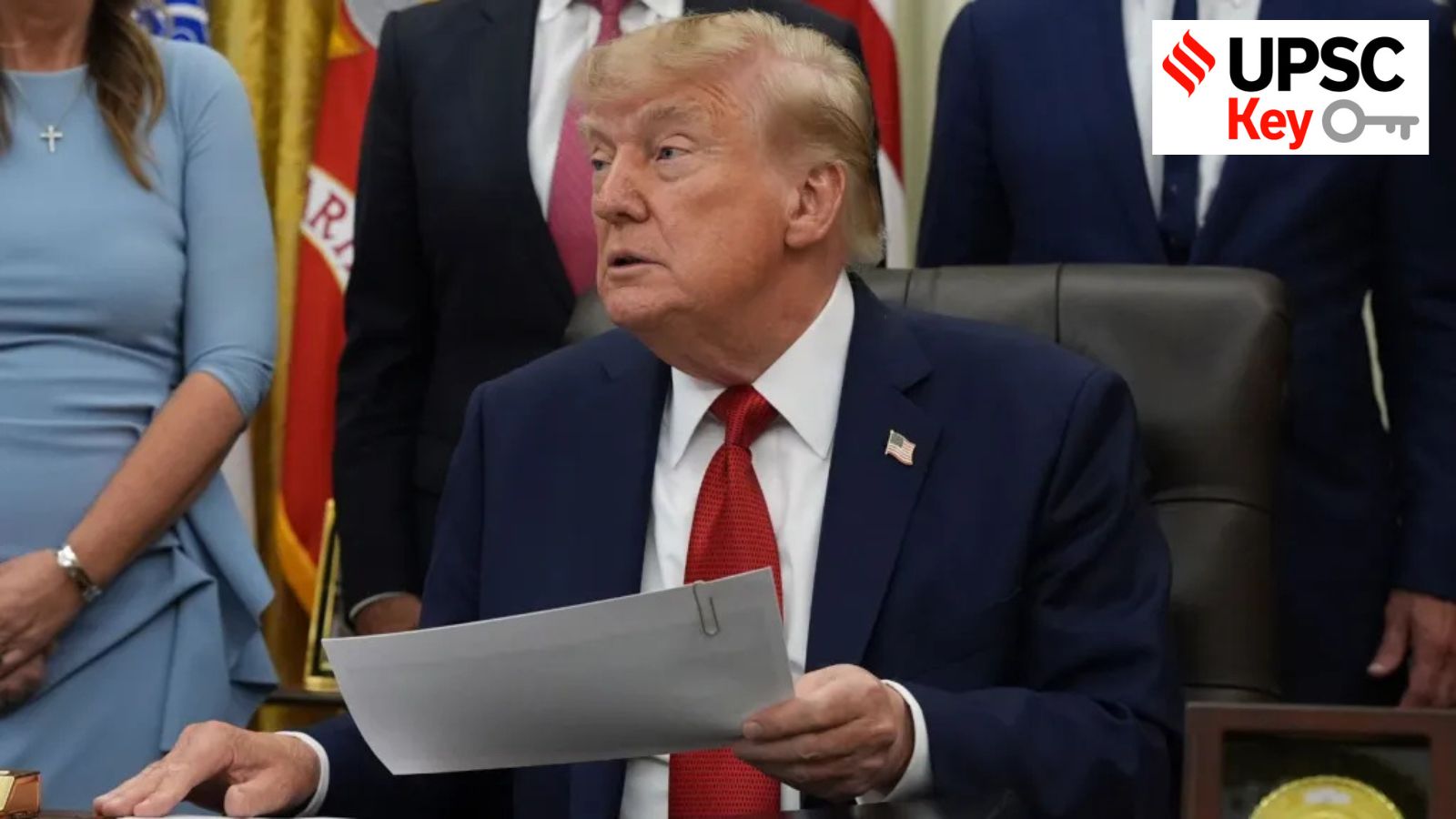
Narendra Modi and Donald Trump reviewed India-US cooperation amid possible US tariffs on buyers of Russian energy.
The Cabinet approved Green Energy Corridor Phase-III with ₹1,86,405 crore for transmission and 50 GWh of battery storage.
India’s monsoon ended with rainfall 13% below its long-period average, making it the driest in 11 years.
The UN General Assembly backed continued statehood and maritime rights for countries threatened by rising seas, while India faces significant coastal erosion.
The United States ended its military mission in Iraq, although it will continue targeted training and intelligence support.
- Who
- The key actors are the governments of India, the United States and Iraq; the United Nations; Indian courts; and Indian agencies including the Cabinet and the India Meteorological Department.
- What
- The roundup covers India-US relations, renewable-energy infrastructure, deficient monsoon rainfall, sea-level rise, online casteist abuse, financial-market yields, foreign investment and the US military withdrawal from Iraq.
- Where
- The events concern India, the United States, Iraq, the Kurdish region of northern Iraq, vulnerable island countries and global financial and diplomatic institutions.
- When
- The developments were reported on September 30, 2026, with some data and policy decisions covering earlier years and future targets.
- Why
- The issues involve trade and energy security, renewable-power transmission, climate and weather risks, caste-law interpretation, investment conditions, borrowing costs and regional security.
Arguments and concerns
Government and institutional positions
India-US tariffs and strategic ties
Arguments and concerns
Tariffs on countries buying Russian energy could raise India’s energy costs and complicate its trade negotiations with the United States. India’s dependence on imported crude oil makes the issue particularly sensitive.
Government and institutional positions
India and the United States continue to describe their relationship as a Comprehensive Global Strategic Partnership and agreed to maintain engagement on trade, defence, energy and critical technologies.
Renewable expansion versus transmission constraints
Arguments and concerns
Transmission delays have forced curtailment of renewable electricity, causing revenue losses for developers and raising concerns about the financial viability of projects.
Government and institutional positions
The government says Green Energy Corridor Phase-III, central financial support and 50 GWh of battery storage will address intermittency, congestion and peak-hour curtailment while controlling power costs.
Online casteist abuse and public view
Arguments and concerns
The Supreme Court has said that not every caste-related remark is an offence and that prosecutors must establish intentional caste-based humiliation and the statutory requirement of public view.
Government and institutional positions
The Calcutta High Court held that public view is not limited to physical places, meaning casteist slurs on social media may attract the SC/ST (Prevention of Atrocities) Act when the legal requirements are met.
US withdrawal and Iraqi security
Arguments and concerns
Iran-backed groups welcomed the withdrawal, while some Iraqis and Kurdish authorities fear a security gap could strengthen militias or allow Islamic State elements to regroup.
Government and institutional positions
The Pentagon described the departure as orderly and said the United States would continue targeted training and intelligence support after the military mission ended.
Key facts
- India-US conversation
- Narendra Modi and Donald Trump reviewed trade, defence, energy, critical technologies and regional and international issues.
- Russian-energy tariffs
- The Lindsey O. Graham Sanctioning Russia and Iran Act of 2026 authorises tariffs of up to 100% on countries buying Russian oil and gas.
- Green Energy Corridor Phase-III
- The scheme has a total outlay of ₹1,86,405 crore, targets completion by FY33 and aims to evacuate up to 135 GW of renewable energy.
- Battery storage
- The scheme allocates ₹50,000 crore for 50 GWh of Battery Energy Storage Systems.
- Monsoon rainfall
- India received 759.4 mm of rainfall against a long-period average of 868.6 mm, a 13% deficit.
- Sea-level rise
- The global rate rose from 2.1 mm annually in 1993–2002 to 4.7 mm annually in 2015–2024; the rise in 2024 was 6 mm.
- US withdrawal from Iraq
- The United States ended its military mission in Iraq on September 30, 2026, after a 12-year campaign against the Islamic State.
Quotes

Supreme Court of India
India’s apex court, cited for its interpretation of the SC/ST Act’s public-view requirement
“If the alleged offence takes place within the four corners of the wall where members of the public are not present, then it cannot be said that it has taken place at a place within public view.”
 indianexpress.com
Sources
Related news
India Faces Russia Sanctions, Monsoon Deficits and Autonomy Debates
UPSC Key: India-China Ties, Monal, EVs and Sanctions
UPSC Key: Conflicts, Devolution, Social Security and Himalayan Hazards
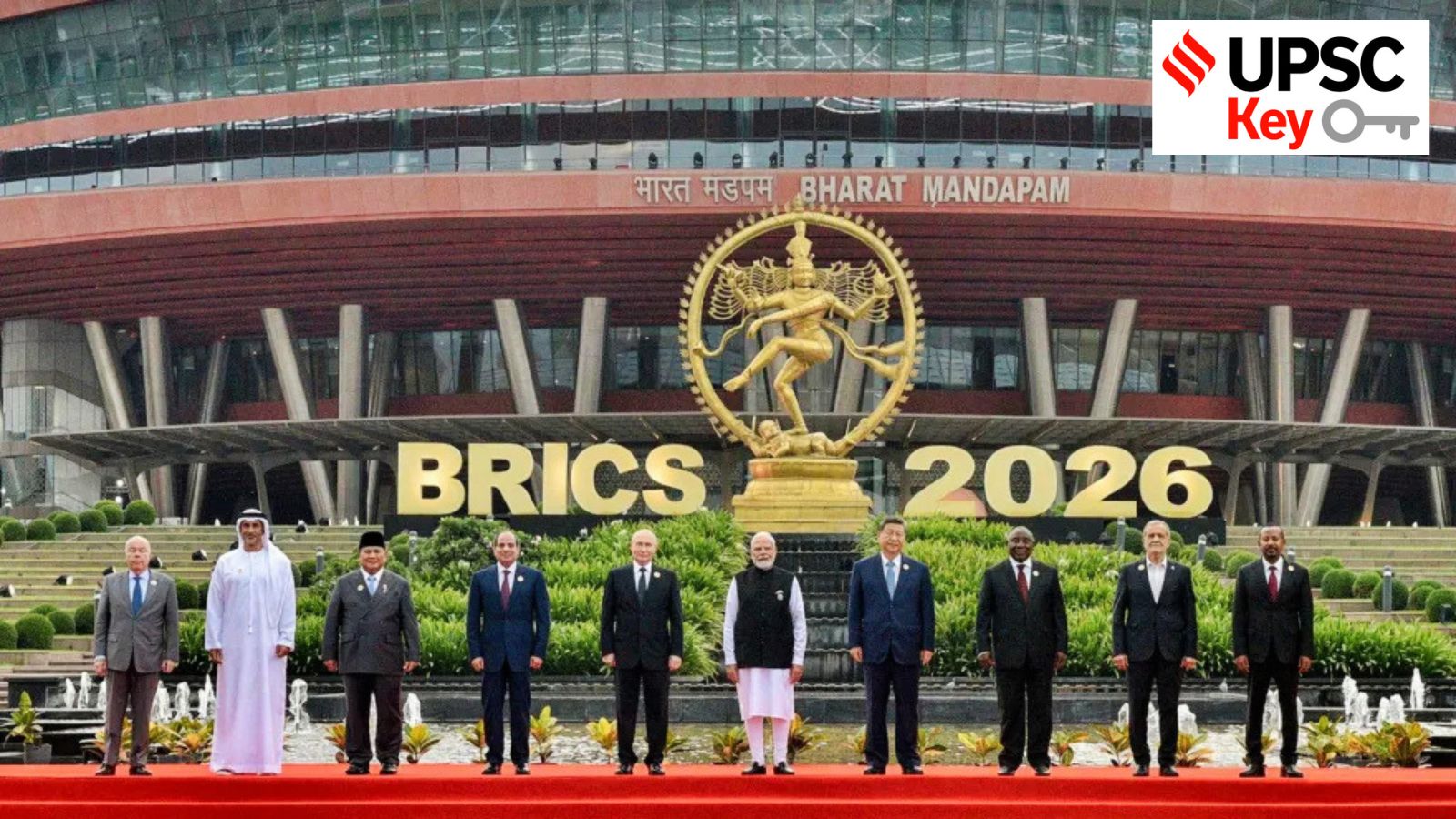
BRICS Declaration Balances Cooperation, India-China Thaw and Oil Risks
UPSC Key Covers Semiconductors, Sanctions, Glaciers and Global Economic Risks
UPSC Key Covers SCO, Electoral Rolls, Economy, Defence and Climate
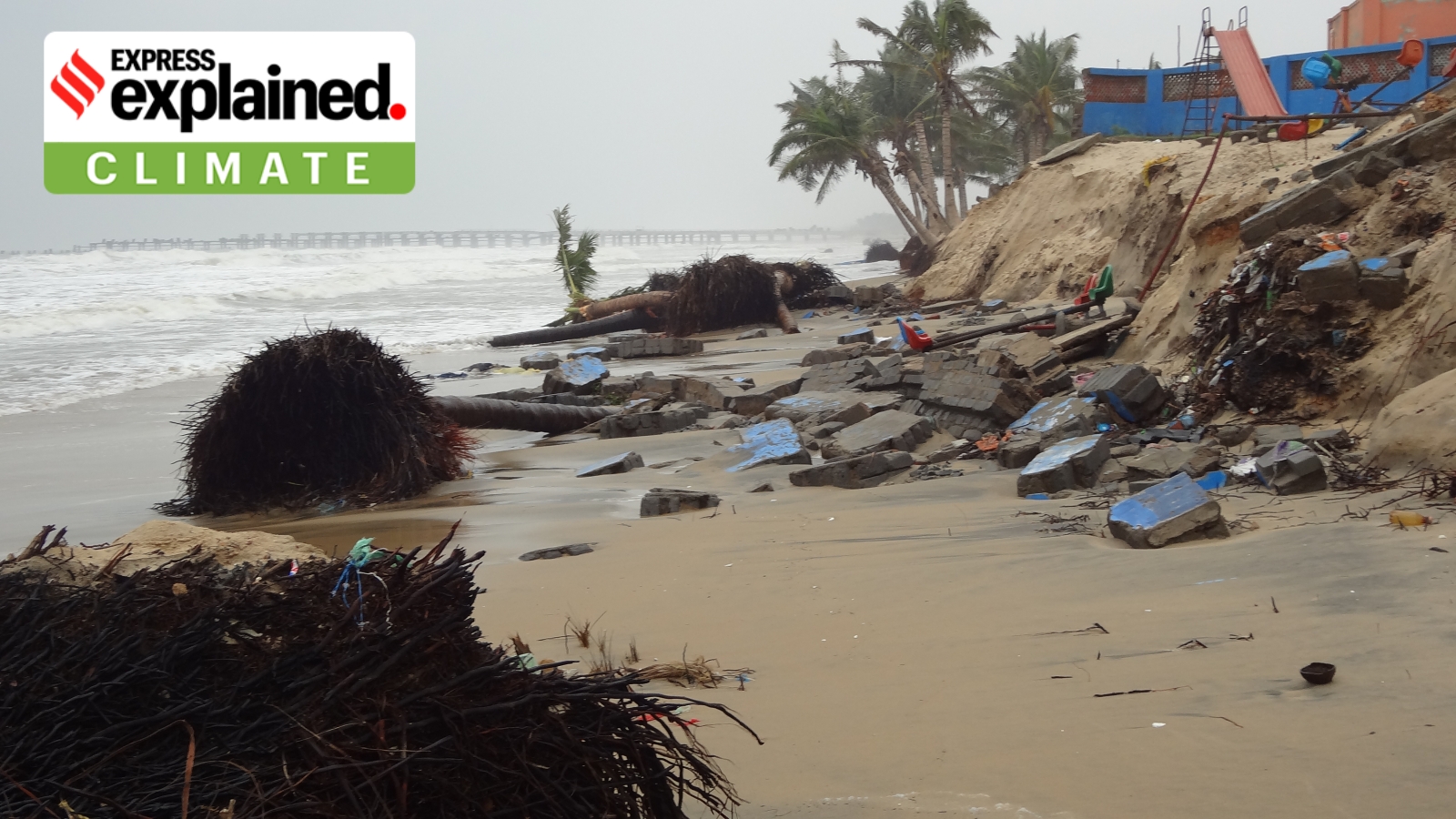
UN Sea-Level Declaration Protects States, Challenges India’s Coast

Turkey’s COP31 Agenda Links Climate Action With Development
Taiwan Foreign Minister Joins Pacific Summit Events in Palau
Lovlina Borgohain Guaranteed Medal at Commonwealth Games
