

2 hrs ago
BRICS Declaration Balances Cooperation, India-China Thaw and Oil Risks
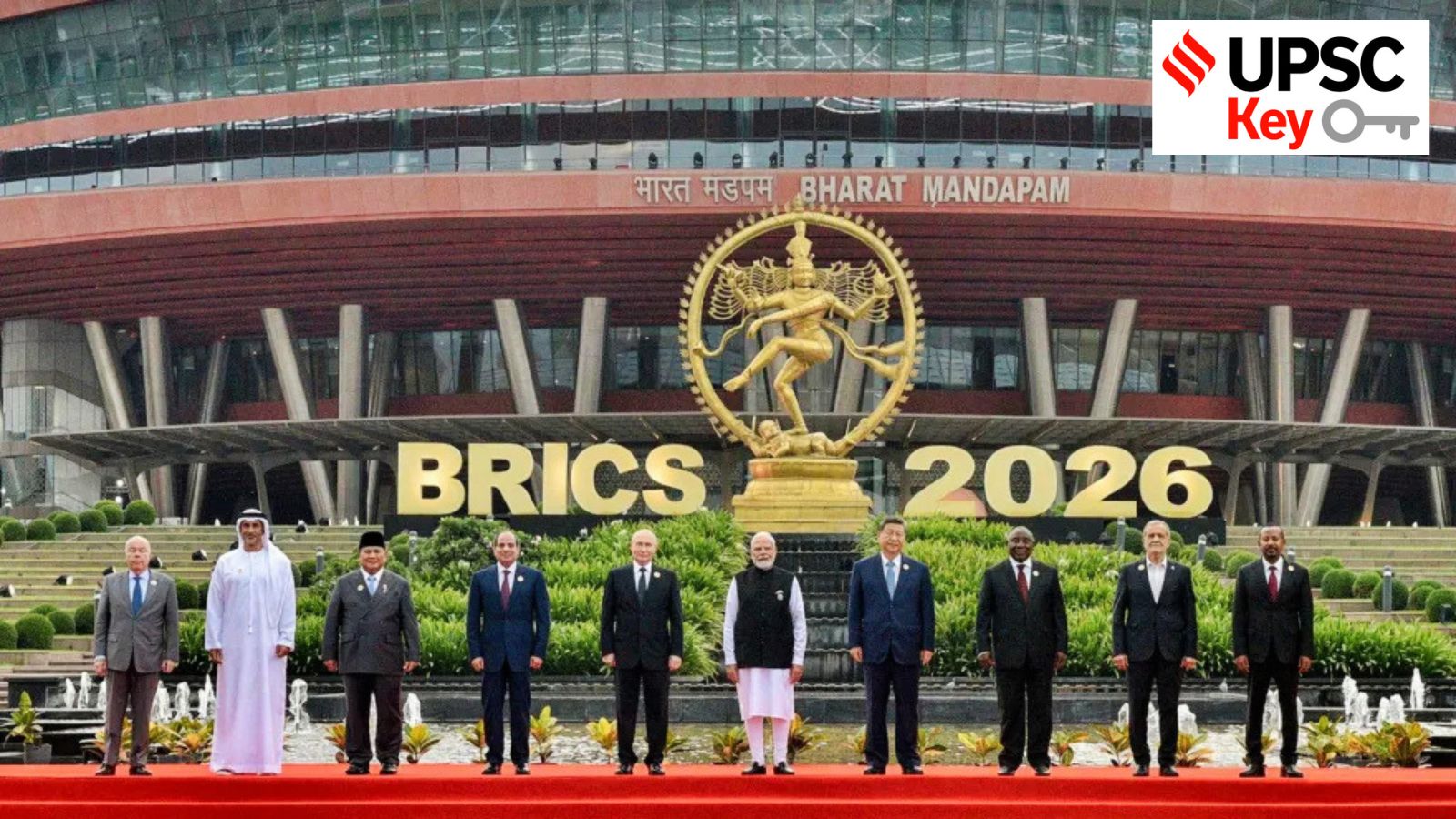
BRICS is a group of large developing countries that meet to discuss world problems and cooperation.
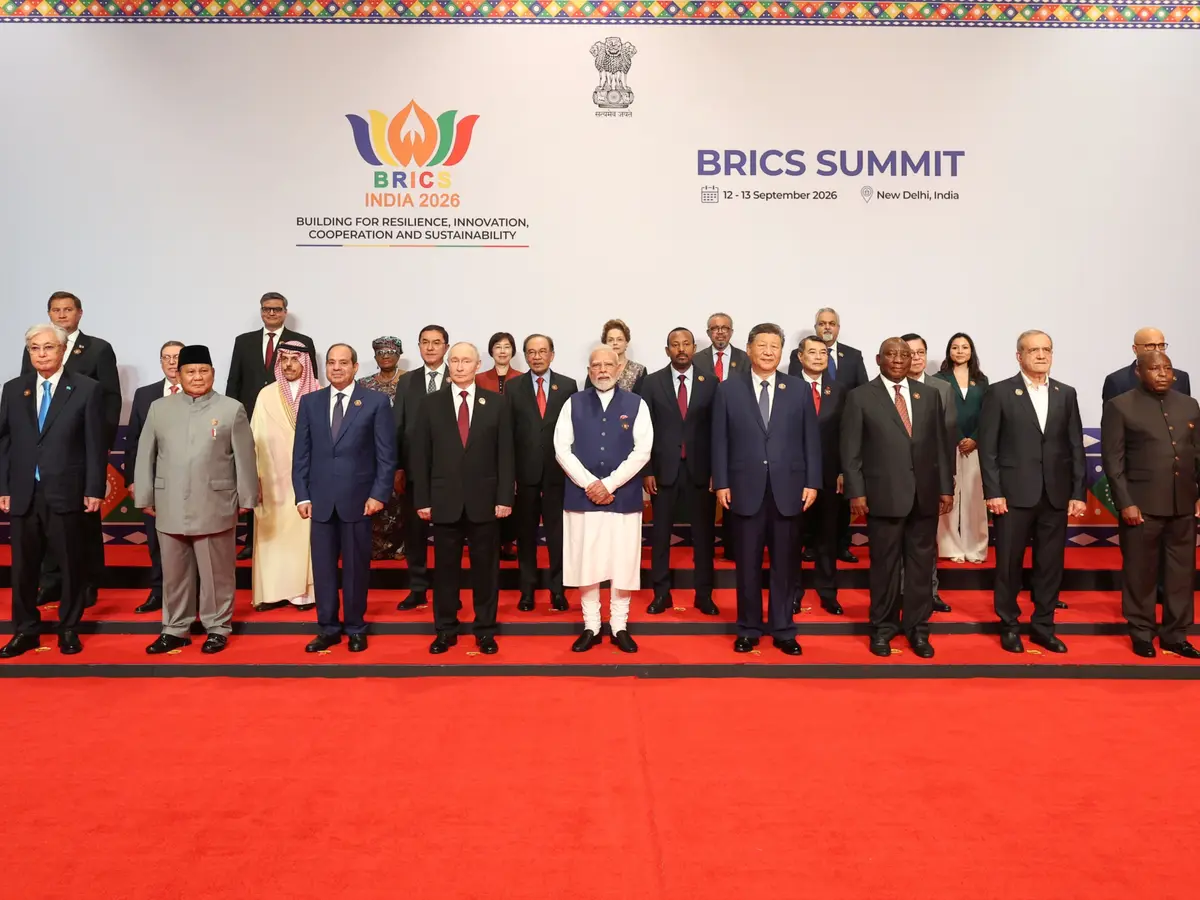
At its meeting in New Delhi, the members agreed on many subjects, including trade, health, farming, education and technology.
They criticized sanctions and tariffs but tried not to turn the group into an alliance against Western countries.
India and China also held talks and said they should solve disagreements peacefully, especially their border dispute.
However, important problems between them, including trade imbalances and security concerns, remain.
BRICS also discussed climate change and said countries should be allowed to use different energy sources according to their needs.
Saudi Arabia temporarily stopped an important oil pipeline after attacks.
This could make oil more expensive and affect India because India imports most of the oil it uses.
The summit also announced initiatives involving seafarer safety, mental health, space cooperation and agriculture.

The 18th BRICS Summit adopted a 45-page New Delhi Declaration focused on cooperation in trade, health, artificial intelligence, agriculture, education, energy and technology.
BRICS condemned terrorism, unilateral sanctions, tariffs and protectionist measures, while avoiding direct references to Donald Trump, the Ukraine war and a common BRICS currency.
Prime Minister Narendra Modi proposed a BRICS Continuity and Implementation Mechanism through the Troika and called for a roadmap on global governance reform.
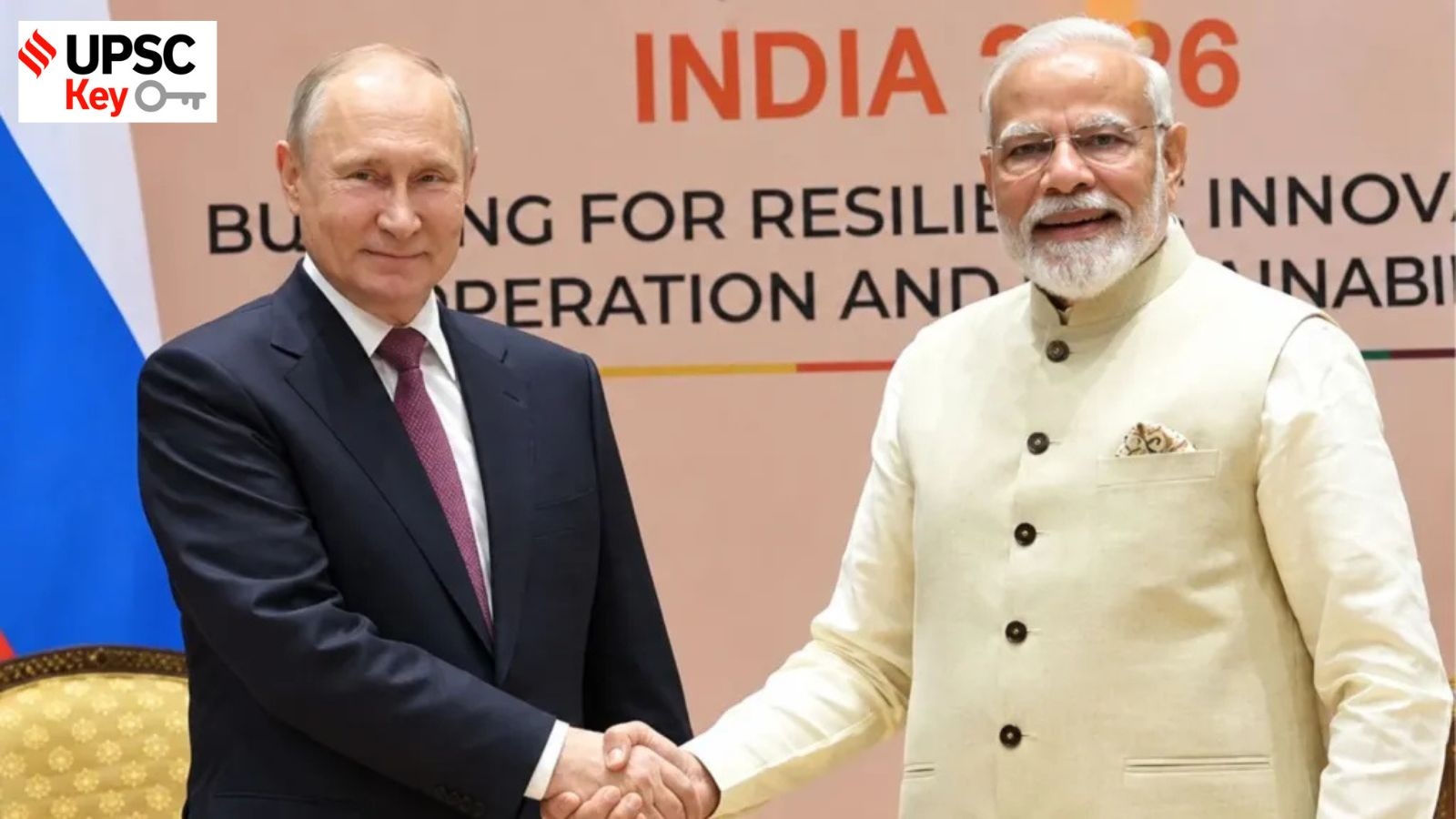
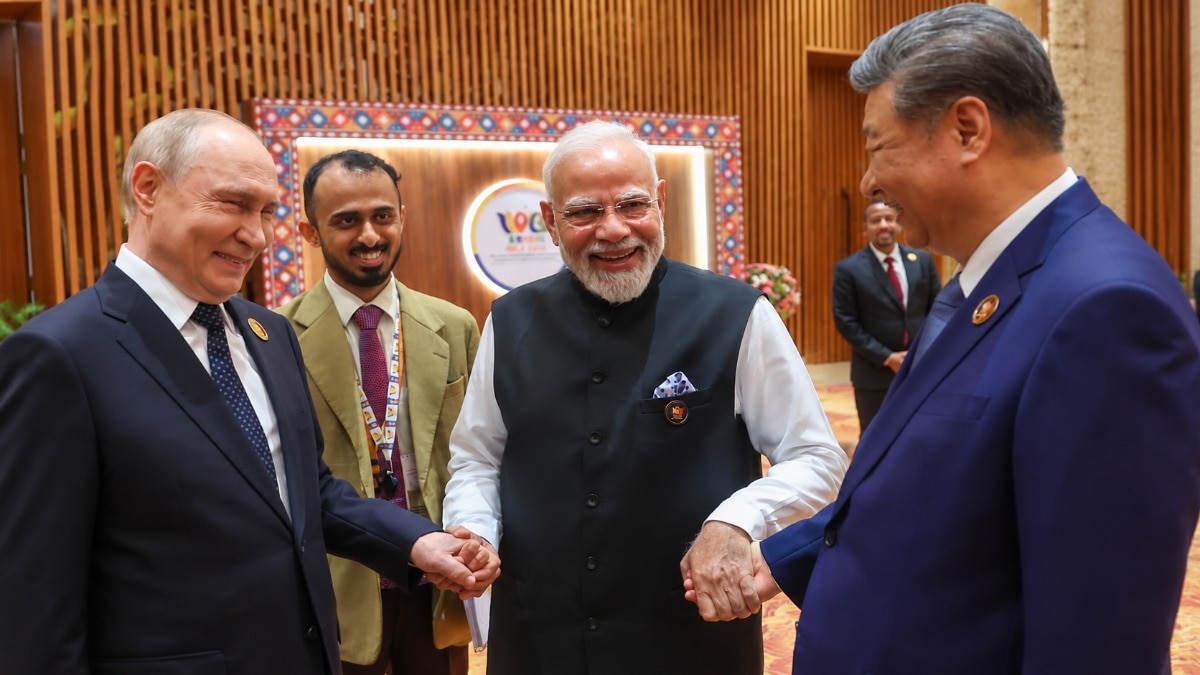
Modi and Chinese President Xi Jinping agreed that differences should not become disputes and supported dialogue on the boundary question, although trade, security and border-related concerns remain.
Saudi Arabia temporarily shut its East-West oil pipeline after attacks, raising concerns about global supplies, oil prices and India’s import-dependent economy.
- Who
- BRICS member countries, including India, China, Russia, Iran, Saudi Arabia and the United Arab Emirates; India was represented by Prime Minister Narendra Modi.
- What
- The 18th BRICS Summit adopted the New Delhi Declaration, while India-China talks addressed bilateral relations and Saudi Arabia temporarily shut its East-West oil pipeline after attacks.
- Where
- The BRICS Summit and the Modi-Xi meeting took place in New Delhi; the East-West pipeline runs across Saudi Arabia from Abqaiq to Yanbu.
- When
- The developments were reported on September 13, 2026, following the BRICS Summit held on the preceding Saturday.
- Why
- The declaration sought consensus among members with different interests, while the pipeline was suspended as a precaution after attacks on the network.
Cooperation-focused view
Strategic-concerns view
BRICS’s global role
Cooperation-focused view
The declaration’s broad agenda and consensus-based language make BRICS a practical platform for cooperation and reform of global governance.
Strategic-concerns view
Its wide-ranging document may reflect institutional weakness, and the group’s divergent interests make it difficult to act as a strong geopolitical bloc.
Approach toward Western policies
Cooperation-focused view
Condemning unilateral sanctions, tariffs and carbon border measures gives developing countries a collective voice on economic and climate-related concerns.
Strategic-concerns view
The declaration’s criticism remained largely indirect and avoided creating a unified political front against the United States or Europe.
Energy transition
Cooperation-focused view
Developing countries need technological flexibility, financial support and continued access to fossil fuels while expanding cleaner energy.
Strategic-concerns view
Recognizing fossil fuels as important could slow decarbonization, while opposition to the European Union’s carbon border mechanism may be viewed as resistance to climate-linked trade rules.
Key facts
- BRICS membership
- The grouping has 11 members: Brazil, China, Egypt, Ethiopia, India, Indonesia, Iran, Russia, Saudi Arabia, South Africa and the United Arab Emirates.
- BRICS evolution
- BRIC began in 2006; the first leaders’ summit was held in 2009, South Africa joined in 2010, five countries joined in 2024 and Indonesia became a full member in January 2025.
- New Delhi Declaration
- The 45-page declaration contained about 140 paragraphs and addressed trade, health, artificial intelligence, tourism, agriculture, energy, education and other areas.
- India-China meeting
- Narendra Modi and Xi Jinping called for differences not to become disputes and supported a fair, reasonable and mutually acceptable resolution of the boundary question.
- Energy position
- BRICS supported just, orderly and inclusive energy transitions while recognizing roles for renewable energy, fossil fuels, nuclear power, hydropower, hydrogen and other technologies.
- East-West pipeline
- The approximately 1,200-kilometre pipeline connects Abqaiq in eastern Saudi Arabia with Yanbu on the Red Sea and is operated by Saudi Aramco.
- India’s oil dependence
- India imports more than 88% of its crude oil requirements; Saudi oil accounted for about 7–8% of India’s total oil imports in the preceding couple of months.
Quotes

Narendra Modi
Prime Minister of India speaking at the BRICS Summit
“The BRICS chairship rotates annually, but this should not halt our institutional momentum. I propose a ‘BRICS Continuity and Implementation Mechanism.’”
 indianexpress.com
“China and India are partners rather than rivals, and development opportunities rather than threats to each other.”
indianexpress.com
Sources
Related news
BRICS Summit Tests India’s Balancing Act Amid Global Turmoil

BRICS Summit Delivers Declaration and Modi-Xi Confidence-Building Meeting
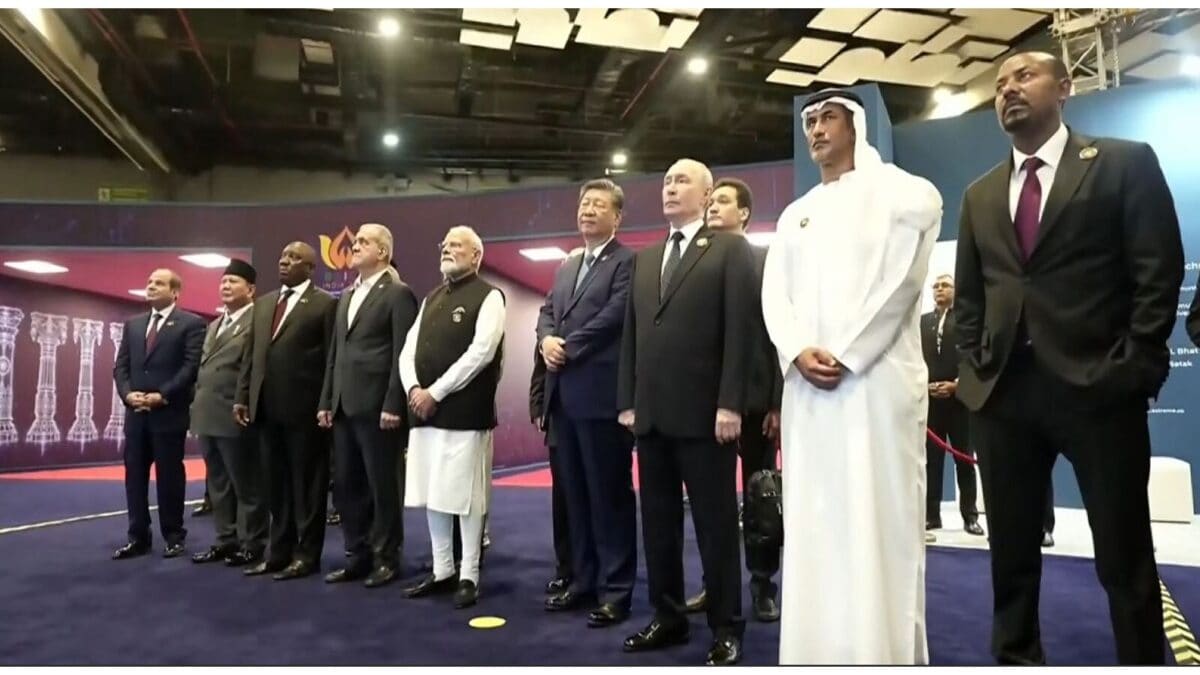
India Secures Unanimous BRICS Declaration After Overnight Diplomacy

BRICS Adopts New Delhi Declaration Despite West Asia Divisions

India Secures BRICS Consensus on Trade Amid West Asia Rift
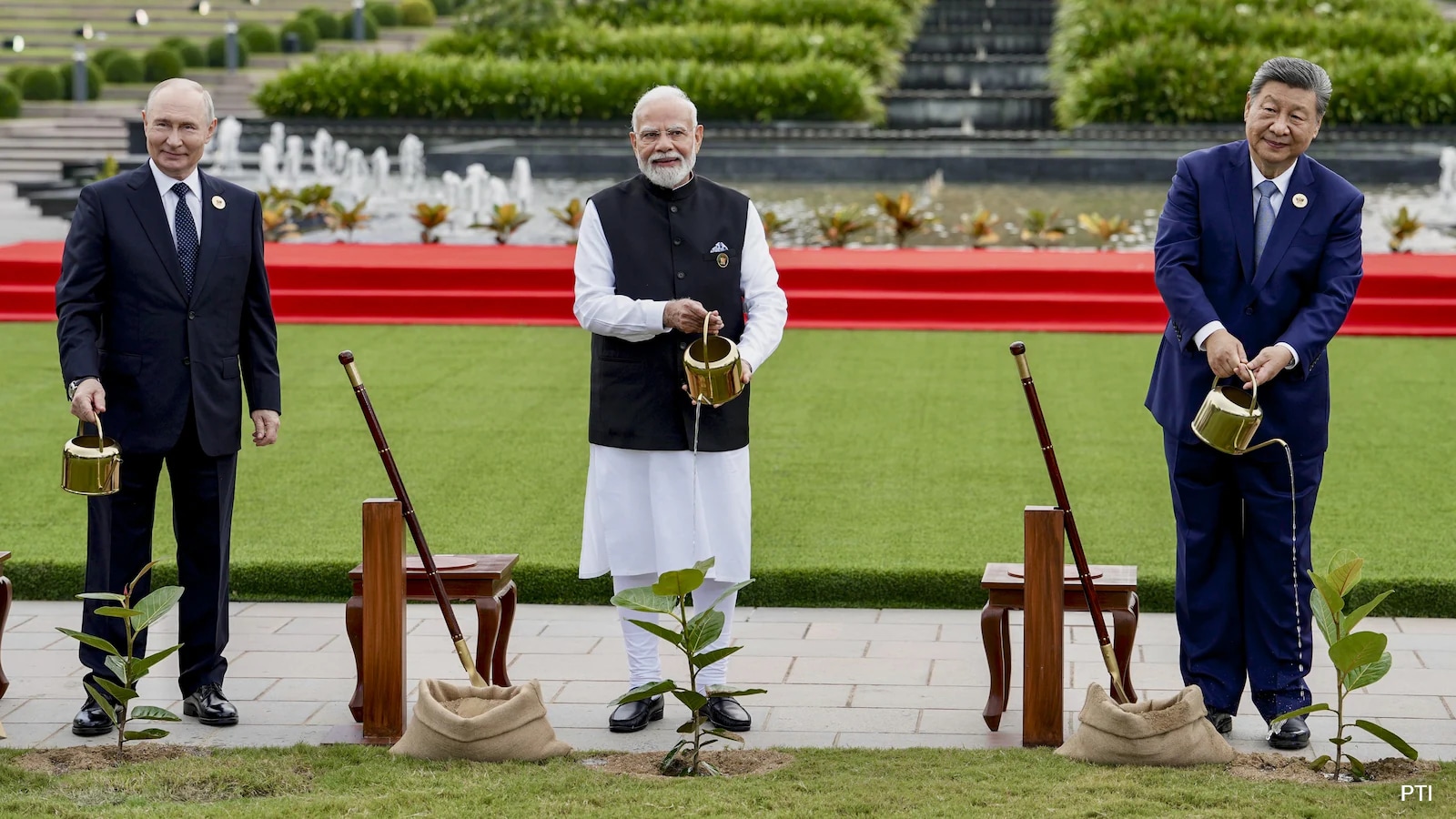
BRICS Summit Reaches Consensus Amid Global Tensions
Amit Shah Sets 2029 UCC Target for 21 States

BRICS Summit Vegetarian Menu Sparks Congress-BJP Food Row
Modi Holds Bilateral Talks With Leaders at BRICS Summit
Modi, El-Sisi Discuss India-Egypt Ties at BRICS Summit
Sidharth Babu’s Journey From Engineer to Indian Diplomat
