

3 weeks ago
Ancient poop may have driven Earth's Cambrian explosion, study says
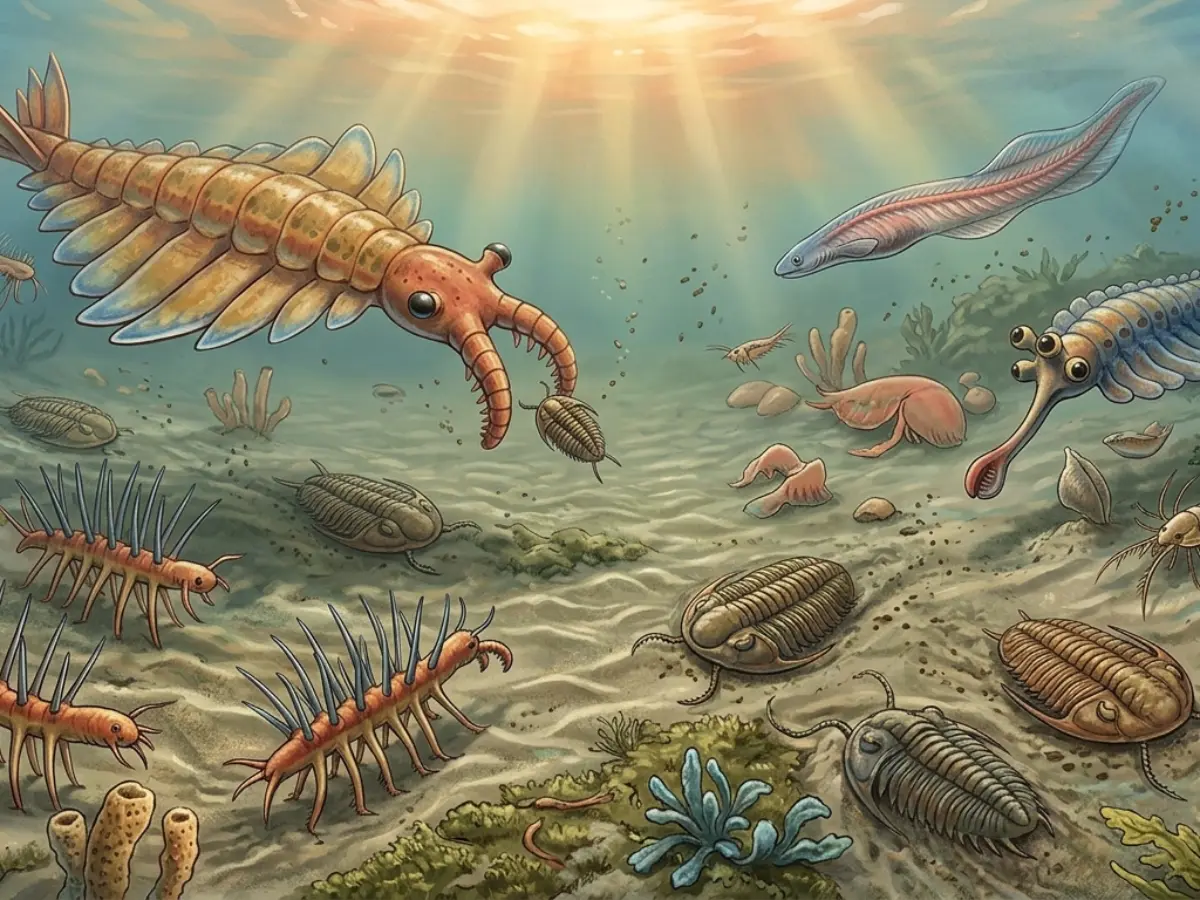
A long, long time ago, about 540 million years, Earth experienced something called the Cambrian explosion.
During this time, lots of new kinds of animals suddenly appeared.
A new study says the answer to why this happened might be poop!
Animals that lived in the ocean went to the bathroom, and their waste sank into the water.
That poop carried tiny food pieces and nutrients all around the ocean.
The nutrients helped more animals live and grow.
Then those animals made more poop, which helped even more animals.
Scientists call this a feedback loop.
They found fossilised poop, called coprolites, that helps prove this idea.
So ancient poop may have helped life explode on Earth!

A new study in Trends in Ecology & Evolution suggests ancient faecal matter helped trigger the Cambrian explosion around 540 million years ago.
Accumulated poop distributed organic material and nutrients throughout the ocean, creating the right conditions for life to evolve.
Fossilised faeces, known as coprolites, are linked to the emergence of animals with complex digestive systems.
The Cambrian period, from about 539 million to 485 million years ago, saw almost all major animal groups emerge.
Co-author Julien Kimming notes there is no evidence of complex digestive systems before the Cambrian, with more diverse coprolites appearing over time.
- Who
- Study co-authors Russell Bicknell and Julien Kimming, a palaeontologist at the Karlsruhe Institute of Technology in Germany
- What
- A study proposes that accumulated faecal matter distributed nutrients through the ocean and helped trigger the Cambrian explosion of life
- Where
- In Earth's ancient oceans; the research was published in the journal Trends in Ecology & Evolution
- When
- Around 540 million years ago, during the Cambrian period (approximately 539 to 485 million years ago)
- Why
- Poop acted as a nutrient delivery system, creating conditions for life to emerge and evolve, and later fueled complex digestive systems
Key facts
- Study published in
- Trends in Ecology & Evolution
- Cambrian period
- Approximately 539 to 485 million years ago
- Fossilised faeces known as
- Coprolites
- Study co-authors
- Russell Bicknell and Julien Kimming (Karlsruhe Institute of Technology, Germany)
- Central claim
- Faecal matter distributed organic material and nutrients throughout the ocean, enabling life to boom
- Ecological effect
- Feedback loop: more poop added more nutrients, supporting more animals, which produced more poop
- Previous research focus
- Oxygen levels, food webs, and biogeochemical cycles
Quotes
Co-authors Julien Kimming and Russell Bicknell
Palaeontologists studying Cambrian fossilised faeces
“As we move forwards in time, more diverse coprolites appear. Associated with this shift, there was an increase in very well-preserved fossils with complex digestive systems, particularly among early arthropods.”
 wionews.com
Sources
Related news
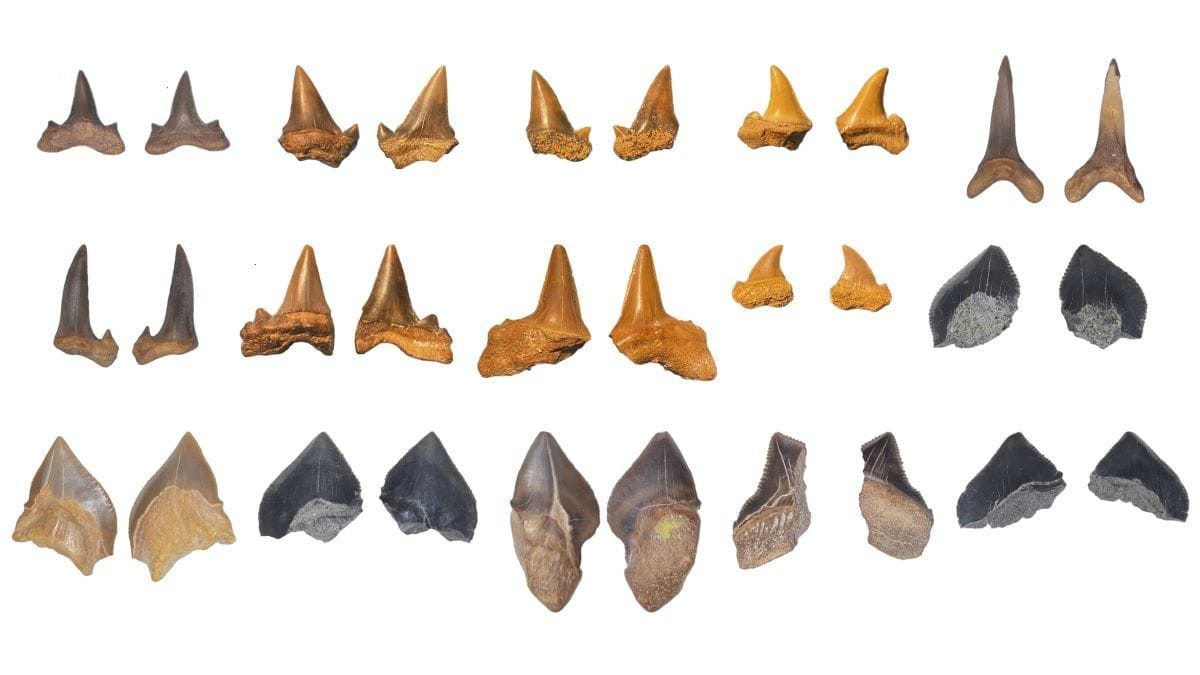
Egyptian Shark Graveyard Reveals Ancient Cretaceous Marine Ecosystem
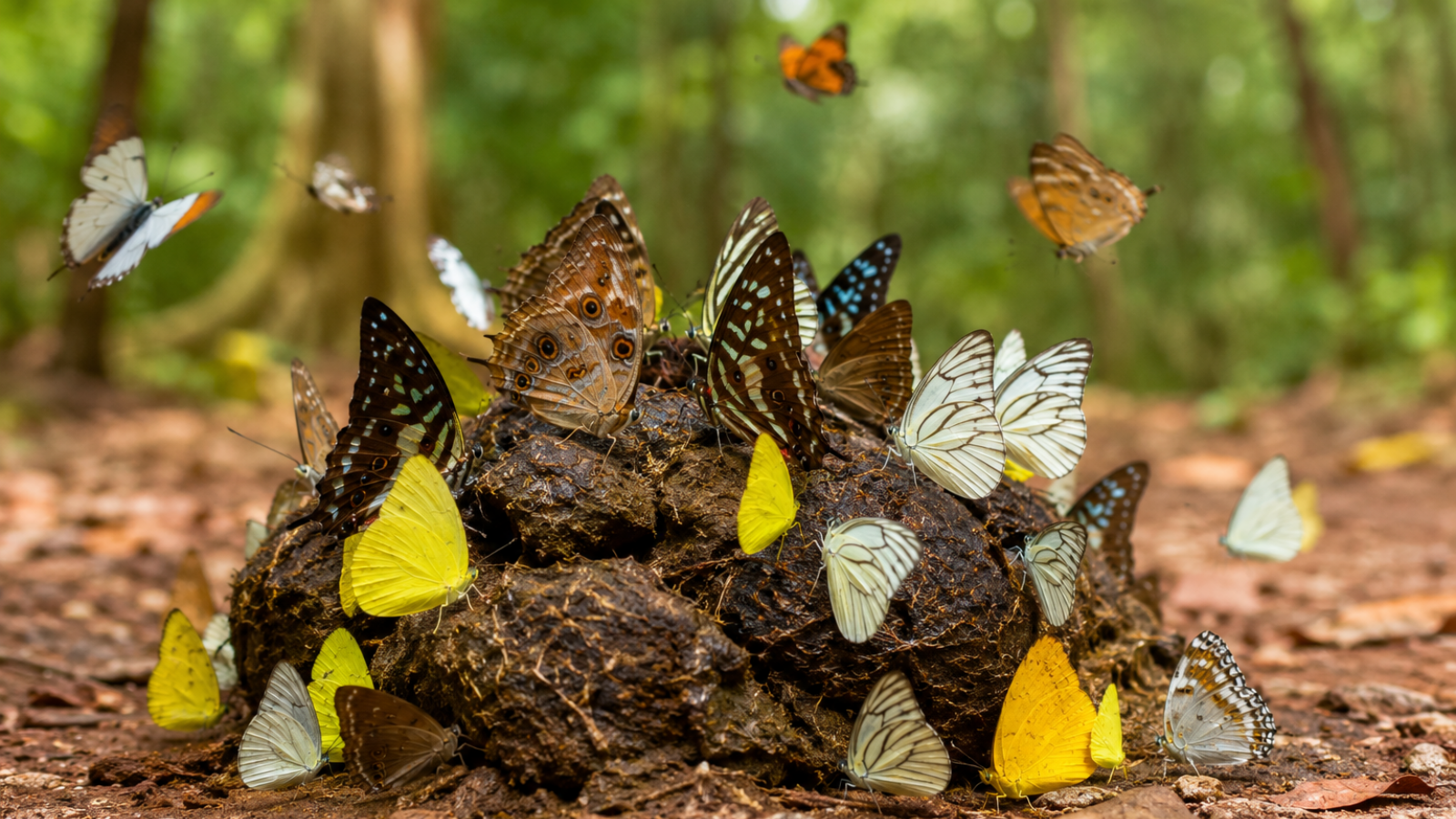
Why Butterflies Visit Cow Dung: The Science of Puddling

Swiss Underwear Experiment Maps Soil Health Across Landscapes
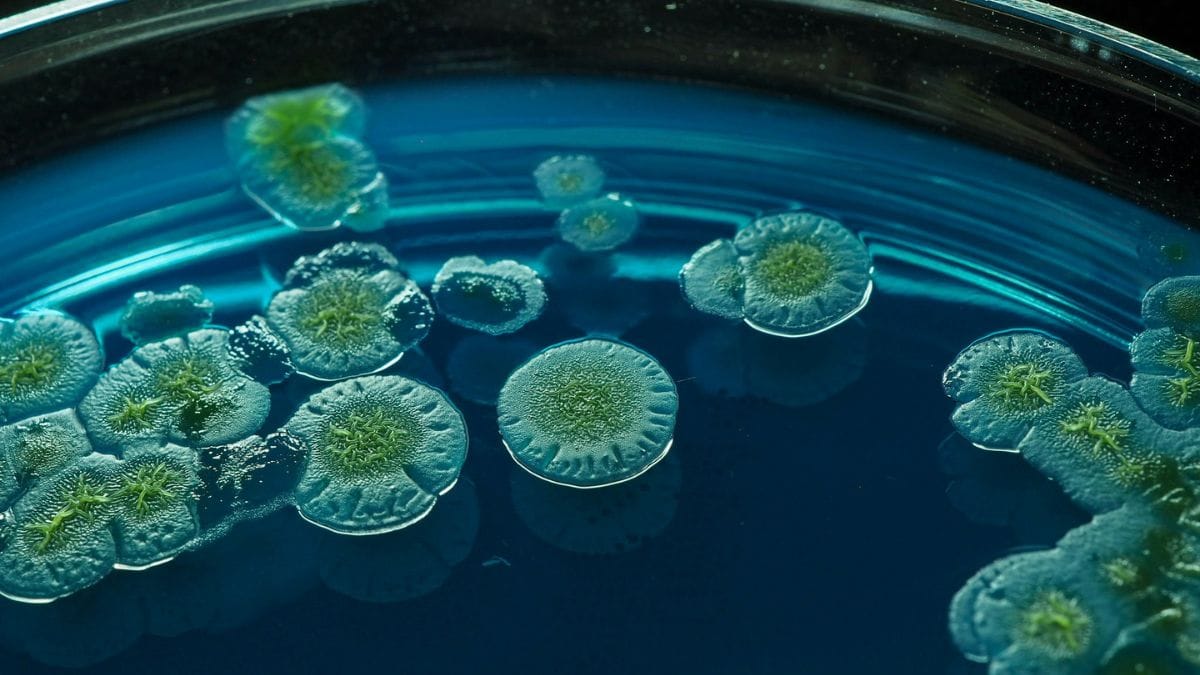
Study Suggests Bacteria and Archaea Took Two Paths to Life

Indian Geologists Link Jharkhand Rocks to 3.5-Billion-Year-Old Life

Uttar Pradesh MSMEs Gain Gateway To German, European Markets

Germany Blames Russia for Leipzig Drone Attack, Europe Vows Response

EU Backs Germany, Signals Russia Sanctions After Leipzig Drone Attack

Ikea cuts European prices as cost pressures weaken demand

Europe's Bond Selloff Deepens as Middle East Tensions Lift Oil
