3 hrs ago
EU Backs Germany, Signals Russia Sanctions After Leipzig Drone Attack
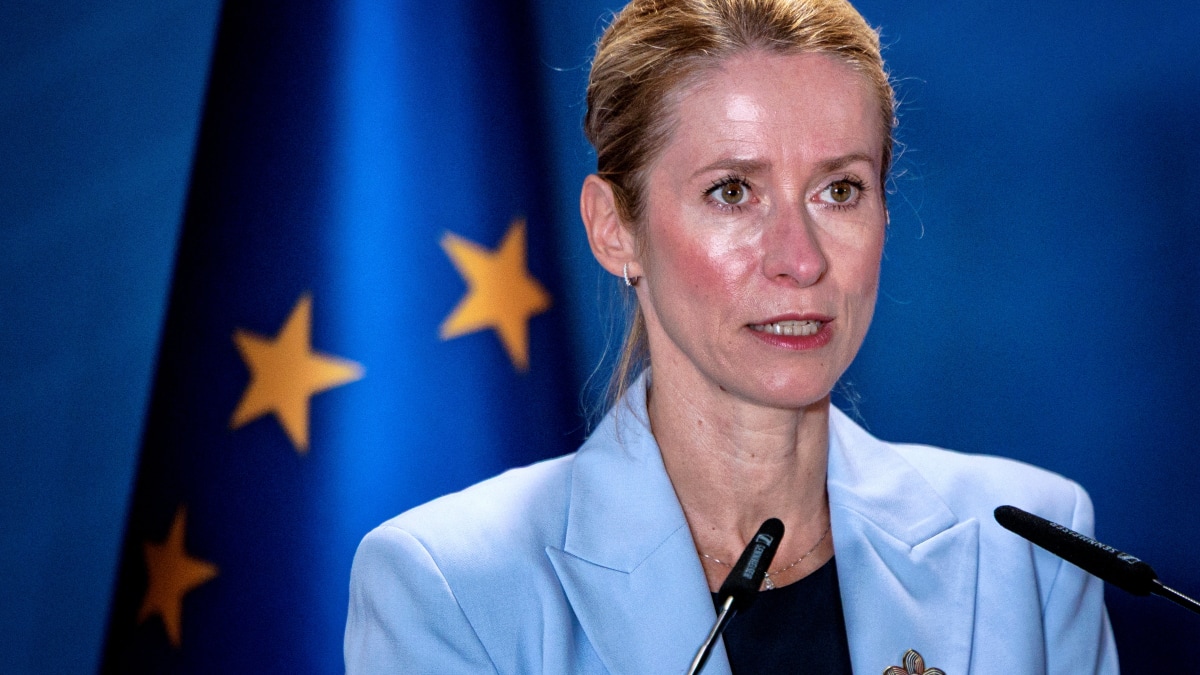
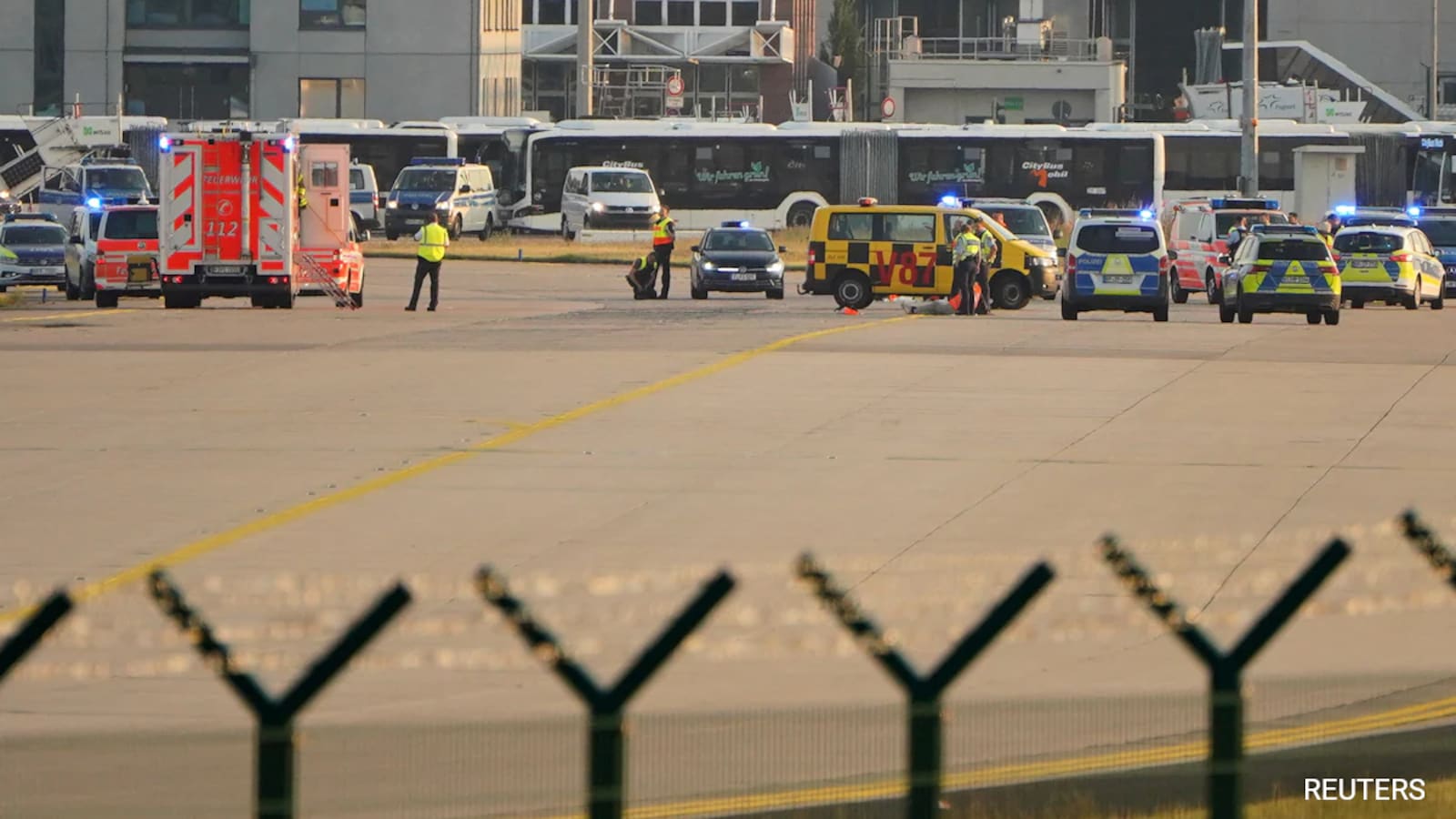
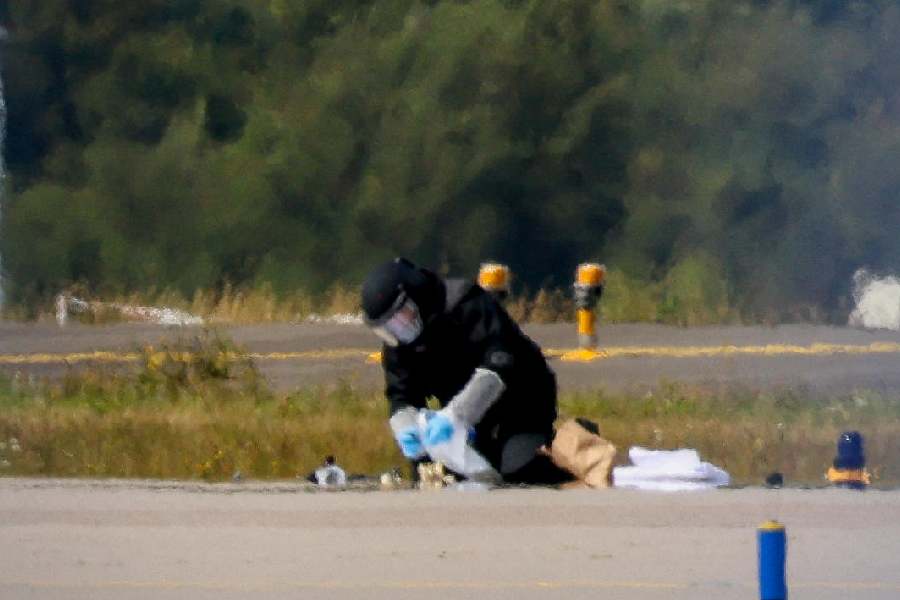
A drone carrying explosives and a detonator was found near Leipzig/Halle Airport in Germany on August 4.
The drone attack did not succeed.
Germany said Russia was behind it, but Russia denied this.
EU foreign policy chief Kaja Kallas called the incident similar to state-sponsored terrorism.
European countries said they wanted to show that such actions would not frighten them or stop support for Ukraine.
They discussed new sanctions against Russia’s military industries and possibly Russian ships accused of avoiding energy sanctions.
Germany also investigated damage at electricity facilities in two states.
Officials said the incidents might be meant to create fear and divisions before an election.
Investigators had not determined who carried out the suspected sabotage attacks.

Kaja Kallas said the thwarted August 4 drone attack near Leipzig/Halle Airport bore the hallmarks of state-sponsored terrorism.
Germany accused Russia of involvement, while Moscow denied responsibility and vowed to respond to what it called anti-Russian action.
EU governments summoned Russian embassy officials and backed possible new sanctions targeting Russia’s military-industrial complex and shadow fleet.
Germany said it would close Russia’s consulate general in Bonn and end its agreement with Berlin’s Russian House cultural centre.
Germany also investigated suspected sabotage at power facilities in North Rhine-Westphalia and Brandenburg, with no suspects identified.
- Who
- Germany, Russia, the European Union, and EU foreign policy chief Kaja Kallas are central to the report; German investigators are examining the sabotage cases.
- What
- EU governments backed Germany and discussed further sanctions against Russia after a thwarted drone attack near Leipzig/Halle Airport, while Germany investigated two suspected sabotage incidents.
- Where
- Leipzig/Halle Airport, North Rhine-Westphalia, and Brandenburg in Germany; EU ministers met in Wicklow, Ireland.
- When
- The drone incident occurred on August 4; the EU response was reported on Wednesday, September 2, and the sabotage cases occurred within 24 hours before the report.
- Why
- German and EU officials said the incidents could be part of hybrid warfare intended to intimidate the public, create divisions, and weaken support for Ukraine; Russia denied involvement.
EU and German Officials’ Position
Russia’s Position
Responsibility for the drone attack
EU and German Officials’ Position
Germany accused Moscow of involvement, and Kaja Kallas said the attack had the hallmarks of state-sponsored terrorism.
Russia’s Position
Russia denied involvement in the attempted drone attack.
Purpose of the incidents
EU and German Officials’ Position
EU and German officials said the activities could be part of a Russian effort to destabilise Europe, intimidate citizens, create divisions, and weaken support for Ukraine. German officials also said foreign powers or left-wing extremists could be responsible for the power sabotage, but investigations were at an early stage.
Russia’s Position
Russia rejected the accusations; its foreign ministry spokesperson described the planned response as anti-Russian action.
Response to the incidents
EU and German Officials’ Position
EU members backed Germany, summoned Russian embassy officials, and discussed new sanctions. Germany also announced diplomatic and cultural measures against Russia.
Russia’s Position
Russia said it would respond to the measures taken against it.
Key facts
- Airport incident
- Workers found an explosives-laden drone and detonator near Leipzig/Halle Airport on August 4.
- EU assessment
- Kaja Kallas said the attack bore the hallmarks of state-sponsored terrorism.
- Proposed sanctions
- The EU was preparing measures targeting Russia’s military-industrial complex; France also sought action against Russia’s so-called shadow fleet.
- Russia’s position
- Russia denied involvement and said it would respond to what its foreign ministry spokesperson called anti-Russian action.
- German measures
- Germany said it would close Russia’s consulate general in Bonn and terminate its agreement with the Russian House cultural centre in Berlin.
- Power sabotage investigations
- Vandalism in North Rhine-Westphalia caused power plant units with 4,200 megawatts of combined capacity to leave the grid; conductive devices also damaged power lines in Brandenburg.
- Election context
- The incidents occurred shortly before a German state election, with the Alternative for Germany topping polls.
Quotes

Jean-Noel Barrot
French foreign minister
“It is obvious Russia does not see the political cost of its hybrid activities against us. So for them, this is the cheap way to make tensions in our society”
 theprint.in
“The Leipzig attacks have all the hallmarks of state-sponsored terrorism. We will respond with resolve.”
theprint.in

Alexander Throm
German lawmaker and interior policy expert
“The clear goal is to unsettle the public. Of course, that is a goal shared not only by Russia but also by others, such as left-wing extremists.”
theprint.in
Sources
Related news
Germany Blames Russia for Explosive Drone Attack Attempt
Germany Blames Russia for Leipzig Drone Attack, Europe Responds
Germany Accuses Russia in Leipzig Drone Attack, Orders Retaliation

German minister warns of daily hybrid warfare after drone attack
Europe Struggles to Respond as Russia Escalates Hybrid Attacks
Wildfire forces evacuation of over 2,000 in western Germany
Drones spotted over German military base days after suspected attack
Victims Sue German Bank After Ocean's Eleven-Style Heist