1 week ago
Egyptian Shark Graveyard Reveals Ancient Cretaceous Marine Ecosystem
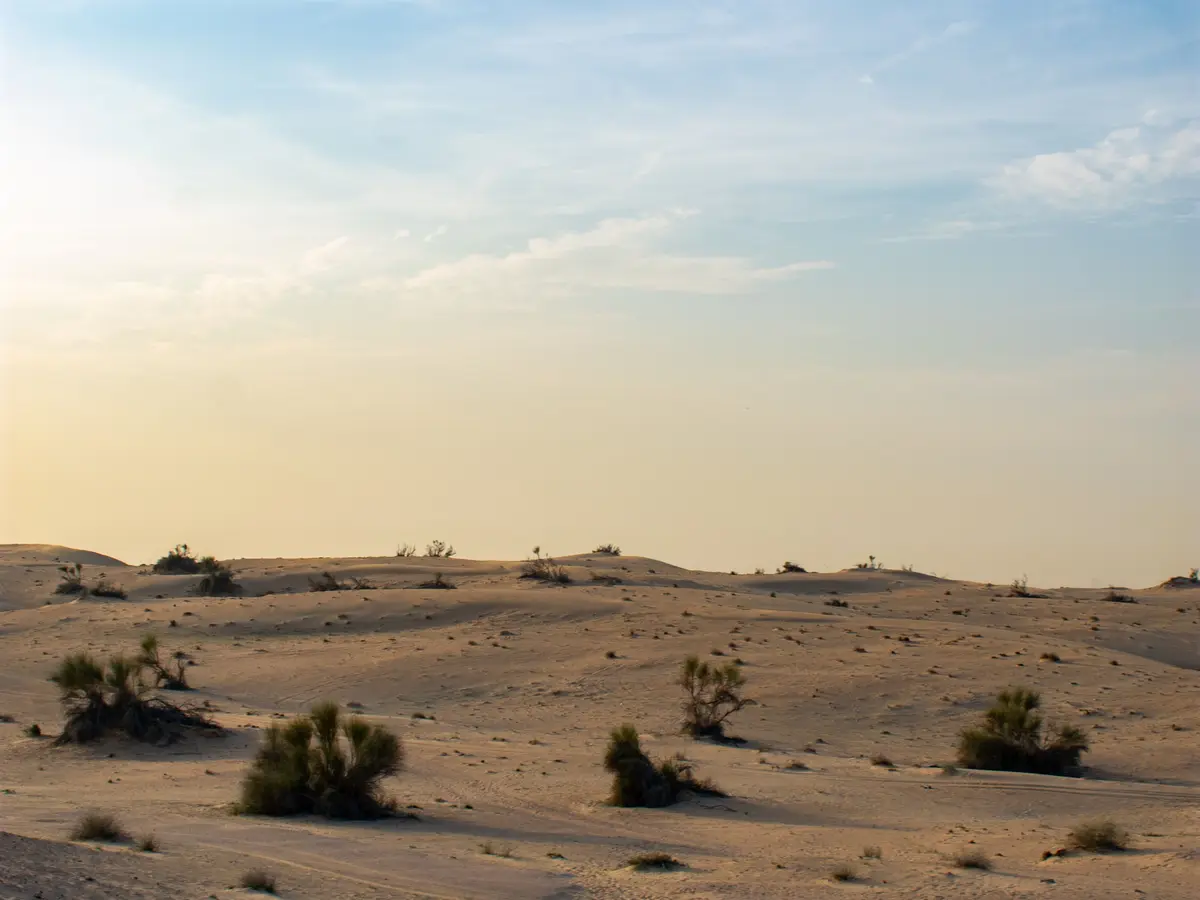
Egypt’s Abu-Tartur Plateau is a dry desert today, but it was once covered by the sea.
This happened during the Cretaceous period, about 145 to 66 million years ago.
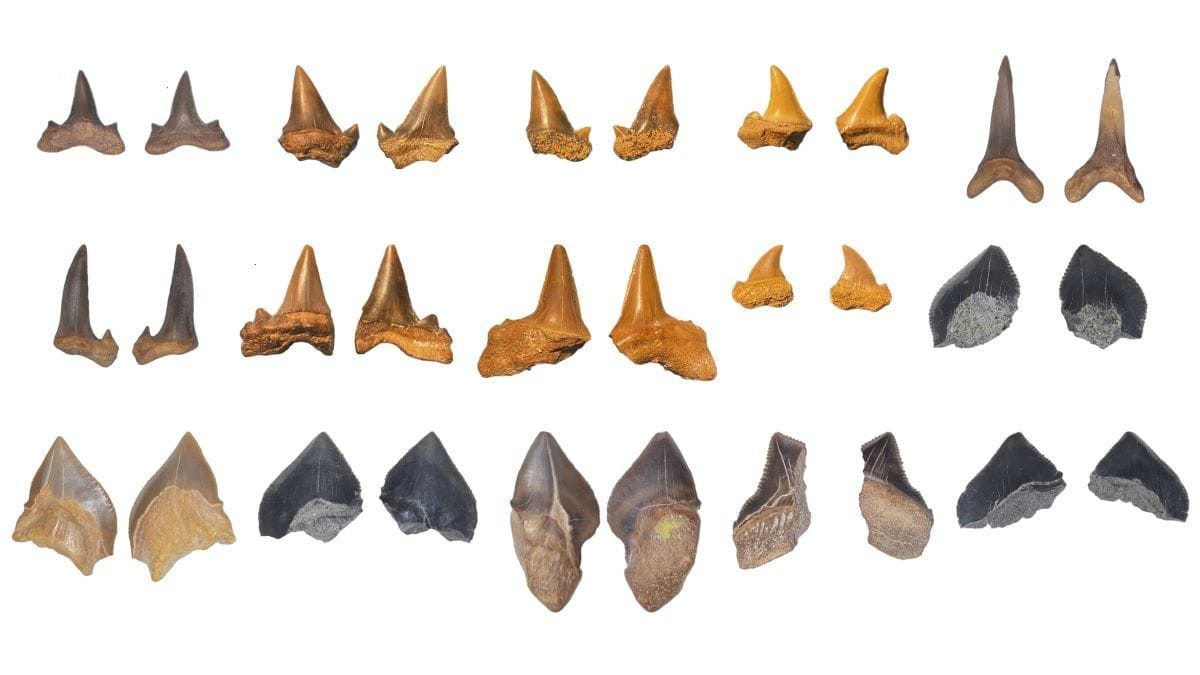
Scientists found many fossil shark teeth in layers of phosphate there.
The teeth came from at least seven shark species when combined with earlier discoveries.
Five of the species had not previously been found in that region.
The fossils show that the ancient sea supported many kinds of marine life.
Some sharks lived closer to shore, while another species probably lived in deeper water.
Scientists call the site a “shark graveyard,” but the name is not completely exact.
The teeth likely accumulated over a long period because very little new sediment was deposited there.

Researchers led by Cairo University geologist Tarek Yassin found a Cretaceous-era shark fossil assemblage on Egypt’s Abu-Tartur Plateau.
The site yielded at least 14 teeth from five shark species not previously found in the region.
The findings add to two shark species identified by the team there in 2024.
Phosphate deposits indicate the dry plateau once formed part of a nutrient-rich marine ecosystem.
Researchers caution that “shark graveyard” may be misleading because the sharks probably did not live or die there at the same time.
- Who
- A research team led by Tarek Yassin, a geologist at Cairo University.
- What
- The team discovered an assemblage of fossil shark teeth representing at least seven species.
- Where
- The Abu-Tartur Plateau in Egypt, within phosphate deposits.
- When
- The fossils date to the Cretaceous period, about 145 to 66 million years ago; the findings were published on 18 August.
- Why
- The researchers were investigating the phosphate layers as records of an ancient marine ecosystem and its environmental conditions.
Researchers’ Interpretation
Scientific Caveat
Meaning of “shark graveyard”
Researchers’ Interpretation
The concentration of shark teeth records a diverse ancient marine ecosystem and preserves evidence of different marine environments.
Scientific Caveat
The label may be misleading because the sharks probably were not alive in the same place or at the same time; the teeth accumulated in a condensed phosphate bed.
Ancient water depths
Researchers’ Interpretation
The species found indicate varied conditions, including nearshore or inner-shelf waters and deeper outer-shelf or slope environments.
Scientific Caveat
The fossil bed compresses a long span of history because little sediment accumulated, so it should not be read as a single moment in the ecosystem.
Key facts
- Location
- Abu-Tartur Plateau, Egypt
- Geological age
- Cretaceous period, approximately 145–66 million years ago
- Fossils found
- At least 14 shark teeth
- Species identified
- Five newly recorded in the region, plus two species previously identified by the team
- Deposits
- Black and yellow phosphate layers
- Marine conditions
- A nutrient-enriched, high-productivity ecosystem along a phosphogenic shelf margin
- Publication
- Cretaceous Research, published 18 August
Quotes
Tarek Yassin and colleagues
Researchers who conducted the shark-tooth study at the Abu-Tartur Plateau
“The presence of Squalicorax could suggest an input from nearshore/inner shelf settings, while the occurrence of Scapanorhynchus reflects deeper-water conditions on the outer shelf and slope”
 theprint.in
“Collectively, this assemblage highlights a nutrient-enriched, high-productivity marine ecosystem along a phosphogenic shelf margin”
theprint.in