

3 weeks ago
NASA Keeps Voyager 2 Alive With 'Big Bang' Power Swap
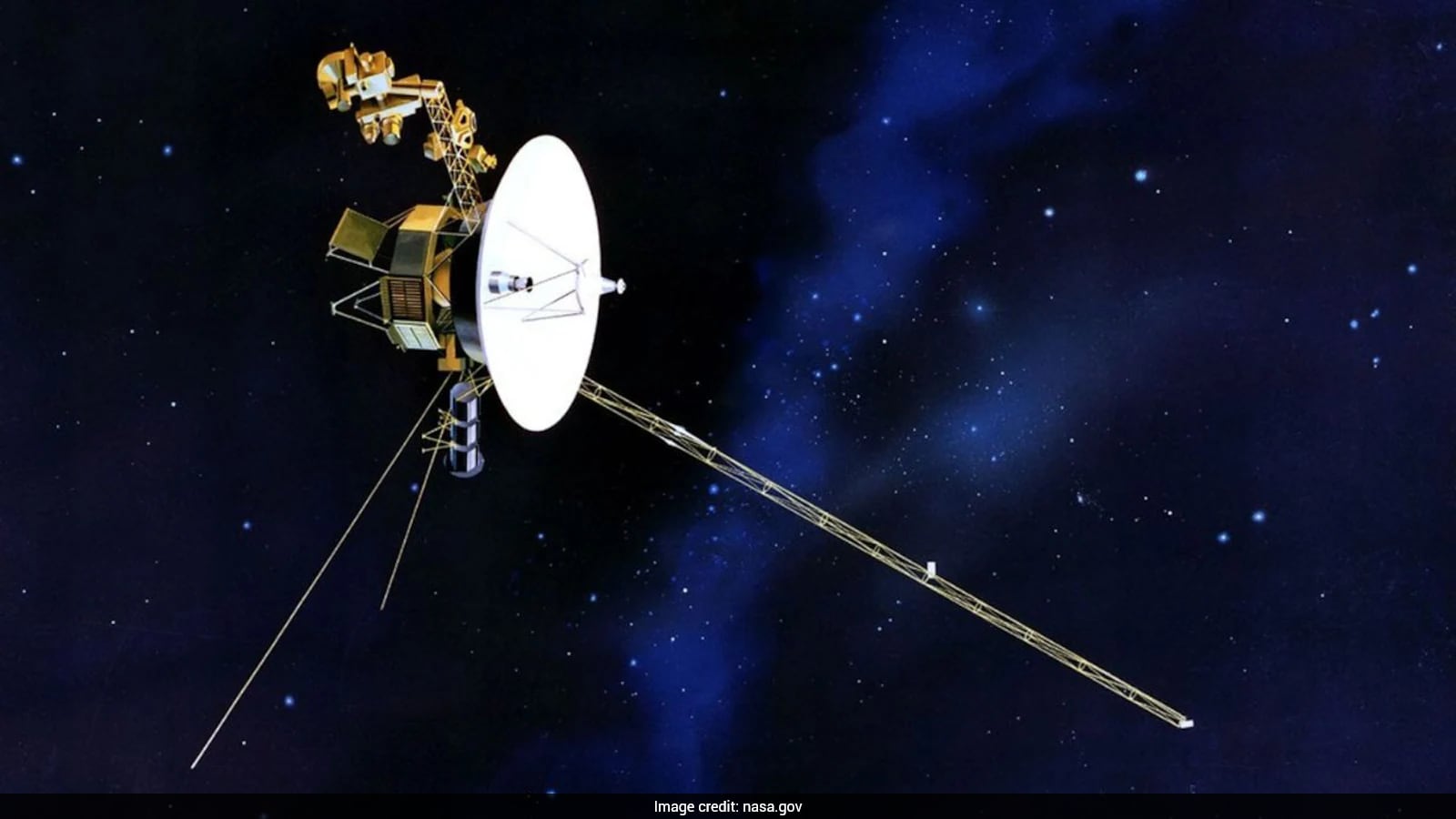
In 1977, NASA launched two robot explorers called Voyager 1 and Voyager 2 into space.
They have travelled so far that they are now in interstellar space, billions of miles away from Earth.
The spacecraft make electricity from a material called plutonium, which slowly runs out over time.
Because of this, Voyager 2 loses about 4 watts of power every year and was running very low on power.
NASA had to choose between turning off one of Voyager 2's science instruments or running out of electricity.
Instead, clever engineers found hidden power by switching some devices for ones that use less energy.
They called this clever trick the 'Big Bang.'
Thanks to it, Voyager 2's three science instruments can keep working for at least one more year.
NASA plans to use the same trick on Voyager 1 in the coming months.

NASA's Voyager 2, launched in 1977, is billions of miles from Earth in interstellar space and running critically low on power.
Engineers at NASA's Jet Propulsion Laboratory performed a power-saving maneuver nicknamed the 'Big Bang' to free up energy reserves.
Voyager 2 uses radioisotope thermoelectric generators that convert heat from decaying plutonium into electricity, losing roughly 4 watts of power per year.
Without the maneuver, NASA would have had to turn off another science instrument before the end of 2026; instead, three instruments can operate for at least one extra year.
NASA plans to perform the same power-saving swap on Voyager 1, which is farther from Earth, in the coming months.
- Who
- Engineers at NASA's Jet Propulsion Laboratory
- What
- Performed a power-saving maneuver nicknamed the 'Big Bang' to free up power reserves on Voyager 2 and keep its science instruments running longer
- Where
- NASA's Jet Propulsion Laboratory; Voyager 2 is in interstellar space billions of miles away from Earth
- When
- Voyager 2 was launched in 1977; without the maneuver another instrument would have been shut off before the end of 2026, and NASA plans the same swap on Voyager 1 in the coming months
- Why
- Voyager 2's plutonium-powered generators are decaying, causing it to lose roughly 4 watts of power each year and leaving its power margins razor thin
Key facts
- Spacecraft
- Voyager 2
- Launch Year
- 1977
- Location
- Interstellar space, billions of miles from Earth
- Power Source
- Radioisotope thermoelectric generators powered by decaying plutonium
- Power Loss Rate
- Roughly 4 watts per year
- Procedure Name
- 'Big Bang'
- Extra Operating Time
- At least one year for three science instruments
- Next Step
- Same power swap planned for Voyager 1
Quotes
NASA officials
NASA Jet Propulsion Laboratory team
“Without the Big Bang activity, the mission would have had to turn off another instrument on Voyager 2 before the end of 2026. The savings should provide power to keep its three instruments operating for at least an extra year.”
 NDTV
NDTV
“Engineers at NASA's Jet Propulsion Laboratory have successfully freed up power on Voyager 2, extending how long the spacecraft can continue to do science.”
NDTV
Sources
Related news
NASA Extends Voyager 2 Mission, Invites ISRO to Moon Base

NASA astronauts Anil Menon, Jessica Meir complete ISS power-upgrade spacewalk
NASA Abandons Swift Telescope Rescue After Booster Mission Fails

India Plans Gaganyaan, Venus Mission and Broader Space Expansion
China’s Chang’e-7 Targets Lunar Ice at South Pole
NASA Abandons Mission to Save Swift Telescope from Earth Crash

Next Lunar Eclipse Set for February 2027 Across India, World

Why Soil Is Brown: Humus, Iron, and Earth’s Colour

2026 Blood Moon Eclipse Draws Global Attention and Zodiac Claims

Smartphone Tips for Capturing the 2026 Partial Lunar Eclipse

Aditya-L1 Findings Clarify Magnetic Heating of the Sun’s Corona
