1 week ago
China’s Chang’e-7 Targets Lunar Ice at South Pole
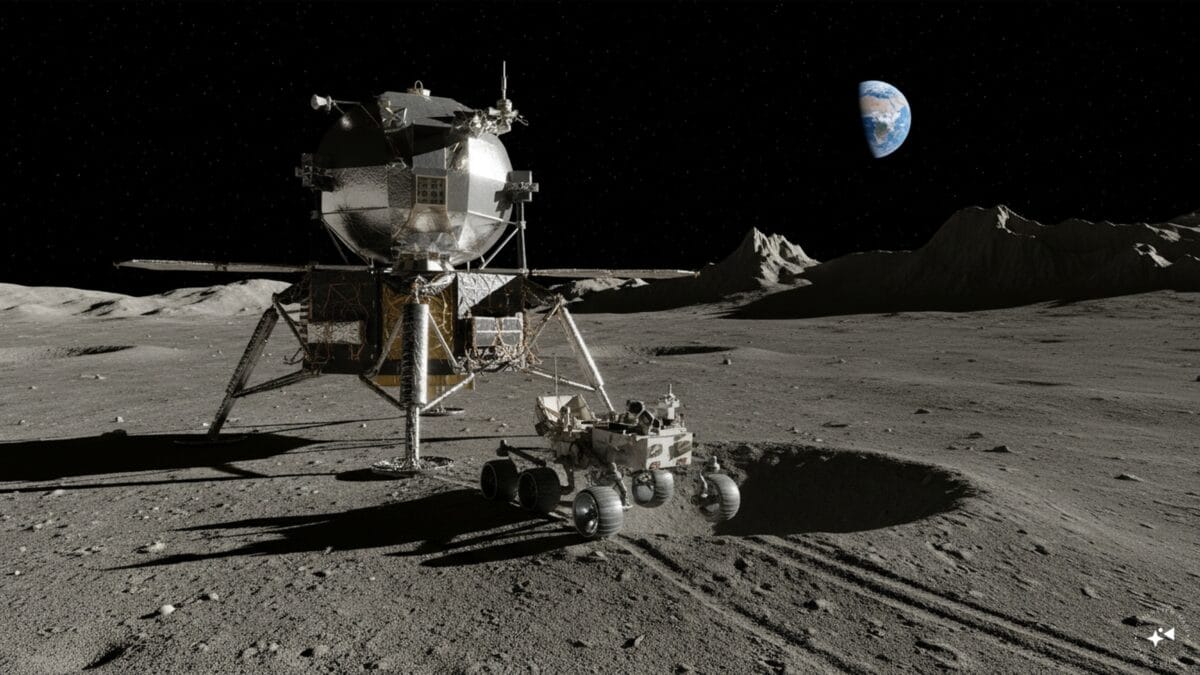
China plans to send an uncrewed spacecraft mission called Chang’e-7 to the Moon in 2026.
It will visit very dark craters near the lunar south pole.
These craters are extremely cold and may contain ice.
The mission will include a spacecraft orbiting the Moon, a lander, a rover and a small hopping vehicle.
The hopper is designed to enter steep, shadowy craters and look for water molecules.
If the ice can be used, it might provide drinking water and ingredients for rocket fuel.
This could help future astronauts travel farther into space.
Scientists also worry that many missions could disturb or contaminate the ancient ice before researchers can study it.

China plans to launch the uncrewed Chang’e-7 mission in 2026 to study permanently shadowed craters near the lunar south pole.
The mission will use an orbiter, lander, rover and mini-hopper to map terrain, examine surface conditions and analyze possible ice deposits.
Scientists view lunar water as a potential source of drinking water, cooling systems and hydrogen-oxygen rocket fuel.
China aims to use Chang’e-7 as a foundation for crewed lunar missions before 2030 and an International Lunar Research Station with Russia by 2035.
Scientists warn that increased missions could contaminate or disturb ancient ice before it is fully studied.
- Who
- China is developing the Chang’e-7 mission, with Russia identified as a partner for a planned International Lunar Research Station.
- What
- An uncrewed mission will investigate lunar ice and environmental conditions using several coordinated spacecraft and vehicles.
- Where
- The mission will target permanently shadowed craters and an illuminated ridge near Shackleton Crater at the lunar south pole.
- When
- The mission is scheduled for launch in 2026; China aims for crewed lunar missions before 2030 and a research station by 2035.
- Why
- To study ancient lunar ice and assess its potential use for life support, cooling and rocket-fuel production.
Resource Development
Environmental Caution
Using lunar ice
Resource Development
Water ice could support astronauts, cool equipment and be separated into hydrogen and oxygen for rocket propellant, making the Moon a potential base for deeper-space missions.
Environmental Caution
Scientists warn that rocket exhaust and physical disturbances from increased lunar traffic could contaminate volatile ice deposits and damage their scientific value.
International lunar activity
Resource Development
China, the United States, India, Japan and Russia are pursuing or planning activity near the lunar south pole, which could accelerate exploration and resource research.
Environmental Caution
The expected increase in missions raises concern that competition and repeated landings could disturb pristine environments before they are properly studied.
Resource rules
Resource Development
The United States uses the Artemis Accords to support resource extraction, while China intends to develop its own lunar exploration and research infrastructure with Russia.
Environmental Caution
The article says the 1967 Outer Space Treaty permits landings but leaves resource ownership legally vague, creating unresolved questions about extraction rights.
Key facts
- Mission
- Chang’e-7
- Launch schedule
- Scheduled for 2026
- Target region
- The permanently shadowed craters of the lunar south pole
- Key instrument
- A mini-hopper with a built-in water analyzer
- Communications
- The mission will rely on the Queqiao-2 relay satellite
- Crewed-mission goal
- China intends to launch crewed lunar missions before 2030
- Research-station goal
- China and Russia plan an International Lunar Research Station by 2035
Sources
Related news

China’s Chang’e-7 Moon Mission Hunts Water Ice South Pole

China Delays Chang’e-7 Moon Water Search, Possibly Until 2027

China Postpones Ambitious Chang’e-7 Lunar Mission Launch Plans
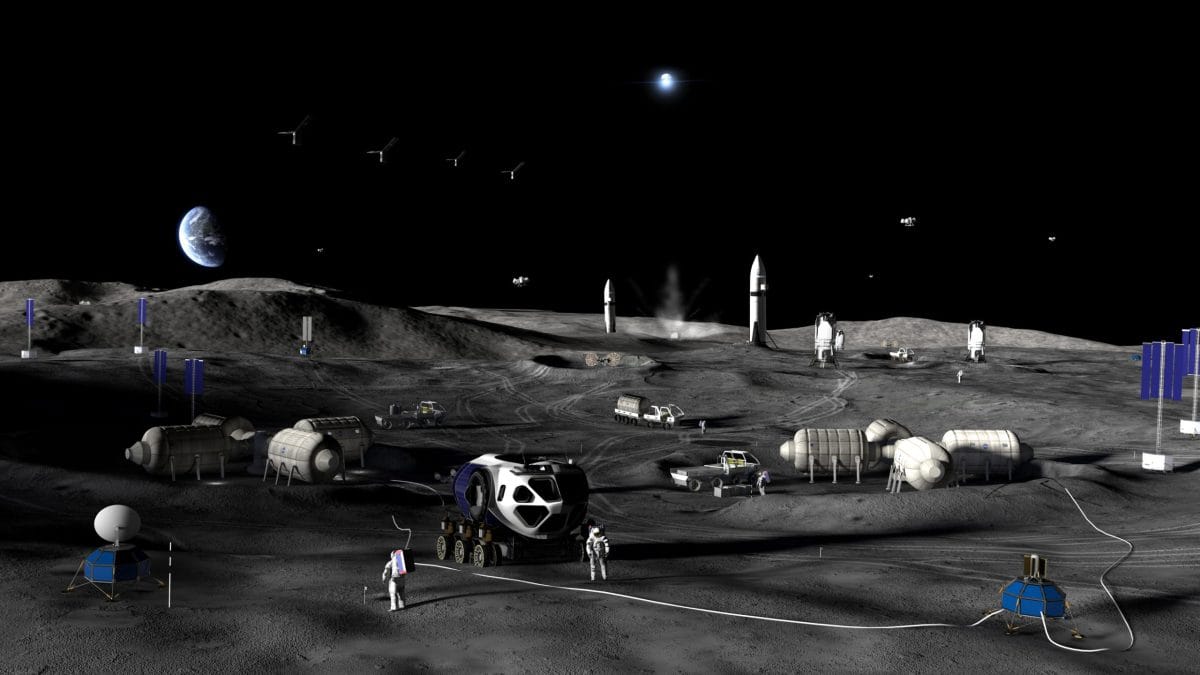
NASA Invites ISRO to Join Moon Base Programme

MJ Akbar Quips Jinnah Would Partition the Moon After Rover

Pakistan Names First Lunar Rover Jinnah-1 for 2029 Moon Mission

India’s Fourth BRICS Chair Faces a Much Larger Summit

Nepal Families Seek Missing Loved Ones After Deadly Flash Floods
Putin Faces Western Isolation While Russia Builds Non-Western Ties
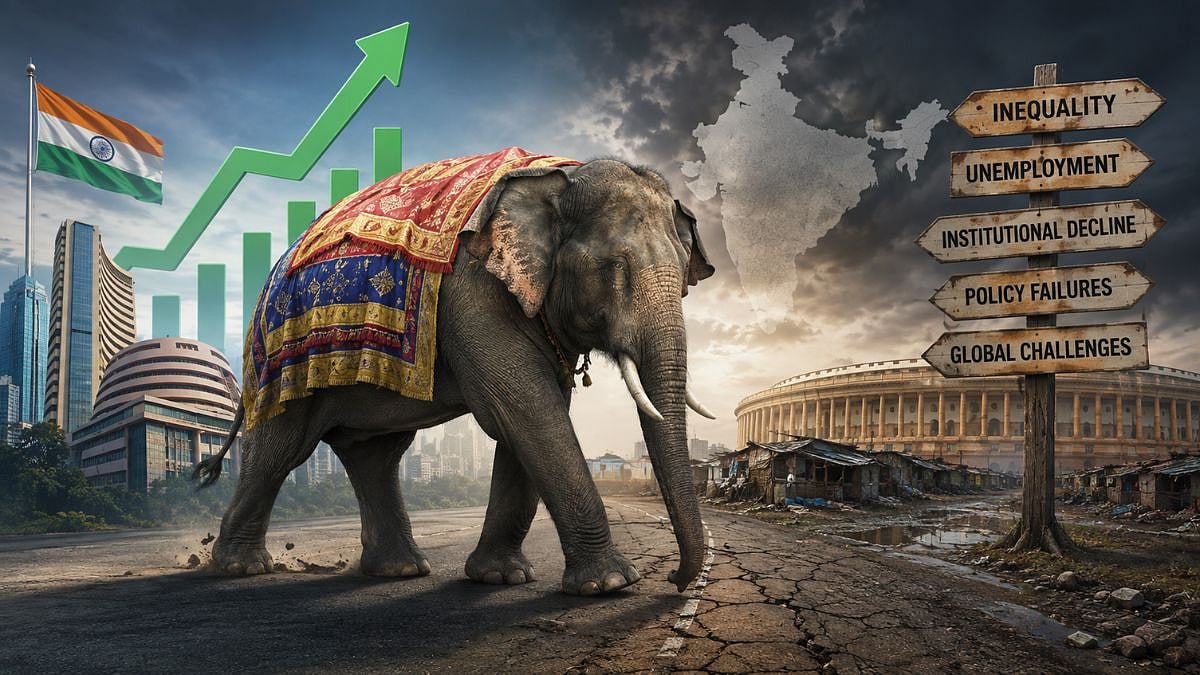
India’s Global Power Ambitions Face Economic and Democratic Setbacks

India’s 7.8% Growth Broad-Based, but Jobs Remain Challenge