1 week ago
Nepal Flash Floods Kill At Least 160, Hundreds Missing
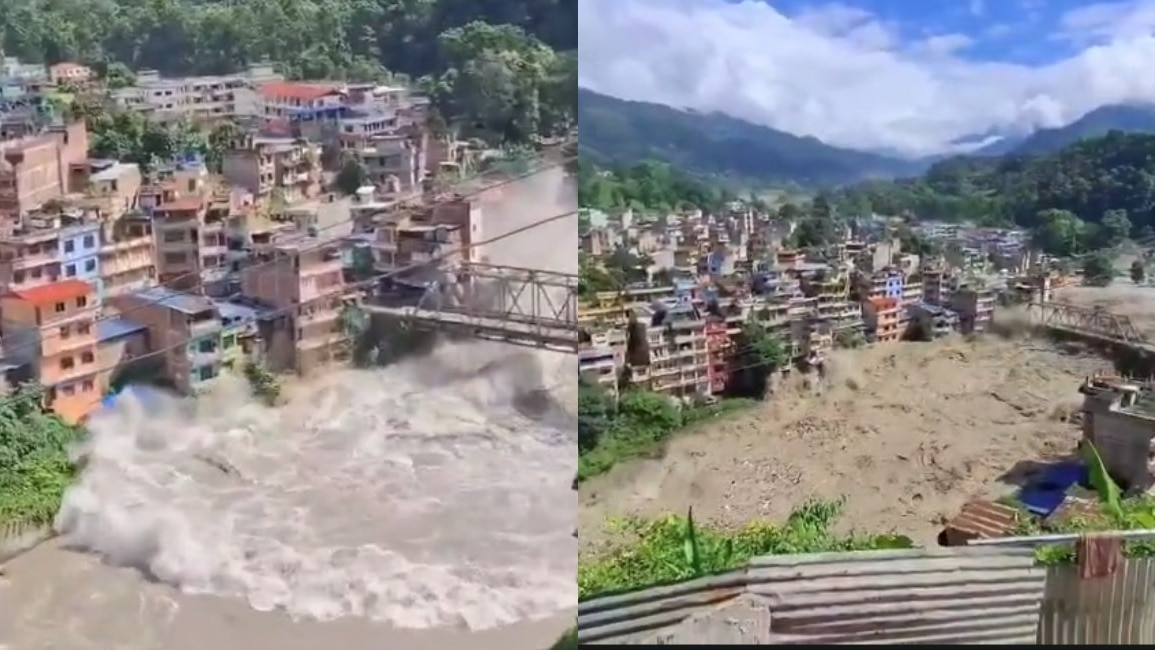
A very large flood hit communities near the Nepal-Tibet border.
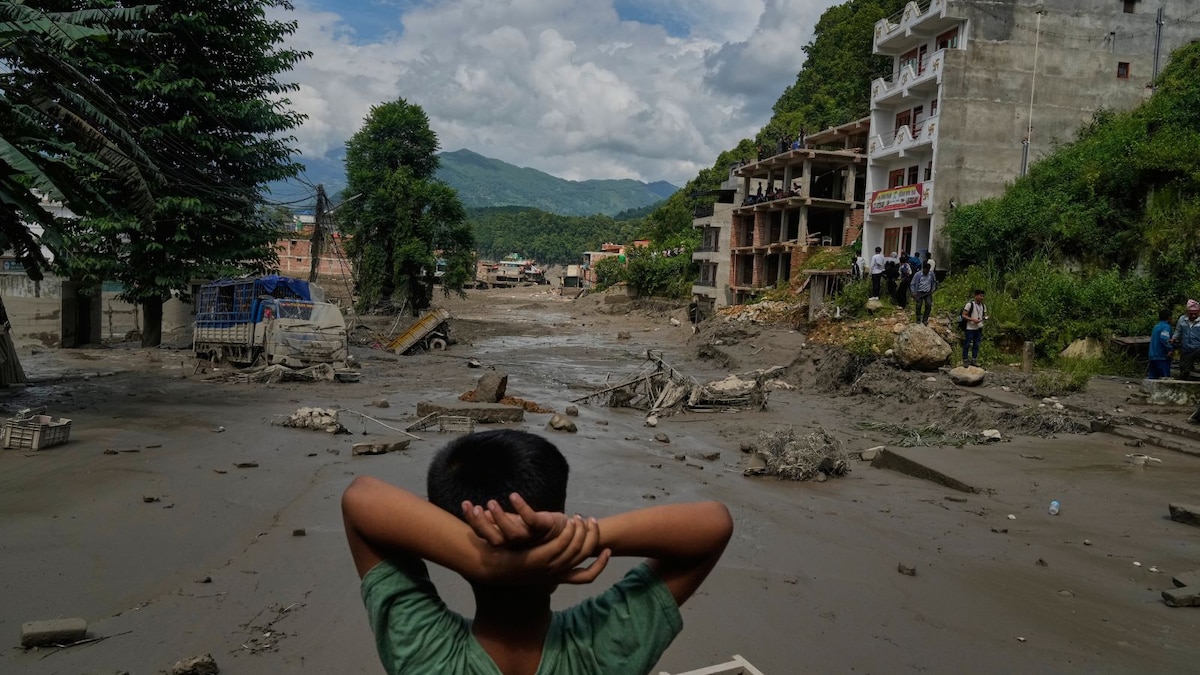
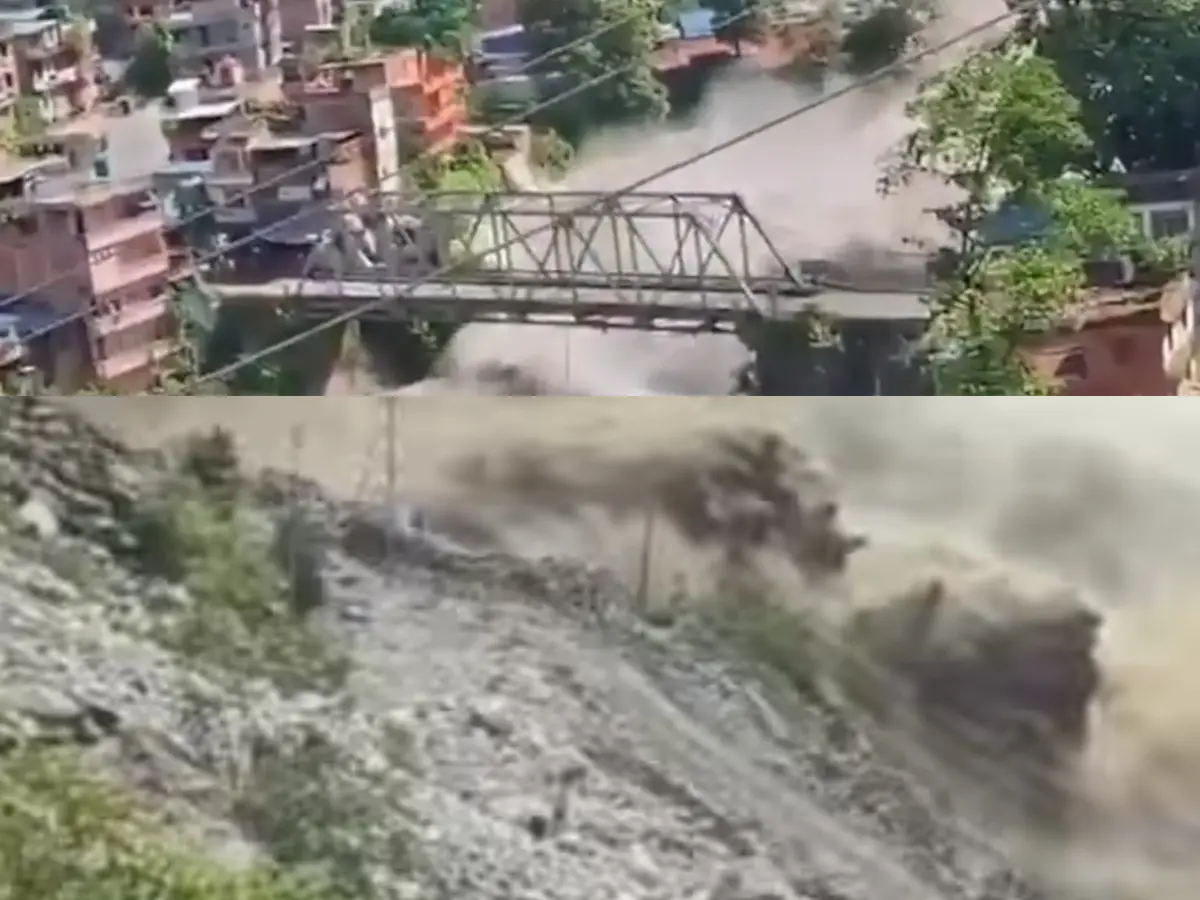
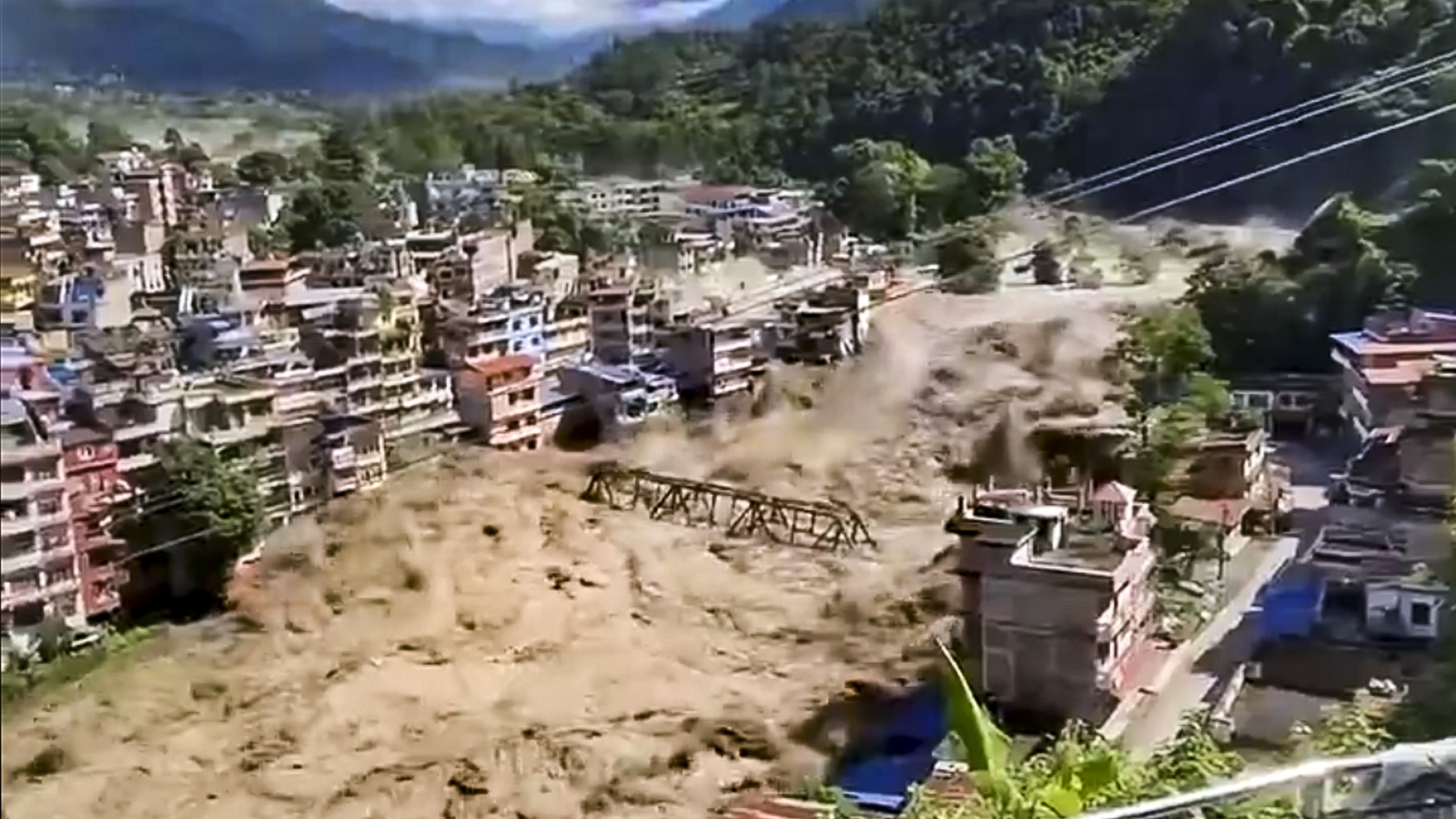
Fast-moving water, mud and rocks damaged homes, roads, bridges and power projects.
Reports say at least 157 people died in Nepal, while three more deaths were reported in Tibet.
Many people are still missing, including travelers and workers.
Nepal’s tourism board said 384 travelers had been reported missing, but officials were still checking the list.
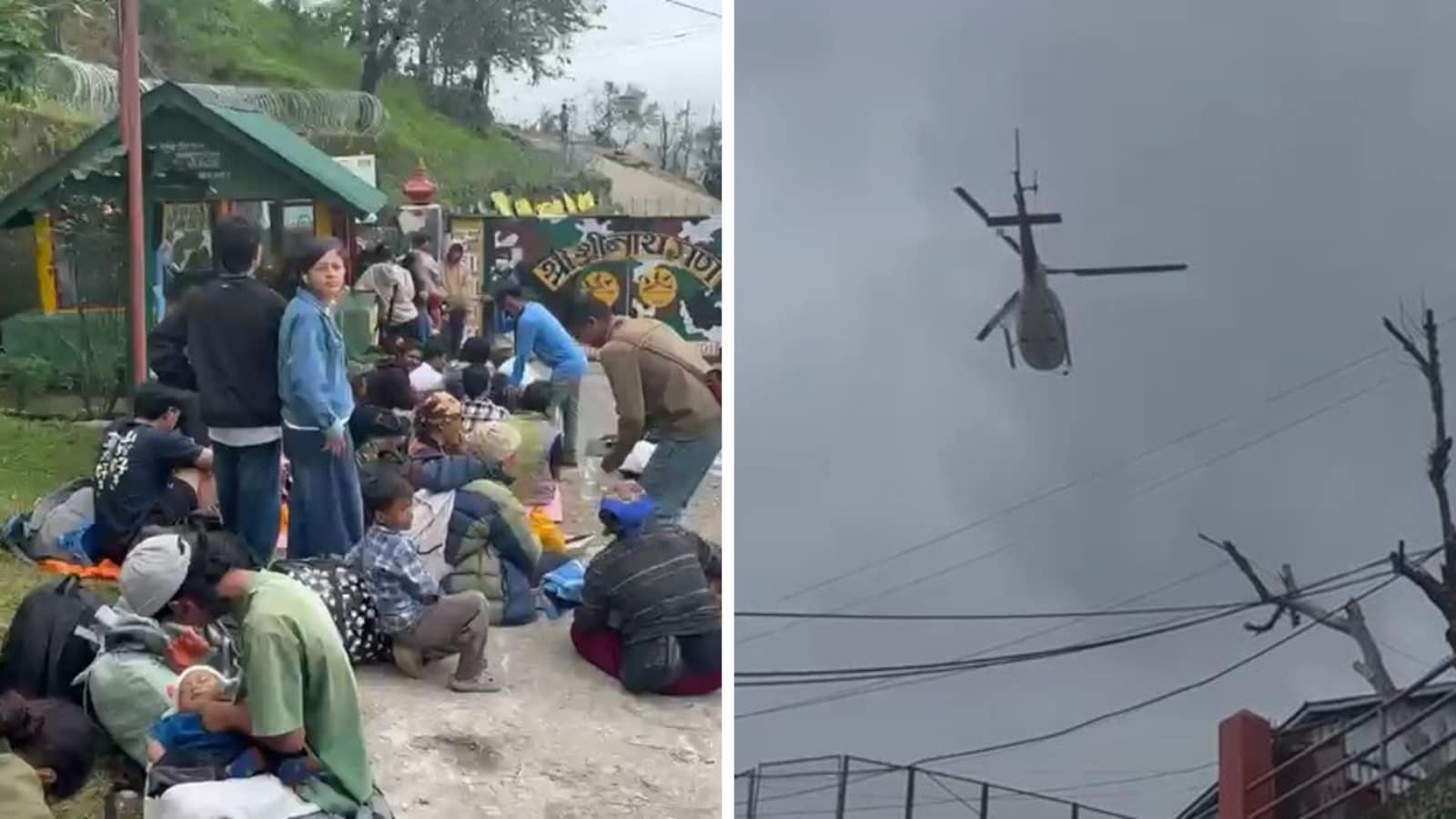
Rescue workers and helicopters are looking for people who are trapped or missing.
Broken roads and bridges, deep water and heavy debris are making the rescue difficult.
The flood may have started after ice and rocks fell from a glacier, but reports about its exact cause differ.
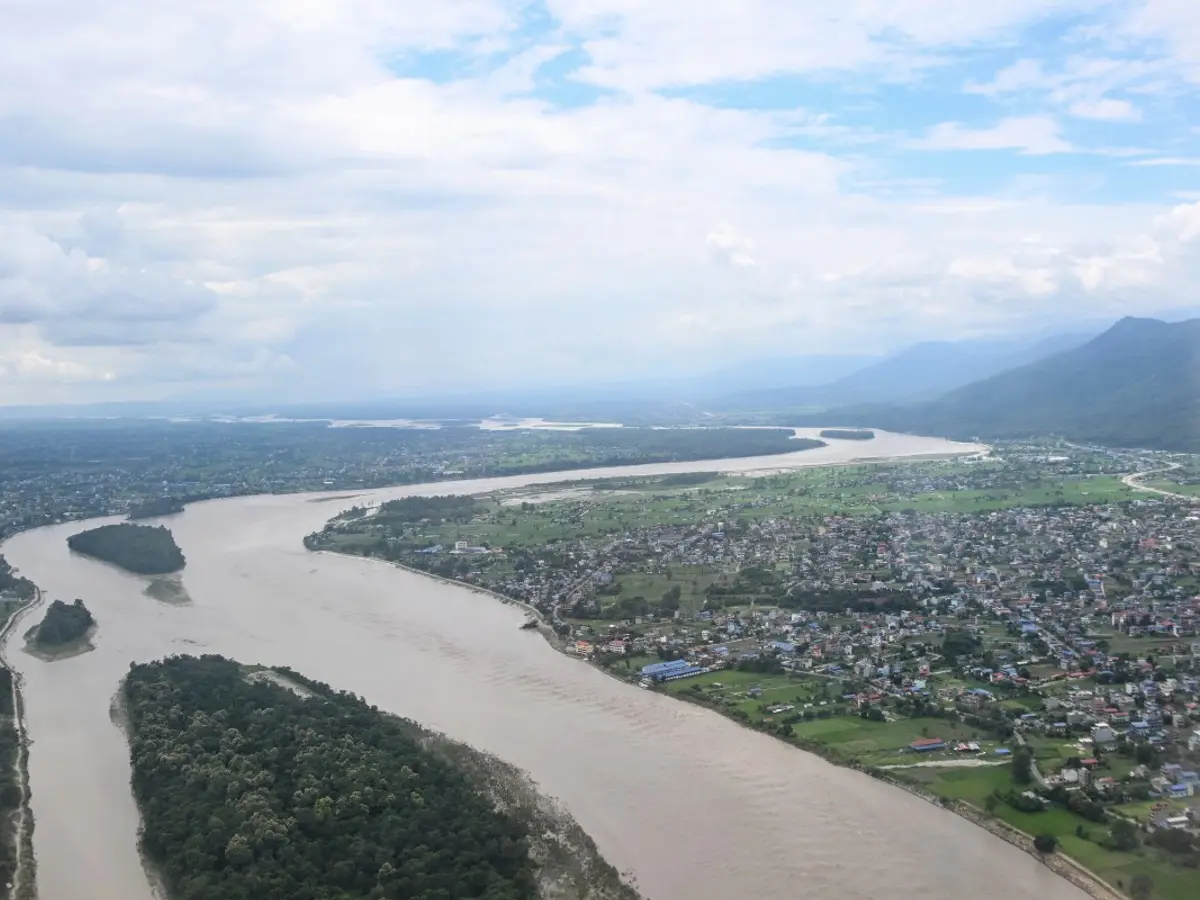
Officials in Bihar are watching the Gandak River because floodwaters could raise river levels downstream.

Reports put Nepal’s death toll at 157, while China reported three additional deaths in Tibet’s Gyirong County.
Hundreds remain missing, including tourists, pilgrims and workers; Nepal previously reported 384 travelers missing pending verification.
Floodwaters, mud and rocks swept through border communities, destroying roads, bridges, buildings and hydropower projects.
Rescue teams and helicopters are searching affected areas, but debris, high water and collapsed infrastructure are hindering access.
Bihar officials placed areas near the Gandak River on alert and ordered round-the-clock monitoring of embankments and flood-control gates.
- Who
- Residents, travelers, tourists, pilgrims and workers were affected; Nepalese and Chinese rescue teams are searching for missing people. Nepal reported 157 deaths, while China reported three deaths in Tibet.
- What
- Flash floods and a related mudslide caused deaths, left hundreds missing and damaged settlements, roads, bridges, buildings, communications, power infrastructure and hydropower projects.
- Where
- The disaster affected areas along the Nepal-Tibet border, including Trishuli Bazaar, Galchhi in Dhading district, Rasuwa and Tibet’s Gyirong County. Downstream areas of Bihar were placed on alert.
- When
- The flooding occurred on Wednesday, with reports dated August 26, 2026; the Tibet mudslide was reported at approximately 10:30 a.m. local time.
- Why
- One report said the disaster was likely triggered by a glacier collapse that caused an avalanche of ice and rock, while another said the cause had not yet been established.
Higher Casualty and Glacier-Hazard Account
Earlier Preliminary Account
Death toll and scale
Higher Casualty and Glacier-Hazard Account
The live update reported at least 160 deaths overall, combining 157 bodies recovered in Nepal with three deaths reported in Tibet, and described hundreds missing.
Earlier Preliminary Account
The earlier Reuters-based account reported at least eight deaths in Nepal and warned that the toll could rise as rescue teams reached more areas.
Cause of the flooding
Higher Casualty and Glacier-Hazard Account
The live update said the disaster was likely triggered by a glacier collapse that sent ice and rock into a valley and unleashed the flood.
Earlier Preliminary Account
The earlier account said the cause had not yet been established and did not confirm a glacial trigger.
Missing-person figures
Higher Casualty and Glacier-Hazard Account
The live update cited 265 people missing in Tibet and described hundreds missing across the disaster zone.
Earlier Preliminary Account
Nepal’s tourism board gave a preliminary figure of 384 travelers reported missing, while stressing that the information was being verified and cross-checked.
Key facts
- Reported deaths
- At least 160 overall: 157 bodies recovered in Nepal and three deaths reported in Tibet
- Missing in Tibet
- Chinese state broadcaster CCTV reported 265 people missing in Gyirong County
- Travelers reported missing
- 384, including 291 foreign nationals and 93 Nepali nationals; the list was still being verified
- Nepal locations affected
- Trishuli Bazaar, Galchhi in Dhading district and Rasuwa
- Damage
- Floods damaged or destroyed villages, buildings, roads, bridges, communications, power projects and hydropower infrastructure
- Rescue efforts
- Teams and helicopters are searching, but debris, high water and collapsed infrastructure are limiting access
- Downstream alert
- Muzaffarpur officials in Bihar ordered round-the-clock monitoring of Gandak-connected embankments and flood-control gates
Sources
Related news

Nepal Flash Flood Kills 162 as Missing Counts Diverge
Nepal Flash Floods Kill At Least 19, Leave Hundreds Missing

Nepal-Tibet Border Flash Floods Kill At Least 18
Nepal-Tibet Flash Flood Leaves Dead, Hundreds Missing
Nepal’s Bhotekoshi River Rises as Flash Flood Toll Surges
Nepal Flash Flood Death Toll Conflicts as Hundreds Remain Missing

Nepal Thanks India as Glacial Disaster Rescue Efforts Continue
Nepal Warns of Heavy Rain After Deadly Floods
Nepal Flood Exposes Delayed Alerts and Cross-Border Warning Gaps
Bhotekoshi Flood Crisis: Nepal PM Shah Calls for Courage

Nepal PM Thanks India, China Amid Climate Compensation Demand