1 week ago
India’s Space Ambitions Face Shortage of Young Scientists
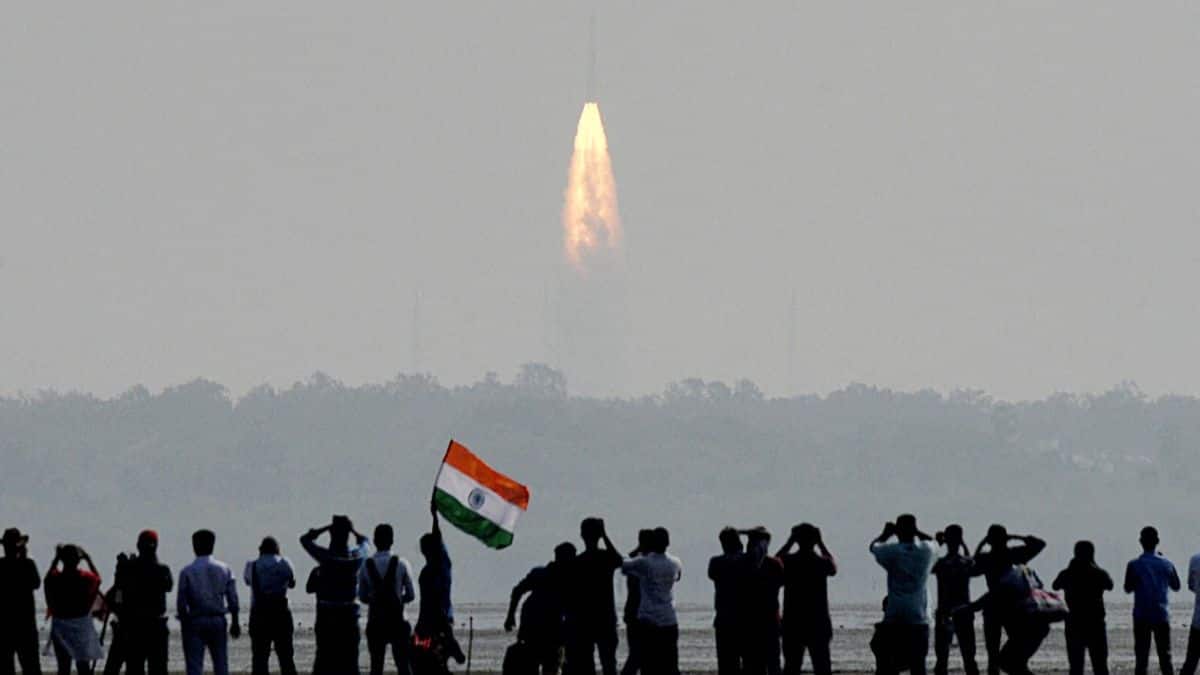
India wants to become a much bigger country in space research and business.
It already does important space work, but it has only a small share of the world’s space economy.
Professor Somak Raychaudhury says India needs many more young scientists to join the field.
He believes students should begin learning about space during their undergraduate studies.
Space work is not just about building rockets.
It also needs computer experts, engineers, biologists, mathematicians and astronomers.
Universities and companies could work together more closely to solve space-related problems.
The article says progress is happening, but too slowly.

India currently holds about two per cent of the global space economy, with an eight per cent share projected by 2033.
Prof. Somak Raychaudhury says India needs more young undergraduates entering space sciences and related fields.
Universities are urged to create multidisciplinary programmes spanning engineering, physics, biology, mathematics and data science.
Space research is expanding beyond rockets and satellites to areas including climate analysis, astrobiology, lunar habitats and Mars exploration.
Raychaudhury says collaboration between universities and industry remains a major opportunity but is developing slowly.
- Who
- India, Prime Minister Narendra Modi and Prof. Somak Raychaudhury are central to the discussion.
- What
- The discussion concerns how India can expand its space sector by developing more young scientists and multidisciplinary university programmes.
- Where
- India’s universities, research institutions, space agency and private space companies.
- When
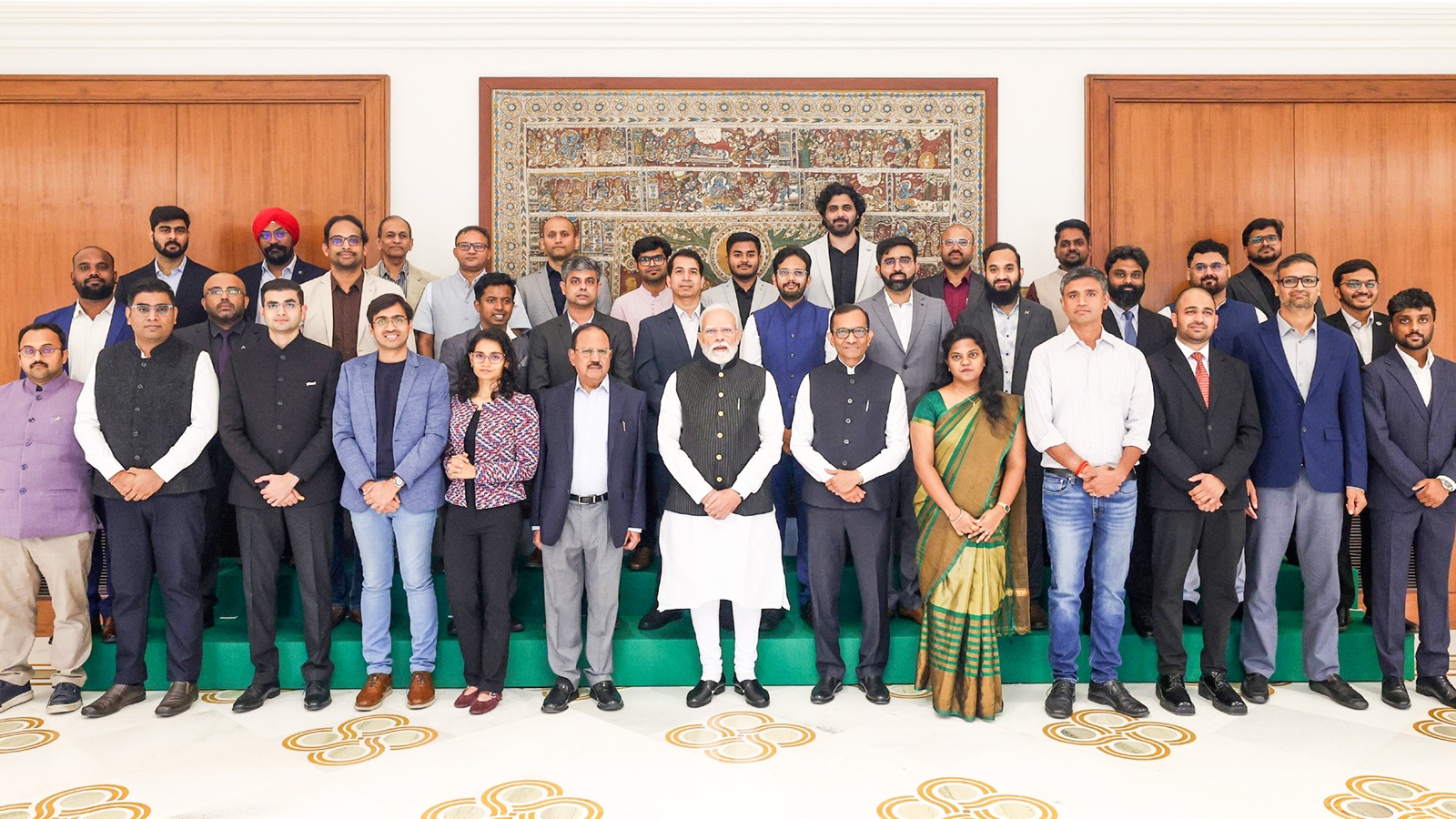
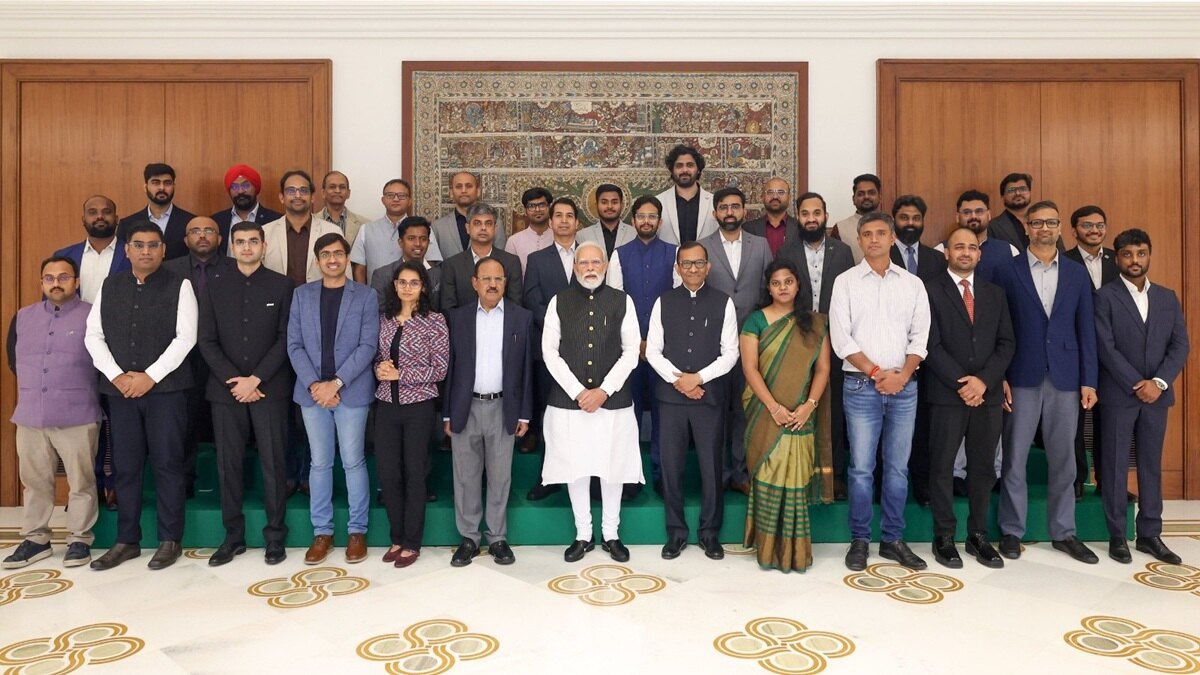
- The article refers to a recent interaction between Prime Minister Modi and space start-up executives; India’s projected target is for 2033.
- Why
- India wants to become a major spacefaring nation and increase its share of the global space economy.
Key facts
- Current global space-economy share
- About 2 per cent for India
- Projected share by 2033
- 8 per cent, according to the Department of Space projection cited
- Key expert
- Prof. Somak Raychaudhury, former vice-chancellor and professor of physics at Ashoka University
- Recommended education level
- Undergraduate students should be brought into space sciences from the beginning
- Important disciplines
- Electrical and mechanical engineering, physics, astronomy, biology, mathematics and data science
- Existing programmes and institutions
- Examples cited include the Indian Institute of Space Science and Technology, Indian Institute of Science, Indian Institute of Astrophysics, and Inter-University Centre for Astronomy and Astrophysics
- Talent strategy
- Narendra Modi called for India to attract global talent to its space agency and start-ups
Quotes

Somak Raychaudhury
Professor of physics and former vice-chancellor of Ashoka University
“As the space community is not very large, the same people keep popping up whenever projects are offered or grants are being disbursed. That needs to grow. We need young students —undergraduates— to get involved from the very beginning. And that’s why we need more space-related and multidisciplinary programmes in universities because that’s where young students are. They are not in research institutions.”
 firstpost.com
“I believe we should create an aura where people from all over the world feel that if they want to build a life in this field, they should come to India — join an Indian startup or the Indian space agency. I am convinced that we can attract this entire talent pool like a magnet, and it can become a tremendous strength for us.”
firstpost.com
Sources
Related news

India's Space Economy May Reach $44 Billion By 2033

Chandigarh University hosts National Space Technology Conclave with ISRO, IIST
Modi Urges Space Startups to Attract Global Talent
Modi Urges 20 Space Startups to Build Global Hub
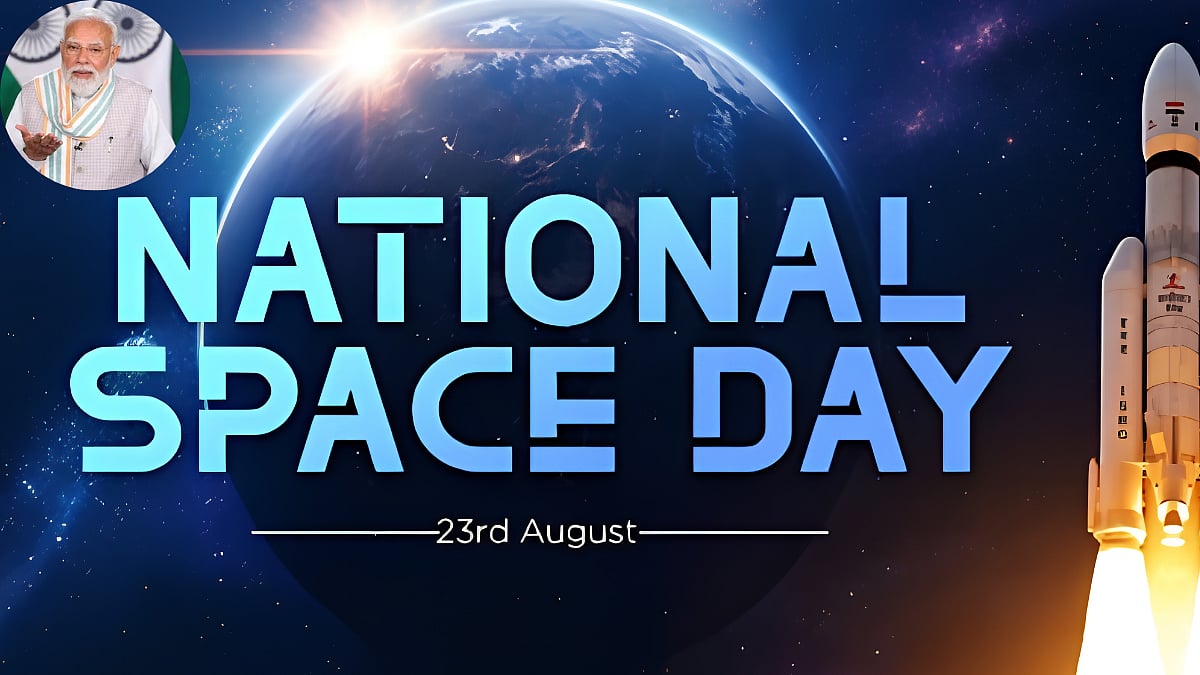
Modi Hails India’s Space Rise on National Space Day
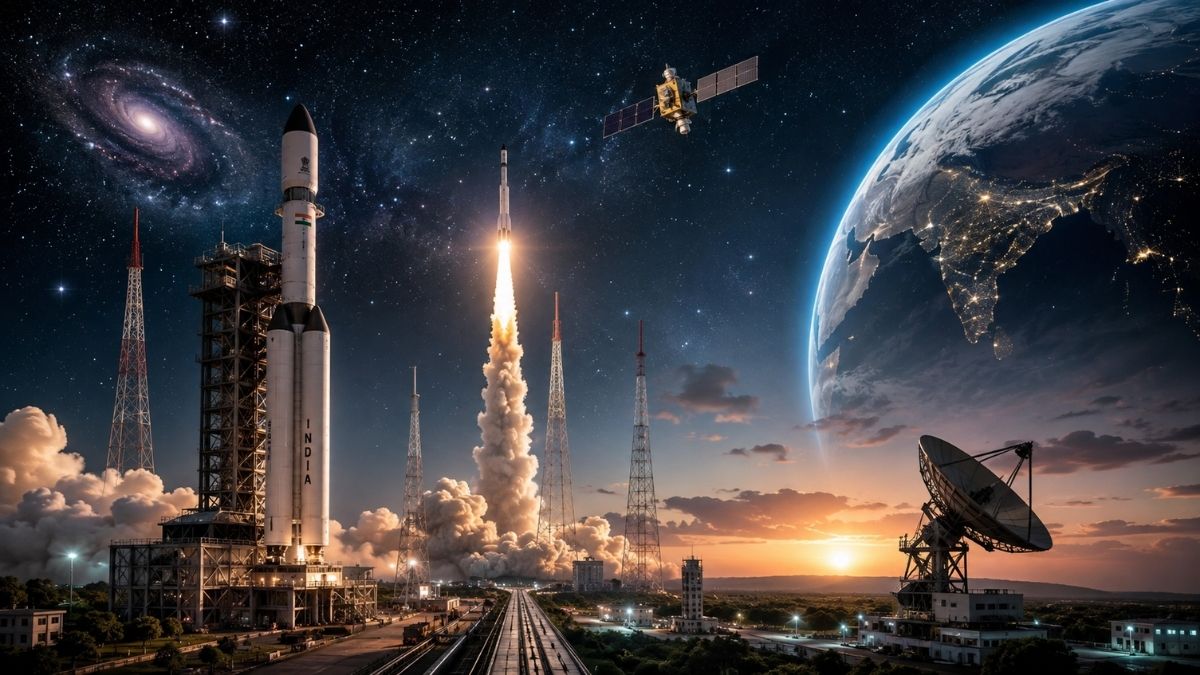
India’s Space Economy Targets $45 Billion by 2030
Manipur Census Deferment Welcomed as Step Toward Public Aspirations
UPSC Key Covers SCO, Electoral Rolls, Economy, Defence and Climate

West Bengal CM Crushes Nearly 2 Lakh Seized Syrup Bottles

Modi Highlights India’s Growing Avocado Market and Farmer Gains
China's SCO Power Grab Shapes Global Alliances and Trade