5 days ago
India’s Space Economy Targets $45 Billion by 2030
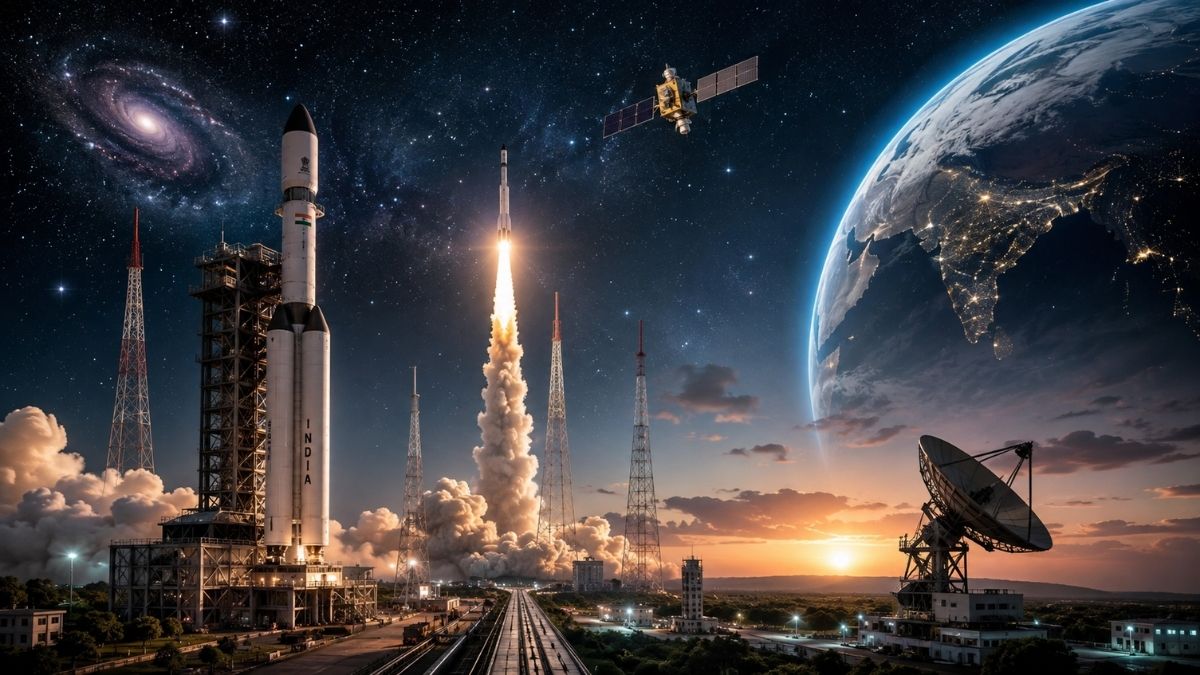
India’s space industry used to be run almost entirely by the government.
Since 2020, private companies have been allowed to participate more widely.
New rules and agencies now help businesses build satellites, rockets and other space technology.
The number of Indian space startups has grown to more than 400.
Several startups are now launching missions and signing commercial agreements.
India is also known for completing some space missions at relatively low costs.
Jefferies believes these changes could help the industry grow to $40–45 billion by 2030.
It says the sector could potentially reach $100 billion by 2040.

Jefferies projects India’s space economy could grow from $8.4 billion in 2023 to $40–45 billion by 2030 and $100 billion by 2040.
The sector opened to private companies in 2020, supported by the 2023 Indian Space Policy and the creation of IN-SPACe.
India’s space startup ecosystem has expanded from one company in 2014 to more than 400 in 2026.
Startups including Skyroot Aerospace, Pixxel, Agnikul Cosmos and Digantara have moved from prototypes to missions and commercial contracts.
Jefferies identifies policy reform, commercial startup activity and India’s low-cost engineering as the main growth drivers.
- Who
- India’s government, the Indian Space Research Organisation, private space startups and global brokerage Jefferies.
- What
- India’s space economy is projected to expand nearly five-fold by 2030 and potentially reach $100 billion by 2040.
- Where
- India’s domestic space sector and its international commercial markets.
- When
- The sector began opening to private companies in 2020; the forecasts cover 2030 and 2040.
- Why
- Growth is expected to be driven by policy liberalisation, commercialising startups and India’s cost-efficient space engineering.
Key facts
- 2023 space economy
- About $8.4 billion
- 2030 projection
- $40–45 billion
- 2040 potential
- Up to $100 billion
- Private investment
- About $0.6 billion cumulatively by FY26
- Startup ecosystem
- More than 400 companies in 2026, compared with one in 2014
- Startup funding
- A ₹1,000 crore venture capital fund and a ₹500 crore technology adoption fund
- 2025 investment
- IN-SPACe facilitated $150 million in investment into Indian space startups
Sources
Related news

India’s Space Economy Projected to Reach $40–45 Billion
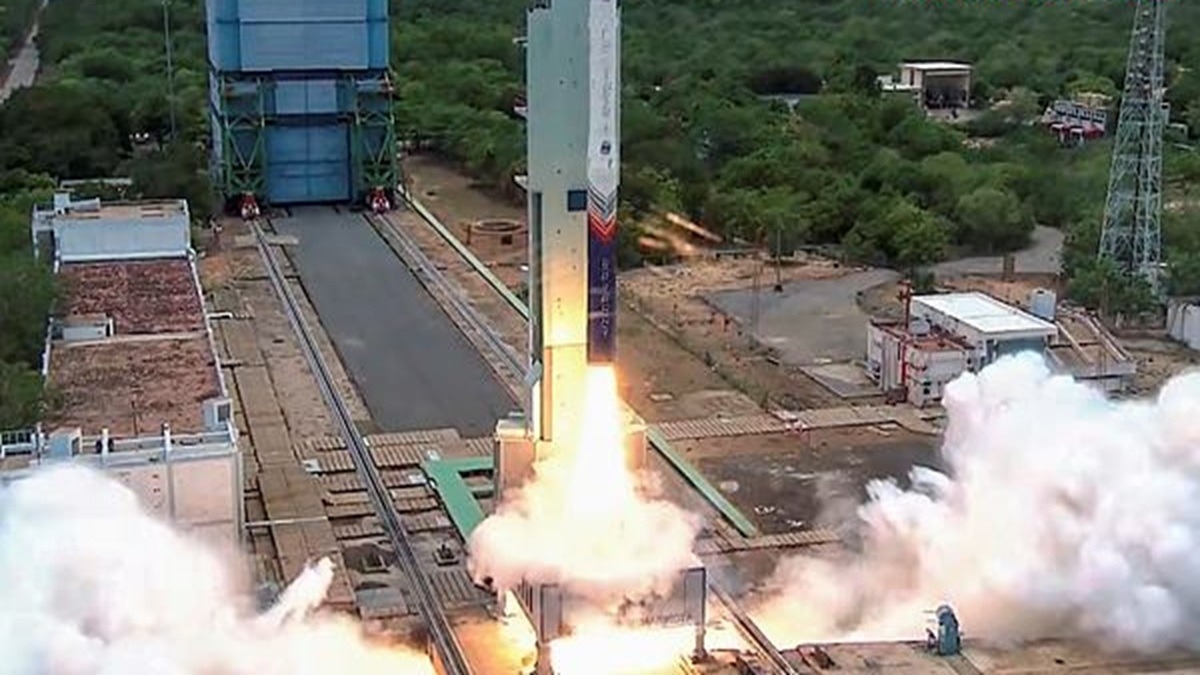
Strategic funding may propel India's space economy to $100 billion
India registers 440 space startups as private investment surges

India's Space Economy May Reach $44 Billion By 2033

India’s Space Sector Expands With 440 Startups After Reforms

Modi Urges Space Startups to Attract Global Talent

Space Economy’s Commercial Boom Raises Stakes Over Who Captures Value
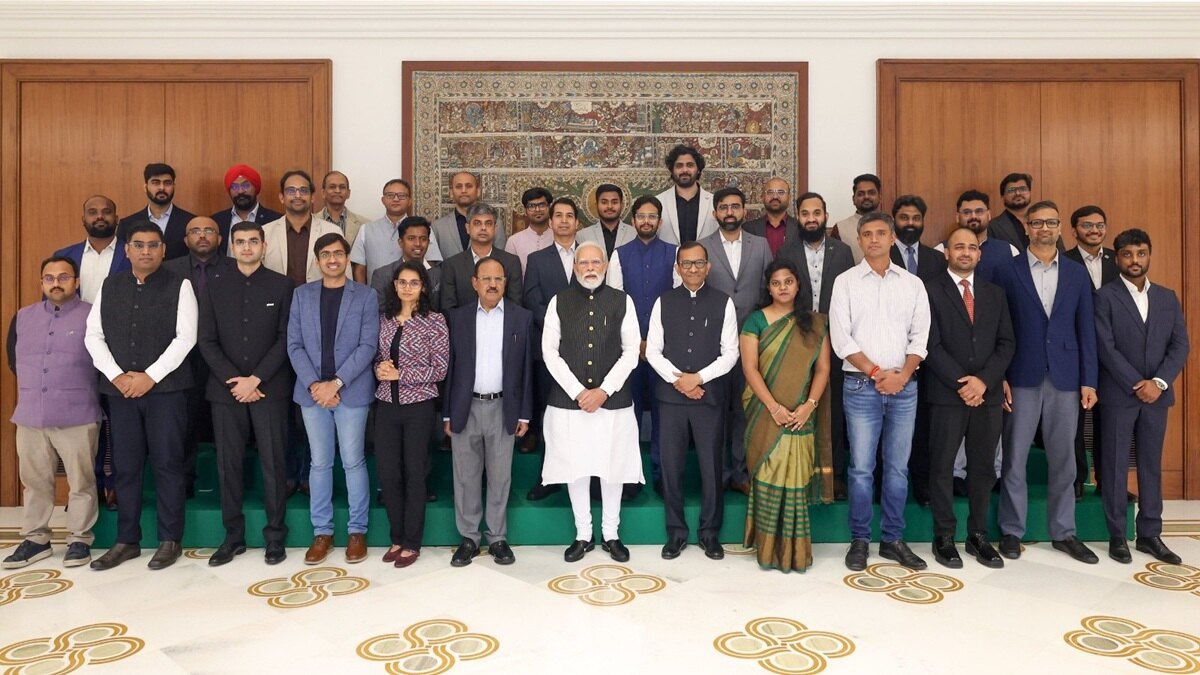
Modi Urges 20 Space Startups to Build Global Hub
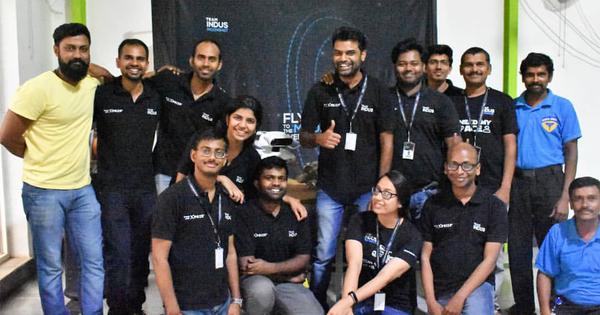
TeamIndus's Moonshot: An Indian Startup's Race for the Lunar Prize