19 hrs ago
Trump Criticizes Canada as Retaliatory Tariffs Pressure Trade
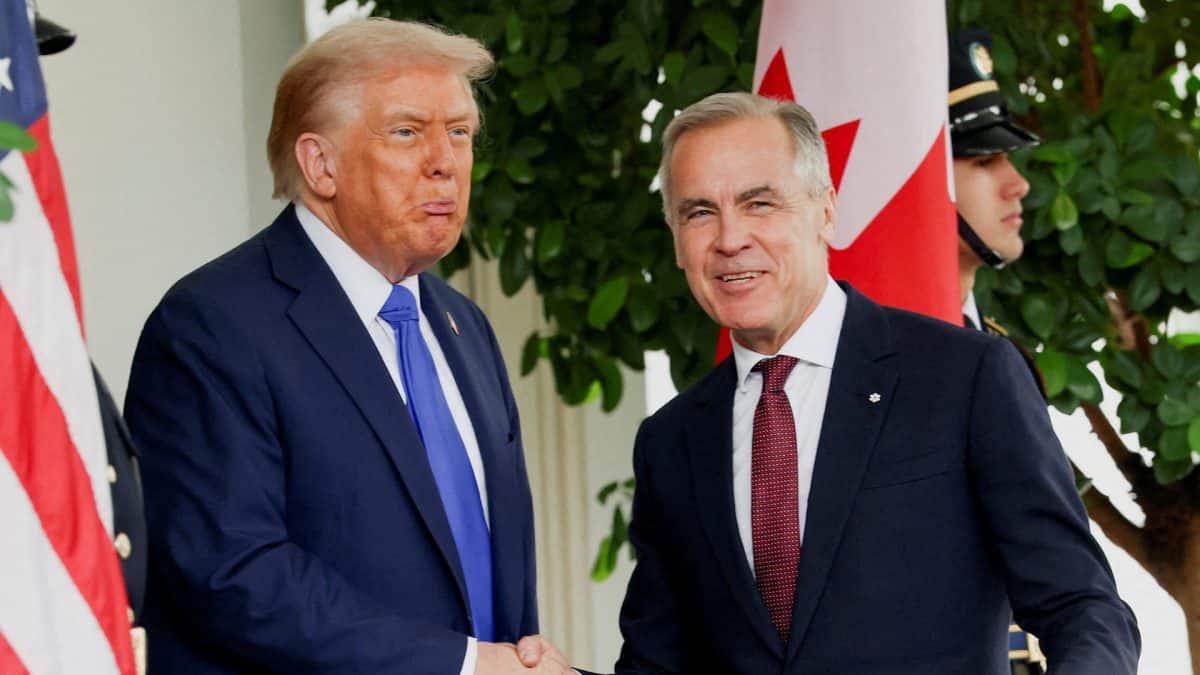
The United States and Canada are arguing about trade.
Trade means buying and selling goods between countries.
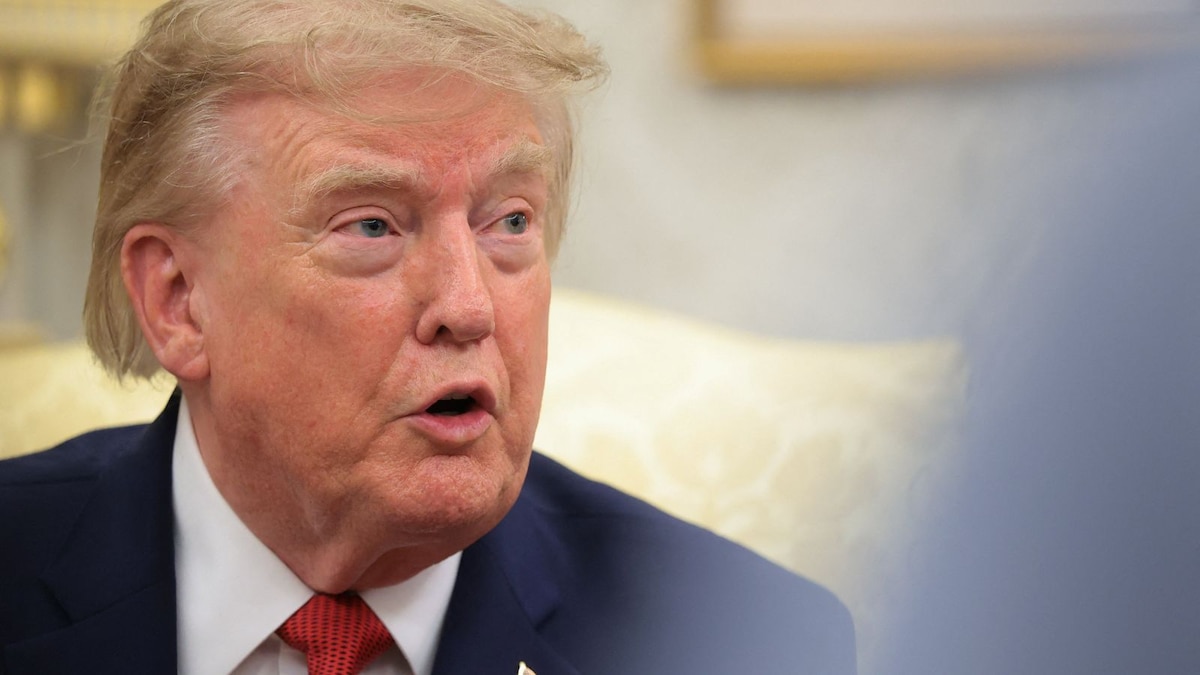
Donald Trump said Canada’s leaders are difficult to negotiate with, although he praised Canadian people.
The United States placed large taxes called tariffs on some Canadian goods.
Canada answered by placing tariffs on American products.
These tariffs can make goods more expensive for companies and customers.
The disagreement is especially important for cars, energy and farming.
Canada wants a deal but also plans to find more customers in other countries.

Donald Trump called Canada’s leadership “very, very difficult to deal with” while praising the Canadian people.
The United States imposed 50 percent tariffs on about $27.6 billion of Canadian goods in August.
Canada responded with tariffs covering US steel, dairy, agricultural products, appliances and other manufactured goods.
The dispute is affecting businesses and supply chains, especially in the auto, energy and agriculture sectors.
Canada remains heavily dependent on the US market, while the United States relies significantly on Canadian crude oil imports.
- Who
- US President Donald Trump, Canadian Prime Minister Mark Carney, and businesses in the United States and Canada.
- What
- The United States and Canada are imposing retaliatory tariffs amid a dispute over trade and market access.
- Where
- The dispute affects trade between the United States and Canada, including North American supply chains.
- When
- The latest remarks followed trade talks that broke down in August, when another round of tariffs and countermeasures began.
- Why
- The countries disagree over tariffs, market access and the United States’ merchandise trade deficit with Canada.
Canada’s Position
United States Position
Tariffs and negotiations
Canada’s Position
Mark Carney has defended Canada’s retaliatory tariffs while saying Canada remains open to a trade agreement.
United States Position
Donald Trump has accused Canada of treating the United States unfairly and has imposed tariffs on Canadian goods.
Trade balance
Canada’s Position
Canada’s trade relationship with the United States includes major energy exports, particularly crude oil used by US refineries.
United States Position
Trump points to the United States’ merchandise trade deficit with Canada as evidence that the relationship is unfair to American businesses.
Future trade strategy
Canada’s Position
Canada plans to diversify its trade and reduce dependence on the US market by developing stronger ties with other markets.
United States Position
The United States has restricted imports of some Canadian products while the tariff dispute continues.
Key facts
- US tariff action
- The United States imposed 50 percent tariffs on about $27.6 billion worth of Canadian goods in August.
- Canadian response
- Canada imposed retaliatory tariffs on US steel, dairy, agricultural goods, appliances and other manufactured products.
- US trade deficit
- The United States recorded a merchandise trade deficit of about $27.3 billion with Canada last year.
- Canadian oil exports
- Canada exported more than $85 billion worth of crude oil to the United States in 2025.
- Canadian export dependence
- Around two-thirds of Canadian exports go to the United States, although that share has declined.
- Affected sectors
- The dispute is putting pressure on the auto, energy and agriculture sectors.
- Trade agreement at risk
- The tariffs have raised concerns about the future of the United States-Mexico-Canada Agreement.
Quotes

Donald Trump
President of the United States
“I find Canada to be very, very difficult to deal with — their leaders, not the people. The people are fantastic”
 firstpost.com
Sources
Related news
Trump Escalates Trade Confrontation as Canada Vows Tariff Retaliation
Trump’s Canada Tariff War Strains Deeply Integrated North American Trade
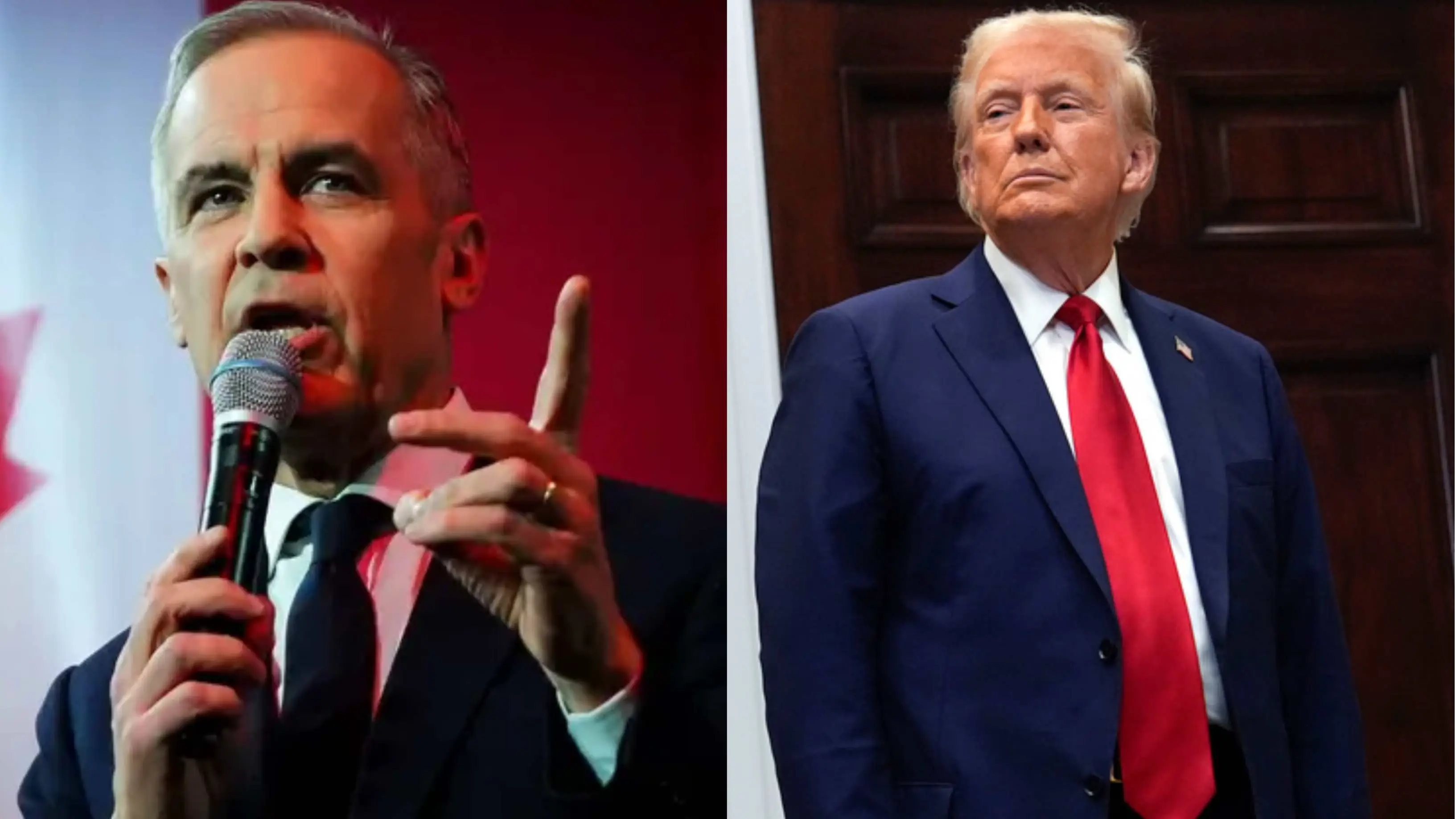
Trump Escalates US-Canada Trade War With 50% Tariffs
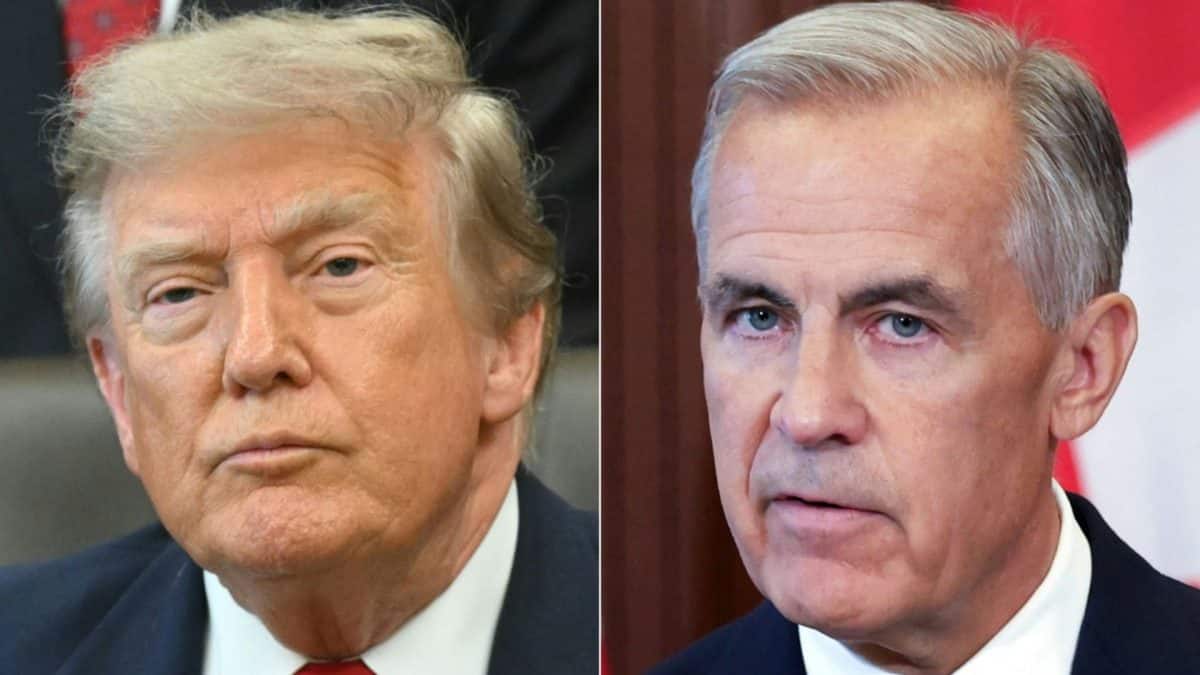
Canada Plans Retaliatory Tariffs as Trump Escalates Trade War

Canada Announces Dollar-for-Dollar Tariffs After US Trade Talks Collapse

US-Canada Trade War Hinges on Sovereignty, Tariffs, Leverage
Trump’s Canada Tariffs Draw Senate Fire Over Trade War
Canada’s Retaliatory Tariffs Escalate Trade War With United States
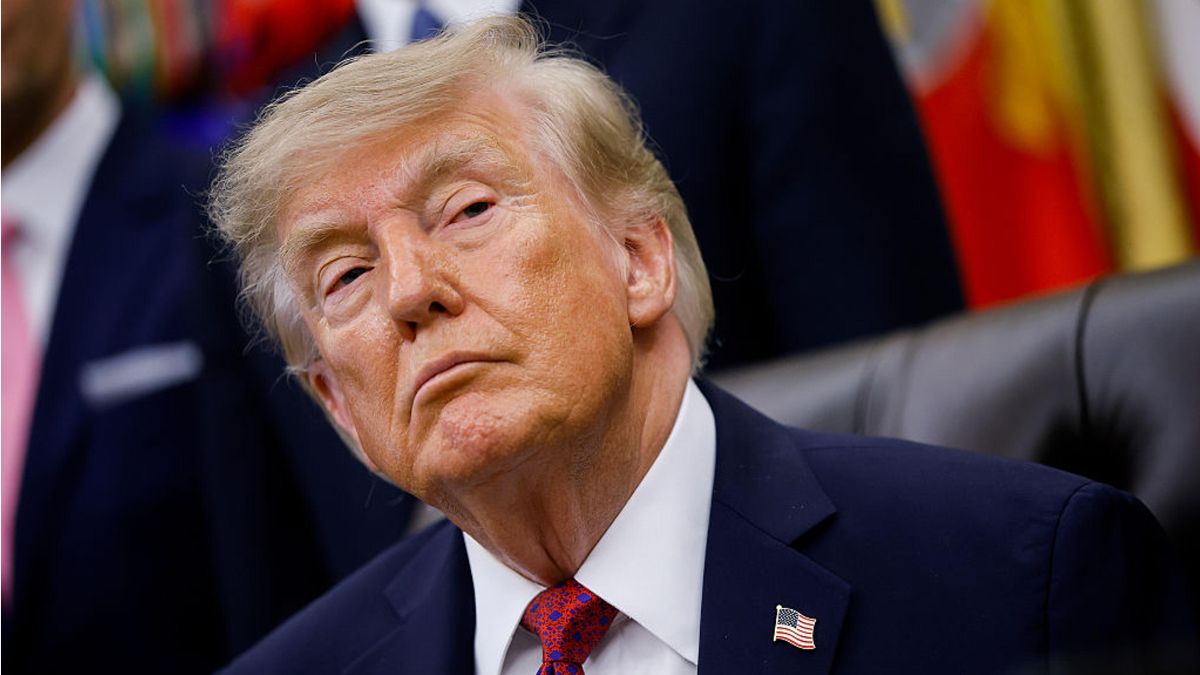
Trump’s pressure campaign strains alliances and reshapes global ties
Canada Tariff Dispute Raises Wider Worry for New Delhi