1 week ago
Who Writes Adivasi History—and Whose Voices Are Missing?
For a long time, many people outside Adivasi communities wrote about Adivasis.
These accounts often left out their own ideas and voices.
Some descriptions treated Adivasis as strange, less developed or part of another larger group.
Adivasi scholars have challenged these descriptions.
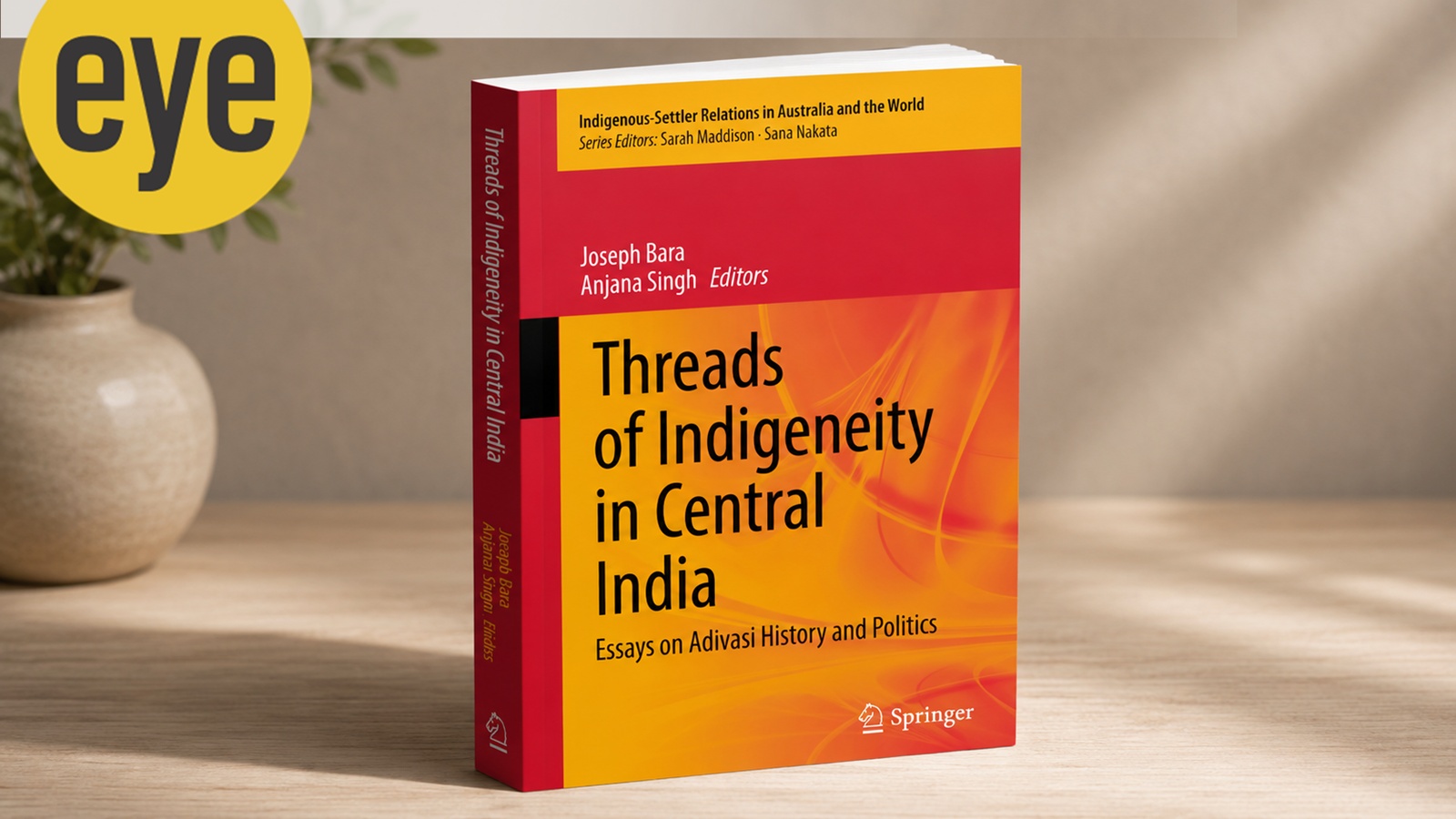
A new book called Threads of Indigeneity in Central India brings together 16 chapters about Adivasi land, struggles, identity, art, religion, language and culture.
Joseph Bara says Adivasis have always understood themselves as communities and resisted being absorbed into other groups.
Virginius Xaxa discusses why India has not accepted the United Nations declaration on Indigenous peoples.
The article says the book helps question old ideas and gives greater importance to Adivasi perspectives.

Studies of Adivasis have often focused on appropriation, exclusion and exoticisation since the colonial period.
Adivasi scholars have challenged Orientalist portrayals, while political discourse continues to use assimilative terms such as “vanvasi.”
Threads of Indigeneity in Central India, edited by Joseph Bara and Anjana Singh, contains 16 chapters in four thematic sections.
Joseph Bara argues that Adivasis were self-aware communities that actively resisted assimilation, rather than “backward Hindus.”
Virginius Xaxa examines how assimilation shaped India’s position on recognizing Adivasis as Indigenous peoples.
- Who
- Adivasi scholars, Joseph Bara, Anjana Singh and Virginius Xaxa are central to the discussion.
- What
- A new anthology challenges older portrayals of Adivasis and examines their history, rights, identity and culture.
- Where
- The discussion focuses on Adivasis in India, particularly central India.
- When
- The article discusses views dating from the colonial period, developments in recent decades and a contemporary movement for separate religious recognition.
- Why
- The anthology seeks to challenge assimilationist, Orientalist and exclusionary interpretations of Adivasi life and history.
Assimilationist Interpretations
Adivasi-Centered Interpretations
Identity and belonging
Assimilationist Interpretations
Adivasis have been portrayed as belonging within the broader Hindu pantheon, an argument used to question their status as Indigenous peoples.
Adivasi-Centered Interpretations
Adivasi scholars argue that Adivasis are self-aware communities with distinct identities that have resisted assimilation.
Historical description
Assimilationist Interpretations
Older colonial and postcolonial approaches often characterized Adivasis through terms associated with backwardness, difference or forest dwelling.
Adivasi-Centered Interpretations
The anthology challenges these categories as Orientalist and myopic, and emphasizes Adivasi voices, histories and claims to first nationhood.
Religious recognition
Assimilationist Interpretations
Assimilative interpretations support treating Adivasi religious identity as part of a wider religious framework.
Adivasi-Centered Interpretations
The movement for separate religious recognition seeks to challenge that framework and affirm distinct Adivasi identity.
Key facts
- Book
- Threads of Indigeneity in Central India
- Editors
- Joseph Bara and Anjana Singh
- Structure
- Four sections and 16 chapters
- Themes
- Land and customary rights; survival struggles; identity; art, religion, language and culture
- Older portrayal challenged
- The description of Adivasis as “backward Hindus”
- Political term criticized
- “Vanvasi,” meaning “forest dwellers”
- Current movement
- A movement for separate religious recognition of Adivasis across central India
Quotes
Joseph Bara
Co-editor and contributor to the anthology Threads of Indigeneity in Central India
“Adivasis have long been self-aware communities actively resisting assimilation.”
 indianexpress.com
Sources
Related news

To make India Vishwaguru, bring marginalised communities into mainstream: Bhagwat
Rajasthan To Table Uniform Civil Code Bill, Tribal Identity Debate
Why Census 2027 Must Count Nomadic Tribes Separately
Adivasi Leaders Take Oath for Jal, Jangal, Jameen Rights
Madhya Pradesh Congress leader raises separate tribal code demand
Historian Sumit Sarkar Dies After Reshaping Modern Indian History

19-Year-Old Student Dies at Palghar Agricultural College Hostel
His Book Is Free; Its Author Remains in Prison Untried
25 Dead, 14 Missing in Nigeria Boat Accident