3 weeks ago
His Book Is Free; Its Author Remains in Prison Untried
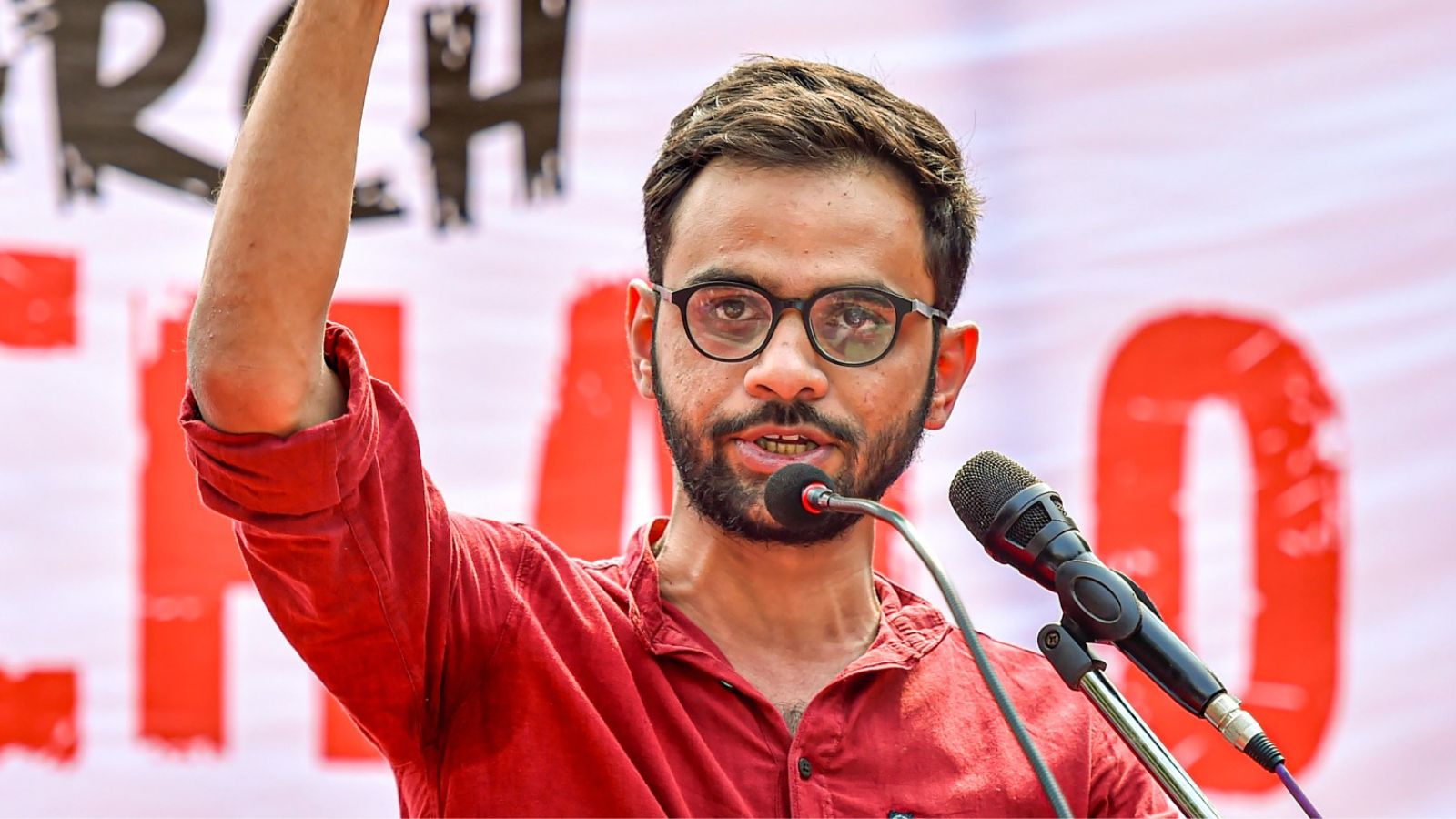
A mother wrote this story about her son, Umar.
Her son studied at a big university in India and wrote a very smart book about tribal communities and their history.
But he has been in prison for almost six years, even though his trial has not even started.
When his book came out, he could not go to a bookshop to see it or meet his readers.
The book can travel freely, but its author cannot.
The mother says that waiting in prison without a trial is its own kind of punishment.
She is happy the book has begun its own journey and hopes people will read it.
She believes a fair country should give people a real chance to defend themselves.
She hopes people will hear her son's voice by reading his book.

Umar, author of Fractured Communities, Adivasi Histories and Power, has spent nearly six years in prison under the UAPA without his trial even beginning.
The book grew out of his doctoral research at Jawaharlal Nehru University, and he submitted his thesis in July 2018 after being charged with sedition and rusticated.
Ramachandra Guha, who wrote the foreword, described the work as one of the finest doctoral dissertations by an Indian scholar he has read.
The Delhi High Court granted bail to Kashmiri activist Parvez Khurram after four-and-a-half years in custody, but the same judge had earlier refused Umar bail after five years in prison.
The piece argues the delay in trial has itself become the punishment and questions how the same law can lead to such different bail conclusions.
- Who
- Umar, a scholar and former doctoral researcher at Jawaharlal Nehru University, who is imprisoned under the UAPA; his mother Sabiha Khanum wrote the piece.
- What
- The publication of Umar's book, Fractured Communities, Adivasi Histories and Power, while he remains in prison for nearly six years without trial, prompting a critique of prolonged pre-trial detention and inconsistent bail rulings.
- Where
- India — involving Jawaharlal Nehru University, the Delhi High Court and the Supreme Court; the book examines the Adivasi communities of Singhbhum during British rule.
- When
- The book was recently published (exact date not given); Umar submitted his thesis in July 2018 and has now spent nearly six years in prison.
- Why
- His mother says the delay in trial has itself become the punishment, and she wants readers to engage with his scholarship and question a system that holds a person for years without trial.
Civil-liberty view (favouring bail)
State-security view (opposing bail)
Bail after years of detention without trial under UAPA
Civil-liberty view (favouring bail)
When a person has already spent years in custody with no trial in sight, the constitutional promise of liberty should take precedence over the harsher provisions of the UAPA, as held in the KA Najeeb precedent and applied when the Delhi High Court granted Parvez Khurram bail.
State-security view (opposing bail)
The delay in the trial alone is not enough to justify bail, the reasoning given when the same judge refused Umar bail after five years in prison without trial.
Consistency of bail rulings on UAPA cases
Civil-liberty view (favouring bail)
The same law, before the same judge, led to different conclusions, and one Supreme Court bench questioned how a later ruling could be allowed to override the KA Najeeb precedent.
State-security view (opposing bail)
Different cases can reach different results because courts weigh the specific circumstances of each case; the refusal of Umar's bail indicates the delay was considered insufficient on its own.
Key facts
- Book title
- Fractured Communities, Adivasi Histories and Power
- Author
- Umar, based on his doctoral research at Jawaharlal Nehru University
- Time in prison
- Nearly six years under UAPA without trial
- Thesis submission
- July 2018
- Foreword writer
- Ramachandra Guha
- Book subject
- Adivasi communities of Singhbhum during British rule
- Charges
- Charged with sedition; held under UAPA
- Writer of the piece
- Sabiha Khanum, entrepreneur and mother
Quotes
Sabiha Khanum
Mother of Umar, reflecting on her son’s imprisonment and scholarship
“I wonder if I am proud of him for surviving these years in unlawful incarceration with such grace and courage or I am more proud of him for the words in front of me.”
 indianexpress.com
Sources
Related news

JNU cancels venue for Umar Khalid's book discussion
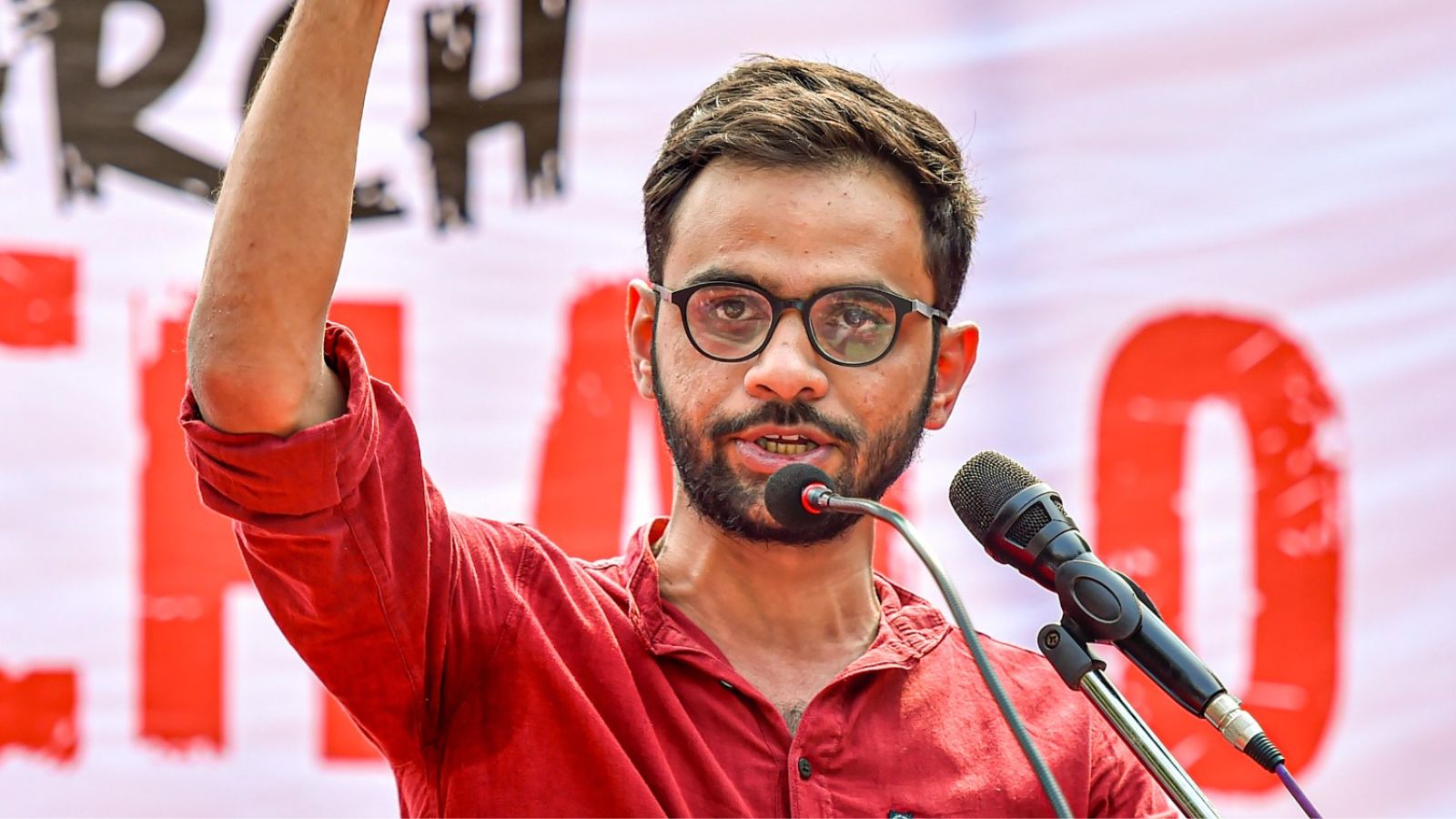
Why JNU Cancelling Umar Khalid's Book Talk Matters
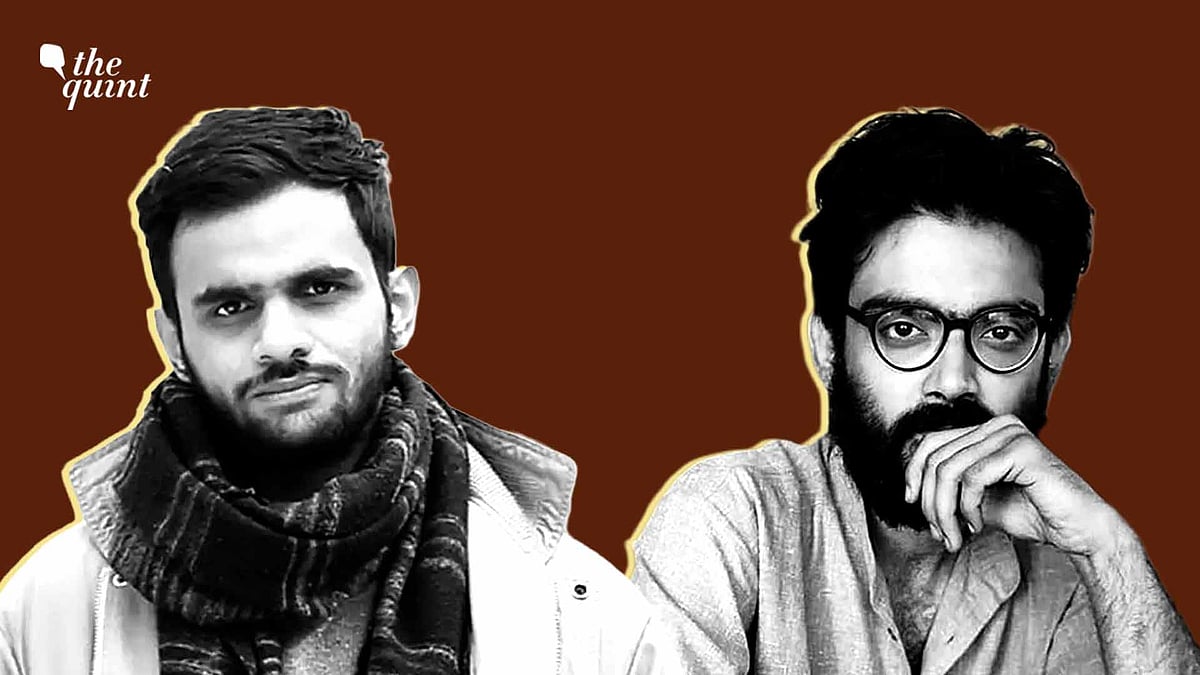
Intellectuals Urge CJI to Uphold Liberty in Umar Khalid Case
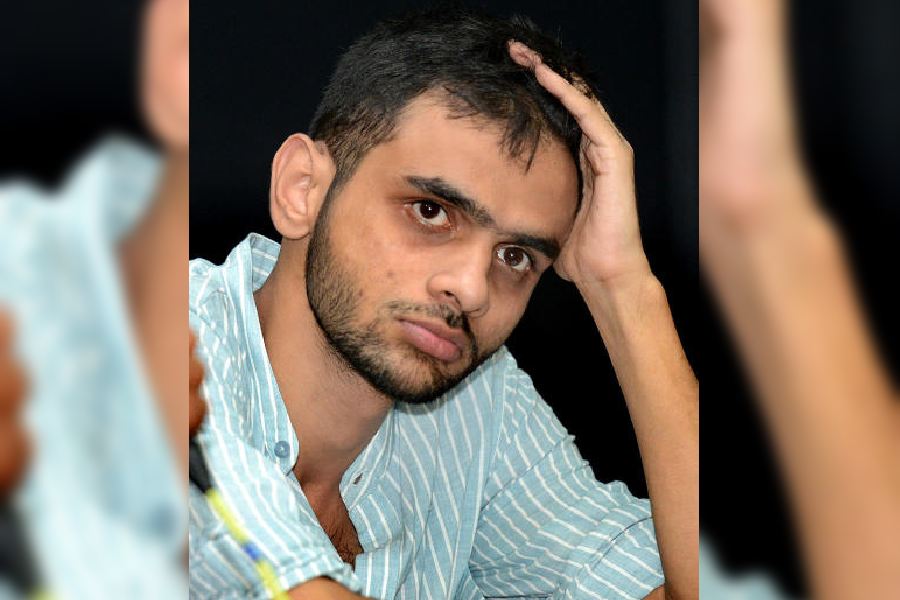
Readers Decry UAPA Detentions as Rulers' Mindset Unchanged

JNU Sees Sloganeering During Discussion on Umar Khalid's Book
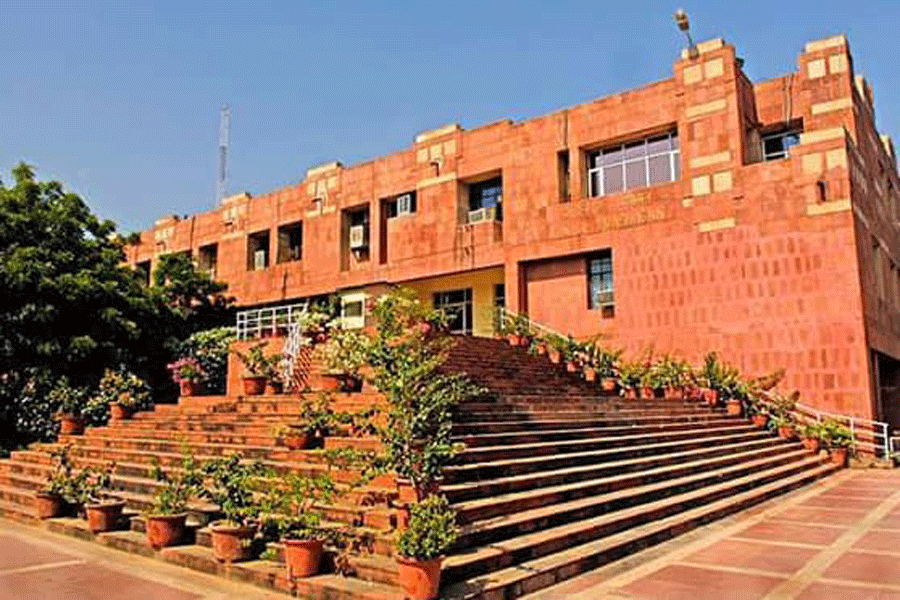
JNU Cancels Auditorium Booking for Umar Khalid Book Discussion

19-Year-Old Student Dies at Palghar Agricultural College Hostel
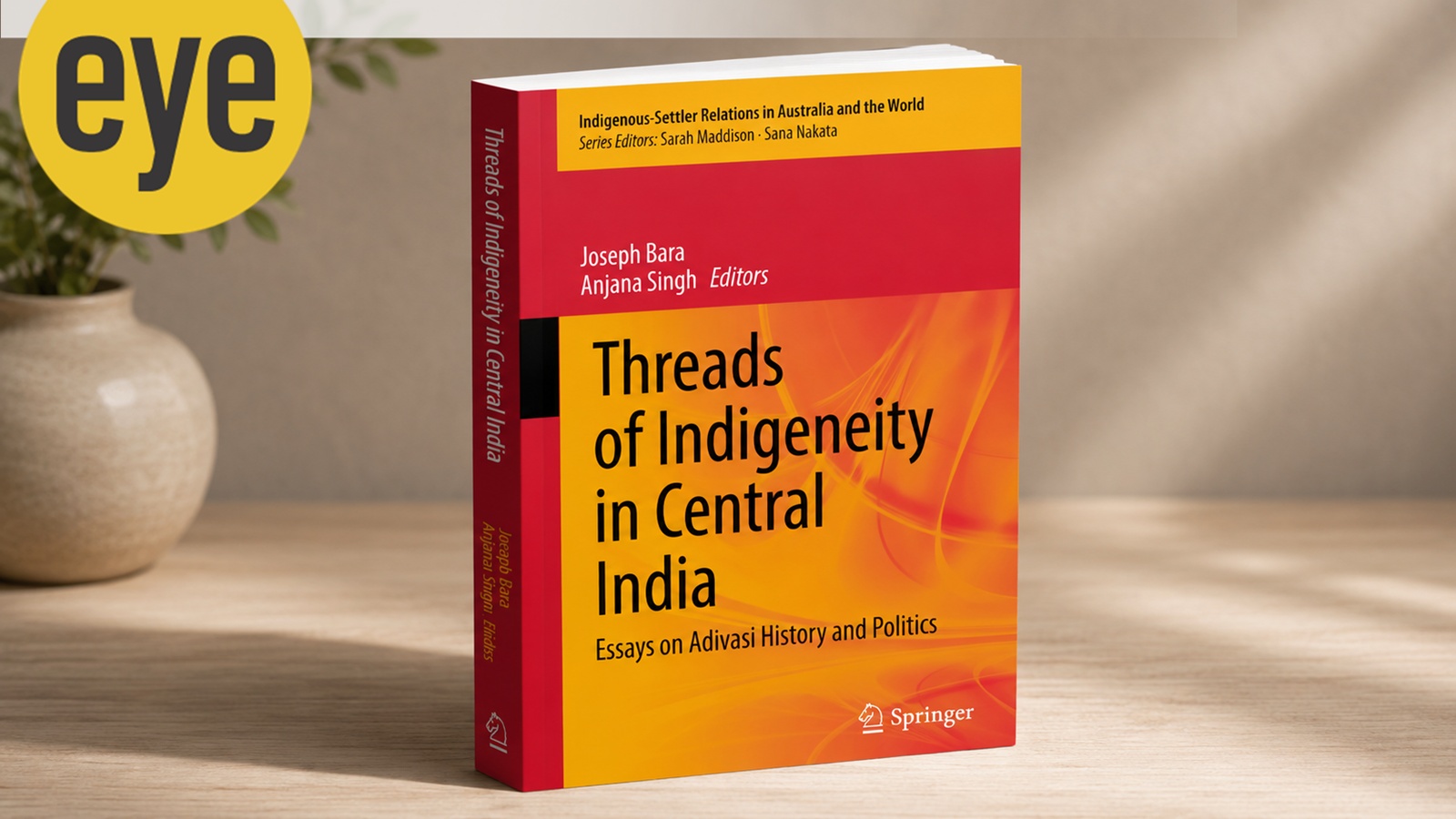
Who Writes Adivasi History—and Whose Voices Are Missing?

25 Dead, 14 Missing in Nigeria Boat Accident