

1 week ago
Historian Sumit Sarkar Dies After Reshaping Modern Indian History
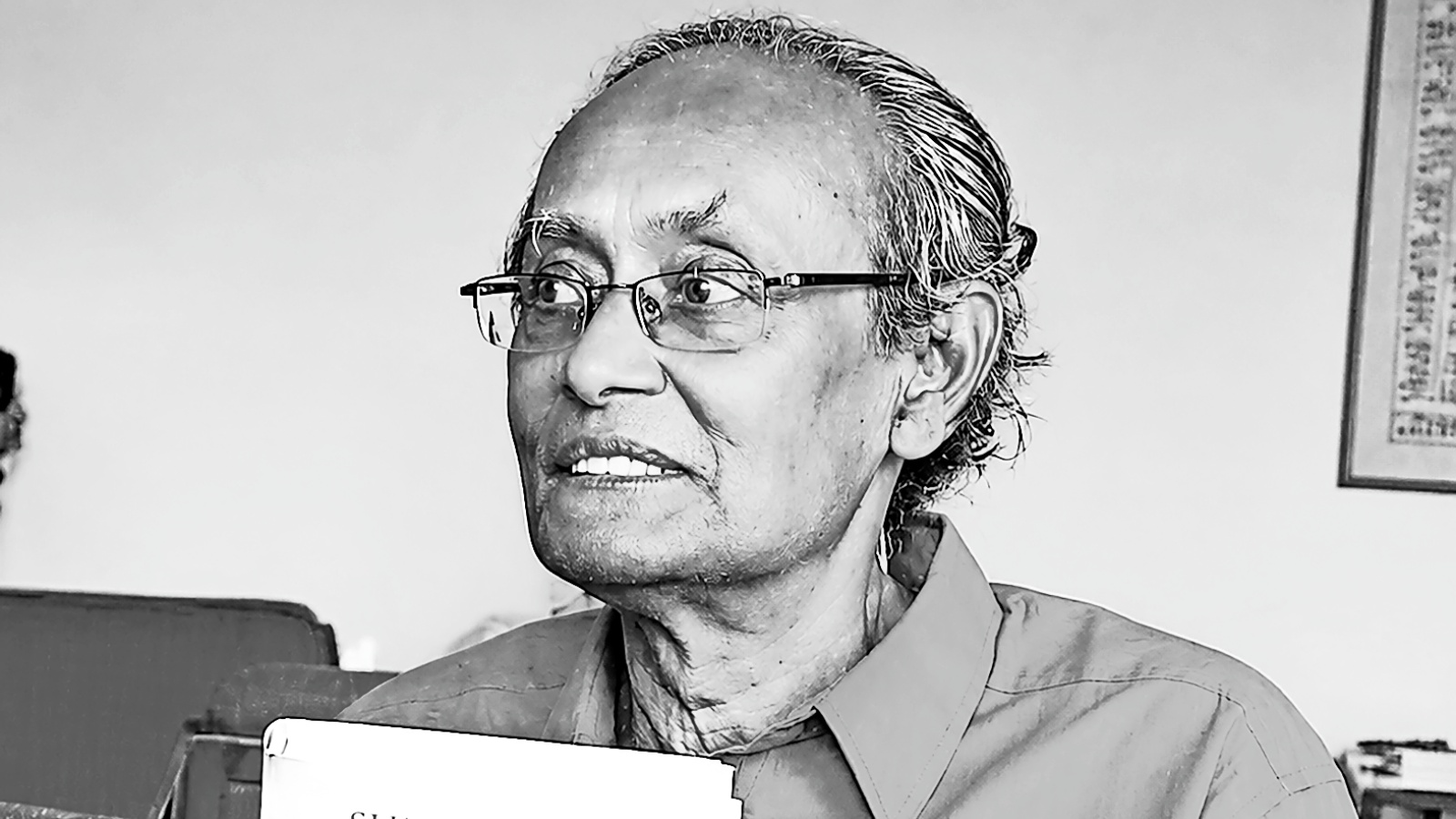
Sumit Sarkar was a historian who studied how ordinary Indians shaped the country’s past.
He wrote about peasants, workers, small artisans and other people often left out of history books.
His early work helped inspire Subaltern Studies, a group that focused on history from below.
This approach argued that ordinary people had their own political ideas and actions.
Later, Sarkar criticized parts of Subaltern Studies for moving away from class-based history.
He also wrote an influential textbook about modern India.
In 2007, he returned a literary award after police fired on farmers in Nandigram.
He spent his later years studying small, unusual events that larger histories might overlook.
His books influenced generations of students and historians.

Sumit Sarkar, a major modern Indian historian, died on August 13, 2026, aged 87.
His 1973 book on the Swadeshi Movement shifted attention toward workers, peasants and artisans.
Sarkar helped shape Subaltern Studies, which sought to recover ordinary people’s role in history.
He later criticized the movement’s turn toward Western theory, secularism and Enlightenment critiques.
Sarkar returned the Rabindra Puraskar in 2007 after police firing on farmers in Nandigram.
- Who
- Sumit Sarkar, a prominent Indian historian and contributor to Subaltern Studies.
- What
- He died at age 87 after a career that reshaped modern Indian history writing.
- Where
- He was born in Calcutta and was associated with historical work in India and England.
- When
- August 13, 2026; he was born in 1939.
- Why
- His death is being noted because of his influential scholarship, teaching and public interventions.
Subaltern Studies’ Original Approach
Sarkar’s Critique
Focus of historical research
Subaltern Studies’ Original Approach
The movement emphasized ordinary people, including peasants, workers and tribal communities, and argued that they had an autonomous sphere of politics.
Sarkar’s Critique
Sarkar supported recovering marginalized voices but later objected to the movement’s shift away from class-based histories.
Use of Western theory
Subaltern Studies’ Original Approach
Later Subaltern Studies work drew on thinkers including Michel Foucault and Jacques Derrida to critique Western thought, secularism and Enlightenment values.
Sarkar’s Critique
Sarkar argued that some of these critiques came dangerously close to arguments associated with the Hindu Right.
Key facts
- Age at death
- 87
- First major book
- The Swadeshi Movement in Bengal, 1903-1908, published in 1973
- Influential textbook
- Modern India, 1885-1947, first published in 1983
- Later book
- Modern Times: India 1880s–1950s, published in 2014
- Historical movement
- Subaltern Studies, launched as a series in 1982
- Award returned
- Rabindra Puraskar, returned in 2007
- Survivor
- His wife, Tanika Sarkar
Quotes
Sumit Sarkar
Indian historian and key contributor to Subaltern Studies
“All historians are entitled to try and understand their Others.”
 indianexpress.com
Sources
Related news

Sumit Sarkar: Historian Who Rewrote India's Freedom Struggle Memory

Historian Sumit Sarkar, three-decade Delhi University teacher, dies at 87
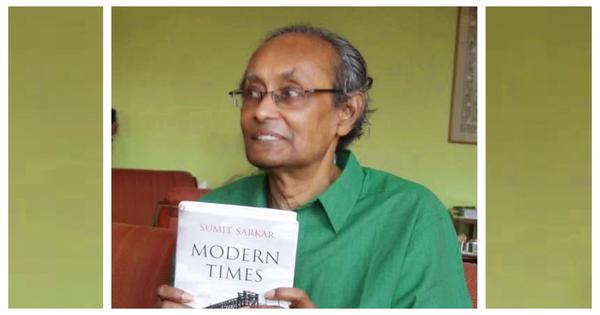
Sumit Sarkar’s History Challenged Dogma and Defended Pluralism
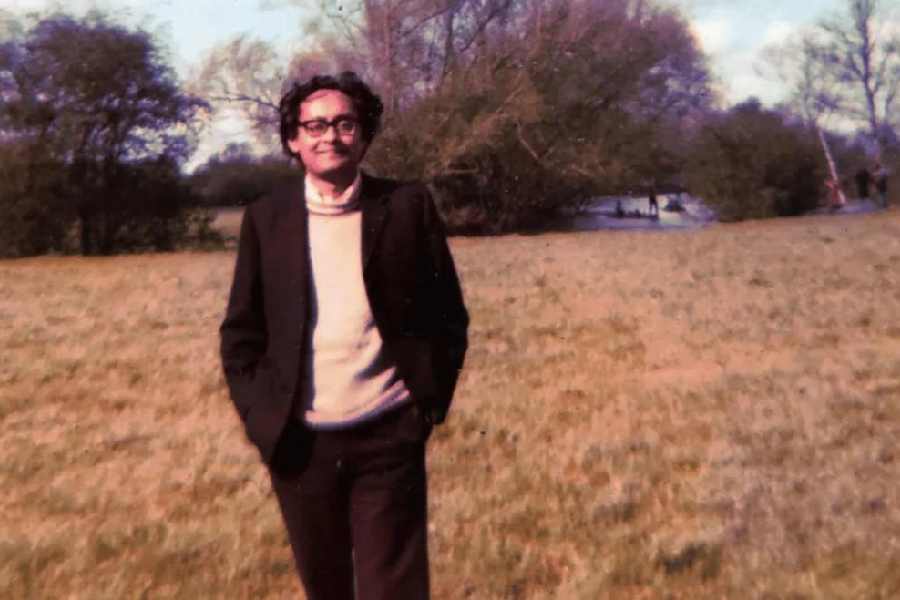
Sumit Sarkar: A Historian Who Questioned History Through Humanity
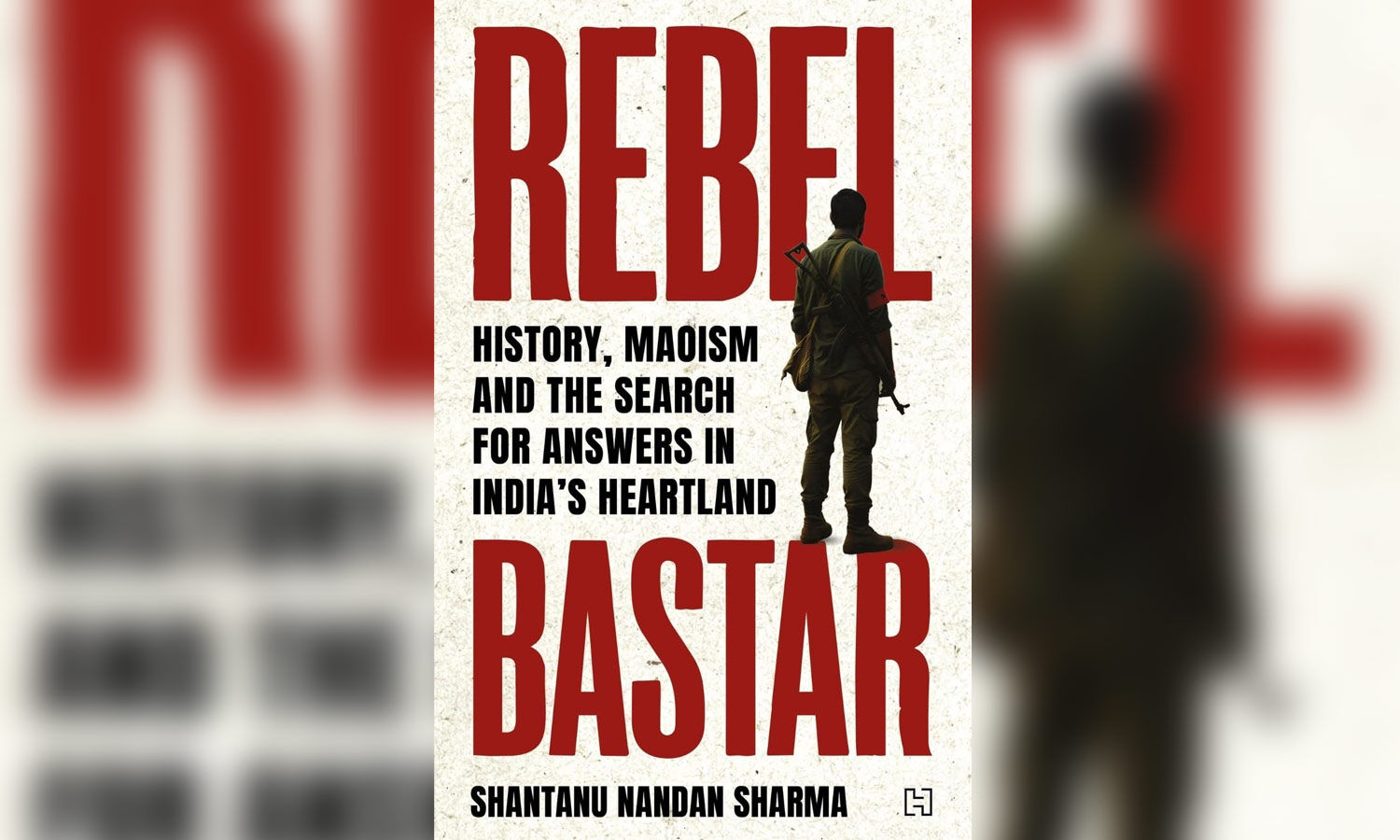
'Rebel Bastar' Book Explores History Behind India's Maoist Insurgency
