5 days ago
Nepal Floods Kill 469 as Barrier Lakes Threaten New Deluge
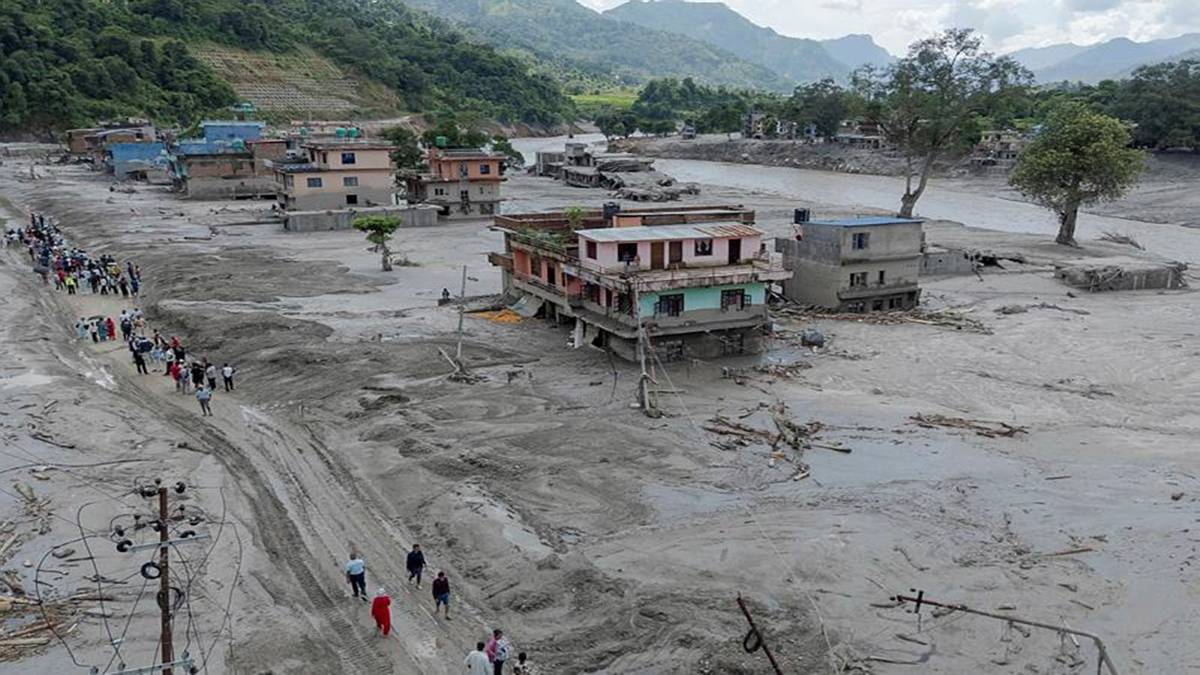
A huge flood hit Nepal near the border with Tibet on Wednesday.
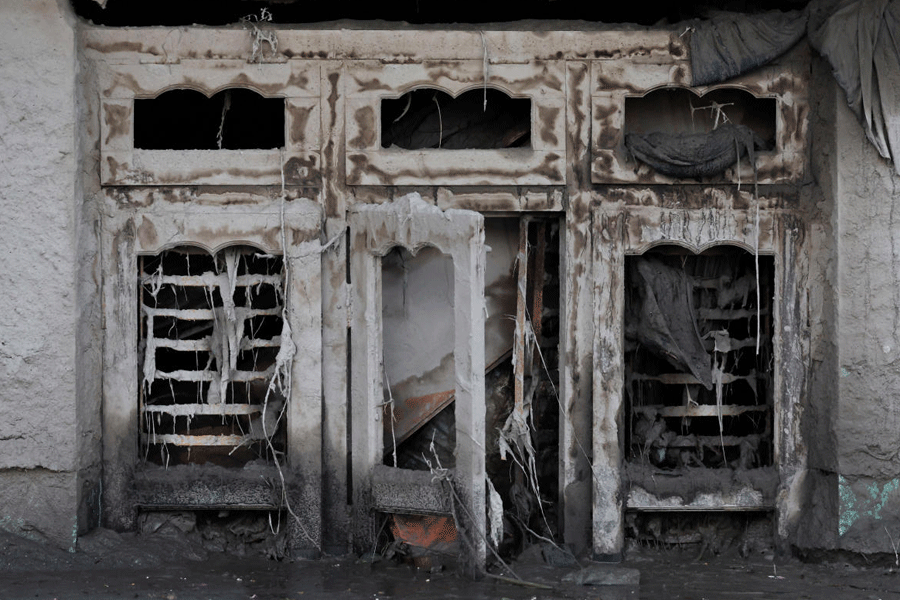
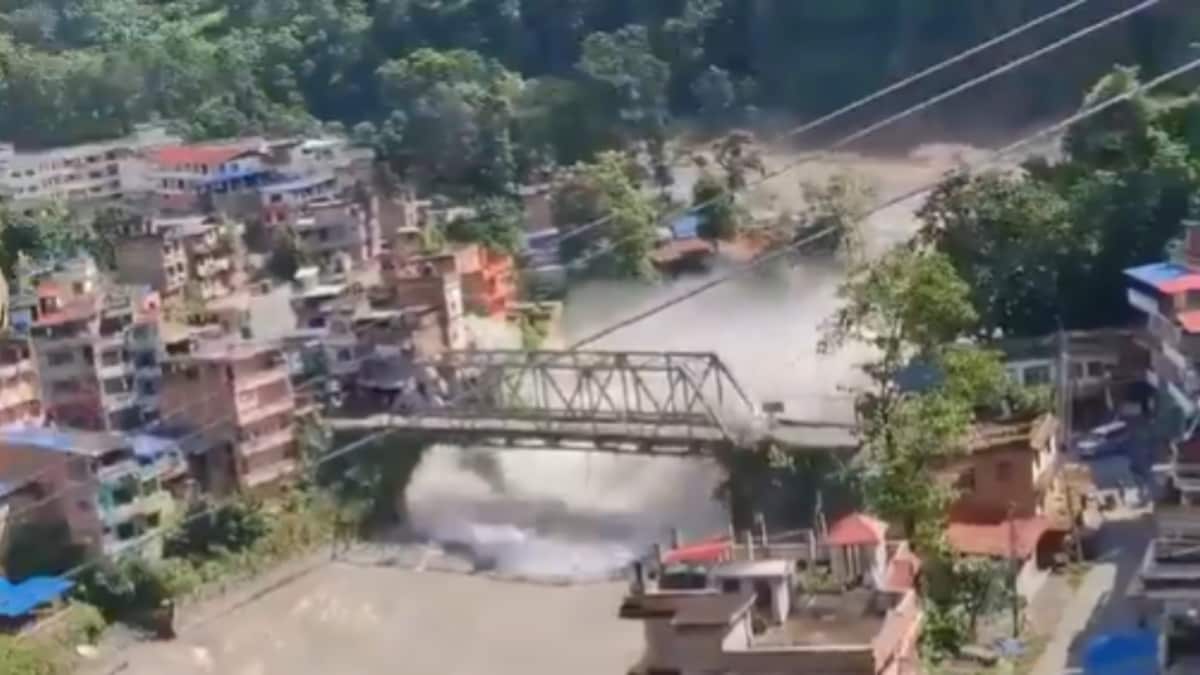
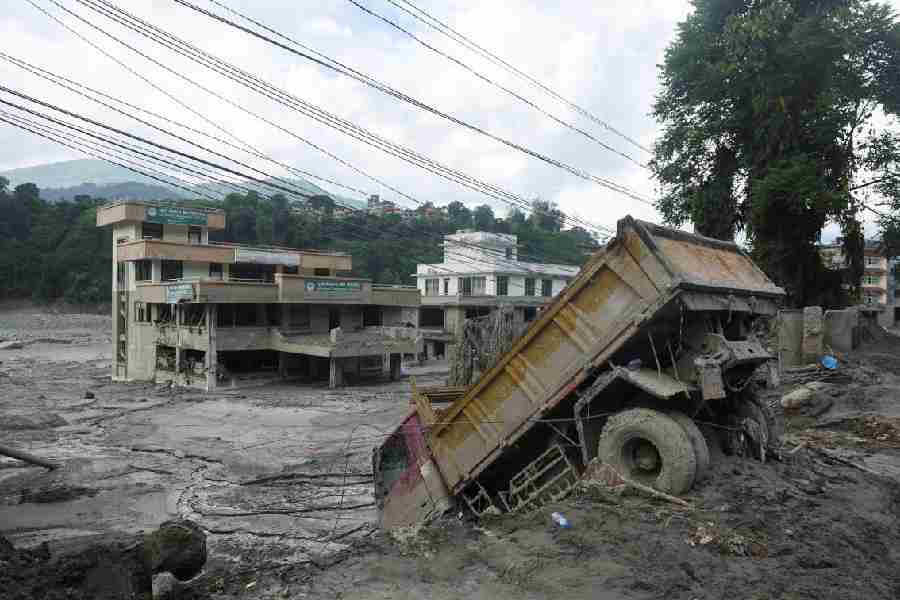
Water, mud and rocks rushed down the mountains and destroyed homes, roads, bridges and power projects.
Nepal says 469 people have died, but reports disagree about how many people are still missing.
Many missing people were tourists or pilgrims traveling through the mountains.
Scientists think a glacier collapse or ice-and-rock avalanche started the disaster.
The rushing water also piled up debris and made new lakes behind natural dams.
These lakes are filling with more water and could burst, causing another flood.
China stopped some rescue work because the area was too dangerous, while Nepal continued looking for survivors.
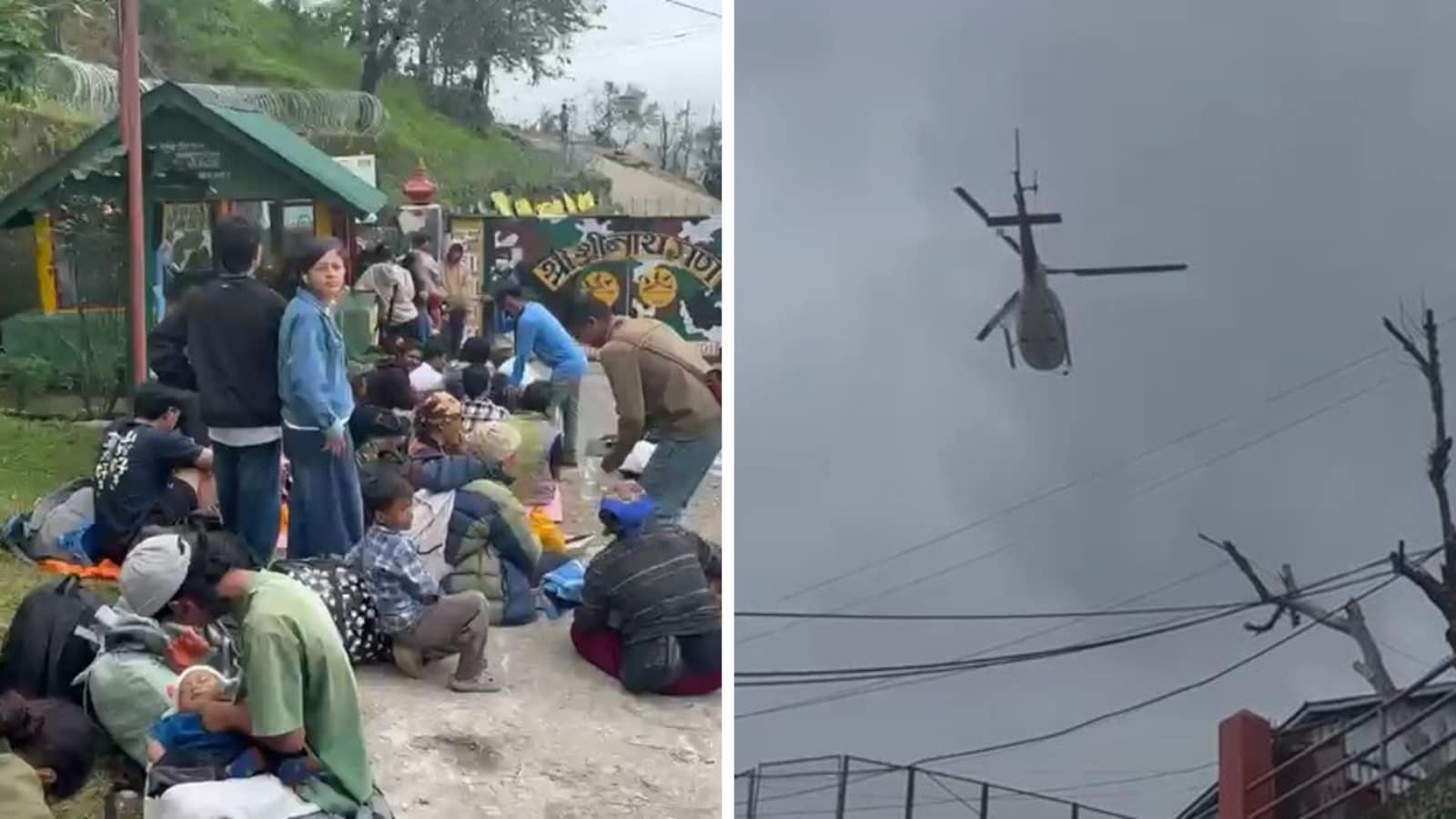
Rescuers also tried to reach people trapped in a hydropower tunnel.

Nepal reported 469 deaths after flash floods and debris flows struck on Wednesday.
Reports differ on the number missing, ranging from nearly 1,000 to more than 1,500, including foreign tourists and pilgrims.
A glacial collapse or ice-rock avalanche sent water, mud and debris downstream from Tibet into central Nepal.
Debris-blocked rivers formed barrier lakes holding about 2 million cubic metres of water, with another 3 million expected.
China paused rescue operations because of renewed-flooding risks, while Nepal continued searches and helicopter efforts.
- Who
- At least 469 people died in Nepal; nearly 1,000 to more than 1,500 people were reported missing across Nepal and Tibet, including foreign nationals.
- What
- Flash floods and debris flows destroyed settlements and infrastructure and created a continuing risk of further flooding from barrier lakes.
- Where
- The floods affected central Nepal and areas along the Nepal-Tibet border, including Rasuwa, Dhading, Nuwakot and Tibet's Gyirong County.
- When
- The disaster struck on Wednesday, with rescue operations continuing on Friday, August 28, 2026.
- Why
- Reports attributed the flooding to a glacial collapse or ice-rock avalanche that sent water and debris downstream; debris dams then formed rising barrier lakes.
Nepal-Led Response
International Assistance
Foreign rescue teams
Nepal-Led Response
Nepal's foreign ministry said its security agencies were conducting search and rescue and that foreign rescue assistance was not currently required.
International Assistance
Other countries offered help, and United States President Donald Trump said Washington had offered support and would provide whatever assistance Nepal wanted.
Cause of the disaster
Nepal-Led Response
Some initial accounts linked the seismic signal to an earthquake, while Nepali experts suspected an avalanche or glacial collapse blocking the Lhende River.
International Assistance
The United States Geological Survey later said the signal was generated by a glacial collapse and debris flow rather than an earthquake.
Rescue operations amid renewed risk
Nepal-Led Response
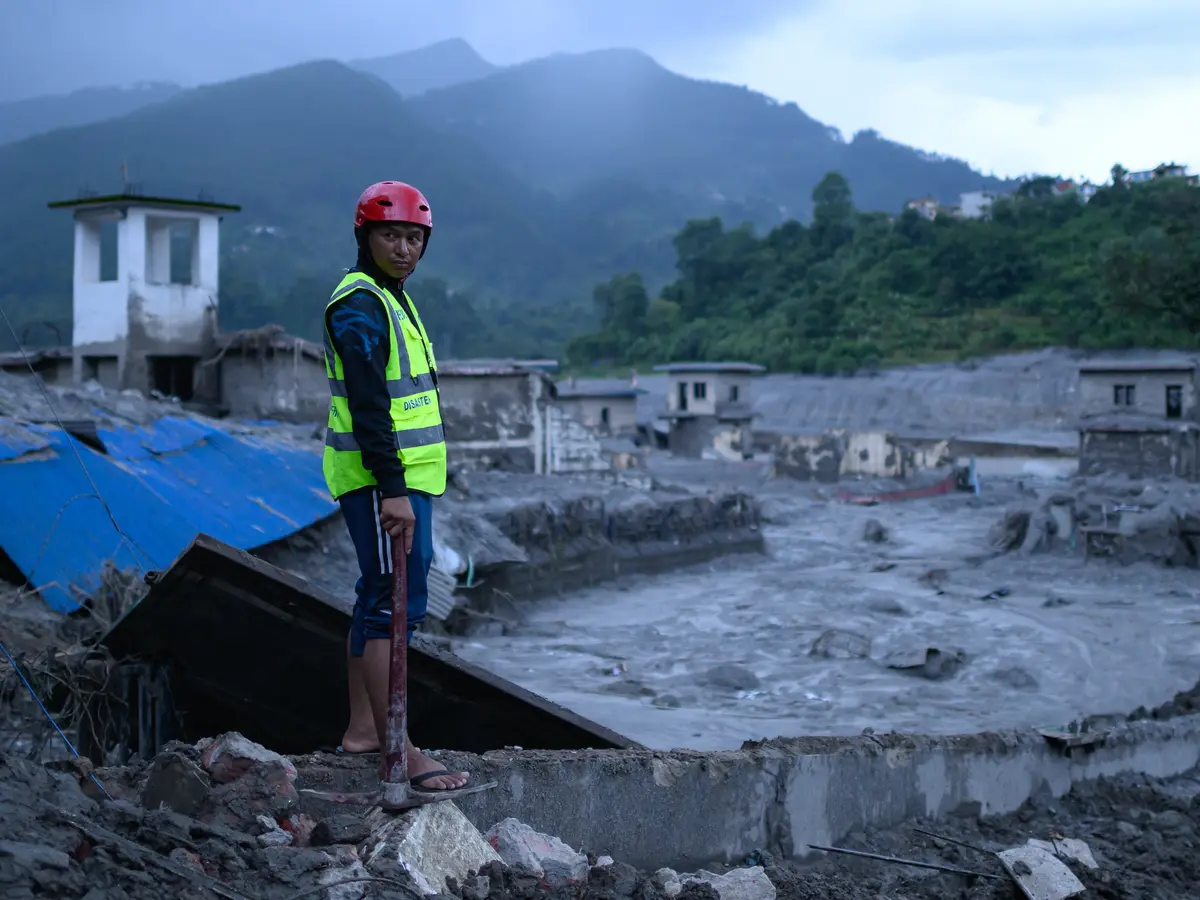
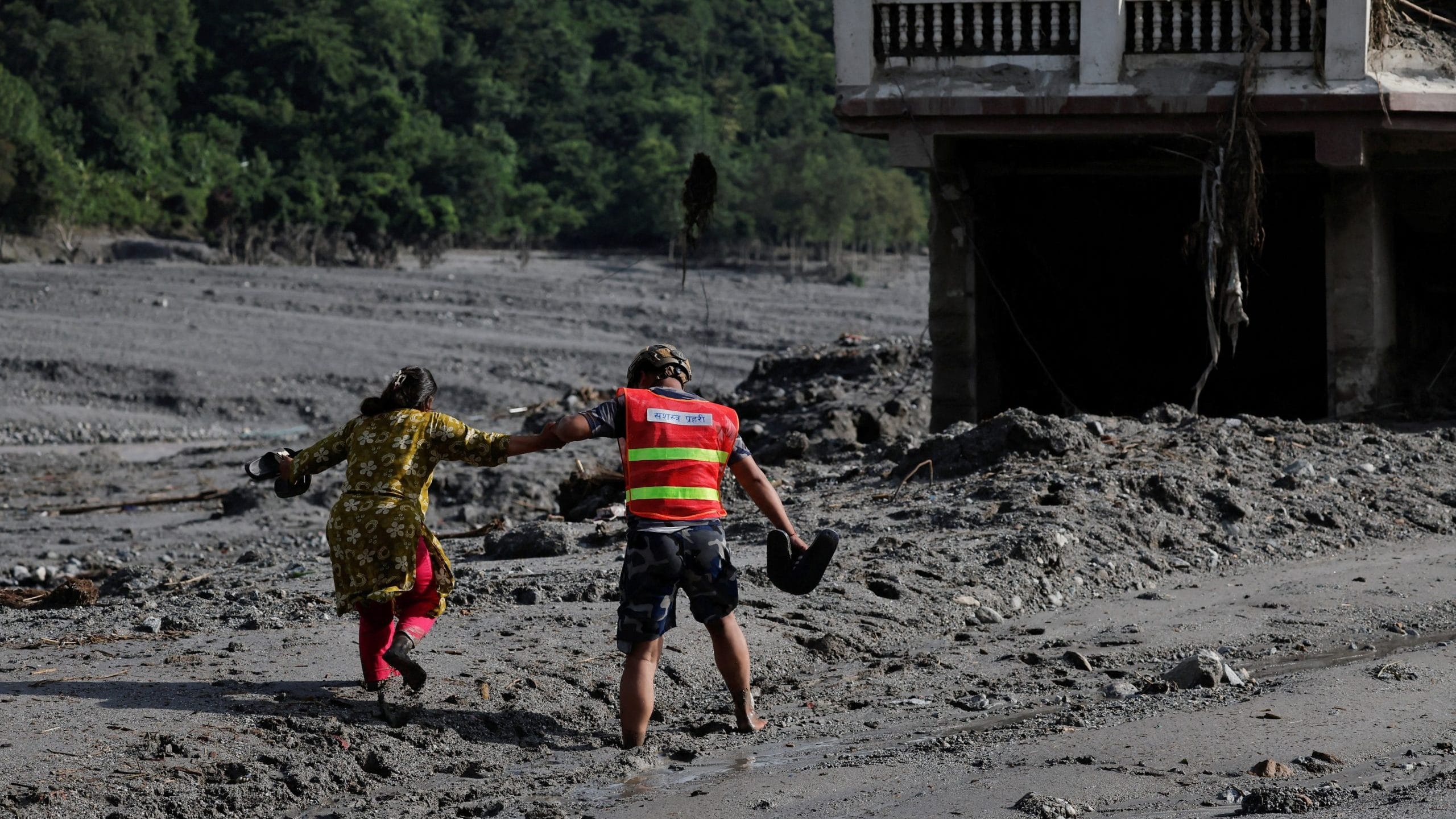
Nepal continued searches, deployed helicopters and security personnel, and attempted to rescue about 100 people trapped in a hydropower tunnel.
International Assistance
China paused its rescue operation and ordered teams to stand by because authorities considered renewed flooding too dangerous.
Key facts
- Reported death toll
- Nepal reported 469 deaths; three additional deaths were reported in Tibet.
- Missing people
- Reports varied from nearly 1,000 to more than 1,500 people missing across Nepal and Tibet.
- Foreign nationals missing
- Reuters reported at least 540 foreigners among those missing; other reports listed missing nationals from India, the United States, Malaysia, Australia, Britain, Canada and other countries.
- Nepal rescue effort
- Nepal reported 1,545 injured or stranded people rescued, 84 people under treatment in Kathmandu, and 7,451 security personnel deployed.
- Barrier-lake threat
- About 2 million cubic metres of water had accumulated in a debris-blocked lake, with another 3 million cubic metres expected over three days.
- China's response
- China evacuated more than 1,000 people from Gyirong County, including 555 tourists, and paused rescue operations because of renewed-flooding risks.
- Potential reconstruction cost
- Businessman Binod Chaudhary estimated that rebuilding Nepal's infrastructure could cost at least $5 billion.
Quotes
Lok Bahadur Chhetri
Spokesperson for Nepal’s foreign ministry
“All the state agencies are operating at full capacity. Our first priority now is to save life of each citizen, search and rescue of the missing, treat the injured and provide immediate relief to the affected families”
 telegraphindia.com
“The offer for help is natural. Our security agencies are doing the search and rescue operation. For now we don’t require such help”
telegraphindia.com
China’s rescue officials
Officials overseeing China’s flood rescue operation
“Nobody's ever seen anything quite like that, where very powerful, strong, well-built buildings were wiped out like they were toothpicks. It's a terrible thing. We are sending aid and we've spoken to the leadership and we let them know anything they want, they'll have.”
telegraphindia.com
“All rescue teams have been ordered to stand by in place and wait for further instructions.”
 livemint.com
Chen Hanxiao
An engineer involved in assessing the threatened barrier lake.
“After the glacier collapse created the lake, many isolated cliffs and steep cliffs appeared along it.”
 financialexpress.com
Sources
Nepal flood toll reaches 469, fresh flood threat looms from barrier lakes

Nepal floods top updates: At least 469 dead, over 1,000 missing as China halts rescue ops amid risk of renewed flooding
Nepal floods kill 469: Fresh threat emerges as barrier lake breaches near China – What happened so far
Nepal Floods Live Updates: Death Toll Nears 400 As Rising Lake Threatens Fresh Deluge
Related news

Glacial Collapse Floods Nepal and Tibet, Leaving Thousands Missing
Nepal Flood Death Toll Rises as Rescue Efforts Continue
Nepal-Tibet Flood Death Toll Reaches 691

Nepal Flood Death Toll Rises Amid Fresh Lake Outburst Warning
Nepal Flood Toll Rises as Rescue Teams Face More Flooding
Himalayan Flood Leaves Hundreds Dead, Thousands Missing Across Nepal, China

Nepal Thanks India as Glacial Disaster Rescue Efforts Continue
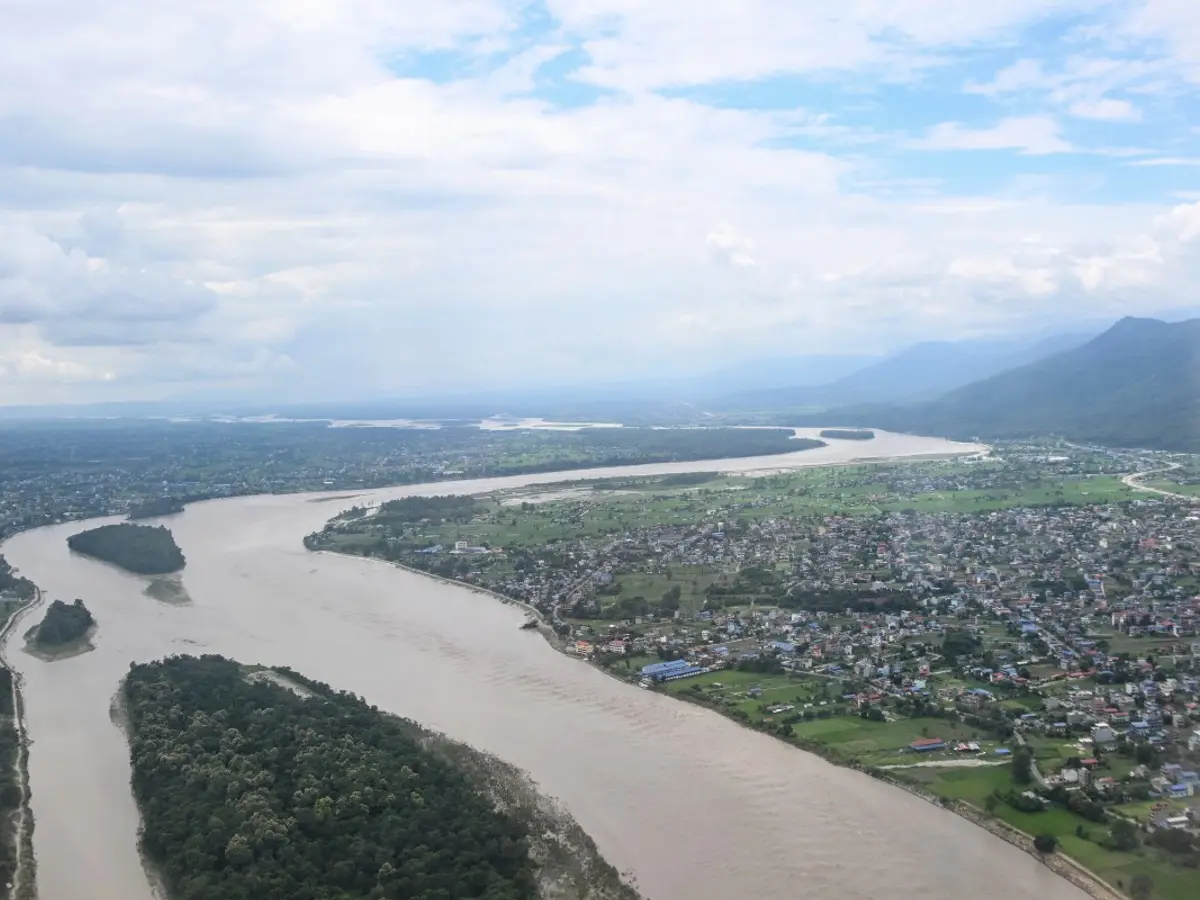
Nepal Warns of Heavy Rain After Deadly Floods
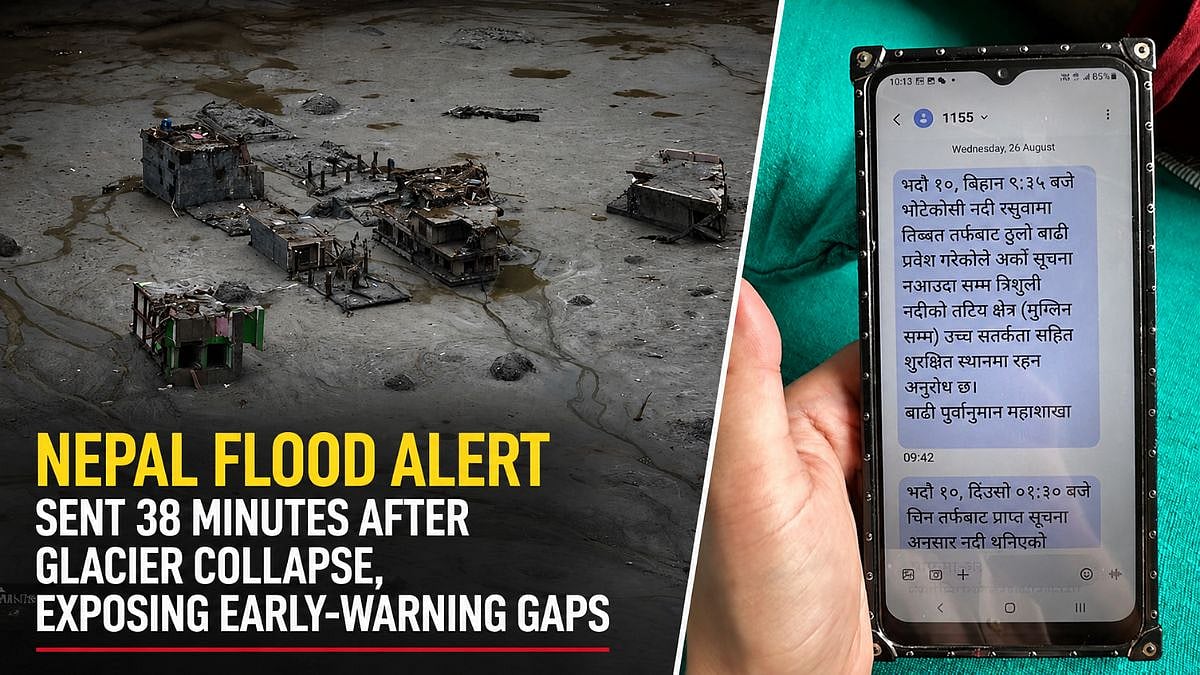
Nepal Flood Exposes Delayed Alerts and Cross-Border Warning Gaps

Bhotekoshi Flood Crisis: Nepal PM Shah Calls for Courage

Nepal PM Thanks India, China Amid Climate Compensation Demand