1 week ago
Green Urea Could Bring India Closer to Fertiliser Self-Reliance
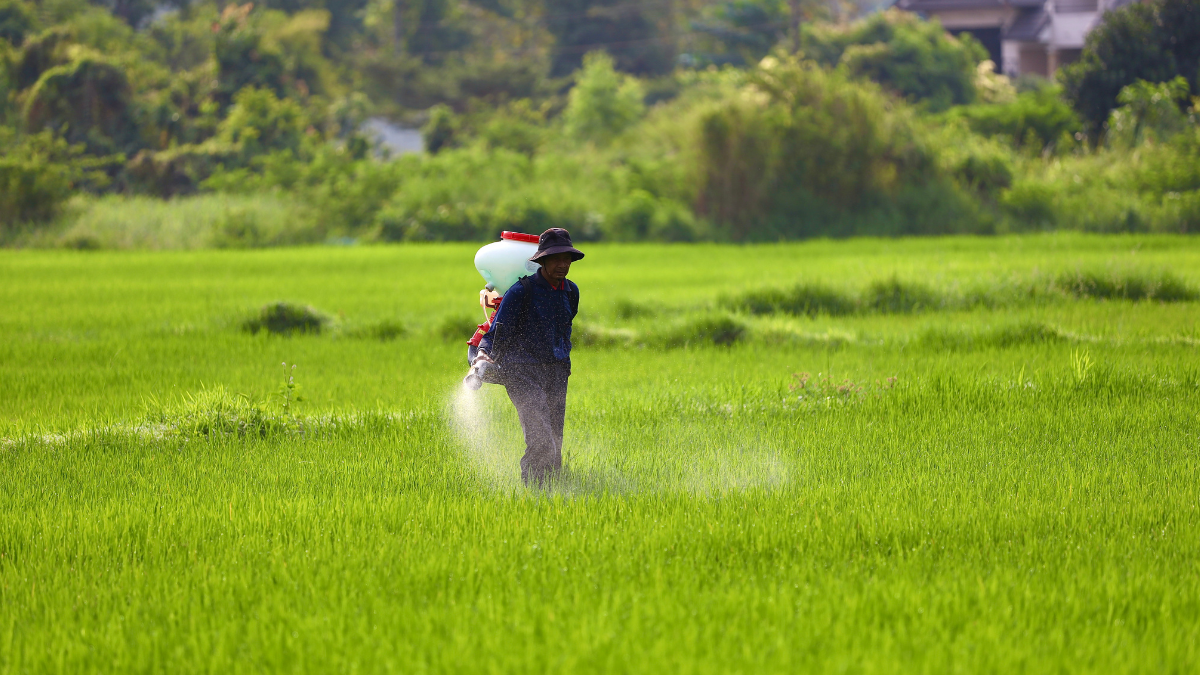
India uses a lot of urea to help farmers grow food.
Much of this fertiliser depends on imported gas or imports from other countries.
Wars and other troubles can make those supplies expensive or hard to obtain.
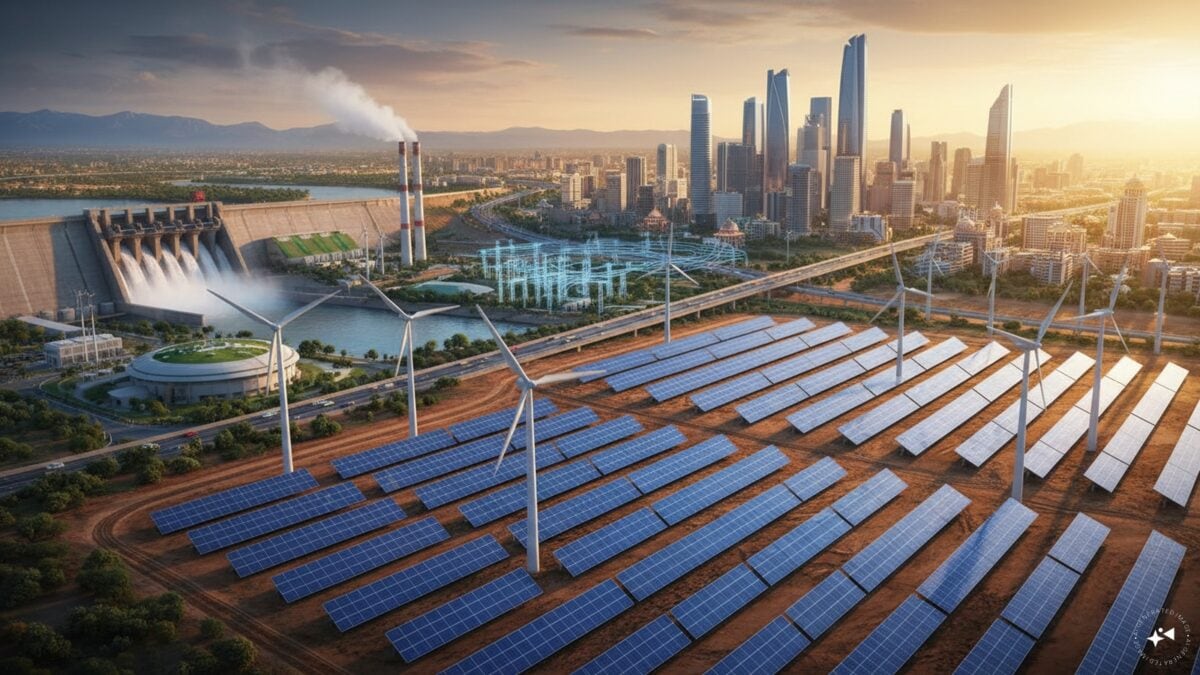
Green urea is a proposed way to make fertiliser using clean electricity, water, air, and captured carbon dioxide.
The article says green ammonia, an important ingredient, has become cheaper.
Carbon dioxide from ethanol factories and power plants could be used instead of released into the air.
Smaller factories could make fertiliser closer to farms and reduce transportation costs.
The government is asking companies to build green-urea plants.
The author argues that this could reduce imports and make India more self-reliant, although the projected savings and costs are estimates.

More than 80% of India’s urea use depends on imported natural gas or overseas purchases, leaving supplies vulnerable to geopolitical shocks.
The article says green urea can be made using renewable electricity, water, nitrogen from air, and captured carbon dioxide.
Green ammonia prices have reportedly fallen to about Rs 50,000-60,000 per tonne, making green urea increasingly competitive.
Carbon dioxide from ethanol plants and thermal-power facilities could provide enough feedstock for substantial domestic green-urea production.
The government has invited companies to establish green-urea plants, with the article projecting lower costs, import savings, and more local jobs.
- Who
- Indian farmers, the Indian government, fertiliser companies, and potential green-urea producers.
- What
- India is considering green-urea production to reduce dependence on imported natural gas and imported fertiliser.
- Where
- In India, using renewable energy and carbon dioxide from domestic power and ethanol facilities.
- When
- The article discusses current conditions and targets establishing five million tonnes of green-urea capacity by 2030.
- Why
- To protect fertiliser supplies from geopolitical and price shocks, reduce imports, lower transport costs, and support domestic production.
Key facts
- Urea dependence
- More than 80% of India’s urea use is either made from imported natural gas or purchased from other countries.
- Recent price shock
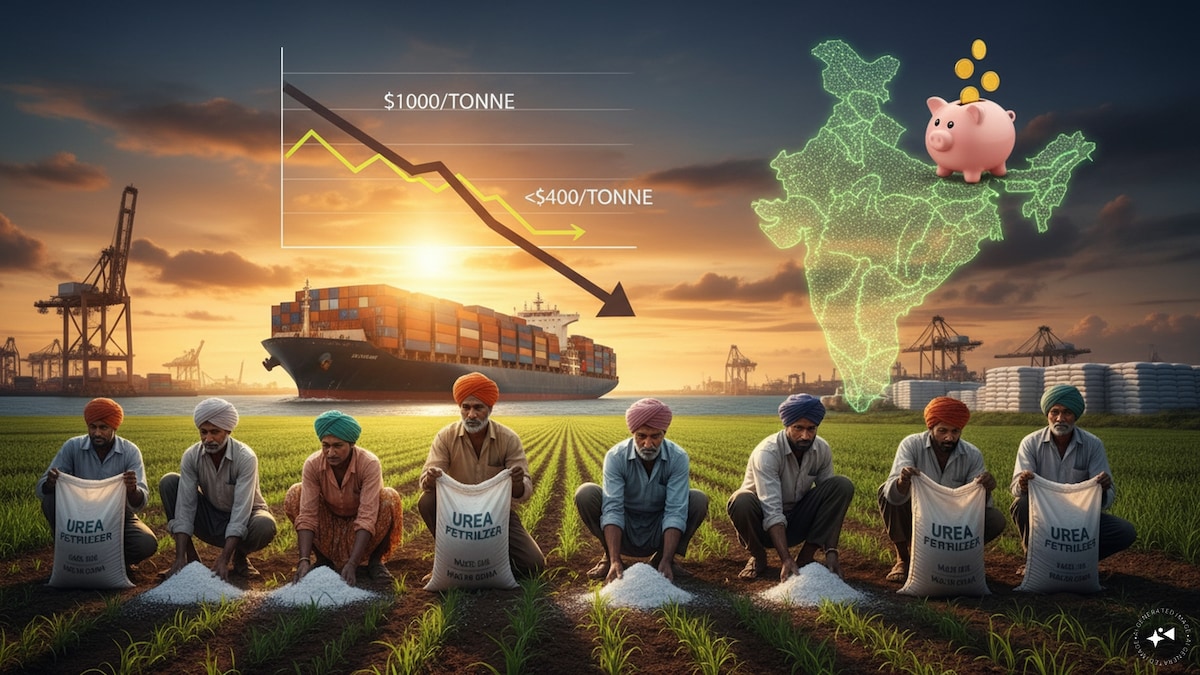
- Imported urea reportedly rose to Rs 90,000-95,000 per tonne before prices later halved.
- Green-ammonia price
- The article puts current green-ammonia prices at about Rs 50-60 per kg.
- Potential carbon-dioxide supply
- India’s current ethanol capacity could provide at least 10 million tonnes of carbon dioxide annually, according to the article.
- Potential urea output
- That carbon dioxide supply could support production of 13.5 million tonnes of green urea.
- Projected 2030 cost
- Green urea is estimated to cost under Rs 45,000 per tonne today and below Rs 40,000 per tonne by 2030.
- Government action
- The Ministry of Chemicals and Fertilizers has issued an expression of interest for green-urea plants.
- Estimated savings
- Installing five million tonnes of green-urea capacity by 2030 is projected to save about Rs 1.5 lakh crore over 20 years.
Sources
Related news
Urea import prices fall 60% from April peak
India's Fertiliser Subsidy Spending Reaches 56% of Budget Estimate
Falling Urea Prices Offer India Relief From Subsidy Pressure

India's urea import prices fall 12% as fertilizer supply eases

GOBARdhan Scheme to reduce gas imports by USD 5 billion

India's Fertiliser Subsidy Budget Rapidly Depleted by Global Price Surge
India Needs a Unified Ministry to Strengthen Energy Security
L&T, Reliance and Advait Share 300 MW Hydrogen Capacity

Serentica, Resonia Plan Rs 1.2 Lakh Crore Capex

India’s Transmission Boom Faces Execution and Returns Pressure