

3 weeks ago
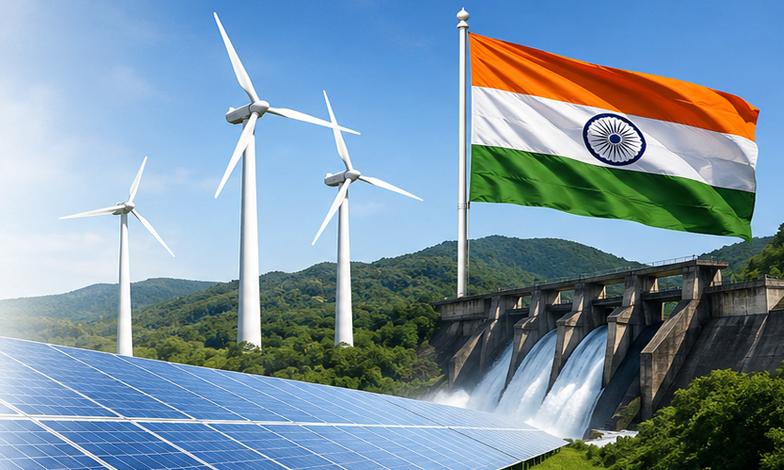
India crosses 300 GW clean energy, 60% of 2030 target

India has reached a very big clean energy goal.
The country can now make more than 300 gigawatts of electricity without burning fossil fuels.
That is more than half of all the power India can make.
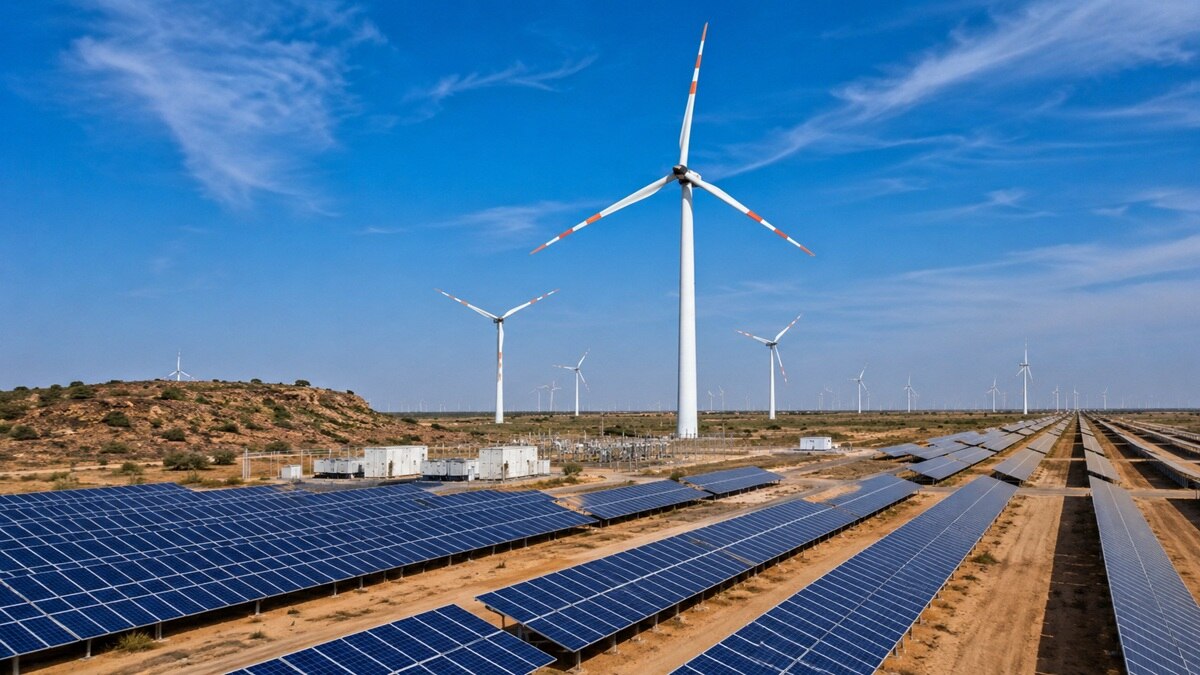
Solar power has grown the most, from 2.8 gigawatts in 2014 to about 165 gigawatts today.
Wind power also grew a lot, from 21 gigawatts to about 58 gigawatts.
Hydro, bio-power, and nuclear power together add the rest of the clean energy.
In 2025-26, India added a record amount of clean energy, mostly from solar and wind.
Renewable electricity generation jumped from about 191 billion units to around 478 billion units.
India has now reached 60 percent of its goal of 500 gigawatts by 2030.
The government is also helping factories build solar parts in India through incentive programs like the Production Linked Incentive scheme, and it is working on green hydrogen to make factories cleaner.

India's non-fossil fuel power capacity crossed 300 GW, reaching 300.50 GW as of July 31, 2026 and accounting for over 54% of the country's total capacity of around 552 GW.
The milestone represents more than 60% of India's 500 GW non-fossil fuel capacity target for 2030, leaving close to 200 GW to be added.
Solar capacity surged from 2.8 GW in 2014 to 164.59 GW, while wind capacity grew from 21 GW to 58.14 GW over the same period.
A record 55.29 GW of non-fossil capacity was added during 2025-26, led by 44.6 GW of solar and 6 GW of wind power.
Renewable energy generation rose from 190.96 billion units in 2014-15 to 477.79 billion units in 2025-26, and enlisted capacity under ALMM for solar PV modules crossed 200 GW, up from 2.3 GW in 2014.
- Who
- India's Ministry of New and Renewable Energy, which announced the milestone
- What
- India's installed non-fossil fuel-based electricity generation capacity crossed 300 GW, reaching 300.50 GW and accounting for over 54% of the nation's total capacity of around 552 GW
- Where
- India; the statement was issued from New Delhi
- When
- As of July 31, 2026; the announcement was made on a Sunday
- Why
- To track progress toward India's 2030 target of 500 GW of non-fossil fuel capacity, supporting climate commitments, energy independence, and industrial competitiveness
Key facts
- Non-fossil capacity
- 300.50 GW as of July 31, 2026
- Share of total capacity
- Over 54% of ~552 GW
- 2030 target progress
- 60% of 500 GW achieved; ~200 GW remaining
- Solar capacity
- 164.59 GW (from 2.8 GW in 2014)
- Wind capacity
- 58.14 GW (from 21 GW in 2014)
- Other capacity components
- Hydro 57.24 GW, bio-power 11.75 GW, nuclear 8.78 GW
- Record addition in 2025-26
- 55.29 GW (44.6 GW solar, 6 GW wind)
- ALMM solar PV module enlisted capacity
- Crossed 200 GW, up from 2.3 GW in 2014
Sources

India’s non-fossil fuel power capacity crosses 300 GW mark
India’s non-fossil fuel power capacity crosses 300 GW mark
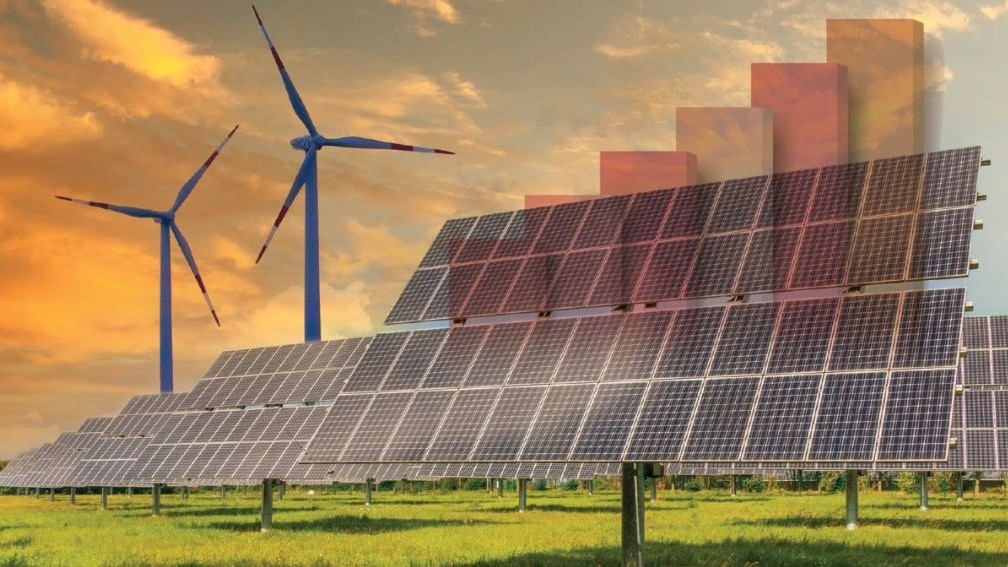
60% of 2030 target: India hits 300 GW clean energy milestone as solar capacity skyrockets
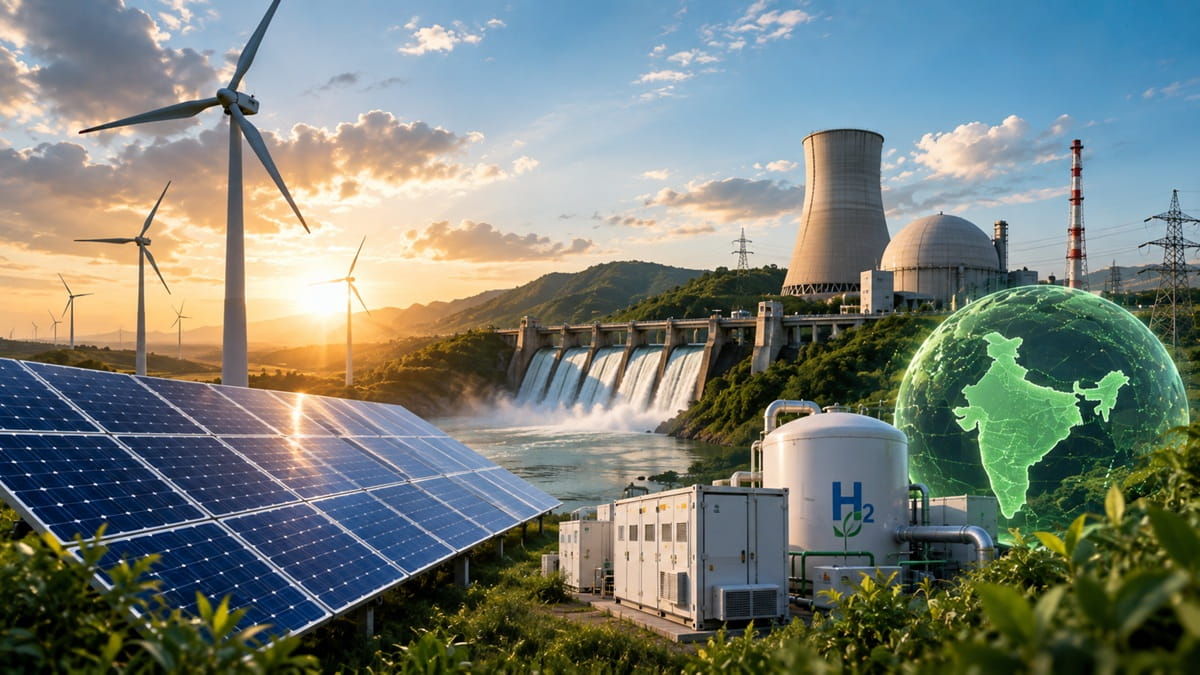
India crosses 300 GW non-fossil capacity, achieves 60% of 2030 target: What’s driving the growth
Related news
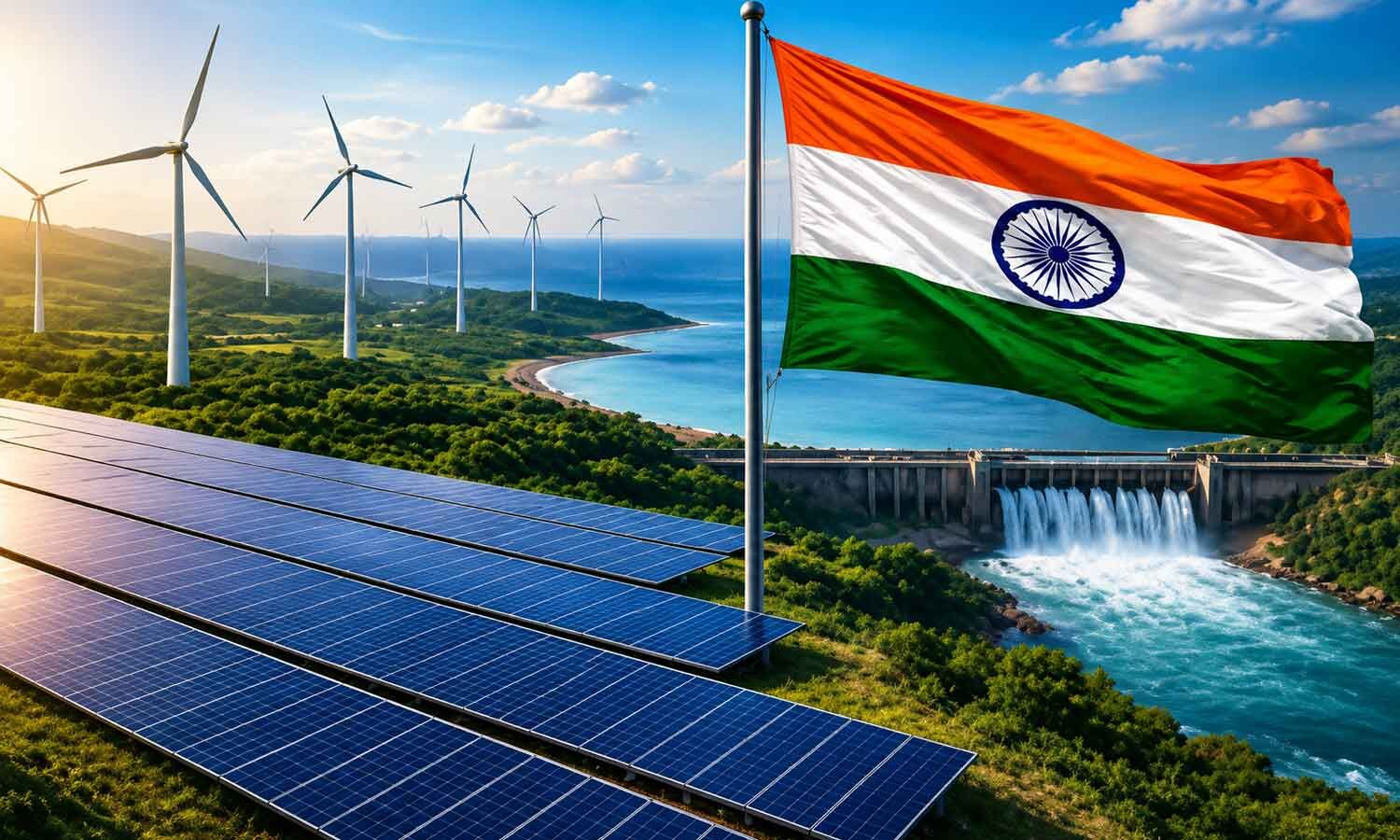
India's non-fossil fuel power capacity crosses 300 GW

India's Power Capacity Reaches 552 GW, Non-Fossil Share 54%
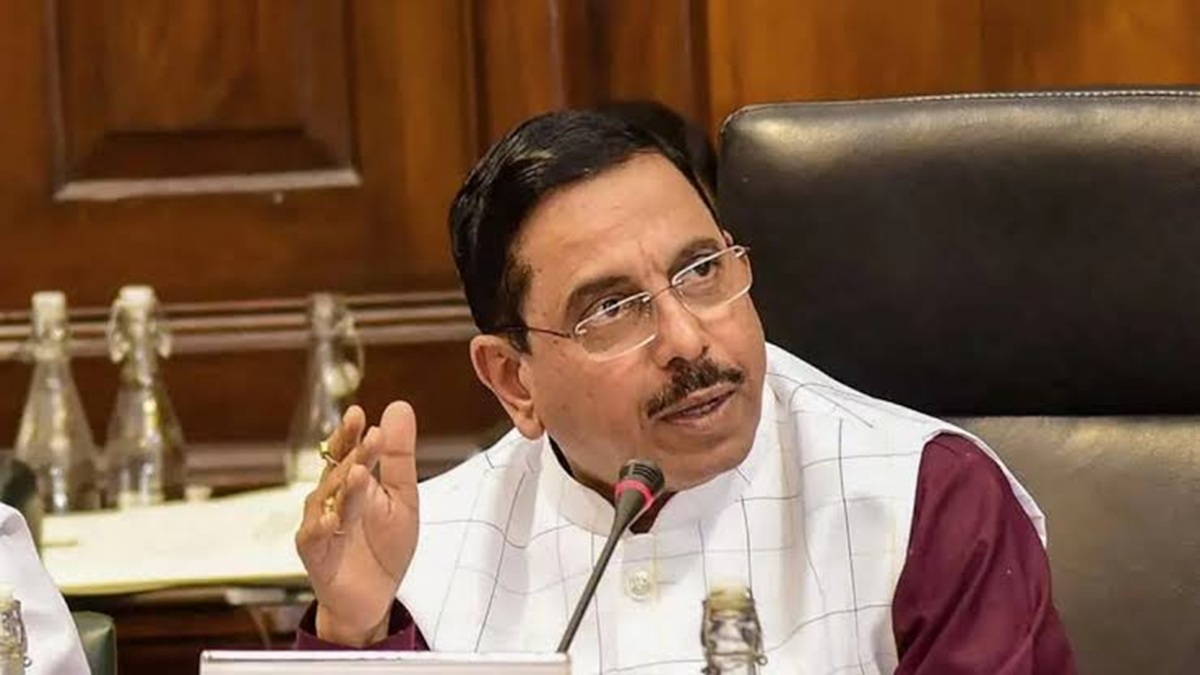
India crosses 300 GW non-fossil capacity, adds 30.58 GW renewables
India Achieves 300 GW Renewable Energy Capacity Milestone
India’s Non-Fossil Capacity Crosses 300 GW as Centre Pushes Transition
Madhya Pradesh Aims for 500 GW Non-Fossil Energy by 2030

Karnataka Accelerates Rooftop Solar Projects for Government Buildings
Economy Quiz Covers Solar Projects, Forex Deposits And PPPs
Rajasthan Targets 125 GW Renewable Capacity by 2030
PM Surya Ghar May Tie Support to Solar Performance
