5 hrs ago
Bangladesh’s Possible Makkah Pact Signals a New Strategic Autonomy

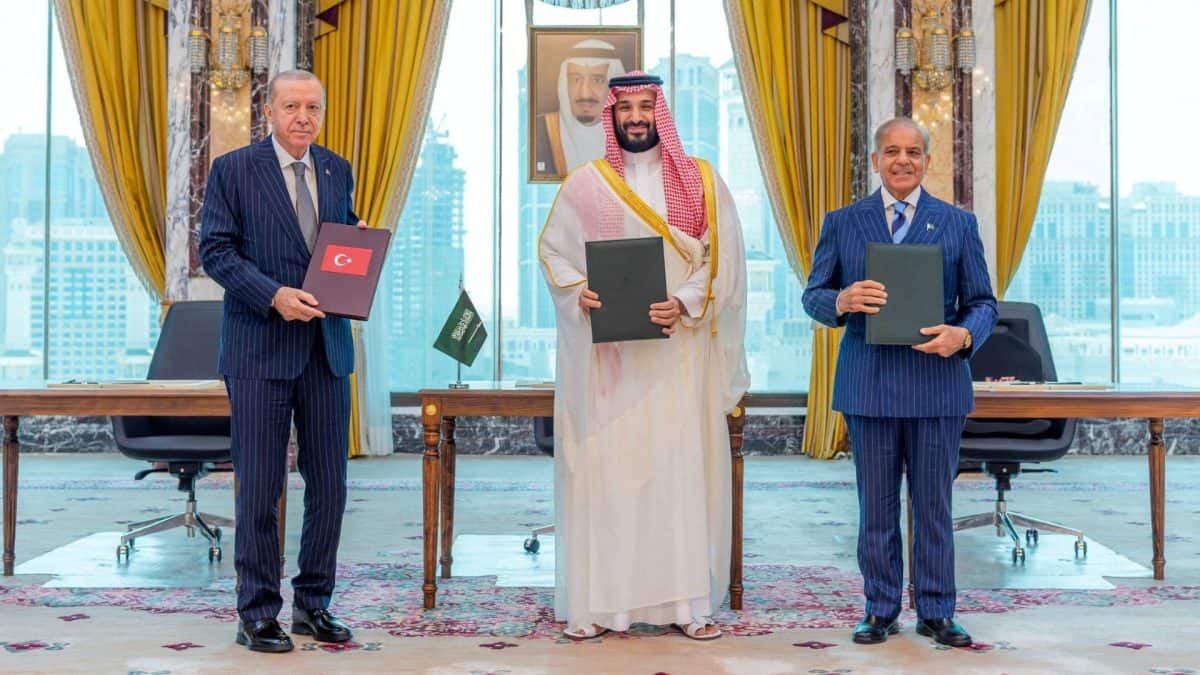
Bangladesh may join a security agreement connected to Pakistan, Saudi Arabia and Turkey.
This would be surprising because Bangladesh became independent from Pakistan in 1971.
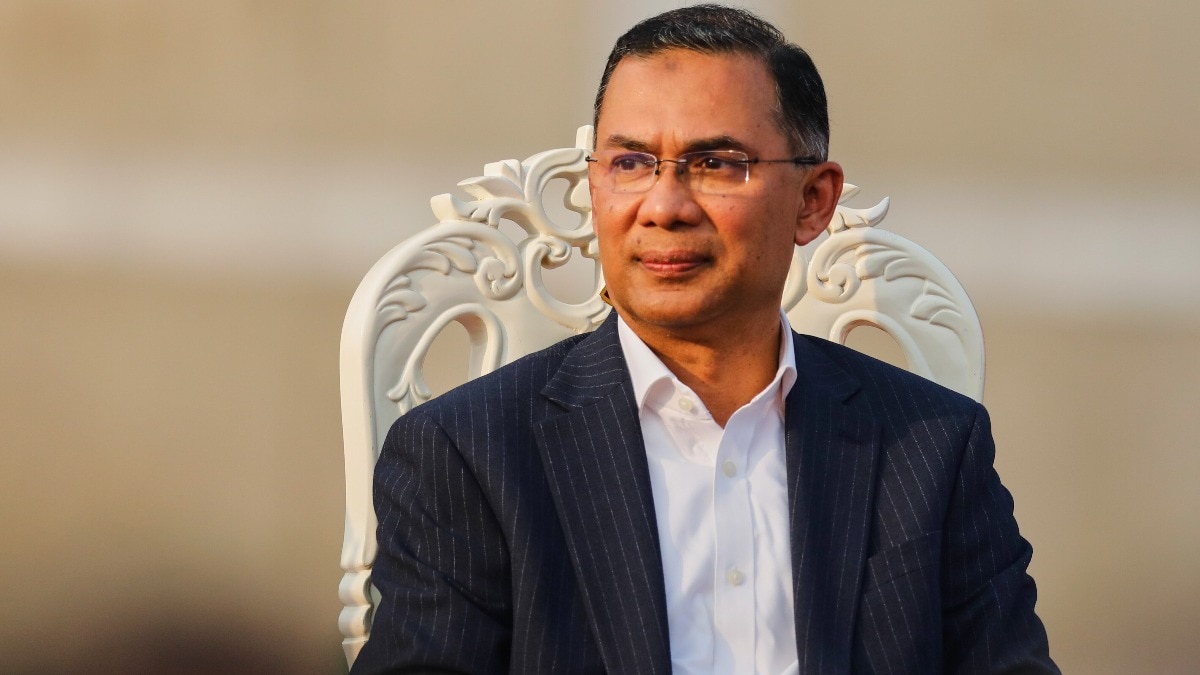
Tarique Rahman could use the agreement to show that Bangladesh has more than one powerful partner.
The agreement probably would not mean that foreign armies would quickly come to Bangladesh’s aid.
Instead, it could be a way for Bangladesh to gain influence in talks with India.
It could also encourage China to offer more investment, technology or defense cooperation.
Tarique may be trying to make India, China and other countries compete for Bangladesh’s friendship.
The plan is described as a possible effort to protect Bangladesh’s independence in foreign policy.

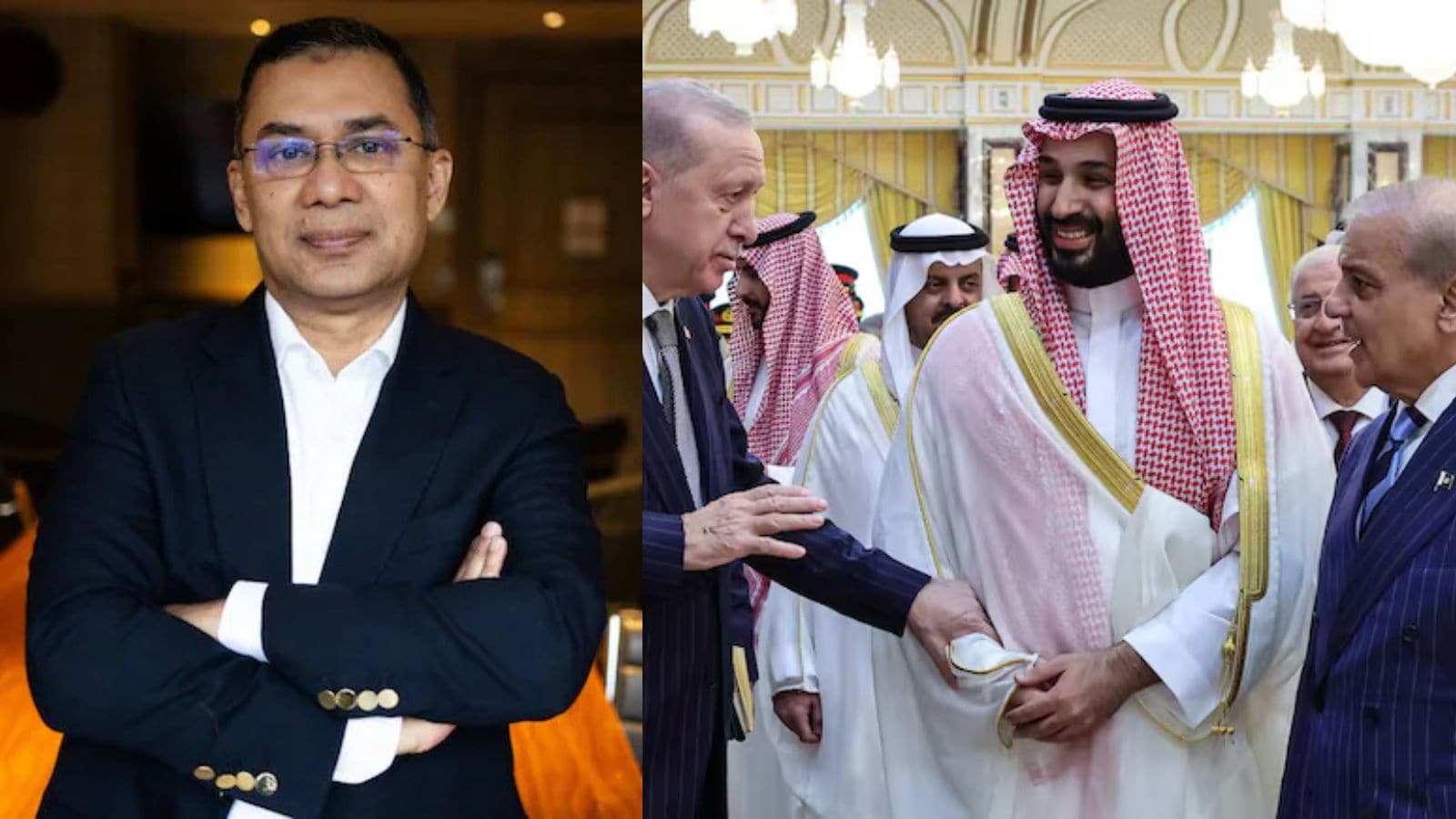
Prime Minister Tarique Rahman may use the Makkah Agreement to deepen security ties with Pakistan, Saudi Arabia and Turkey.
The proposed alignment would carry powerful symbolism because Bangladesh fought a war of independence against Pakistan in 1971.
Its main value may be diplomatic rather than military, given the distance and logistical challenges involved.
The agreement could give Dhaka greater leverage in negotiations with India over water, borders, trade, transit and energy.
Bangladesh may also seek to encourage stronger Chinese engagement while signaling to Washington that strategic space will be filled by others.
- Who
- Bangladesh, led by Prime Minister Tarique Rahman, and potential partners Pakistan, Saudi Arabia and Turkey.
- What
- A possible decision by Bangladesh to join or formalize ties through the Makkah Agreement.
- Where
- Bangladesh, with implications for its relationships across South Asia and the wider Muslim world.
- When
- The article presents the development as current and prospective, but gives no specific date.
- Why
- To diversify Bangladesh’s strategic partnerships, increase leverage with India, attract stronger Chinese engagement and emphasize sovereignty.
Strategic diversification
Cautious interpretation
Meaning of the Makkah Agreement
Strategic diversification
The agreement could give Bangladesh additional partners and bargaining power, helping it resist assumptions that it must remain within India’s strategic orbit.
Cautious interpretation
Its practical military value may be limited because Bangladesh is geographically distant from Turkey, Saudi Arabia and Pakistan and conventional intervention would be difficult.
Relationship with India
Strategic diversification
Closer ties with Pakistan and other partners could signal that Bangladesh will pursue an independent foreign policy and seek greater concessions from India.
Cautious interpretation
The move need not constitute an anti-India alignment; it could function mainly as diplomatic positioning rather than a rejection of India.
Relationship with China and the United States
Strategic diversification
Showing that Dhaka has alternatives could prompt China to offer more financing, infrastructure, defense cooperation and political support.
Cautious interpretation
The article suggests that reduced U.S. attention could leave strategic space for other powers, potentially making the agreement part of wider geopolitical competition rather than a standalone security guarantee.
Key facts
- Agreement
- Makkah Agreement, also called the Mecca Pact in the article
- Bangladesh’s leader
- Prime Minister Tarique Rahman
- Potential partners
- Pakistan, Saudi Arabia and Turkey
- Primary expected value
- Diplomatic leverage and strategic signaling rather than conventional military protection
- India-related objective
- Increase Dhaka’s bargaining position on water, borders, trade, transit and energy
- China-related calculation
- Encourage deeper financing, infrastructure, defense, technology and political cooperation
- Historical context
- Bangladesh fought for independence from Pakistan in 1971
Sources
Related news
Bangladesh’s China and Sunni Bloc Ties Alarm India
Bangladesh’s Mecca Pact Debate Raises India Strategic Concerns

Bangladesh Weighs Mecca Pact Amid Foreign Policy Test
Bangladesh Weighs Mecca Pact Amid India and Pakistan Tensions
Bangladesh Weighs Joining Mecca Pact Amid Non-Alignment Concerns
India Face Bangladesh in Asian Games Cricket Semi-Final

Bay of Bengal System May Strengthen, Scientists Monitor Track

India Faces Busy Asian Games Day With Medals In Sight

Hilsa Breeding Grounds Shift From Bengal To Gujarat