6 days ago
Bangladesh Weighs Mecca Pact Amid India and Pakistan Tensions
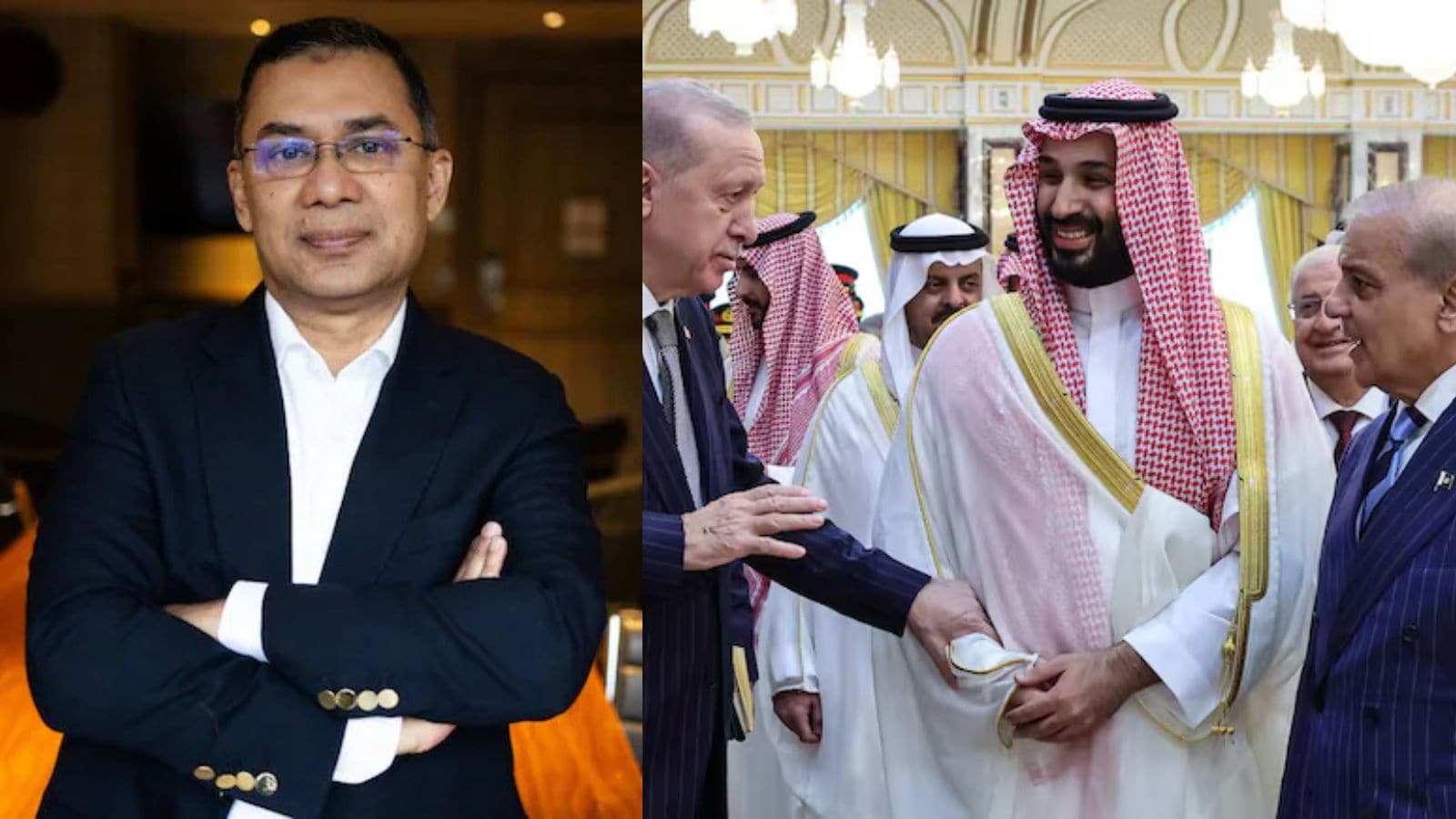
Bangladesh is thinking about joining a new defence group with Saudi Arabia, Türkiye and Pakistan.
The group says its members would help one another if one were attacked.
Bangladesh has not decided whether to join.
Some Bangladeshi officials and political supporters see benefits in closer relationships with these countries.
They also say Bangladesh might receive military technology, training, investment and stronger links with Gulf countries.
Other analysts warn that the group’s rules are still unclear.
Bangladesh could be expected to help in conflicts far from its own borders.
India may worry because Pakistan is one of the group’s members and Bangladesh is near India.
The decision could therefore affect Bangladesh’s foreign policy and regional relationships.

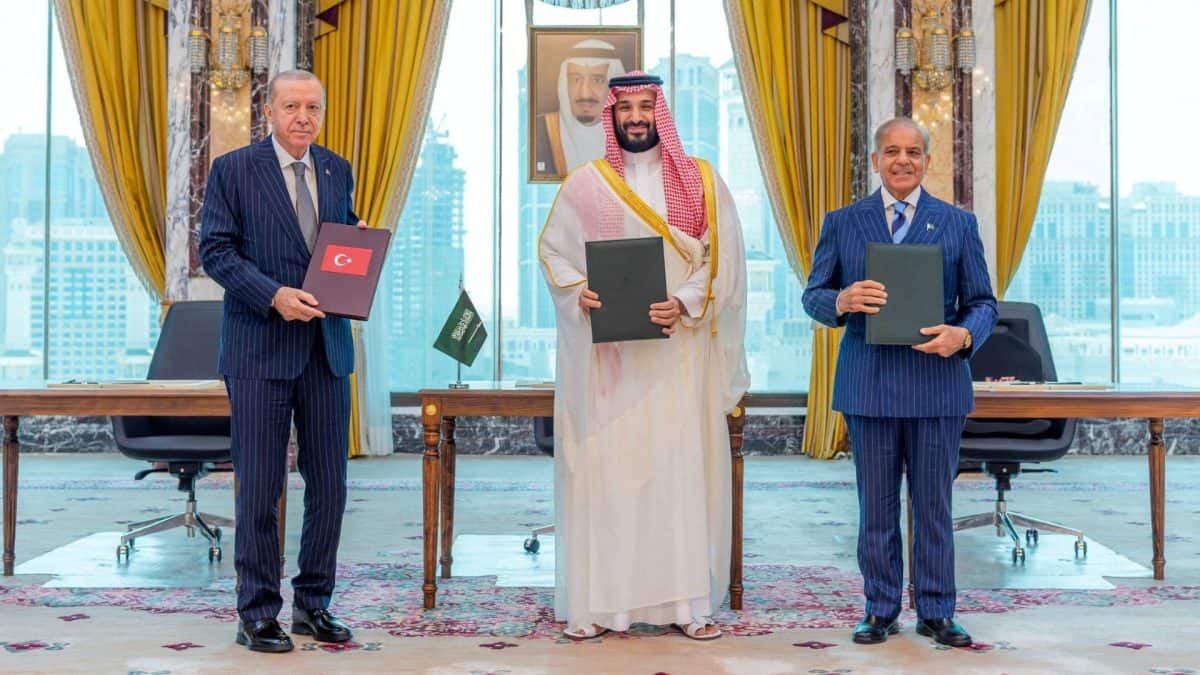
Bangladesh is considering an invitation to join the Mecca Joint Defence Agreement linking Saudi Arabia, Türkiye and Pakistan.
State Minister Humayun Kabir said the proposal was being viewed positively, but Dhaka has made no final decision.
The pact treats an armed attack on one member as an attack on all, though its command, deployment and funding arrangements remain undefined.
Supporters cite possible access to Turkish defence technology, Pakistani training, Saudi investment and stronger Gulf ties.
Critics warn membership could abandon Bangladesh’s non-alignment policy, involve it in distant conflicts and further strain relations with India.
- Who
- Bangladesh, led by Prime Minister Tarique Rahman’s government, is considering an invitation from Saudi Arabia, Türkiye and Pakistan; State Minister Humayun Kabir discussed the issue with Saudi officials.
- What
- Dhaka is weighing membership in the Mecca Joint Defence Agreement, a collective-defence pact.
- Where
- The proposal was discussed during meetings on the sidelines of an Organisation of Islamic Cooperation foreign ministers’ meeting in Jeddah; the pact connects countries in the Middle East, Türkiye and South Asia.
- When
- The pact was signed on August 7; Bangladesh’s consideration was publicly indicated on Monday, but the articles do not establish the year of that announcement.
- Why
- Potential benefits include defence cooperation, investment, financing and stronger ties with Muslim-majority and Gulf countries, while risks include undefined obligations and worsening relations with India.
Arguments Supporting Membership
Arguments Against Membership
Defence and economic cooperation
Arguments Supporting Membership
Membership could provide access to Turkish defence equipment, Pakistani training, Saudi financing and investment, while strengthening Bangladesh’s Gulf relationships.
Arguments Against Membership
The practical benefits are uncertain because the pact’s command structure, deployment requirements and financial obligations have not been defined.
Religious and strategic alignment
Arguments Supporting Membership
Supporters say participation in a security arrangement among Muslim-majority countries would be compatible with Bangladesh’s identity and interests, and could deepen its role in the Muslim world.
Arguments Against Membership
Critics say joining would break with Bangladesh’s longstanding policy of avoiding military blocs and could require positions on conflicts involving Iran, Israel, Gulf states or the United States.
Relations with India
Arguments Supporting Membership
Bangladesh could present membership as a sovereign, defensive decision based on its national interests and collective self-defence rights.
Arguments Against Membership
Indian officials and analysts could interpret membership as a strategic shift toward Pakistan and Türkiye, further complicating already strained Bangladesh-India relations.
Key facts
- Founding members
- Saudi Arabia, Türkiye and Pakistan signed the Mecca Joint Defence Agreement.
- Collective-defence rule
- The pact states that an armed attack against one member will be treated as an attack against all three.
- Bangladesh’s position
- Bangladesh is considering membership, but no decision has been made.
- Unresolved structure
- The agreement has not publicly specified a permanent headquarters, Nato-style command, common military budget, deployment rules or member contributions.
- Potential benefits
- Supporters cite Turkish defence technology, Pakistani military training, Saudi financing and stronger Gulf relations.
- India’s reaction
- India says it is closely following the pact and assessing its implications for Indian security and regional stability.
- Existing defence links
- Bangladesh has expanded military contacts with Pakistan and Türkiye, including discussions about possible Pakistani JF-17 fighter purchases.
Quotes

Bangladesh Foreign Ministry
Bangladesh’s government ministry describing the meeting between its foreign minister of state and the Saudi foreign minister.
“During the meeting, HSM handed over a letter from the Hon'ble Prime Minister of Bangladesh addressed to Saudi Crown Prince and Prime Minister HRH Mohammed bin Salman. Both sides expressed satisfaction at the positive momentum in Bangladesh-Saudi Arabia bilateral relations and reaffirmed their commitment to elevating the partnership to a new height.”
 NDTV
NDTV
“Joining the Makkah Pact is an entirely sovereign and internal matter for Bangladesh. If Bangladesh takes any decision considering the needs and interests of the country and its people, there is no reason for anyone else to feel disturbed or distressed by it.”
NDTV
Sources

Related news

Bangladesh Weighs Mecca Pact Amid Foreign Policy Test
Bangladesh Weighs Joining Mecca Pact Amid Non-Alignment Concerns

Bangladesh Weighs Joining Saudi-Pakistan-Turkiye Economic and Defence Framework

Bangladesh Weighs Mecca Pact Amid Tensions With India
Bangladesh Open to Joining Saudi-Pak-Turkiye Defence Alliance Pact
Bangladesh’s Mecca Pact Debate Raises India Strategic Concerns

India’s Record Wheat Harvest Opens $1.5 Billion Export Window

West Bengal CM Crushes Nearly 2 Lakh Seized Syrup Bottles
India, Bangladesh Seek Deeper Parliamentary and People-to-People Ties
Bangladesh Radicalisation Raises Concerns About Security Spillover Into India

Bengaluru Police Transfer 31 Bangladeshi Nationals for Deportation