1 week ago
Bangladesh’s China and Sunni Bloc Ties Alarm India
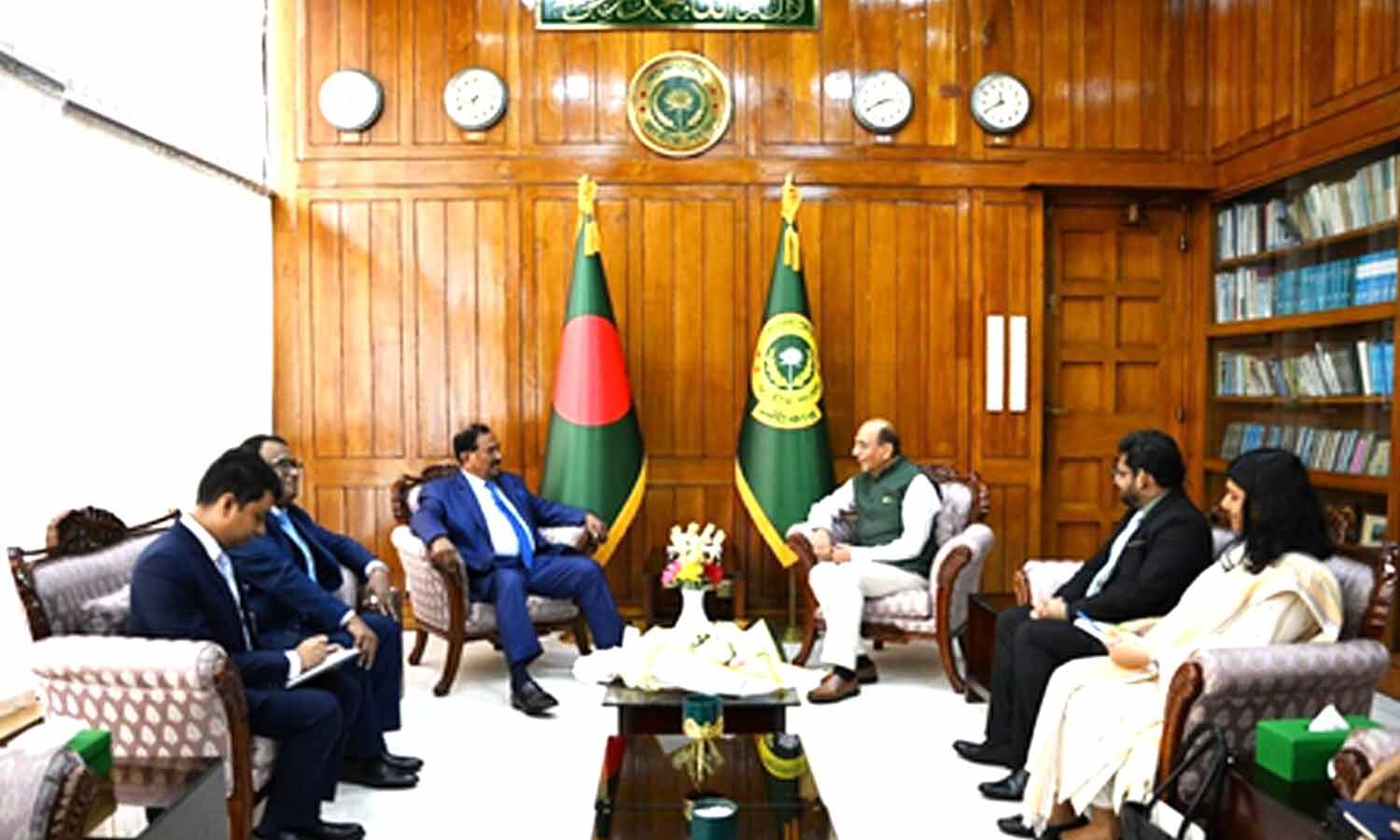
Bangladesh is building closer relationships with Pakistan, Saudi Arabia, Türkiye, and China.
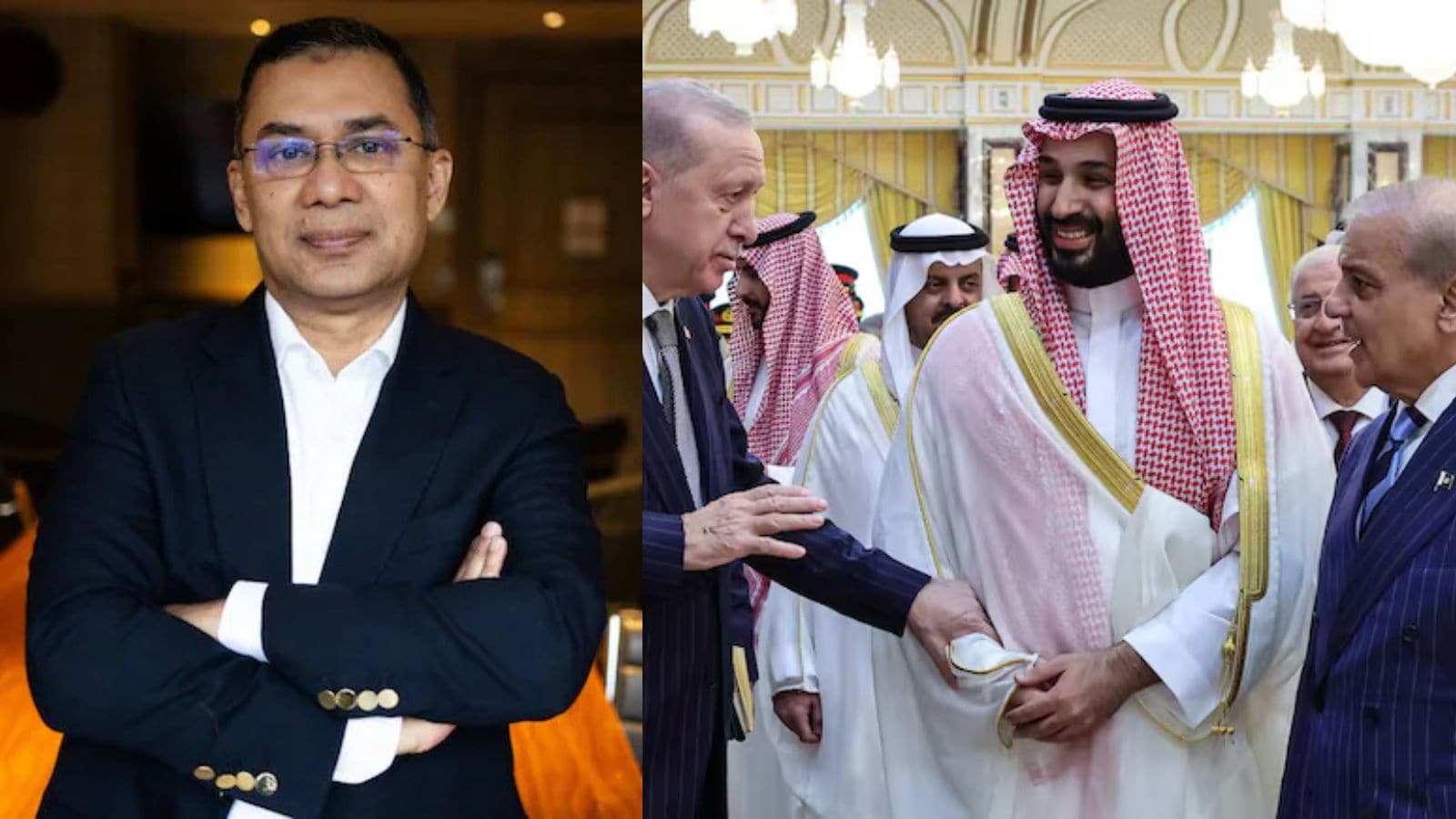
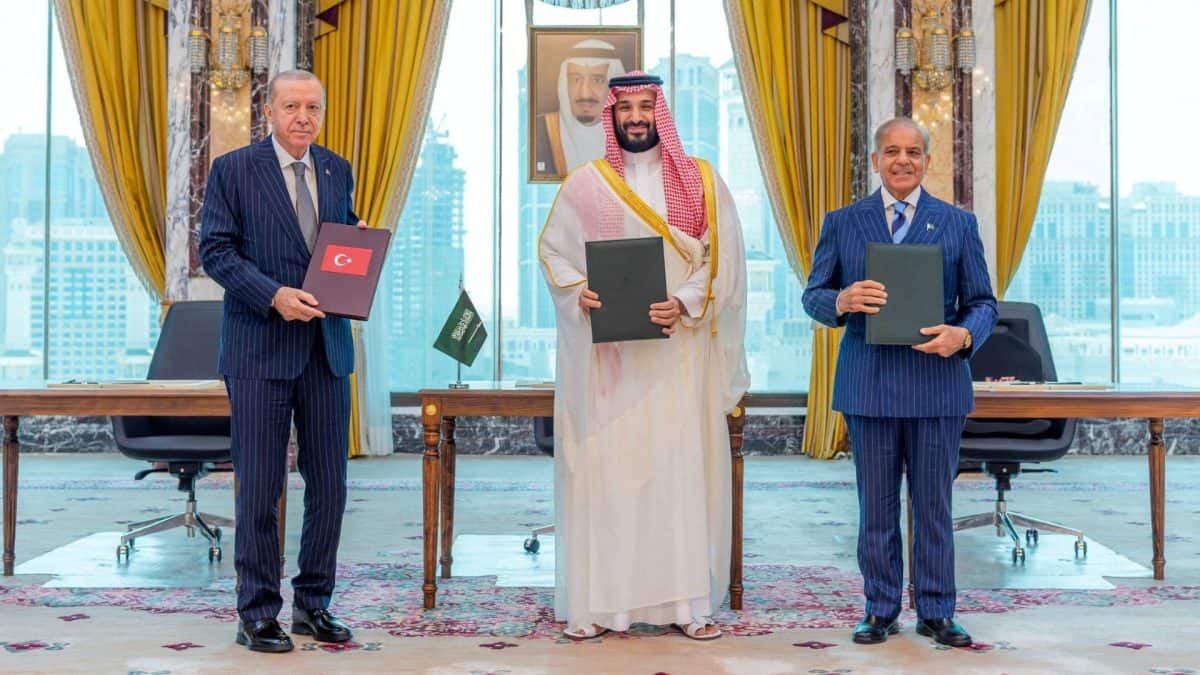
Pakistan, Saudi Arabia, and Türkiye recently signed a defence agreement called the Mecca pact.
A Bangladeshi official said his government views the agreement positively.
Analyst Brahma Chellaney thinks Bangladesh may want to work more closely with those countries.
He says this could change Bangladesh’s relationship with India.
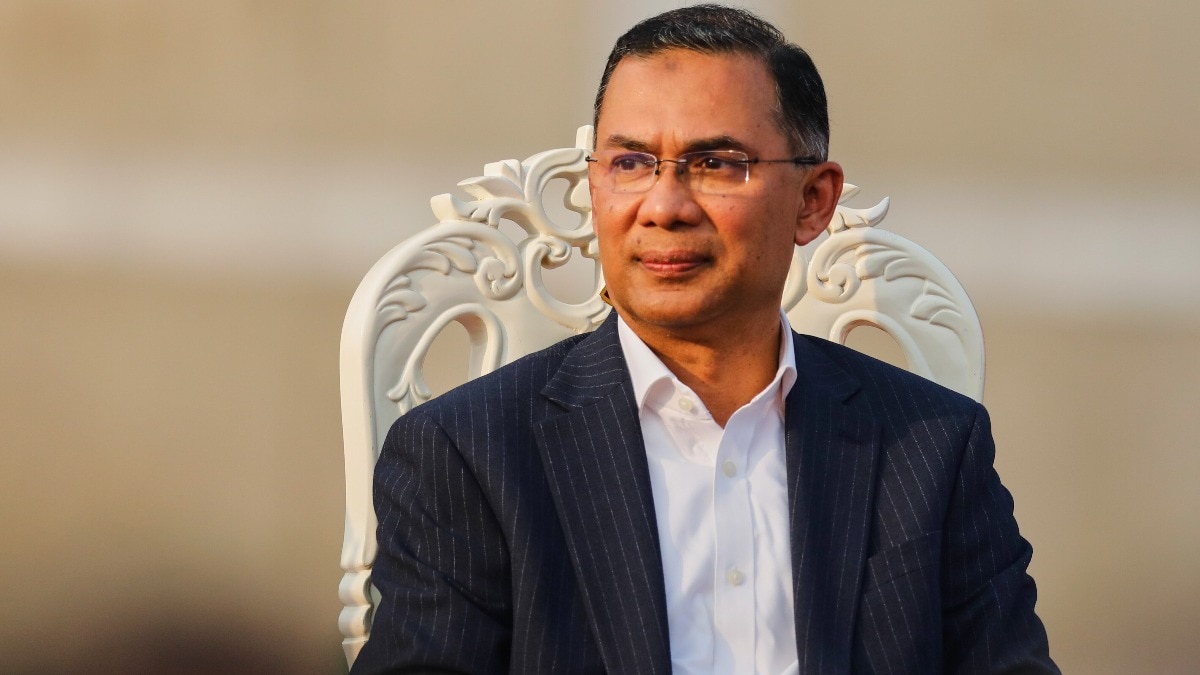
Bangladesh’s prime minister, Tarique Rahman, has also called China a highly trusted partner.
India and Bangladesh have had difficult relations since Sheikh Hasina left office.
Sajeeb Wazed said the changes could create security risks for India.

Bangladesh’s foreign minister said Dhaka views the Mecca pact very positively.
The pact links Pakistan, Saudi Arabia, and Türkiye in a mutual-defence arrangement.
Analyst Brahma Chellaney said Bangladesh could be signaling interest in joining the alliance.
Prime Minister Tarique Rahman’s government is also strengthening ties with China, including through a June visit.
Chellaney and Sajeeb Wazed warned that the shift could worsen security and diplomatic concerns for India.
- Who
- Bangladesh’s government, led by Prime Minister Tarique Rahman; Foreign Affairs State Minister Humayun Kabir; analyst Brahma Chellaney; and Sajeeb Wazed.
- What
- Bangladesh is signaling closer ties with the countries in the Mecca pact while also deepening relations with China.
- Where
- The diplomatic realignment involves Bangladesh, Pakistan, Saudi Arabia, Türkiye, China, and India.
- When
- The government has been in office for about six months, and Tarique Rahman became prime minister in February 2026. The Mecca pact was signed earlier in August 2026.
- Why
- Bangladesh says it wants stronger ties with Muslim-majority nations, while analysts link the policy to the BNP’s traditional orientation and closer relations with Islamist forces.
Government and Alignment Supporters
Critics and Indian Security Concerns
Closer ties with the Mecca pact countries
Government and Alignment Supporters
Humayun Kabir said Bangladesh has a very positive view of the pact and linked it to plans to strengthen ties with Muslim-majority nations.
Critics and Indian Security Concerns
Brahma Chellaney said Bangladesh’s possible alignment with Pakistan, Saudi Arabia, and Türkiye could represent a major structural shift and raise concerns about strategic encirclement in India.
Tarique Rahman’s foreign-policy direction
Government and Alignment Supporters
The government is pursuing relationships with Pakistan, Türkiye, Saudi Arabia, and China, including Rahman’s June visit to Beijing.
Critics and Indian Security Concerns
Chellaney said the policy reflects a return to the Bangladesh Nationalist Party’s traditional strategic orientation, including institutional ties with Islamist forces and anti-India messaging.
Security implications
Government and Alignment Supporters
The Bangladeshi government’s stated rationale is stronger engagement with Muslim-majority countries.
Critics and Indian Security Concerns
Sajeeb Wazed warned that foreign intelligence agencies, particularly Pakistan’s Inter-Services Intelligence, had been given a free rein in Bangladesh and that militants could eventually enter India from Bangladesh.
Key facts
- Mecca pact members
- Pakistan, Saudi Arabia, and Türkiye
- Type of agreement
- Mutual-defence arrangement
- Bangladesh’s foreign affairs minister
- State Minister Humayun Kabir
- Bangladesh’s prime minister
- Tarique Rahman, who became prime minister in February 2026
- China relationship
- Rahman visited Beijing in June and called China Bangladesh’s “most valued and trusted partner.”
- India invitation
- New Delhi has invited Rahman to visit India twice, but he has not yet responded.
- Relations with India
- Ties have remained strained since the ouster of Sheikh Hasina.
Quotes

Brahma Chellaney
Geostrategist commenting on Bangladesh’s political and foreign-policy direction
“The ruling Bangladesh Nationalist Party (BNP) has long maintained close institutional ties with Islamist forces and has frequently leveraged anti-India messaging to mobilize its political base.”
 businesstoday.in
“Viewed through that lens, Rahman's foreign policy appears less a departure than a return to the BNP's traditional strategic orientation.”
businesstoday.in
Sources
Related news
Bangladesh Weighs Mecca Pact Amid India and Pakistan Tensions

Bangladesh Weighs Mecca Pact Amid Foreign Policy Test

Bangladesh Weighs Mecca Pact Amid Tensions With India

Bangladesh Weighs Joining Saudi-Pakistan-Turkiye Economic and Defence Framework
Bangladesh’s Mecca Pact Debate Raises India Strategic Concerns
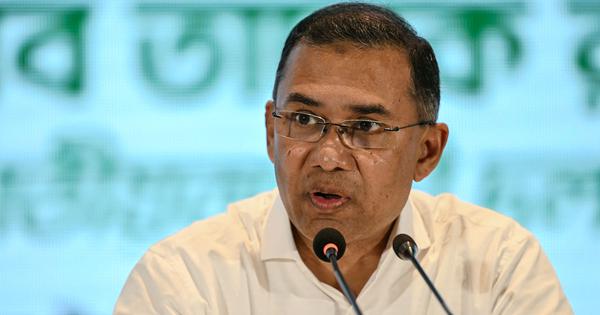
Bangladesh Weighs Joining Mecca Pact Amid Non-Alignment Concerns

Sharma and Malik share halfway lead at Telangana Golconda Masters

India Replaces Sri Lanka as 2027 Women’s Champions Trophy Host
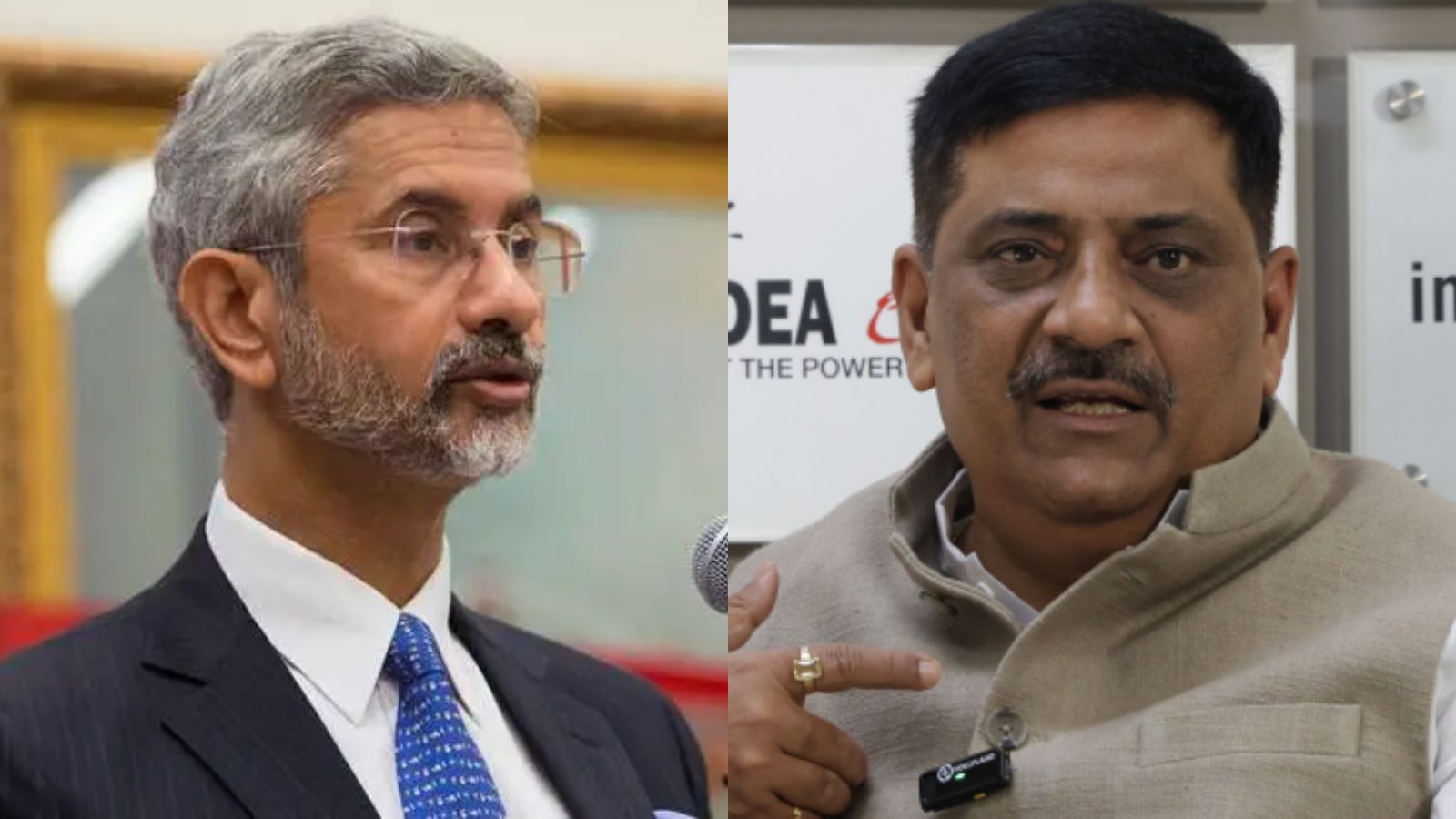
Centre Assures JDU Bihar’s Interests In Farakka Treaty Decision
India’s Record Wheat Harvest Opens $1.5 Billion Export Window

West Bengal CM Crushes Nearly 2 Lakh Seized Syrup Bottles