1 hr ago
Hilsa Breeding Grounds Shift From Bengal To Gujarat
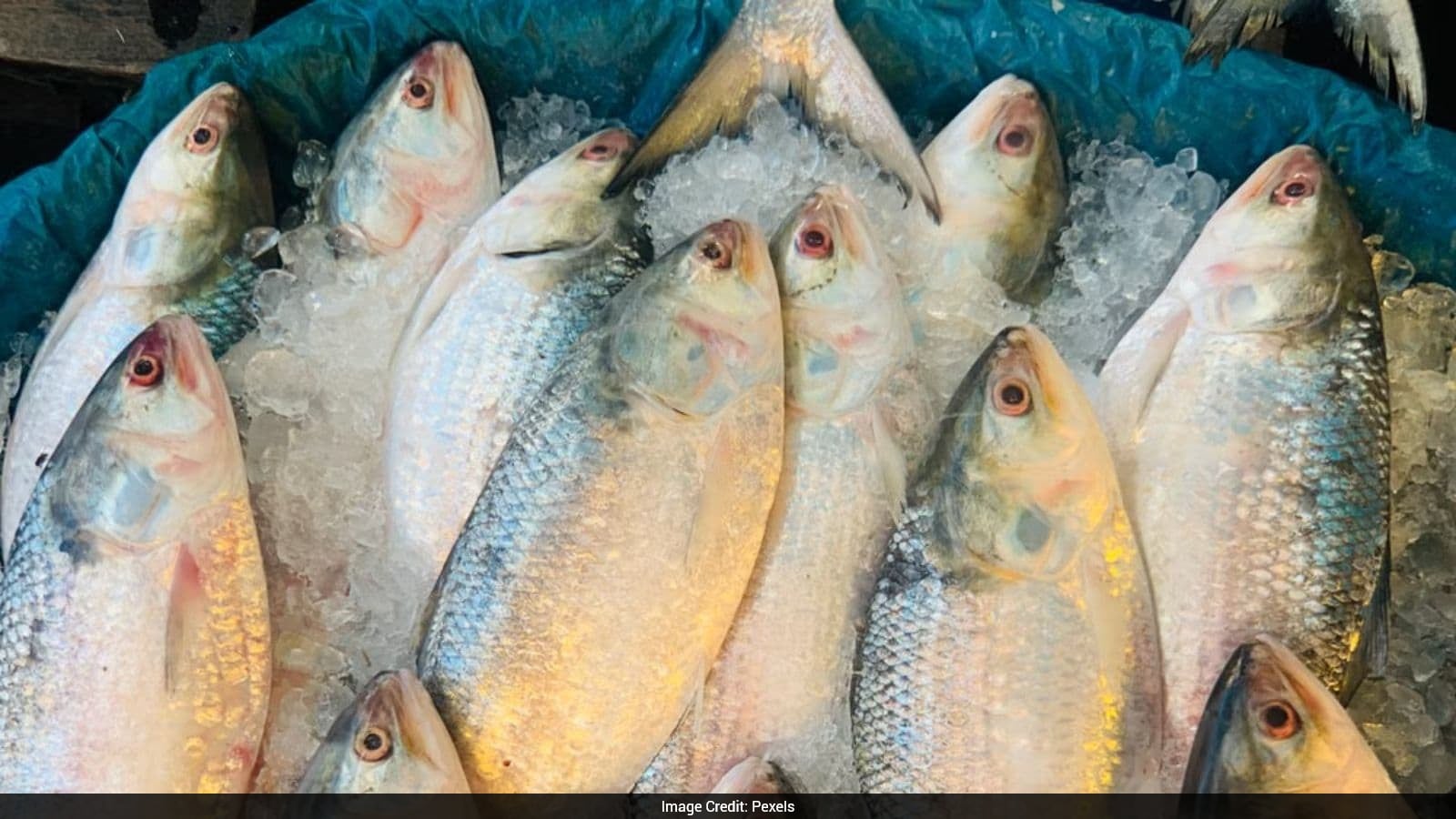
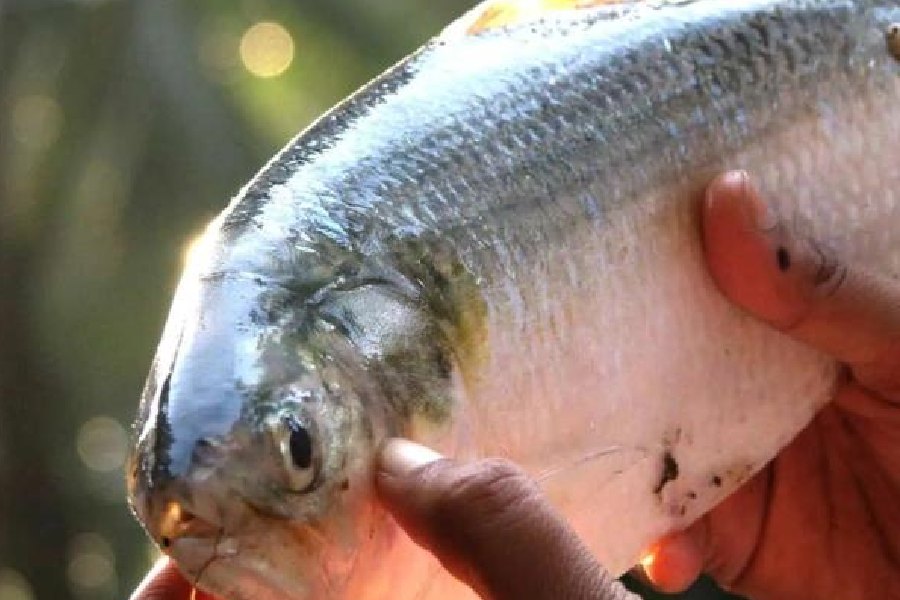
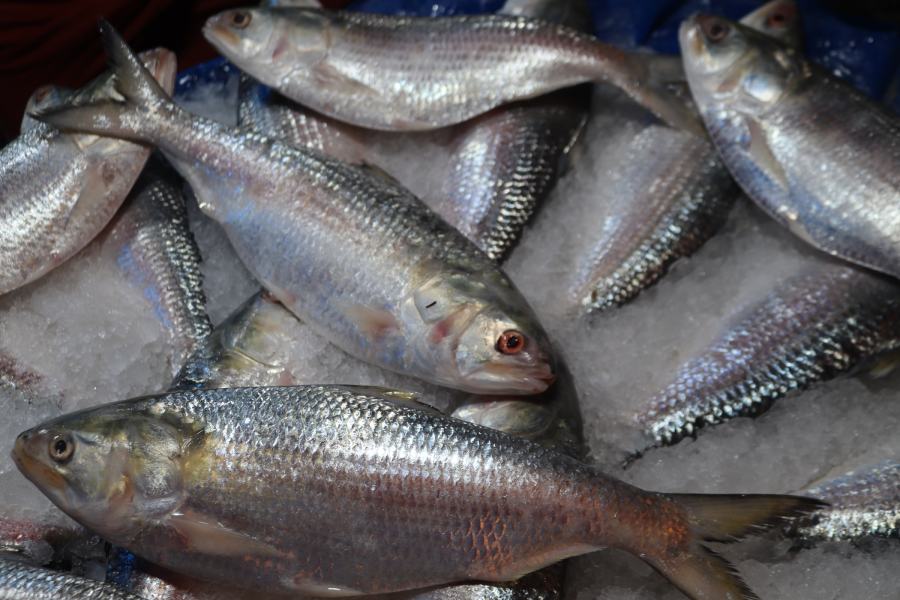
Hilsa are fish that live mostly in the sea but swim into rivers to breed.
Traditionally, many hilsa bred around the Ganga-Hooghly system in Bangladesh and West Bengal.
Now, more hilsa are appearing in Gujarat’s Narmada River.
Monsoon water brings nutrients that can make the area better for fish.
Near Bharuch, fresh river water mixes with salty seawater in a way hilsa seem to prefer.
Experts say dams, construction, pollution, changing river depth, and climate change have affected older breeding areas.
Gujarat had a very large hilsa catch in 2025-26.
This has helped fishermen earn more money during the monsoon season.
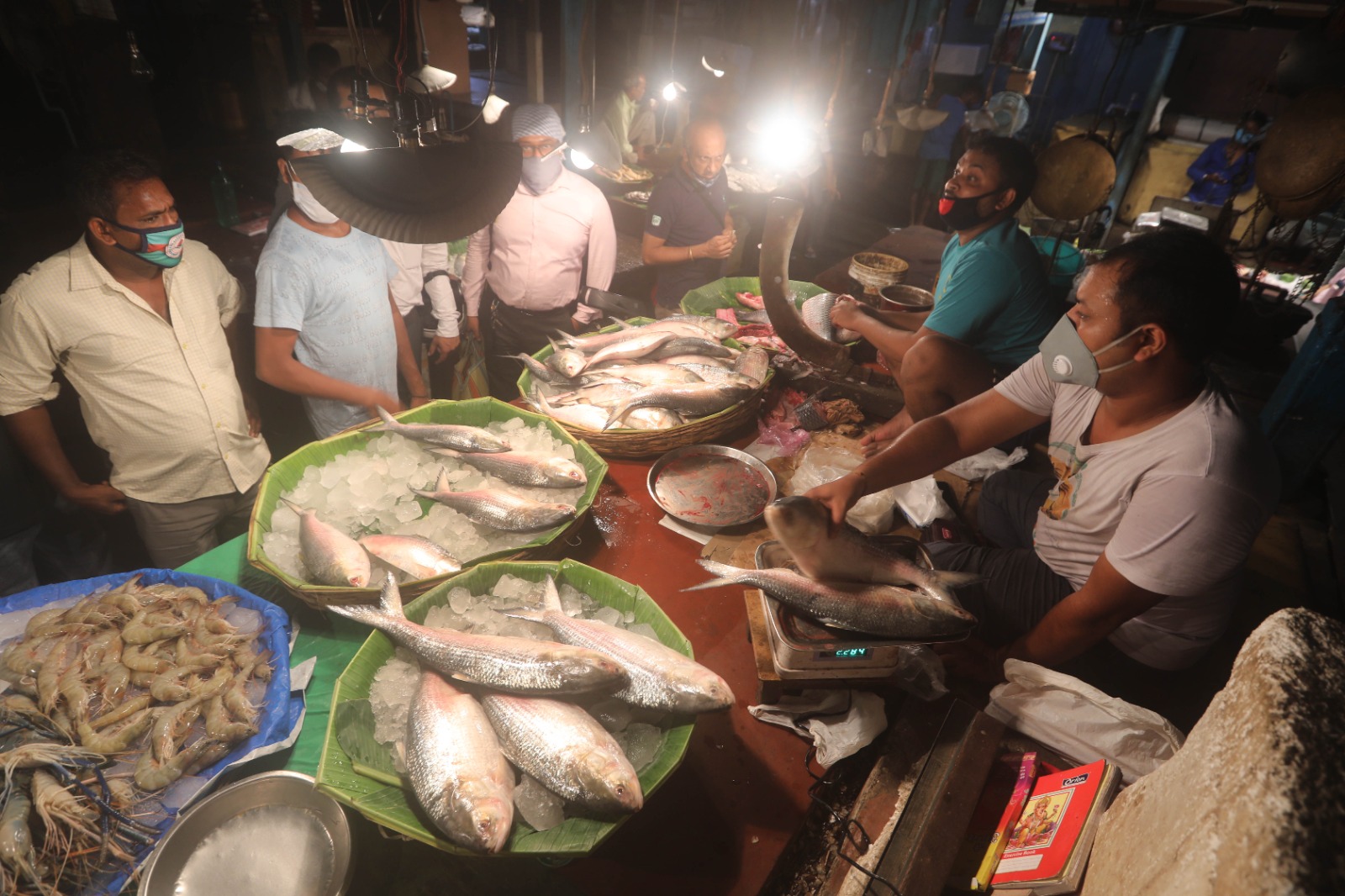
Some of the fish are sold in Kolkata and Howrah.

Gujarat recorded a four-year-high hilsa production of 14,587.72 metric tonnes in 2025-26.
Inland hilsa production rose sharply from 123.62 to 4,645.99 metric tonnes.
Bharuch produced 7,410.09 metric tonnes, nearly 51% of Gujarat’s total.
Experts link the shift to monsoon nutrients and fresh-saltwater mixing near Bharuch.
The catch supports more than 25,000 fishermen and supplies markets including Kolkata and Howrah.
- Who
- Hilsa, Gujarat fishermen, fisheries officials, and fisheries experts are involved.
- What
- Hilsa production in Gujarat, especially inland production in the Narmada, reached a record four-year high.
- Where
- The shift is centered on the Narmada River and Bharuch district in Gujarat, with fish also sent to Kolkata and Howrah.
- When
- The reported increase occurred during the 2025-26 production year, particularly during the monsoon hilsa season.
- Why
- Monsoon nutrient flows and fresh-saltwater mixing may favor hilsa in Gujarat, while dams, construction, pollution, river-depth changes, and climate change have affected traditional breeding grounds.
Key facts
- Gujarat hilsa production
- 14,587.72 metric tonnes in 2025-26, up from 8,535.75 metric tonnes in 2024-25.
- Inland production
- 4,645.99 metric tonnes in 2025-26, compared with 123.62 metric tonnes in 2024-25.
- Bharuch production
- 7,410.09 metric tonnes in 2025-26, including 4,460.33 metric tonnes inland and 2,949.76 metric tonnes marine.
- Bharuch’s share
- Nearly 51% of Gujarat’s total hilsa production.
- Fishing employment
- The increased catch provides an employment lifeline for more than 25,000 fishermen.
- Season
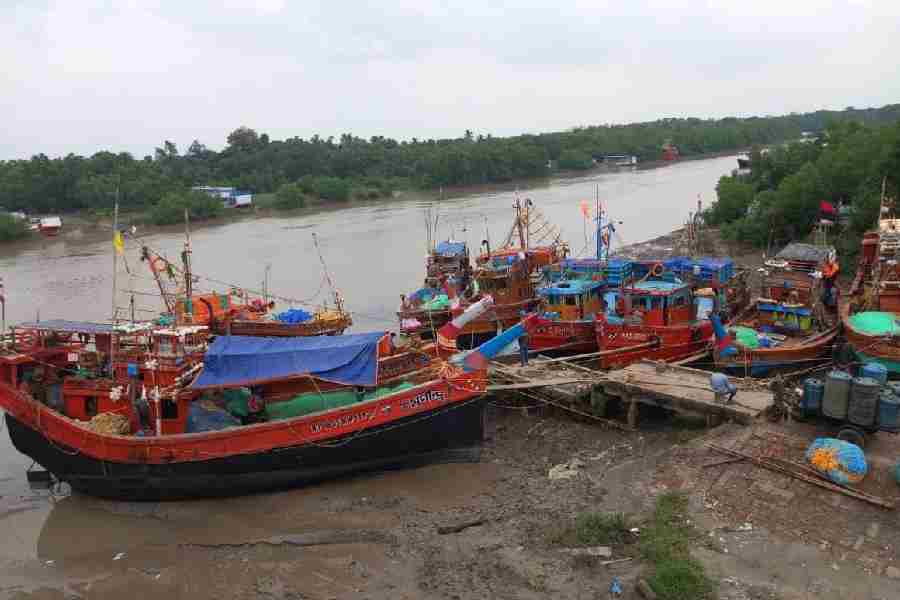
- Fishermen along the Narmada rely on a four-month hilsa season during the monsoon.
- Interstate shipments
- About 250 tonnes were sent from Bharuch district to Kolkata and Howrah during the season.
Quotes
RB Vala and AM Parmar
Assistant professors at the College of Fisheries Science, Kamdhenu University, Gandhinagar
“The Ganga-Hooghly river system of Bangladesh and West Bengal was previously among the primary breeding grounds for hilsa. However, over time, conditions such as the Farakka Barrage, increasing construction on rivers, changes in river depth, pollution, and climate change have affected the traditional migration and breeding areas of hilsa.”
 NDTV
NDTV
“We have never seen a seasonal catch like this in the Narmada. Finding such a high volume of hilsa right here at our doorstep in Bhadbhut has brought immense relief to our families and made all our hard work out on the water completely worth it.”
NDTV
Sources
Related news
Hilsa Crosses Borders as Trade Challenges Its Culinary Pedigree
India Sends 500 Tonnes of Hilsa to Bangladesh Amid Shortage
Rough Weather Lowers Hilsa Catch, Leaving Bengal Fishermen Facing Losses
India’s Hilsa Exports to Bangladesh Unlikely to Lift Kolkata Prices

Minister Highlights Rising Fish Exports, New Markets Despite US Tariffs
Nona Ilish Keeps Bengal’s Salted Hilsa Tradition Alive

AI Expands Across Packaging, Desserts, Robots, Travel and Industry

Nine-Member Gang Held in Telangana Cattle, Mobile Theft Cases

India’s Full Asian Games Schedule for September 20

India Faces Packed Asian Games Schedule With Medal Opportunities