1 week ago
Asim Munir Balances Iran Mediation With Pakistan’s Internal Strains
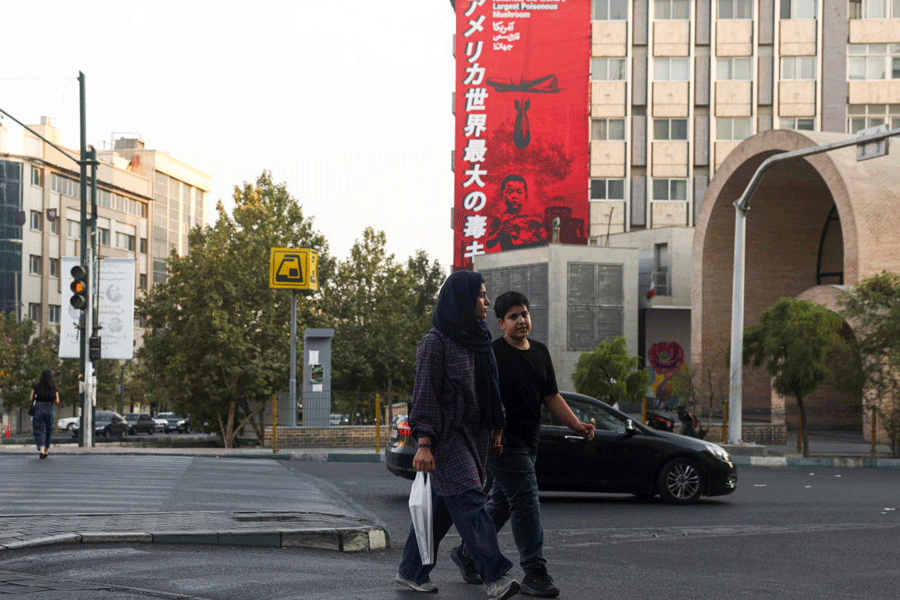
Pakistan’s military chief, Asim Munir, went to Tehran to help the United States and Iran talk again.
This gives Pakistan an important role in trying to reduce tensions.
At home, the government placed extra soldiers in Rawalpindi, where the army headquarters is located.
Officials said the soldiers were needed for security but did not explain exactly what danger they expected.
Imran Khan, a former prime minister, is still in prison and remains a major opponent of Pakistan’s leaders.
Pakistan’s Supreme Court ordered special medical care and more contact with his family, but the government handled his examination differently.
Some people also fear that plans to create more provinces could change the country’s political balance.
Meanwhile, Pakistan’s economy is still weak, with high inflation, expensive borrowing and heavy reliance on outside financial help.

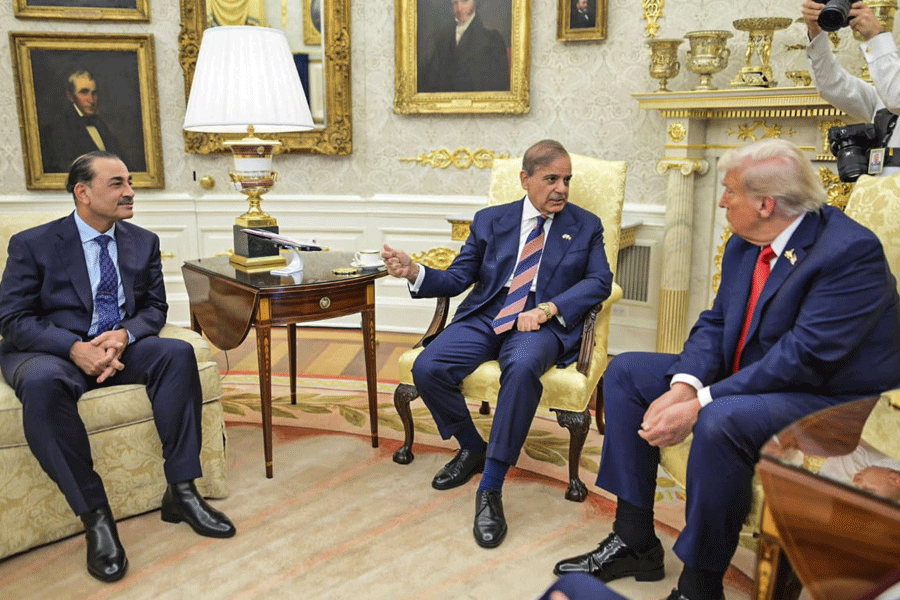
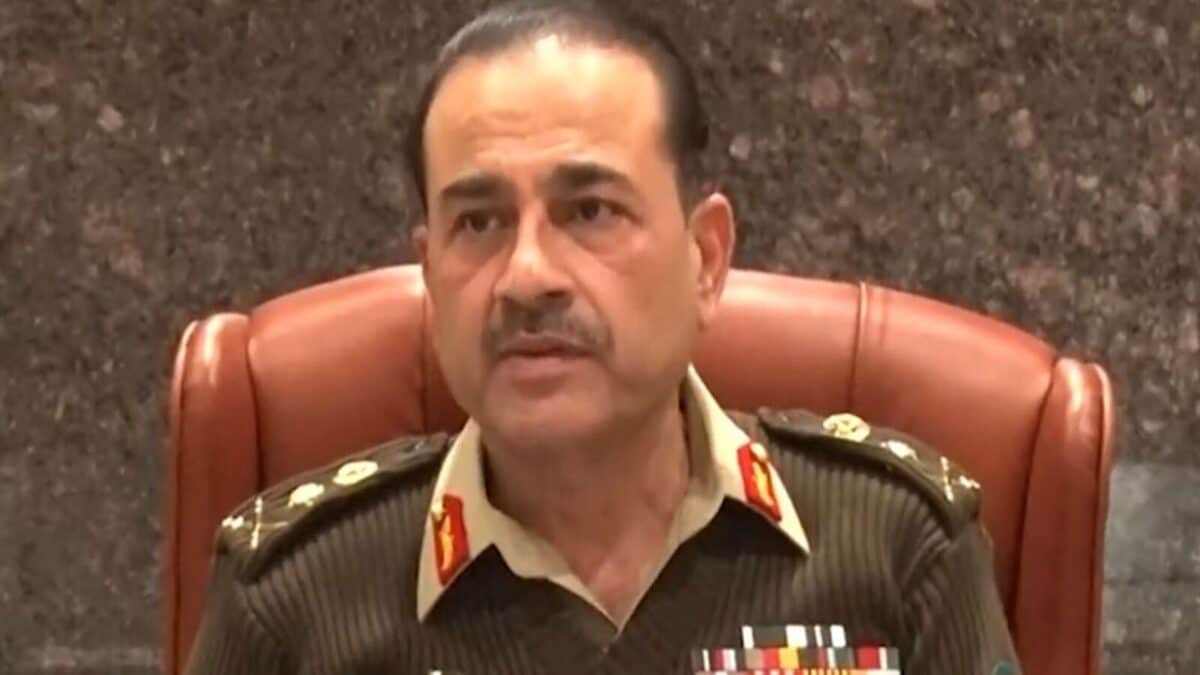
Field Marshal Asim Munir reportedly traveled to Tehran carrying a mission from U.S. President Donald Trump to encourage Iran to resume negotiations.
Pakistan deployed three army companies in Rawalpindi for six months under Article 245, citing sensitive security duties and possible unforeseen events.
The deployment has drawn attention as Imran Khan’s Pakistan Tehreek-e-Insaf plans a protest march and as military command structures undergo significant changes.
Pakistan’s Supreme Court ordered medical examinations, family visits and phone calls for imprisoned former Prime Minister Imran Khan, but authorities returned him to Adiala Jail after a government-hospital examination.
Pakistan’s fragile economic recovery remains dependent on international support, including a $7 billion, 37-month International Monetary Fund programme agreed in 2024.
- Who
- Field Marshal Asim Munir, Donald Trump, Iran’s authorities, Pakistan’s government, Imran Khan and Pakistan’s military leadership are central to the report.
- What
- Munir is reportedly mediating between Washington and Tehran while Pakistan faces domestic security, political, military and economic pressures.
- Where
- The mediation involves Tehran; the domestic developments center on Rawalpindi and Islamabad, Pakistan.
- When
- Munir’s visit and the reported domestic developments occurred during the period described in the article; the Rawalpindi troop deployment was ordered on August 21 for six months.
- Why
- The reported mission is intended to encourage Iran to return to negotiations, while Pakistani authorities cited security duties for the troop deployment and security concerns for their handling of Khan’s medical examination.
Critics and Opposition
Government and Establishment
Rawalpindi troop deployment
Critics and Opposition
The unexplained deployment near army headquarters raises concerns about possible internal military maneuvering and preparations for political unrest, particularly ahead of a Pakistan Tehreek-e-Insaf protest.
Government and Establishment
The government says the troops are needed for sensitive security duties and to prevent an undesirable situation or respond to unforeseen events.
Imran Khan’s medical treatment
Critics and Opposition
Khan’s supporters accuse the authorities of defying the Supreme Court by taking him to a government hospital instead of Shifa International Hospital and returning him to jail.
Government and Establishment
The authorities say Khan received adequate medical care and that security concerns prevented the court-ordered hospital arrangement.
Proposal for more administrative units
Critics and Opposition
Critics, including former ambassador Maleeha Lodhi, argue that dividing Pakistan’s four provinces could be an attempt to reshape political power and repeat the damaging experience of the One Unit system.
Government and Establishment
Supporters of the proposal argue that restructuring could improve governance and address Pakistan’s problems, though critics dispute those claims.
Key facts
- Diplomatic mission
- Asim Munir reportedly traveled to Tehran with a message from Donald Trump seeking to bring Iran back to negotiations.
- Rawalpindi deployment
- Three companies of Pakistani Army troops were authorized for six months for what the government called sensitive security duties.
- Legal authority
- The deployment was authorized under Article 245 of Pakistan’s Constitution.
- Imran Khan’s detention
- Khan has been imprisoned since August 2023 and remains a major political opponent of Pakistan’s establishment.
- Court-ordered care
- Pakistan’s Supreme Court ordered Khan to be examined at Shifa International Hospital, with weekly family visits and telephone conversations with his sons.
- IMF programme
- Pakistan is operating under a $7 billion, 37-month International Monetary Fund programme agreed in 2024.
- Economic indicators
- The State Bank benchmark rate is 11.5 percent, inflation is 9.5 percent, and imports are more than twice exports.
Quotes

Maleeha Lodhi
Former Pakistani ambassador to Washington, London and the United Nations
“To sell the idea, establishment apologists have rolled out some disingenuous arguments. They claim this will improve governance and miraculously solve the country’s problems overnight.”
 telegraphindia.com
Sources
Related news
Pakistan Army Chief Munir Visits Tehran Amid US-Iran Tensions
Pakistan Army Chief to Visit Tehran Amid Stalled US-Iran Talks
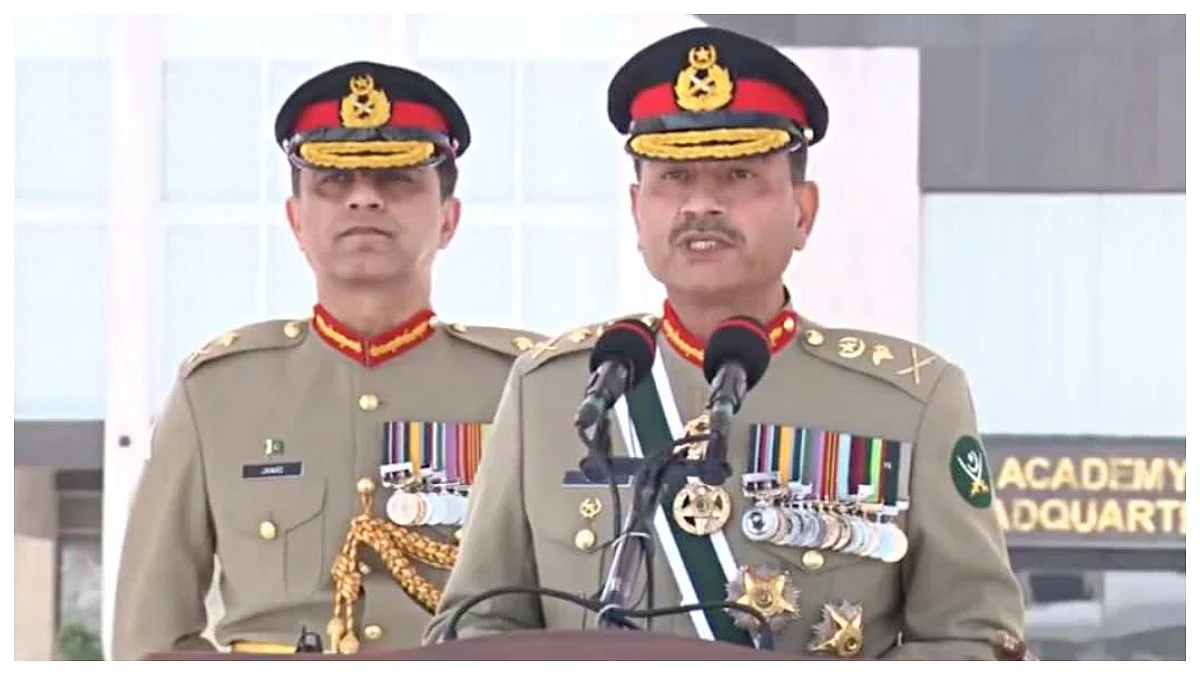
Pakistan Army Chief Munir to Visit Tehran Amid Iran-US Tensions
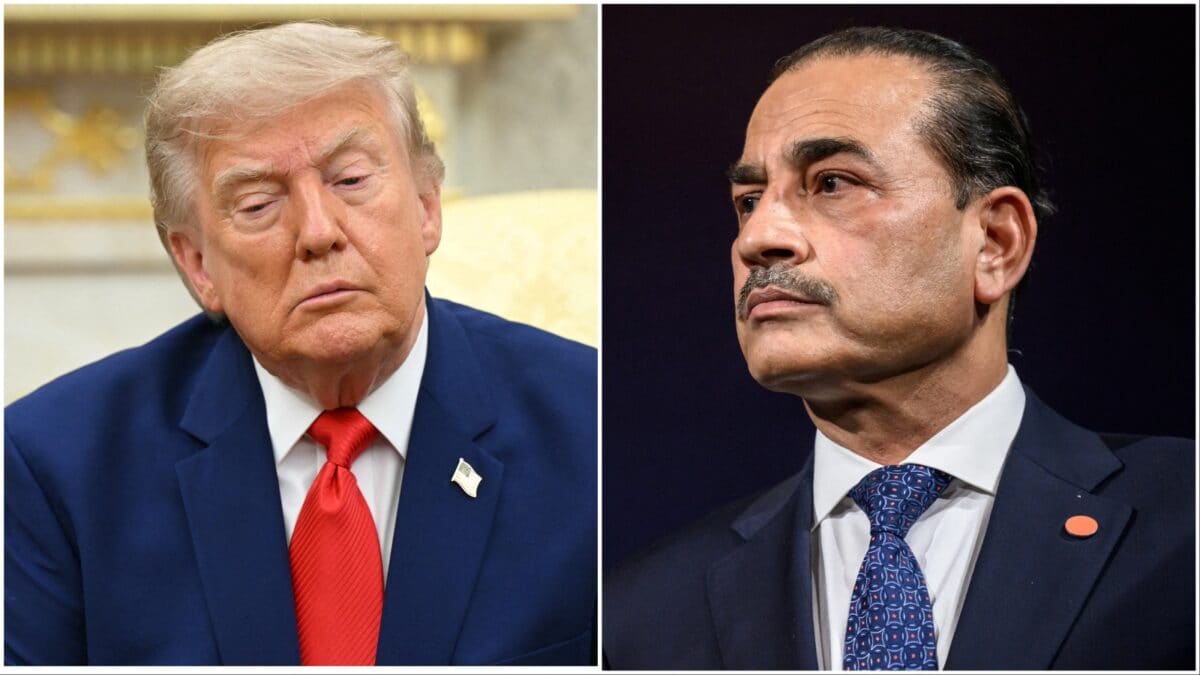
Trump, Pakistan Army Chief Discuss Iran Before Tehran Visit
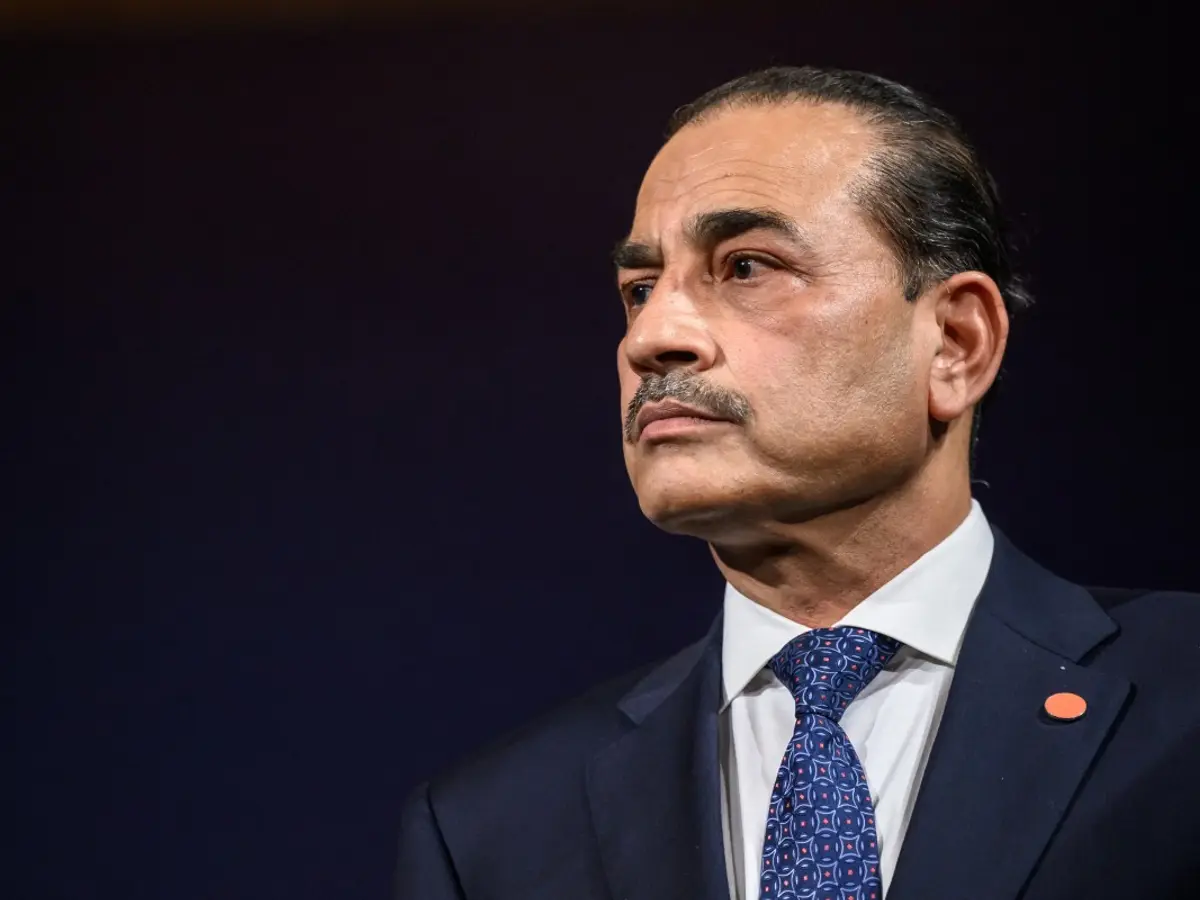
Pakistan Army Chief Munir Visits Tehran Amid Regional Mediation Strains
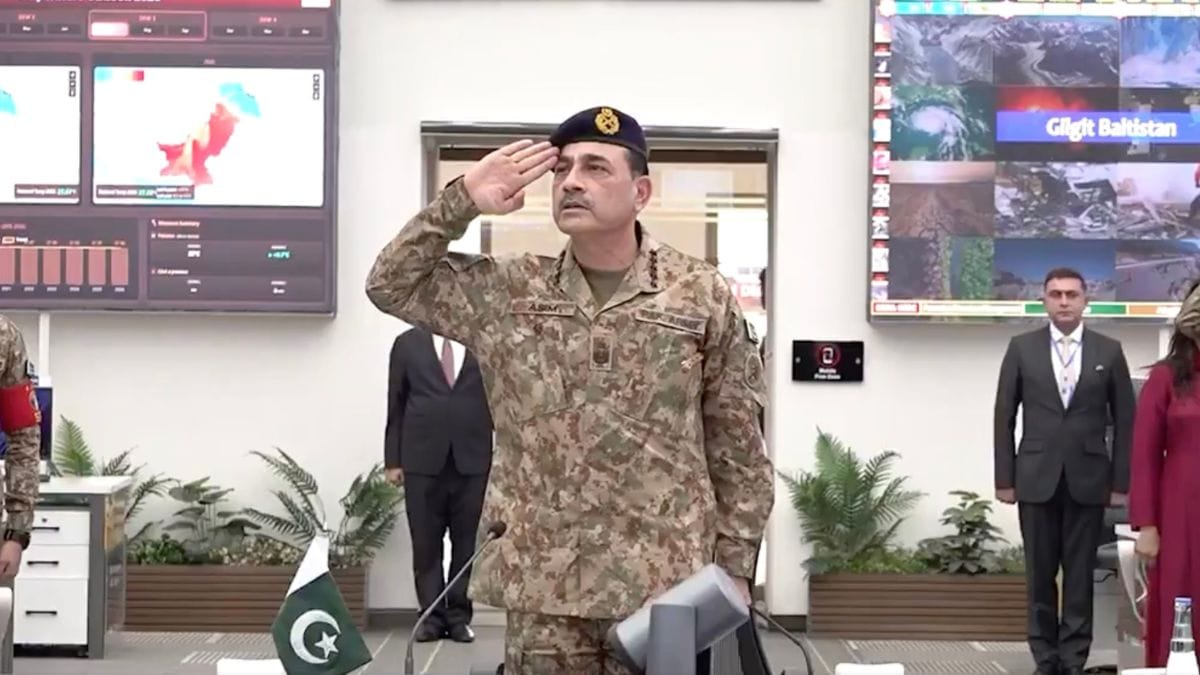
Why Asim Munir May Be Softening Toward Imran Khan
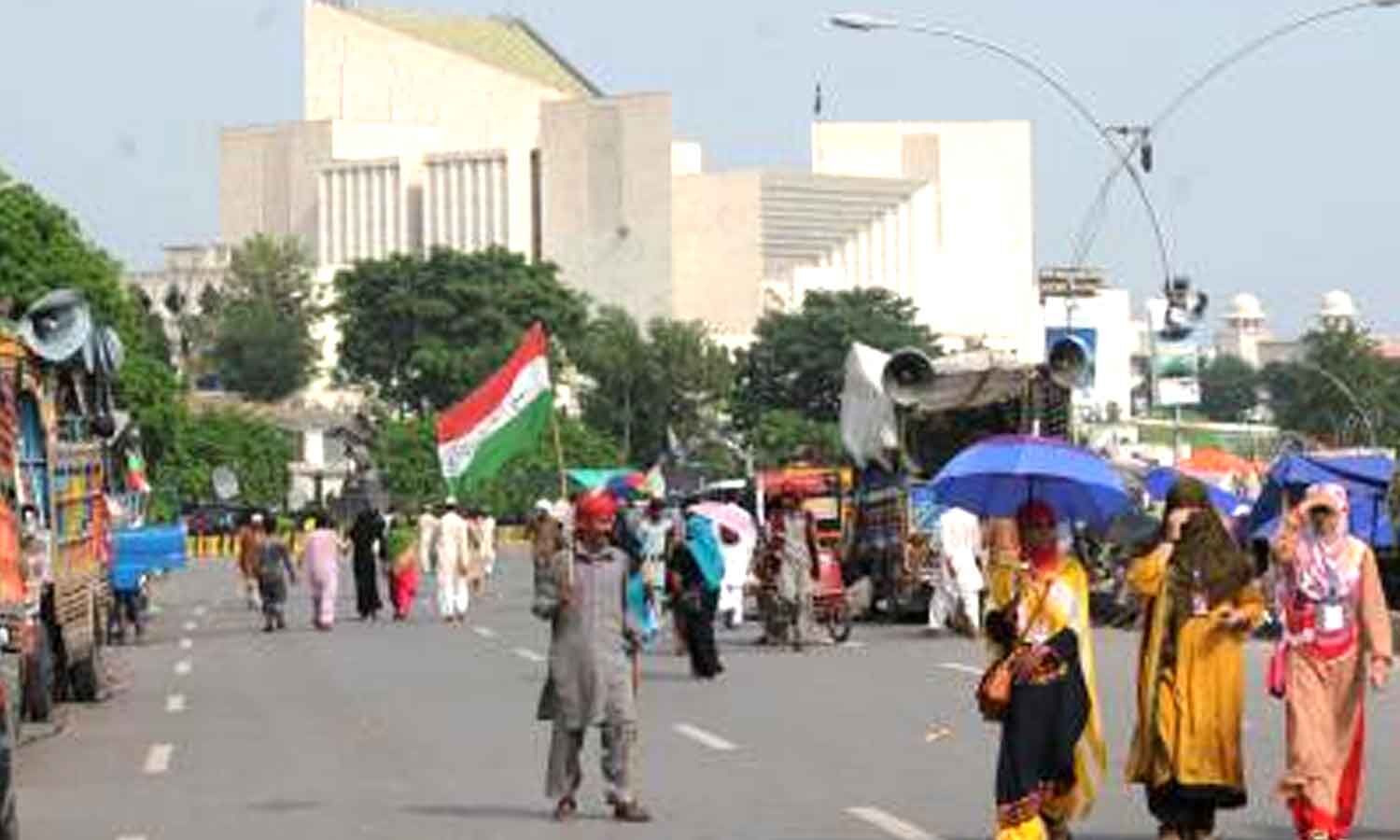
Imran Khan's Sister Files Second Supreme Court Contempt Petition

Ranka’s Gavi, AAP and Pakistan Links Raise Transparency Questions
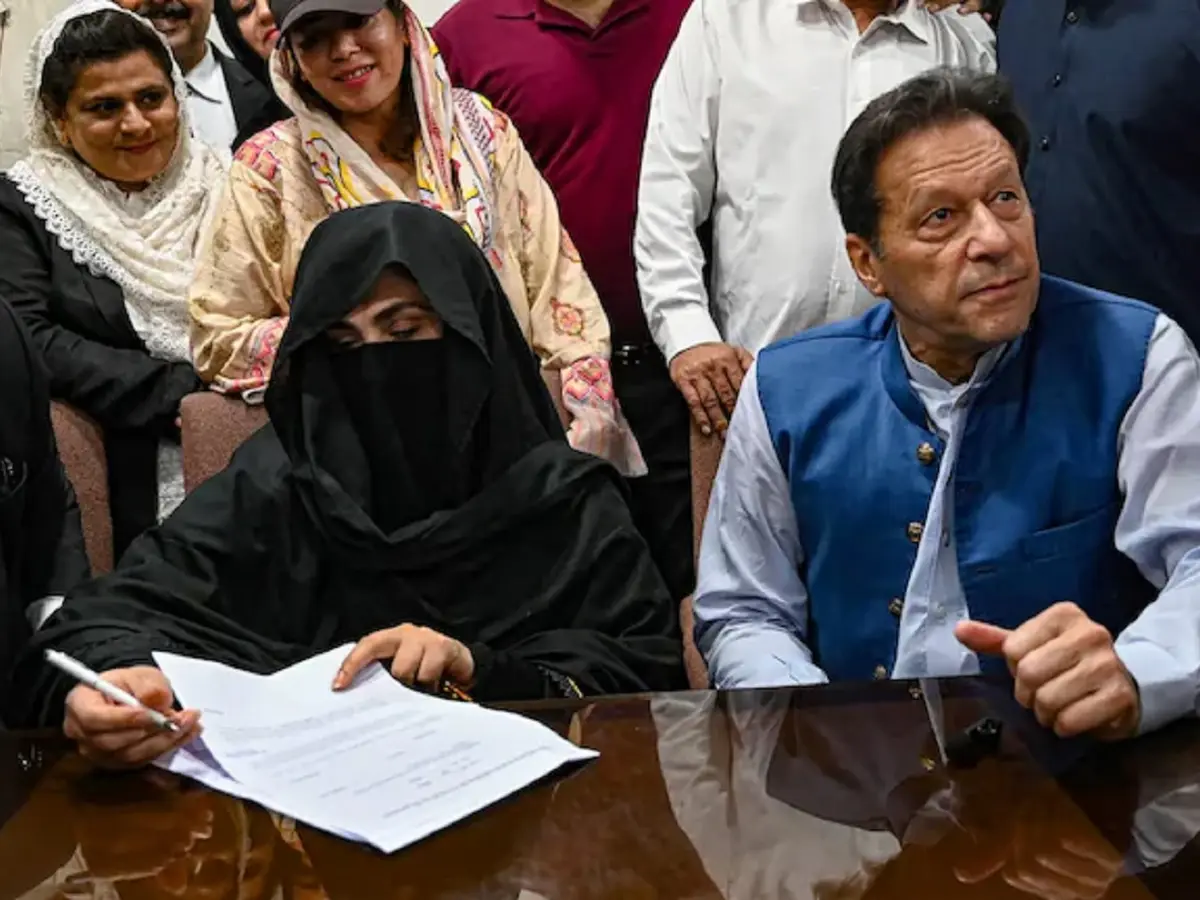
Pakistan High Court Ends Solitary Confinement for Imran Khan
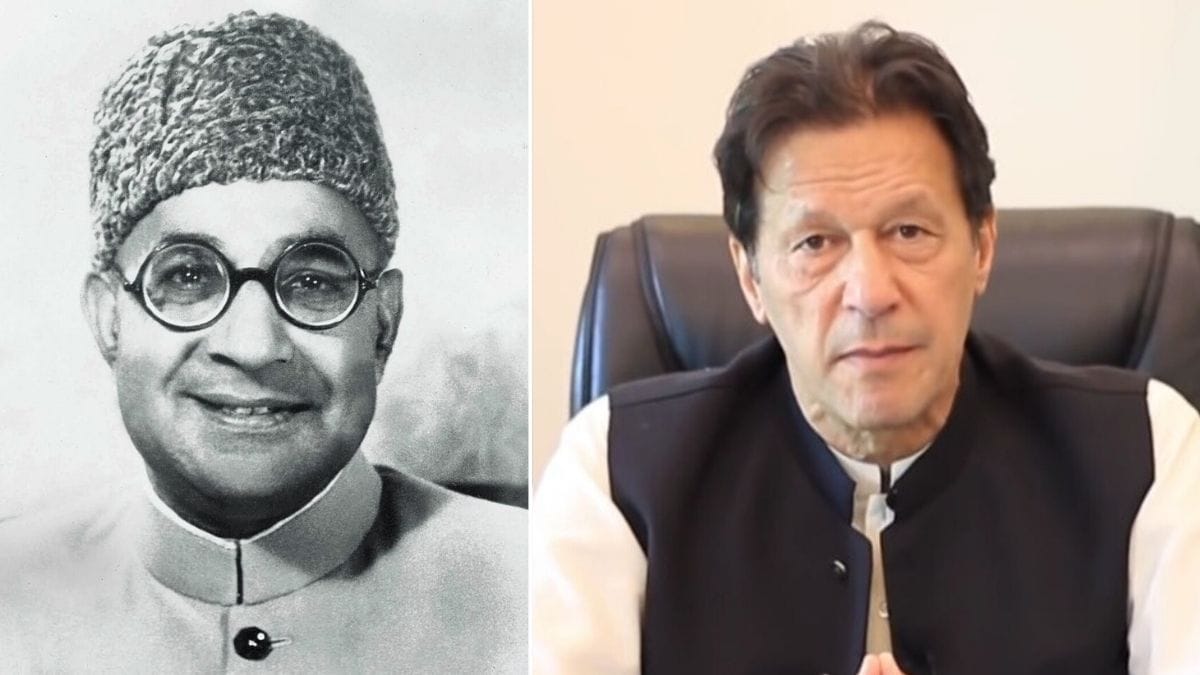
Sara Taseer Says Pakistan Punishes Oxford-Educated Prime Ministers

Pakistan Cricket Crisis Deepens After Lord’s Test Loss