1 week ago
Why Asim Munir May Be Softening Toward Imran Khan

Imran Khan is in jail, and his health has worried his family and supporters.
Pakistan’s Supreme Court reportedly said he could be moved to a private hospital.
Some observers think this may be a signal from the powerful military establishment.
They believe Khan could receive better treatment if he agrees to negotiate.
The military leadership is also reportedly planning to divide Pakistan’s provinces into smaller administrative areas.
This plan would give local governments a larger role and could change how money and power are controlled.
The Pakistan Peoples Party is especially opposed because the plan could weaken its influence in Sindh.
The article says Pakistan’s political game may therefore involve both Khan’s future and a broader effort to reshape the country’s political system.

Pakistan’s Supreme Court reportedly ordered Imran Khan’s transfer from Rawalpindi jail to a private Islamabad hospital, prompting speculation about a softer establishment stance.
The article interprets the possible transfer as a signal encouraging Khan to negotiate with Field Marshal Asim Munir.
Munir is reportedly considering a constitutional plan to create 20 administrative units and strengthen local government.
The proposed 28th Amendment could weaken established parties, particularly the Pakistan Peoples Party in Sindh.
Possible political outcomes include an agreement with the PPP or cooperation between the Pakistan Muslim League-Nawaz and Pakistan Tehreek-e-Insaf.
- Who
- Imran Khan, Field Marshal Asim Munir, the federal government, and Pakistan’s major political parties, including the Pakistan Peoples Party, Pakistan Muslim League-Nawaz, and Pakistan Tehreek-e-Insaf.
- What
- A reported possible easing of conditions for Khan is being linked to negotiations and a proposed constitutional plan to create 20 administrative units.
- Where
- The developments concern Pakistan, including Khan’s jail in Rawalpindi, a private hospital in Islamabad, and proposed changes across the provinces.
- When
- The speculation follows the Supreme Court’s reported order to move Khan; the article does not provide a date for the order.
- Why
- The article argues that the establishment may want Khan’s cooperation while restructuring provincial power, local government, and control over financial resources.
Establishment and decentralization rationale
Opposition parties’ concerns
Treatment of Imran Khan
Establishment and decentralization rationale
Supporters of the reported move may see Khan’s transfer as humanitarian relief and a possible opening for political negotiations.
Opposition parties’ concerns
PTI supporters may suspect that improved treatment is conditional on Khan moderating his political position, while the article says it is unclear whether he can dictate terms.
Administrative restructuring
Establishment and decentralization rationale
The proposed smaller administrative units are presented as a way to decentralize governance, strengthen local government, and reduce dependence on provincial governments for funds.
Opposition parties’ concerns
Opponents, especially the PPP, fear that dividing provinces would weaken existing political bases and could alter control of areas such as urban Sindh.
Political consequences
Establishment and decentralization rationale
The establishment could seek support from the PML-N and PTI to secure the constitutional change, potentially creating a parliamentary majority.
Opposition parties’ concerns
The PPP could lose political influence if abandoned, while established parties more broadly may struggle because of weak local party structures.
Key facts
- Reported court order
- The Supreme Court reportedly ordered Imran Khan’s transfer from a jail in Rawalpindi to a private hospital in Islamabad.
- Government response
- The government petitioned higher courts against the transfer decision; the article says the petition was later reportedly withdrawn.
- Proposed administrative units
- Sources cited in the article describe 20 proposed units: five in Punjab, five in Sindh, four in Khyber-Pakhtunkhwa, four in Balochistan, one in Gilgit-Baltistan, and one in Pakistan-occupied Kashmir.
- Constitutional vehicle
- The proposed restructuring would reportedly be included in a 28th Amendment to Pakistan’s 1973 Constitution.
- Political opposition
- The Pakistan Peoples Party is identified as the main party opposing the proposed division of provinces, particularly among its Sindh-based figures.
- Possible negotiations
- The article speculates that Khan could receive relief and possible future electoral space in return for negotiating with the establishment and accepting more conciliatory treatment.
Sources
Related news
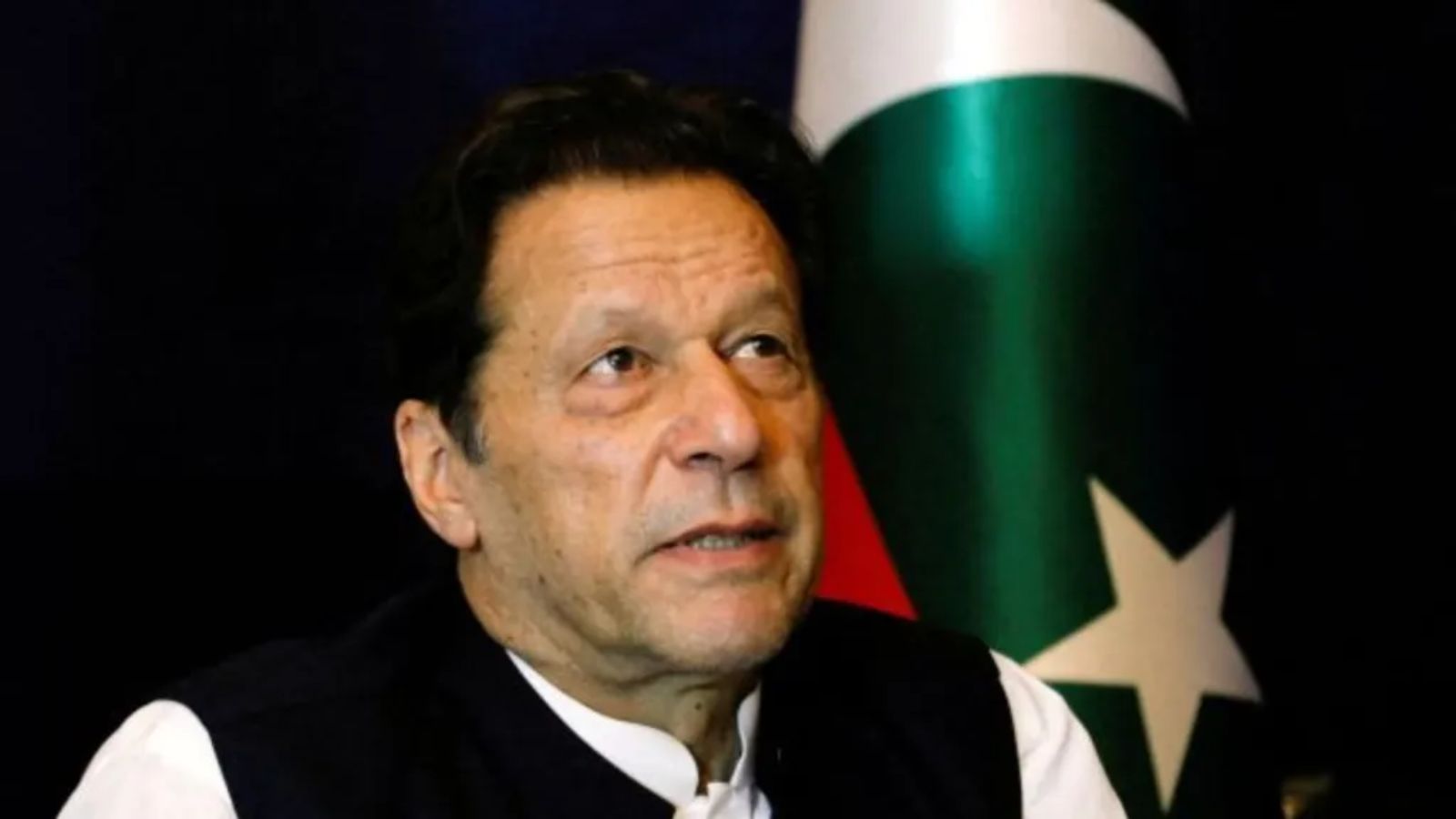
Imran Khan Aide Signals Possible Reconciliation With Pakistan Military
Asim Munir Balances Iran Mediation With Pakistan’s Internal Strains
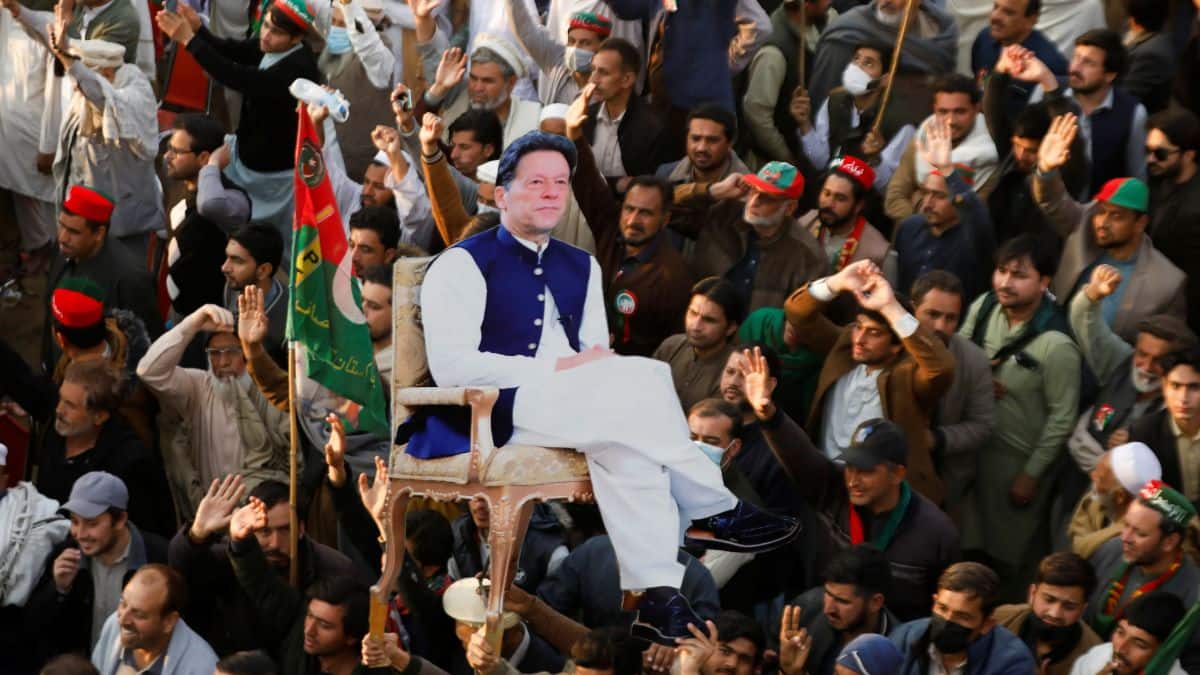
Imran Khan’s Prison Treatment Signals Possible Political Thaw in Pakistan
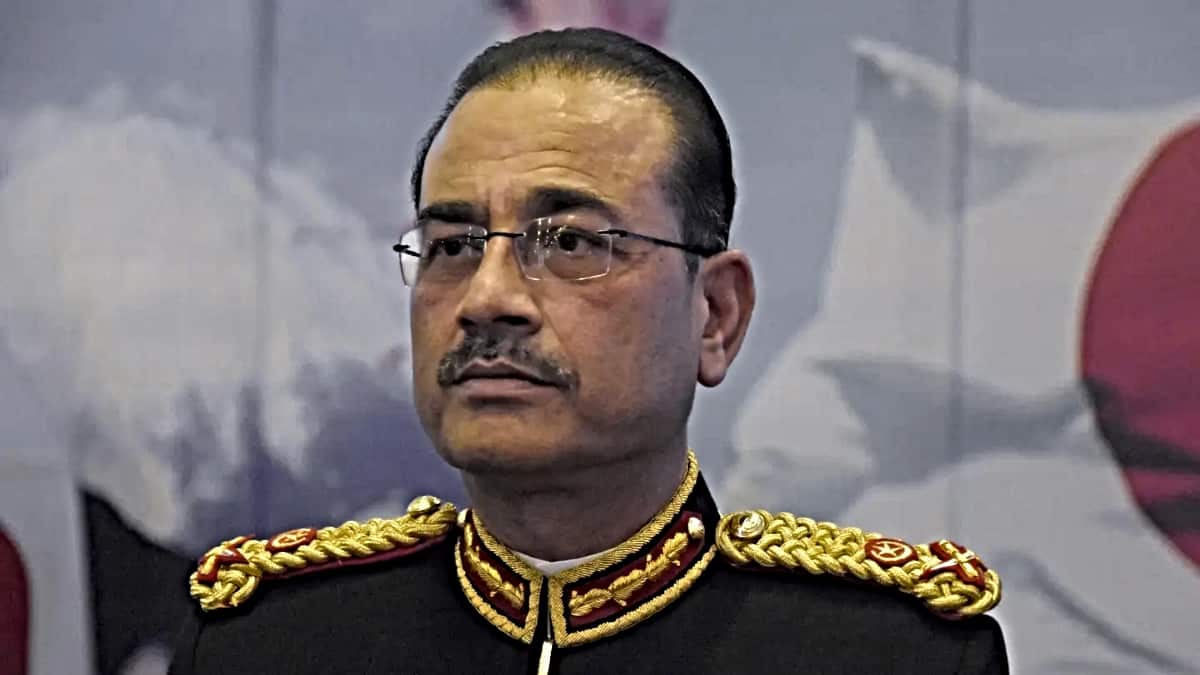
Pakistan's military chief caught between holding and freeing Imran Khan

Imran Khan Moved to Islamabad Hospital Under Supreme Court Order
Imran Khan's Sister Files Second Supreme Court Contempt Petition
Pakistan High Court Ends Solitary Confinement for Imran Khan

Imran Khan’s Medical Care Raises Questions About Pakistan’s Courts

Pat Cummins Backs Captains’ Plea for Imran Khan’s Care

Imran Khan’s Sons Fear for His Safety in Prison