

1 week ago
Pakistan Army Chief Munir Visits Tehran Amid Regional Mediation Strains
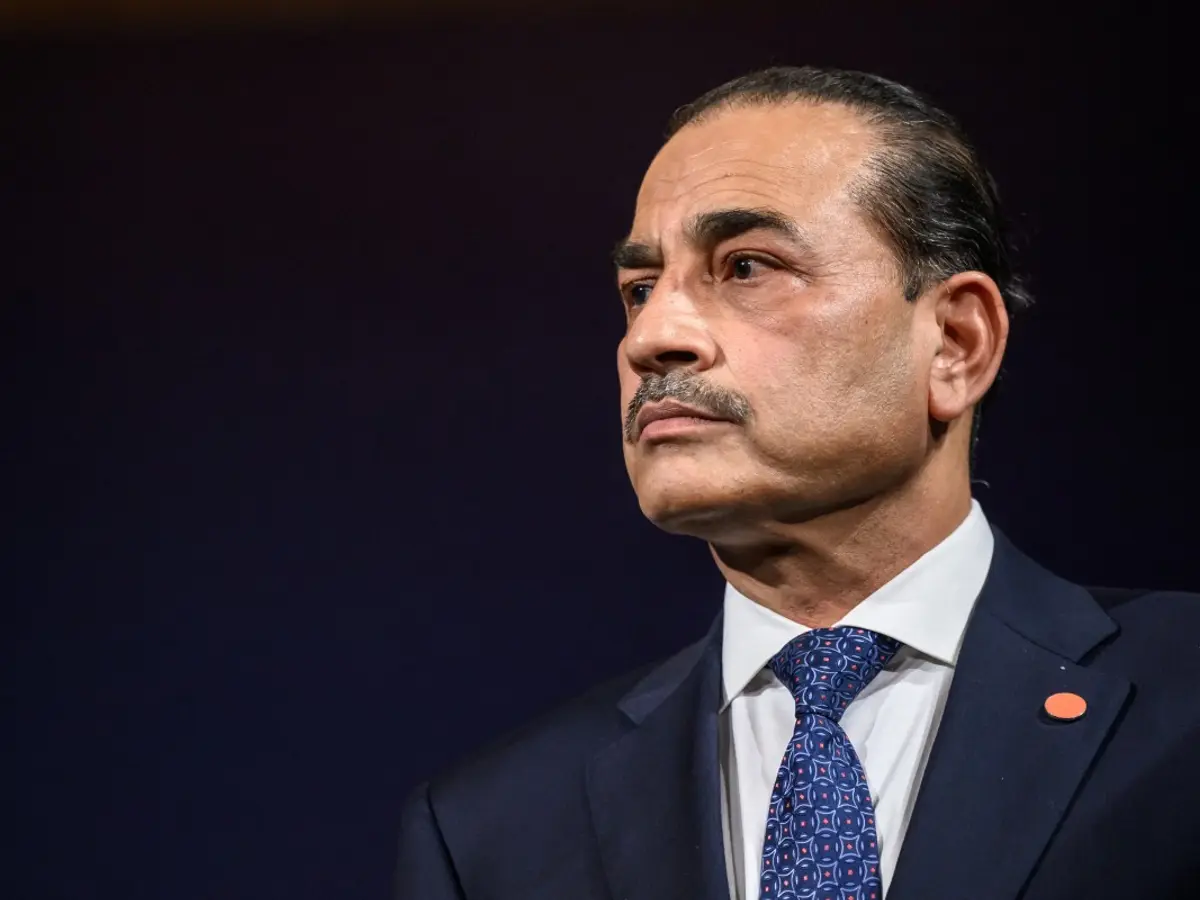
Pakistan’s Army Chief Asim Munir went to Tehran to meet Iranian officials.
Iran said the trip was part of its good relationship with Pakistan.
Pakistan has also tried to help the United States and Iran communicate during regional tensions.
One earlier effort toward an agreement in June later failed.
An Omani foreign minister is also visiting Tehran, but Iran said the trips are separate.
Pakistan recently signed a defence agreement with Saudi Arabia and Türkiye.
Soon afterward, a Houthi drone attacked a Saudi Aramco refinery in Saudi Arabia.
The visit highlights Pakistan’s effort to maintain relationships with Iran, Saudi Arabia and Türkiye.

Pakistan Army Chief Asim Munir arrived in Tehran on Monday, August 24, for talks with Iranian officials.
Iran described the visit as part of strong bilateral relations and said both countries wanted to expand cooperation.
Pakistan has facilitated contacts between Washington and Tehran, including an interim understanding in June that later collapsed.
Iran said Munir’s visit was unrelated to Omani Foreign Minister Badr bin Hamad Al Busaidi’s scheduled Tehran trip.
The visit follows a defence agreement among Pakistan, Saudi Arabia and Türkiye that was scrutinized after a Houthi drone attack on a Saudi Aramco refinery.
- Who
- Pakistan Army Chief Asim Munir, Iranian officials and Iranian Foreign Ministry spokesperson Esmaeil Baghaei.
- What
- Munir arrived in Tehran for talks, while Pakistan sought to maintain a mediating and balancing role amid regional tensions.
- Where
- Tehran, Iran.
- When
- Monday, August 24; Omani Foreign Minister Badr bin Hamad Al Busaidi was scheduled to visit on Tuesday, August 25.
- Why
- The stated purpose was to conduct talks within Iran-Pakistan bilateral relations; the visit also occurred amid Iran-US friction and regional tensions.
Official Framing
Critical Assessment
Purpose of Munir’s visit
Official Framing
Iran said the visit was scheduled within the framework of strong and expanding bilateral relations with Pakistan.
Critical Assessment
The article’s cited experts viewed the trip as an attempt at face-saving after Pakistan’s mediation efforts in the West Asia crisis fell flat.
Pakistan’s regional role
Official Framing
Pakistan has sought to facilitate communication between Washington and Tehran while maintaining relations with Iran, Saudi Arabia and Türkiye.
Critical Assessment
The simultaneous regional diplomacy and the scrutiny of Pakistan’s new defence commitments highlight the difficulty of balancing those relationships.
Defence commitment
Official Framing
The Mecca agreement treats an armed attack on one member as an attack on all three and provides for enhanced cooperation and collective deterrence.
Critical Assessment
The Houthi attack on a Saudi Aramco refinery, followed by no publicly announced immediate military response from Pakistan or Türkiye, raised questions about how the commitment would work in practice.
Key facts
- Visitor
- Pakistan Army Chief Asim Munir
- Destination
- Tehran, Iran
- Iran’s stated purpose
- Talks within the framework of bilateral relations
- Earlier mediation
- Pakistan facilitated contacts between Washington and Tehran, including a June interim understanding that later collapsed
- Omani visit
- Foreign Minister Badr bin Hamad Al Busaidi was scheduled to visit Tehran on August 25
- Defence agreement
- Pakistan, Saudi Arabia and Türkiye signed the Mecca Joint Defence Agreement on August 7
- Subsequent attack
- A Houthi drone targeted Saudi Aramco’s Jazan refinery two days after the agreement was signed
Quotes

Esmaeil Baghaei
Iranian Foreign Ministry spokesperson
“The bilateral relationship between Iran and Pakistan is truly going through one of its best stages, and both sides are determined to expand these relations day by day, in all areas.”
 wionews.com
 thestatesman.com
 theprint.in
“The Oman visit has nothing to do with this; it is just almost simultaneous in terms of time.”
wionews.com
thestatesman.com
theprint.in
Sources

Related news
Pakistan Army Chief to Visit Tehran Amid Stalled US-Iran Talks
Pakistan Army Chief Munir Visits Tehran Amid US-Iran Tensions
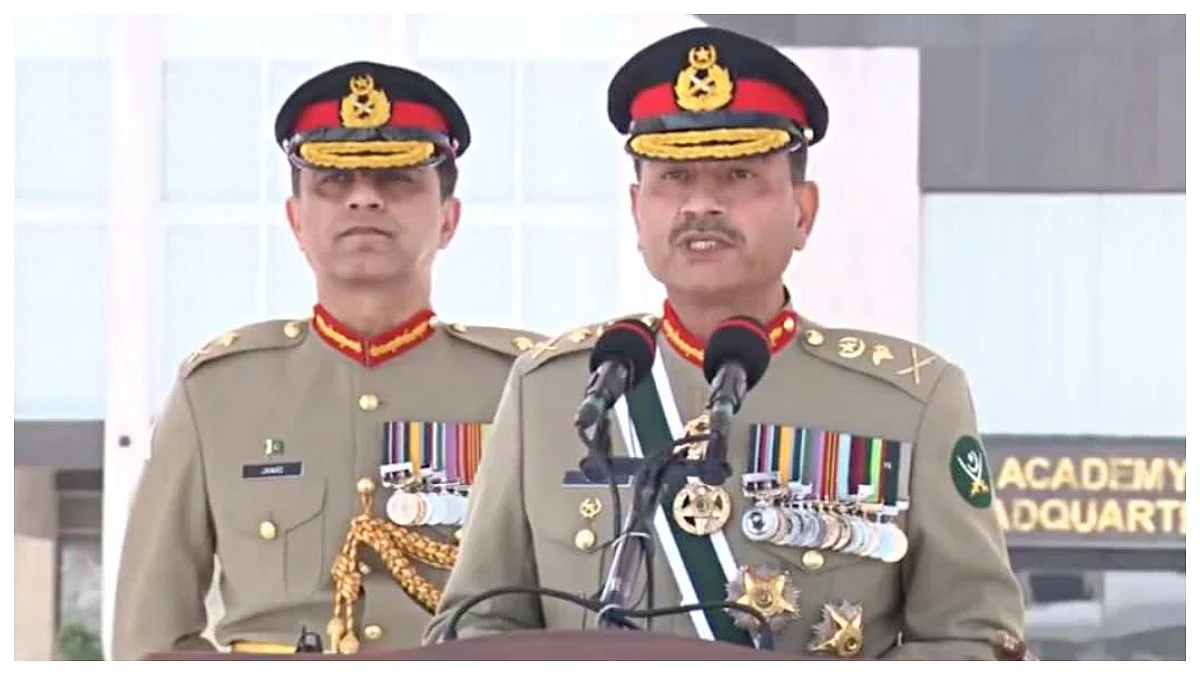
Pakistan Army Chief Munir to Visit Tehran Amid Iran-US Tensions
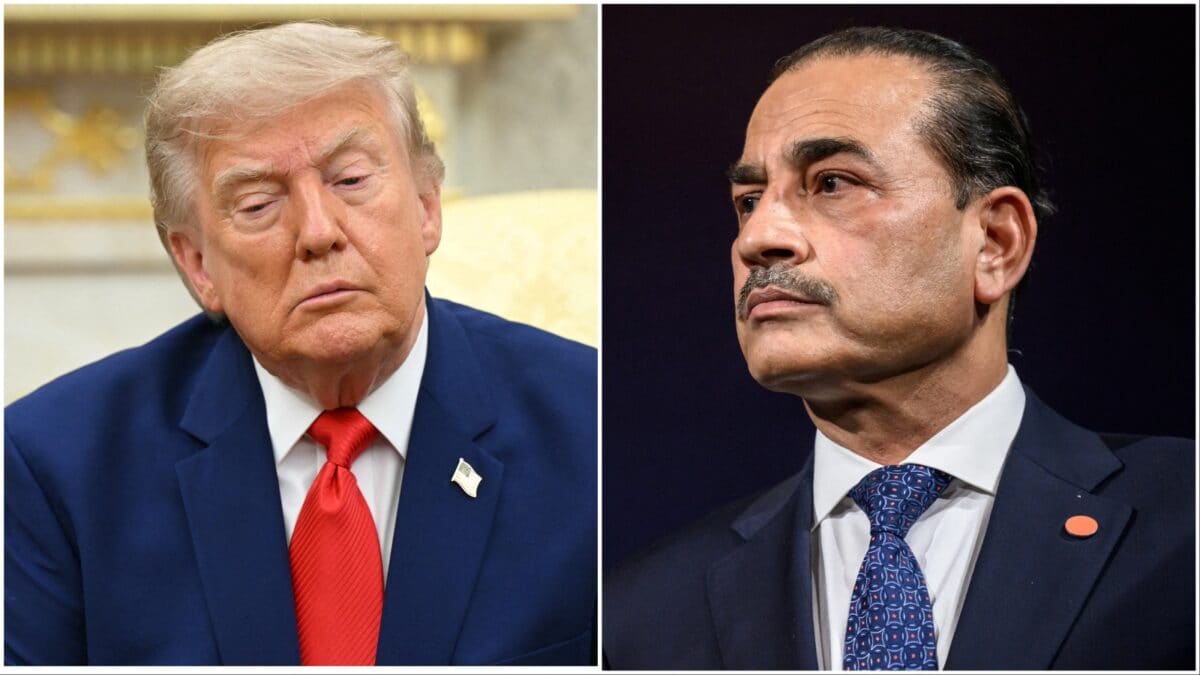
Trump, Pakistan Army Chief Discuss Iran Before Tehran Visit

Pakistan Army Chief Asim Munir Holds Talks in Tehran

Asim Munir Returns to Iran Amid Gulf Peace Stalemate

Saudi Arabia Says Iranian Tanker Attack Killed Two Sailors
Indian Seafarers Face Risks Sailing Through Strait of Hormuz

US Launches Strikes on Iran After Attacks on Bases

Bessent Predicts Pipelines Will Bypass Strait of Hormuz
Qatar Urges United States and Iran to Resume Talks
