1 week ago
Pakistan Army Chief Munir to Visit Tehran Amid Iran-US Tensions
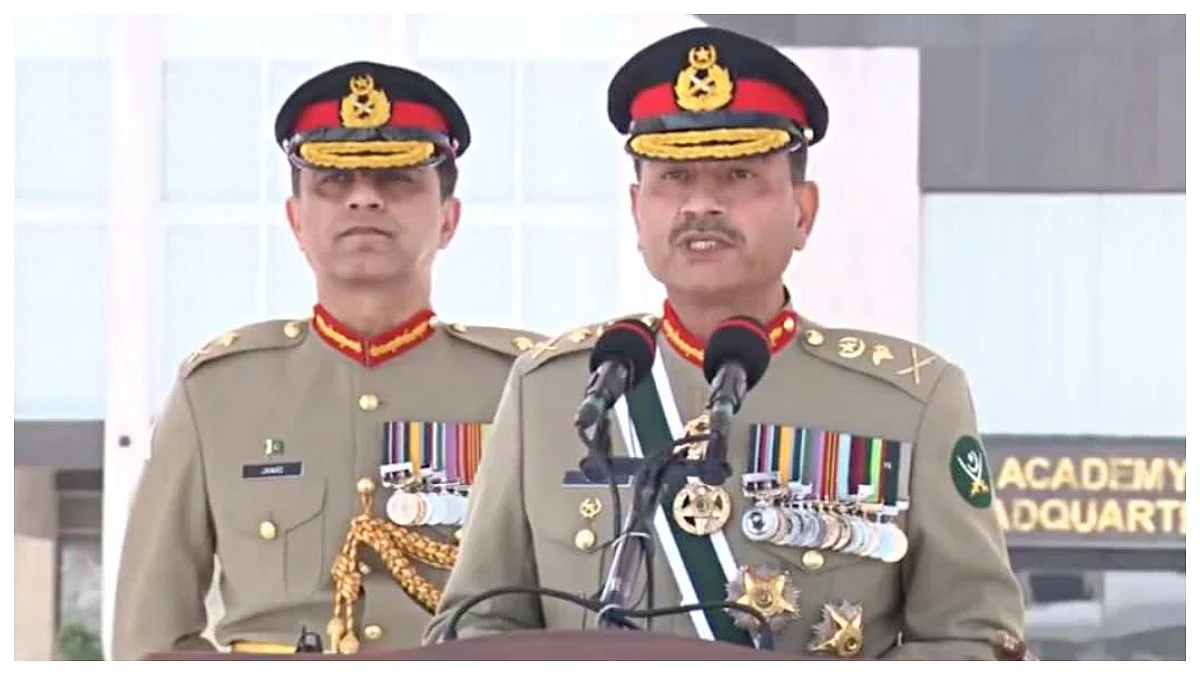
Pakistan’s army chief, Asim Munir, is going to Tehran on Monday.
Pakistan is trying to help Iran and the United States discuss peace.
The talks concern a conflict that began after US and Israeli strikes on Iran in February.
Munir is expected to discuss sanctions and other regional problems with Iranian leaders.
The United States plans to announce tougher sanctions against Iran.
Iran warned that countries helping enforce those sanctions could be treated as enemies.
Iran said it might first try to negotiate, but could later attack the interests of countries that do not withdraw their support.
Shipping through the Strait of Hormuz has almost stopped.
Some Iraqi oil tankers were allowed to use the waterway with special permission.

Pakistan Army chief Asim Munir will visit Tehran on Monday as Islamabad supports peace and security efforts between Iran and the United States.
Pakistan and Iran are in direct contact, and Munir is expected to discuss the conflict, proposed US sanctions, and regional developments.
Iranian official Mohsen Rezaei warned that countries joining US economic restrictions could face retaliation against their interests.
US President Donald Trump and Treasury Secretary Scott Bessent warned countries supporting Iran that they could face severe economic consequences.
Shipping through the Strait of Hormuz has nearly stopped, while Iraqi oil tankers were granted special permission to pass.
- Who
- Pakistan Army chief Asim Munir, Iranian officials, the governments of Pakistan, Iran, and the United States, and US officials including Donald Trump and Scott Bessent.
- What
- Munir will visit Tehran as Pakistan supports mediation efforts between Iran and the United States amid sanctions threats and disrupted shipping.
- Where
- Munir will travel to Tehran, Iran, while the shipping disruption affects the Strait of Hormuz.
- When
- The visit is scheduled for Monday; the announcements and warnings were reported on Saturday and Sunday.
- Why
- Pakistan says the visit is part of efforts to strengthen regional peace and security and support negotiations aimed at ending the conflict.
Iran’s Position
United States’ Position
Sanctions legitimacy
Iran’s Position
Iran rejects the legitimacy of proposed secondary sanctions, describing them as an unlawful assertion of authority over independent countries.
United States’ Position
The United States is preparing what its officials describe as exceptionally tough sanctions to increase economic pressure on Iran.
Support for Iran
Iran’s Position
Iran warned that countries participating in US economic restrictions could be treated as enemies and said it might target their interests if negotiations fail.
United States’ Position
Donald Trump and Scott Bessent warned that countries providing Iran with an economic lifeline could face severe economic consequences.
Diplomatic efforts
Iran’s Position
Iran is involved in stalled discussions aimed at ending the conflict while criticizing US pressure and sanctions.
United States’ Position
The United States is participating in negotiations that Pakistan is seeking to support, while continuing its sanctions campaign.
Key facts
- Visitor
- Pakistan Army chief Asim Munir
- Destination
- Tehran, Iran
- Mediation role
- Pakistan is supporting negotiations between Iran and the United States.
- Expected discussions
- Recent conflict developments, proposed US sanctions, the Pakistan-Turkey-Saudi Arabia Agreement, and Houthi-related issues.
- Iranian warning
- Mohsen Rezaei said countries imposing restrictions on Iran could face retaliation.
- US position
- Donald Trump and Scott Bessent warned countries providing Iran with economic support of serious consequences.
- Shipping disruption
- Oil shipments through the Strait of Hormuz have nearly stopped; Iraqi tankers received special permission to pass.
Quotes

Mohsen Rezaei
Secretary of Iran’s Supreme National Security Council
“Of course, we will first negotiate with them. We will hold talks and tell them to step aside and distance themselves from the United States. But if they do not act, we will strike. We will target that country’s interests.”
 firstpost.com
“Any country that takes part in imposing economic restrictions on us will be regarded as an enemy”
firstpost.com
A Pakistani government source
A Pakistani government source familiar with the planned discussions
“He (Munir) will discuss peace under Islamabad's MoU, Trump’s warning and the situation after the Pakistan-Turkey-Saudi Arabia Agreement and Houthi issues with Iranian leaders.”
 freepressjournal.in

Scott Bessent
United States Treasury Secretary
“You’re either with us or against us.”
firstpost.com
Sources
Related news
Pakistan Army Chief to Visit Tehran Amid Stalled US-Iran Talks
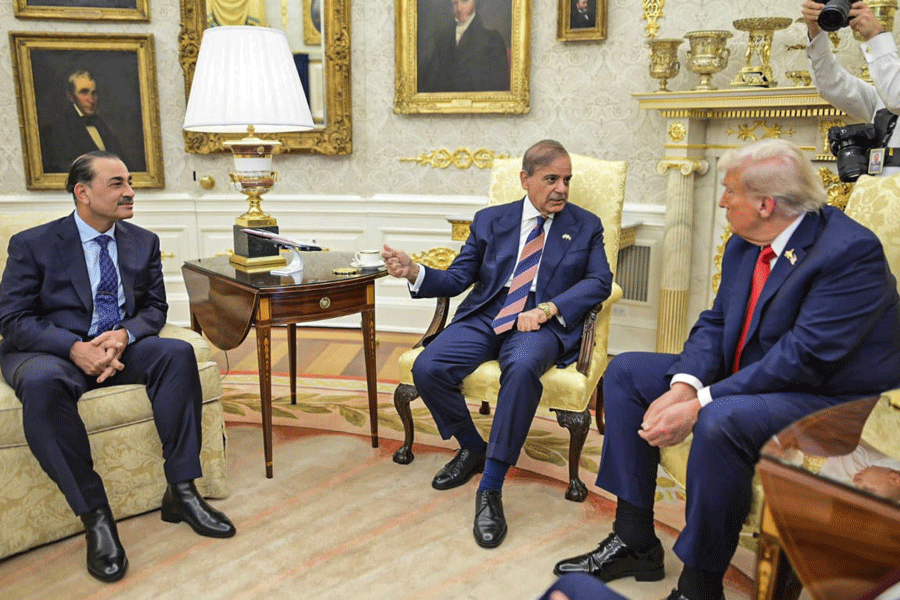
Pakistan Army Chief Munir Visits Tehran Amid US-Iran Tensions
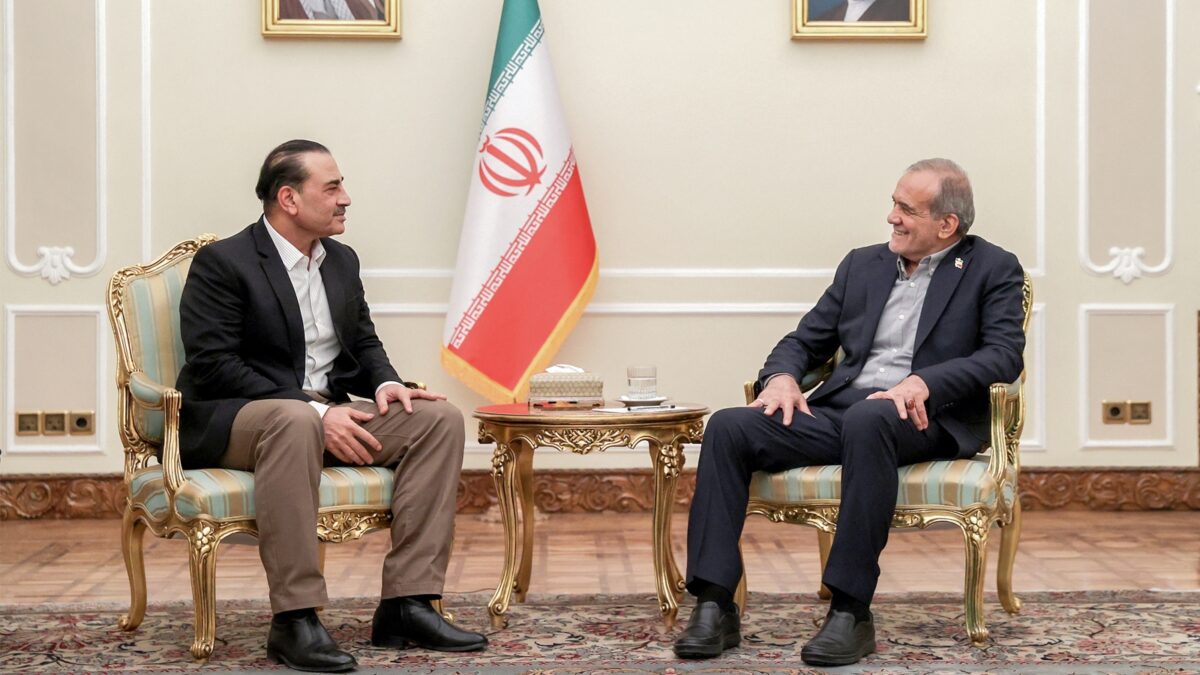
Pakistan Army Chief Meets Iran President Amid Mediation Effort

US Prepares Tough Iran Sanctions as Pakistan Seeks Mediation
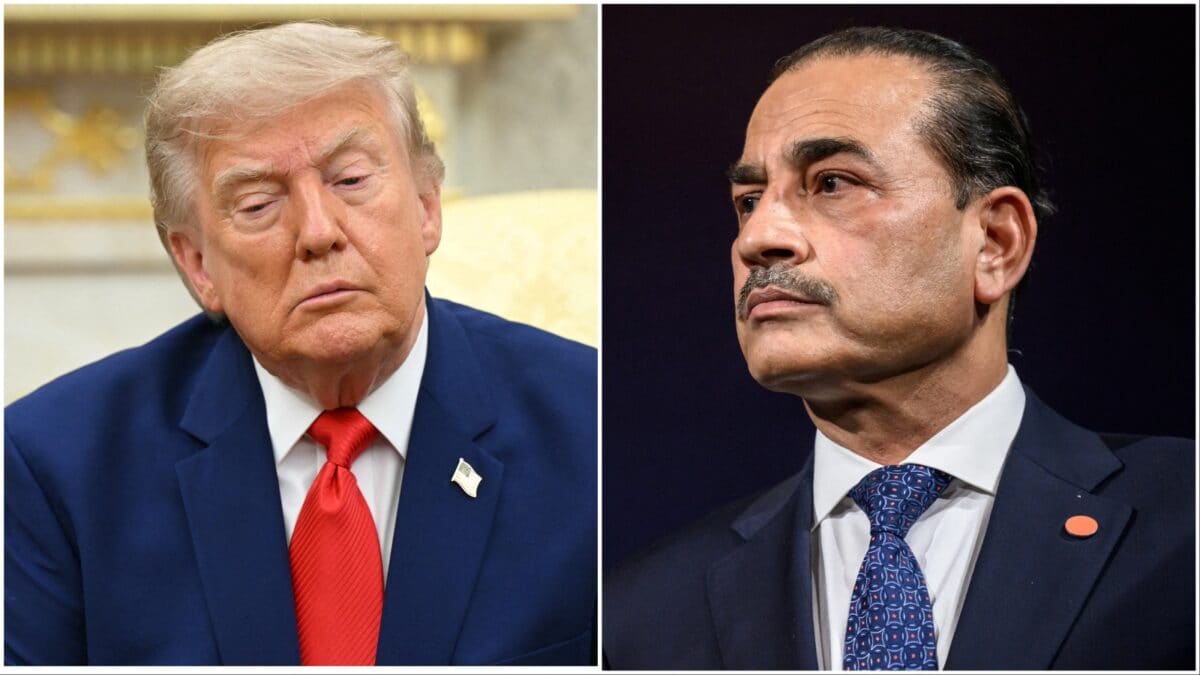
Trump, Pakistan Army Chief Discuss Iran Before Tehran Visit
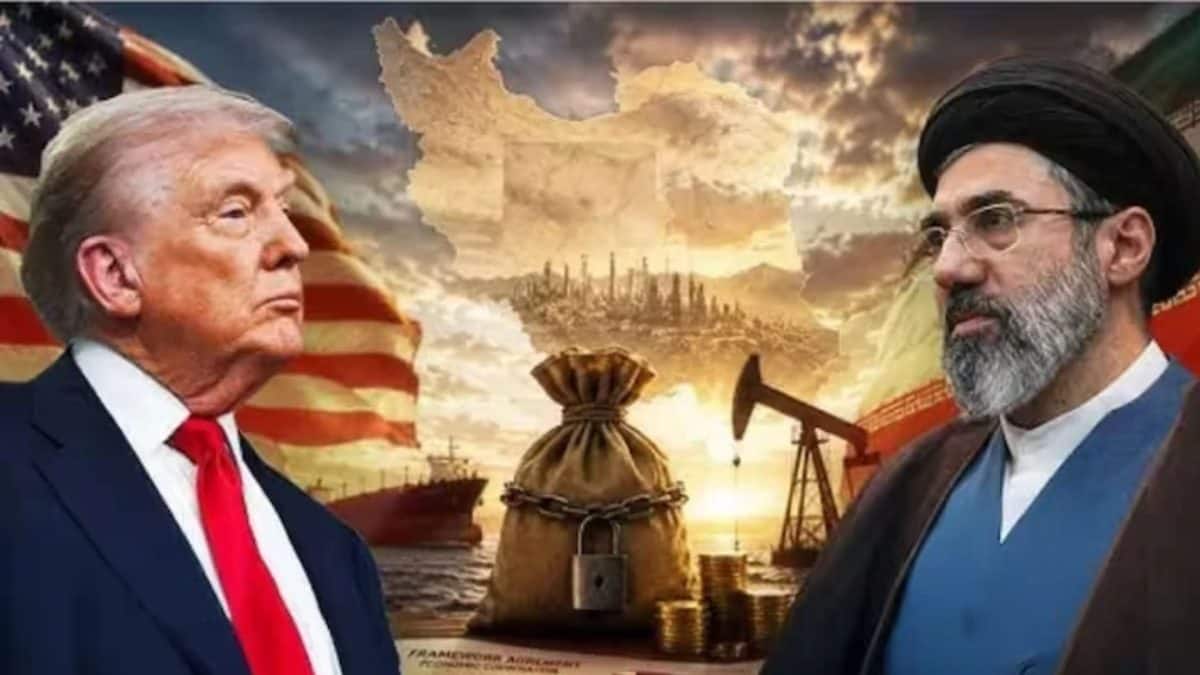
Iran Rejects Trump Sanctions Threat as Pezeshkian Backs Diplomacy
Iran Seizes Fuel-Smuggling Vessel in Gulf, Arrests 11 Crew
Trump Floats Renaming Strait of Hormuz as “Trump Strait”

Chevron Plans $7 Billion Venezuela Expansion Amid U.S. Oil Push
Saudi Tanker Hit in Hormuz, Killing Two Filipino Sailors
U.S.-Iran Exchange Escalates Across Middle East, Markets Slide