1 week ago
Pakistan Army Chief Munir Visits Tehran Amid US-Iran Tensions
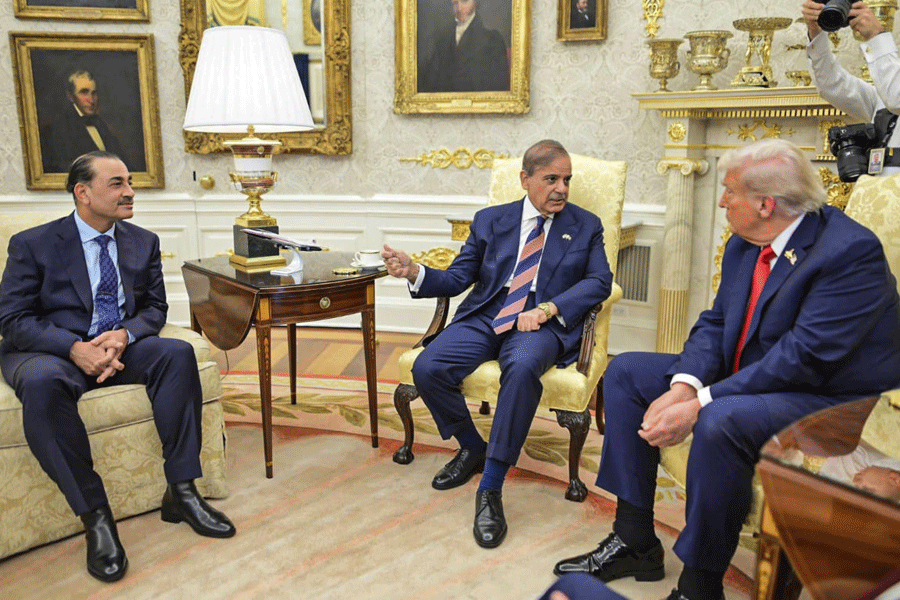
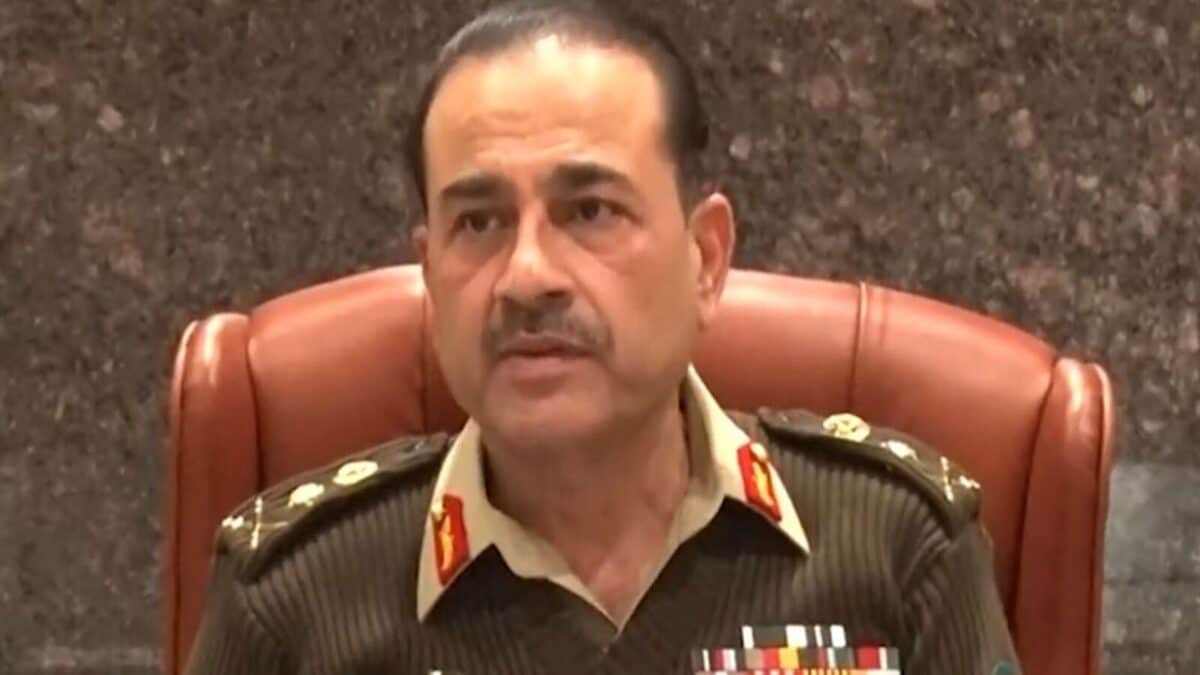
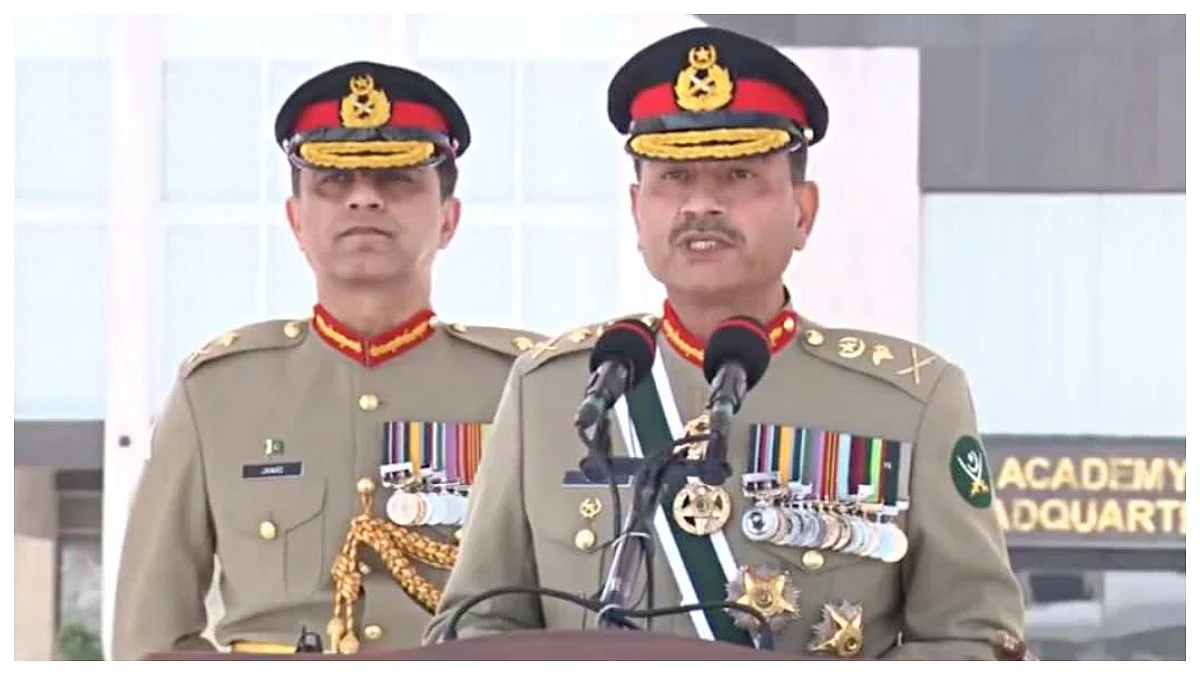
Pakistan’s army chief, General Asim Munir, travelled to Tehran to speak with Iranian officials.
He is trying to help reduce tensions between Iran and the United States.
Munir reportedly spoke with President Donald Trump before the trip.
One source said Trump wanted Pakistan to encourage Iran to return to talks.
Pakistan says the visit is meant to support peace and stability in the region.
The talks may also cover attacks linked to Iran-aligned Houthi fighters and a defence agreement involving Pakistan, Turkey, and Saudi Arabia.
The United States is preparing stronger economic pressure on Iran.
Iran has warned that it could respond militarily and affect oil shipments from the Gulf.

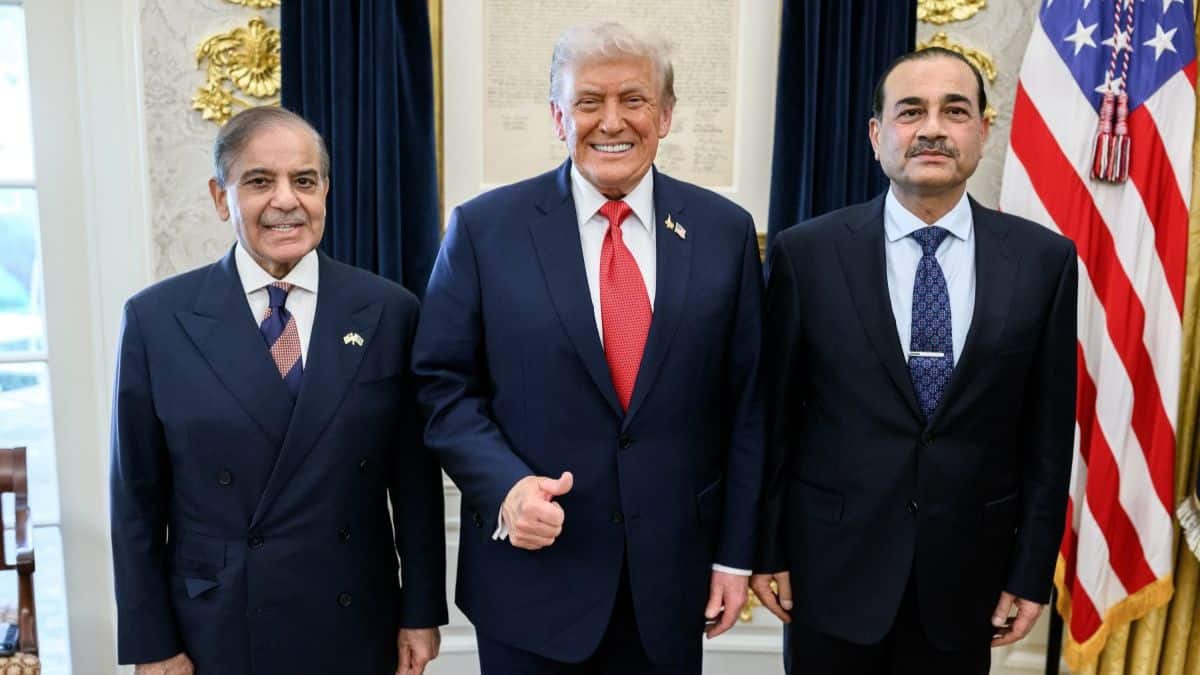
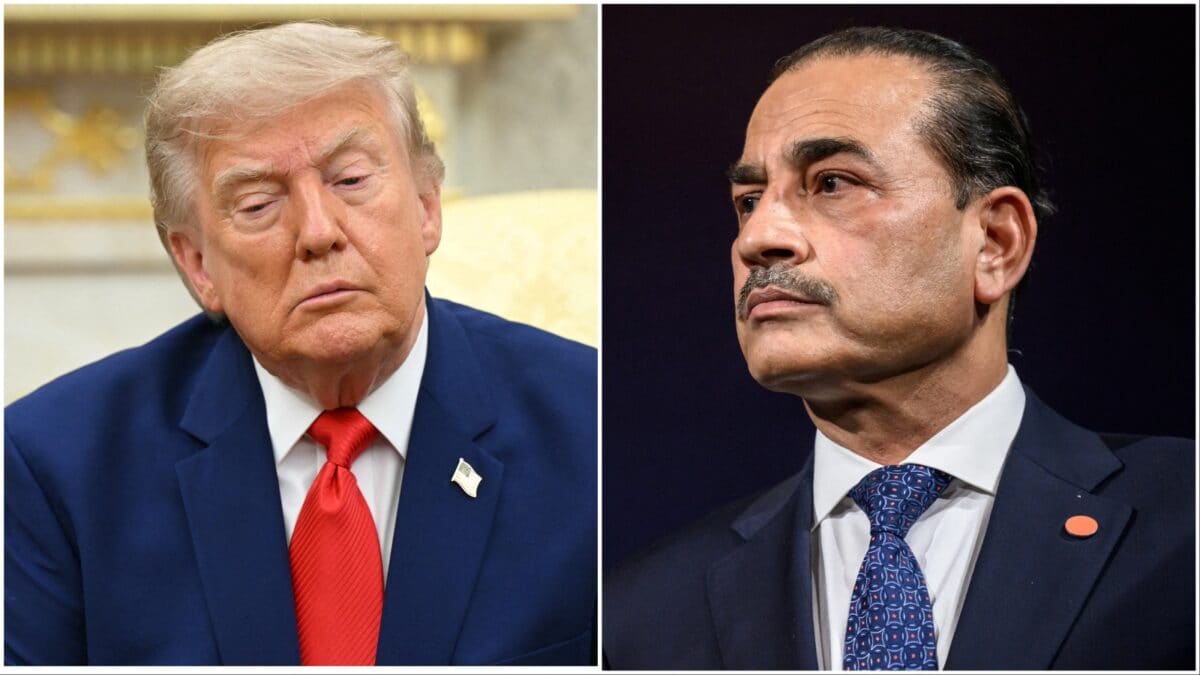
General Asim Munir spoke with US President Donald Trump last week before travelling to Tehran, according to three Pakistani sources.
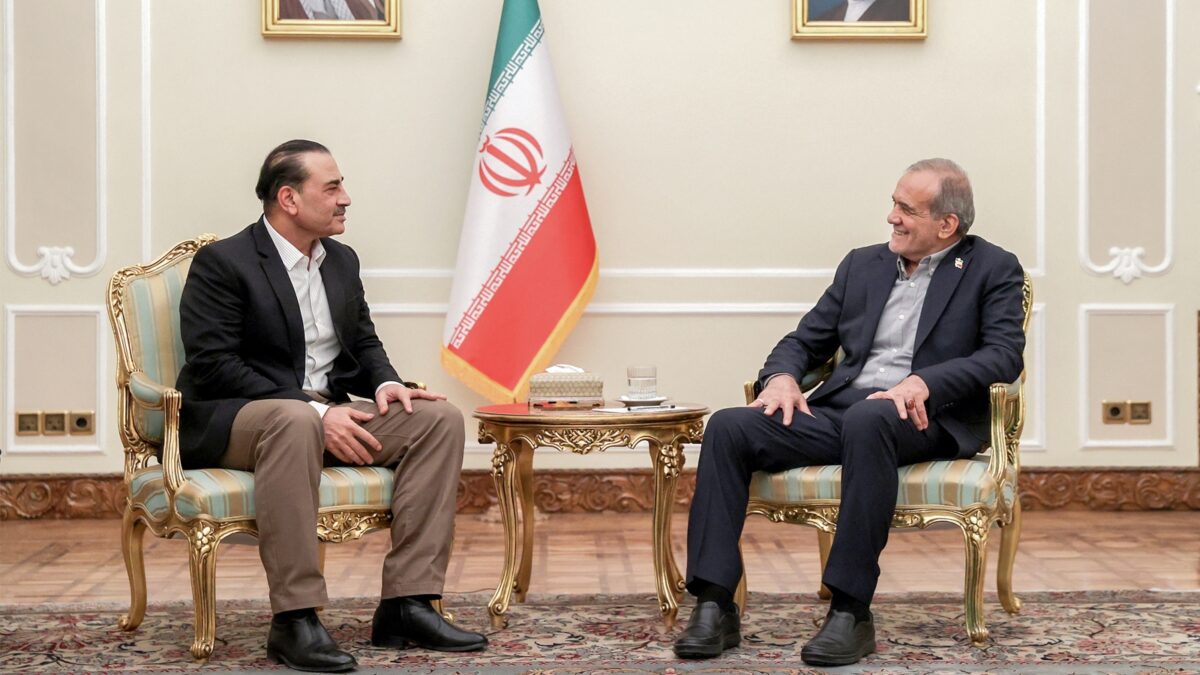
Munir arrived in Tehran on Monday with Pakistan’s Interior Minister Mohsin Naqvi for talks with Iranian officials.
One Pakistani source said Trump asked Pakistan to use its influence to encourage Iran to return to negotiations.
The discussions are expected to cover regional peace, US economic pressure on Iran, Houthi attacks on Saudi Arabia, and a Pakistan-Turkey-Saudi Arabia defence agreement.
Pakistan’s earlier mediation produced a June interim agreement, but renewed fighting caused it to falter and raised fears of a wider conflict.
- Who
- General Asim Munir, Pakistani officials, Iranian officials, and reportedly US President Donald Trump are involved.
- What
- Munir travelled to Tehran for mediation-focused talks about US-Iran tensions, regional security, and a possible return to negotiations.
- Where
- The talks are taking place in Tehran, Iran.
- When
- Munir arrived on Monday; his reported call with Trump took place the previous week.
- Why
- Pakistan says the visit aims to promote regional peace and stability and reduce the trust deficit between Washington and Tehran.
Dialogue and Mediation
Economic and Military Pressure
Approach to the US-Iran conflict
Dialogue and Mediation
Pakistan is seeking dialogue, encouraging Iran to return to negotiations, and attempting to reduce the trust deficit between Washington and Tehran.
Economic and Military Pressure
The Trump administration is preparing major economic measures against Iran and countries that provide Tehran with support or trade.
Response to pressure on Iran
Dialogue and Mediation
Pakistan has maintained economic ties with Iran and continued mediation during the fighting.
Economic and Military Pressure
Iran has rejected the US threats, warned of a possible military response, and said it could affect oil exports from the Gulf if the economic pressure continues.
Regional security
Dialogue and Mediation
Pakistan wants to discuss wider regional concerns, including Houthi attacks on Saudi Arabia and shipping through the Strait of Hormuz.
Economic and Military Pressure
Iran has warned vessels against entering the Strait of Hormuz without its permission, while the United States seeks to restrict Iran’s economic support networks.
Key facts
- Visitor
- General Asim Munir, Pakistan’s army chief
- Destination
- Tehran, Iran
- Reported Trump call
- The call was reportedly initiated by Trump and occurred the week before Munir’s Tehran trip.
- Main mediation goal
- Encourage Iran to return to negotiations and help reduce mistrust between Iran and the United States.
- Additional issues
- US economic measures, Houthi attacks on Saudi Arabia, and the Pakistan-Turkey-Saudi Arabia mutual defence agreement.
- Earlier agreement
- Pakistan’s mediation contributed to an interim peace agreement signed in June, but renewed fighting later undermined it.
- Follow-up diplomacy
- An Omani delegation was expected to visit Tehran to discuss arrangements for ships using the Strait of Hormuz.
Quotes
Pakistani source
An unnamed Pakistani source discussing mistrust between the United States and Iran
“There is a trust deficit on both sides”
 telegraphindia.com
Sources
Related news
Pakistan Army Chief to Visit Tehran Amid Stalled US-Iran Talks
Pakistan Army Chief Munir to Visit Tehran Amid Iran-US Tensions
Pakistan Army Chief Meets Iran President Amid Mediation Effort
Trump, Pakistan Army Chief Discuss Iran Before Tehran Visit
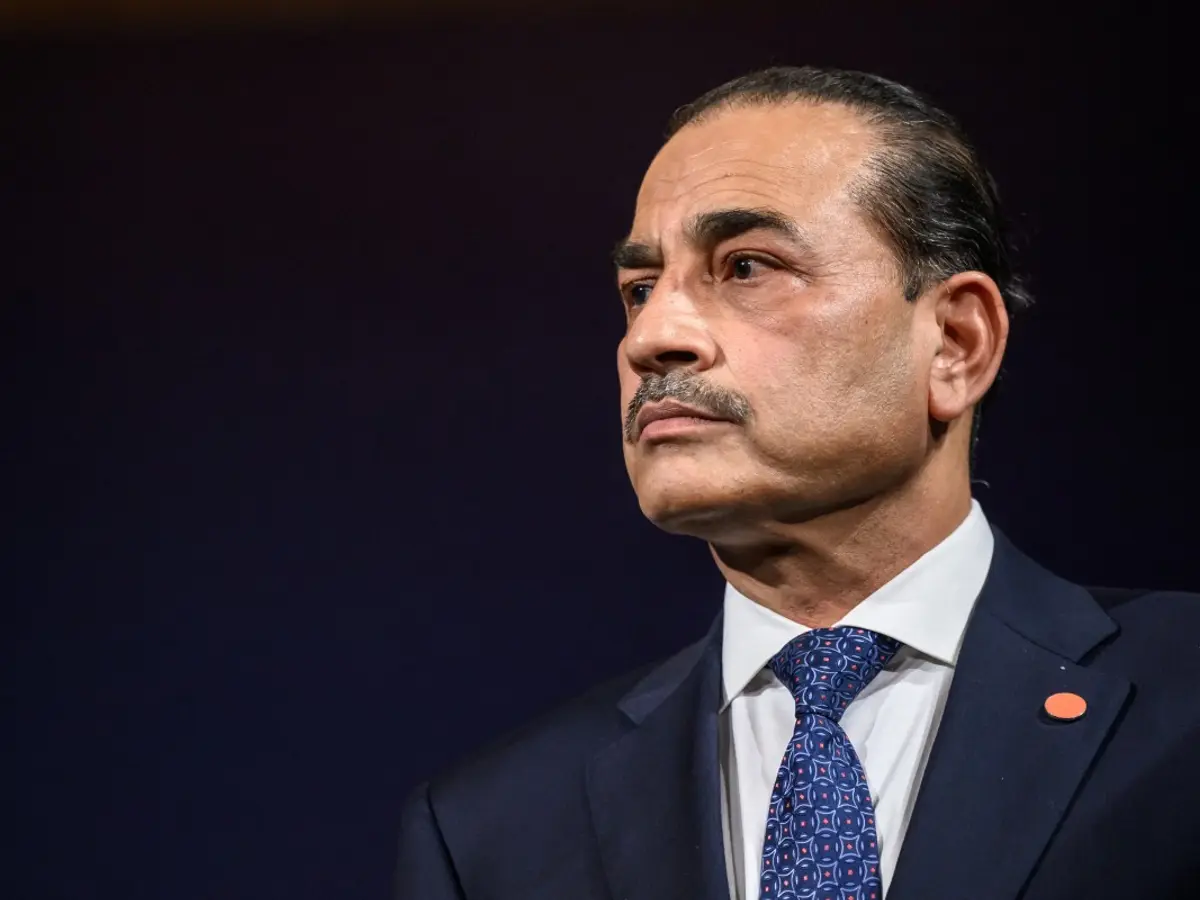
Pakistan Army Chief Munir Visits Tehran Amid Regional Mediation Strains
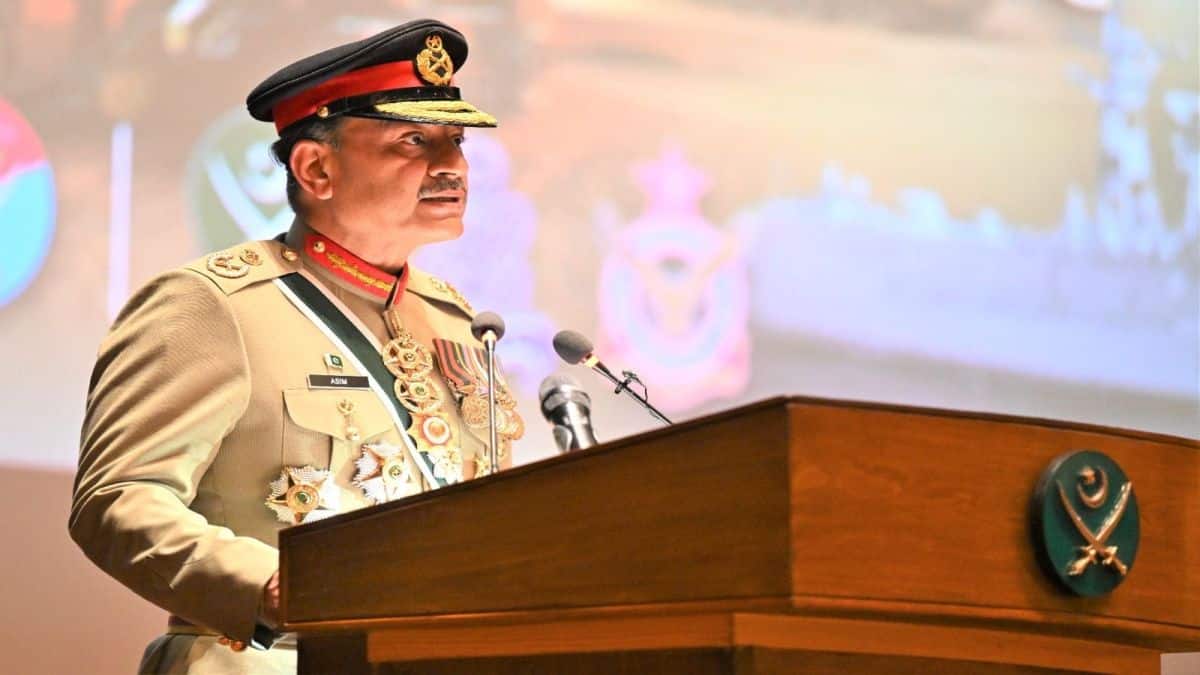
Reports Say Munir Carried US Framework to Iran, Unconfirmed
Iran Seizes Fuel-Smuggling Vessel in Gulf, Arrests 11 Crew
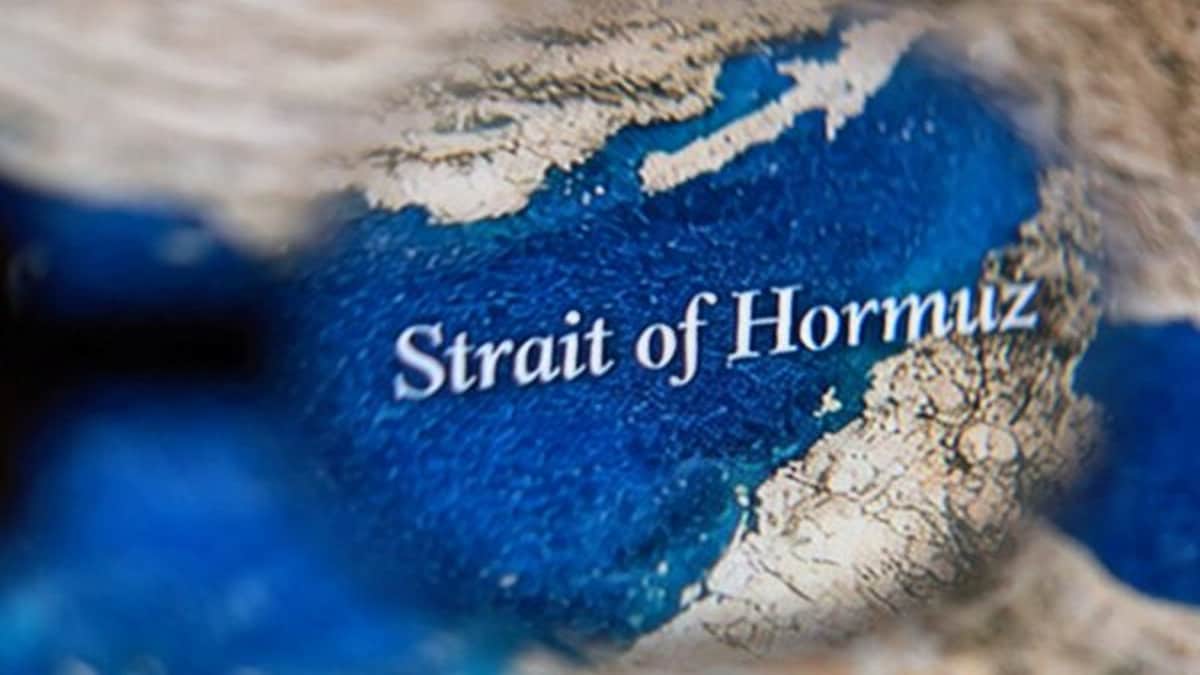
Trump Floats Renaming Strait of Hormuz as “Trump Strait”

Chevron Plans $7 Billion Venezuela Expansion Amid U.S. Oil Push
Saudi Tanker Hit in Hormuz, Killing Two Filipino Sailors

U.S.-Iran Exchange Escalates Across Middle East, Markets Slide