2 hrs ago
IceCube Observatory Uses Antarctic Ice to Trace Cosmic Neutrinos

Neutrinos are tiny particles that can travel through matter without leaving much of a trace.
Scientists want to study them because they can carry clues from powerful events far away in space.
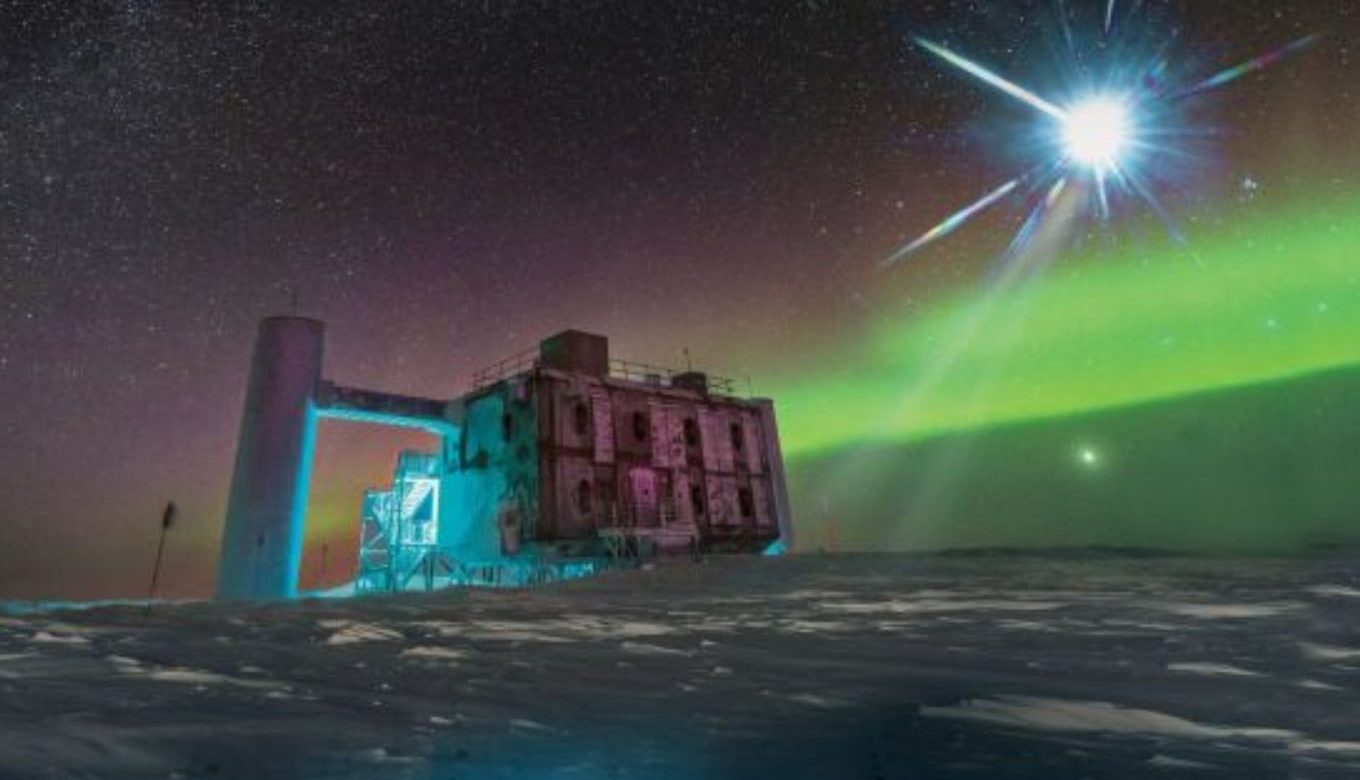
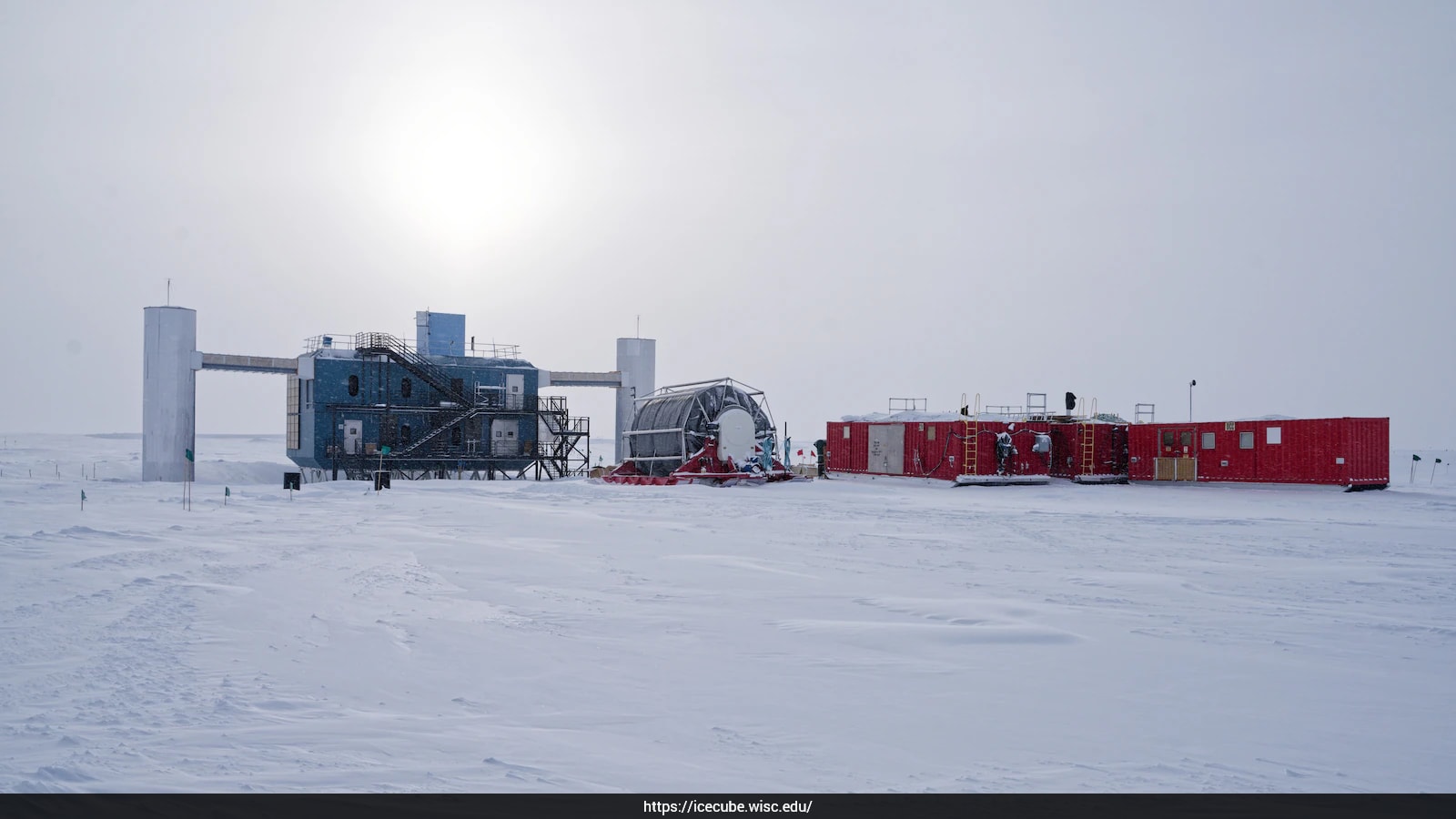
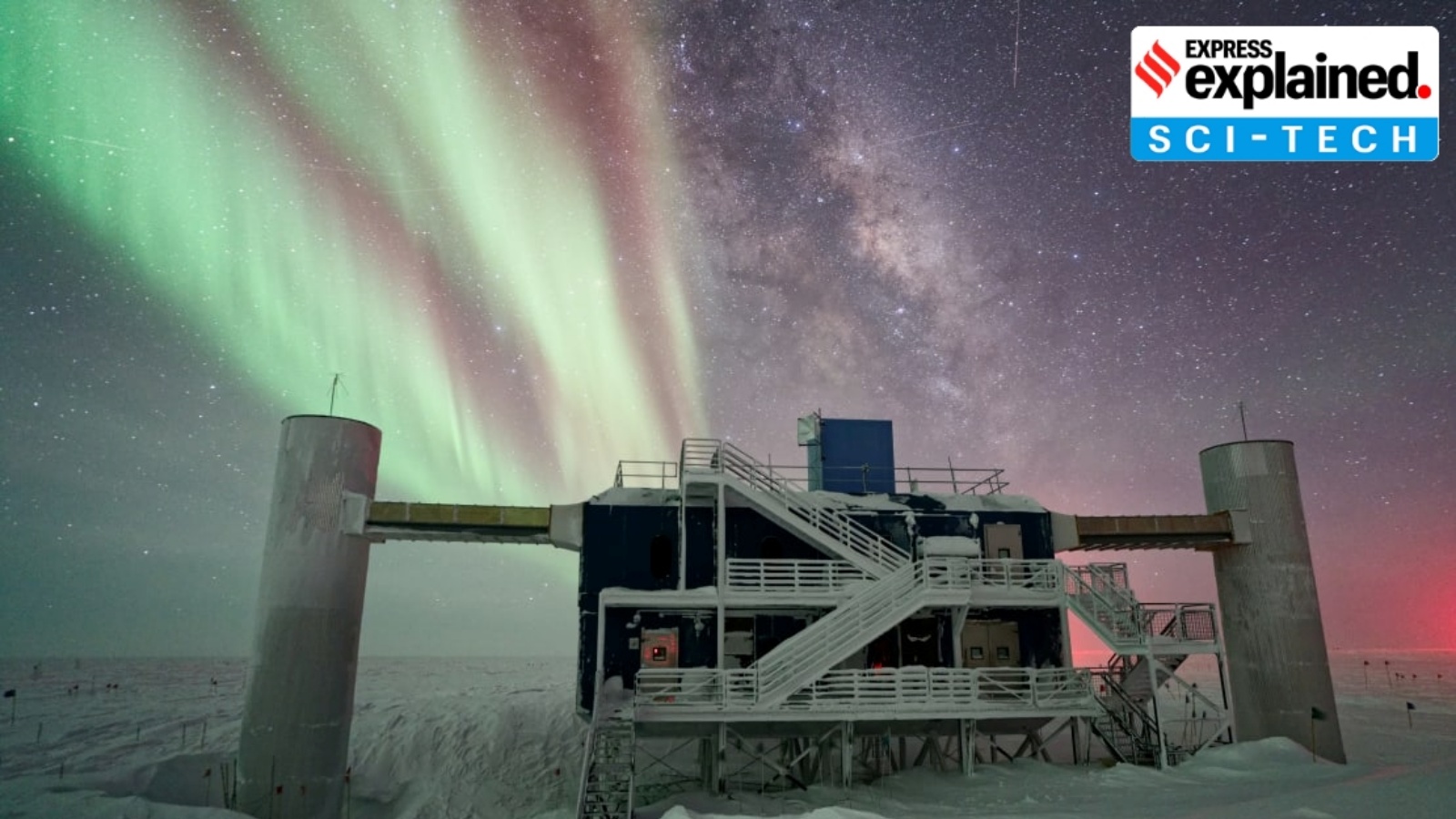
IceCube is a detector built deep inside Antarctic ice.
Thousands of sensors look for small flashes of light made when neutrinos interact with the ice.
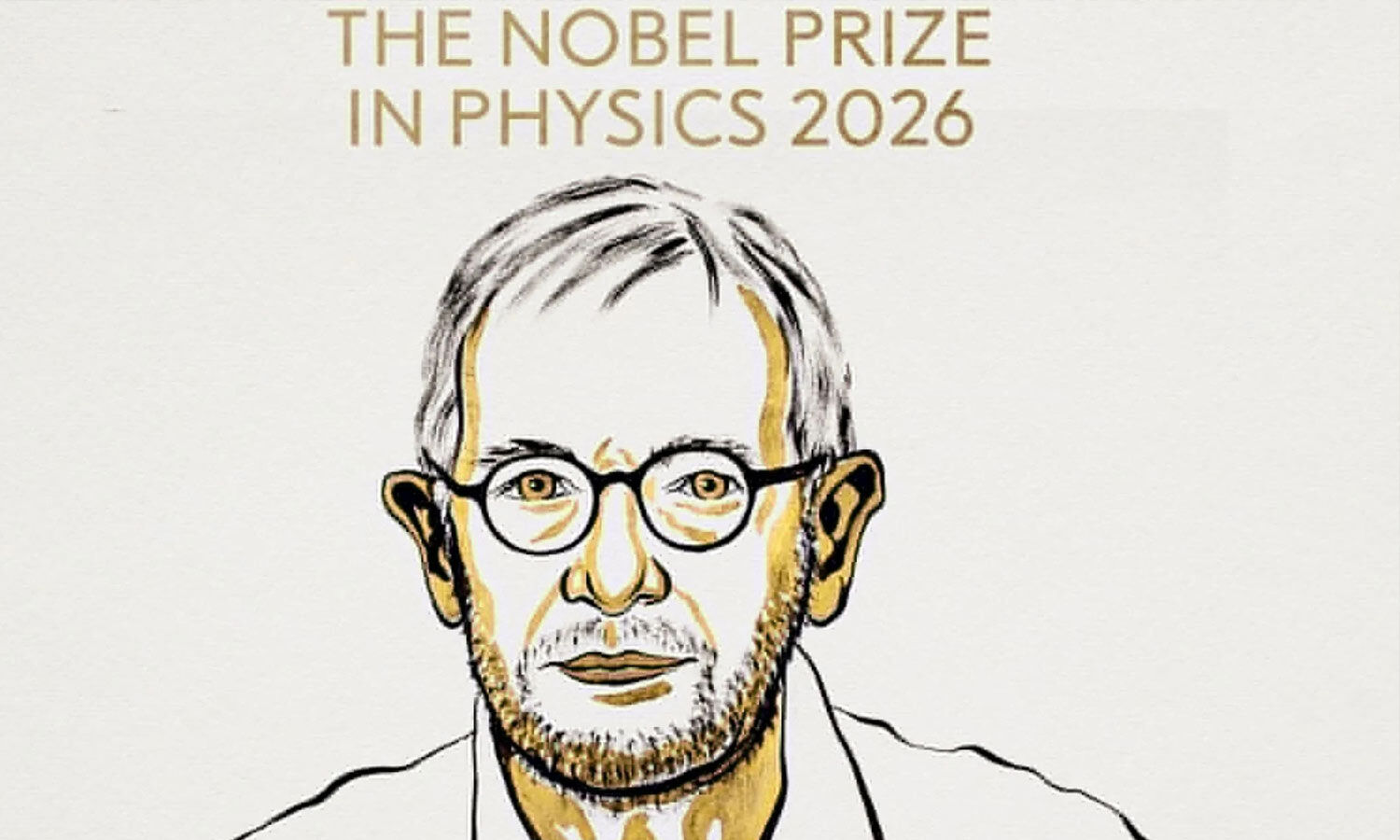
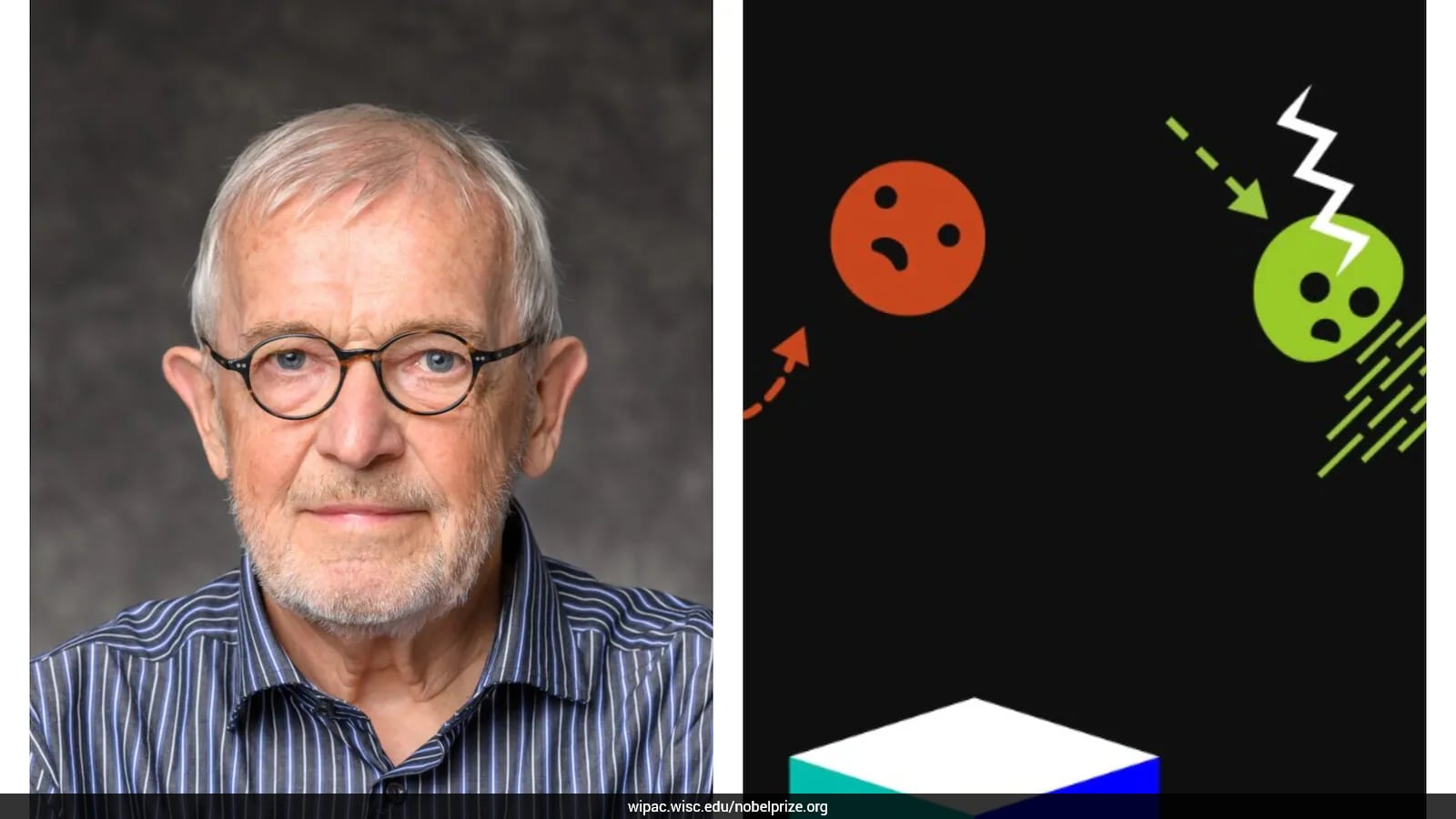
Francis Halzen helped lead the effort to build it, according to the article.
Researchers from many institutions operate the observatory.
The article says IceCube may help scientists learn more about distant cosmic objects.
It also describes plans to combine its findings with other kinds of space observations.

The article credits University of Wisconsin–Madison professor Francis Halzen with leading the decades-long effort to build the IceCube Neutrino Observatory.
IceCube uses thousands of light sensors buried 1,450 to 2,450 metres beneath Antarctic ice to detect faint flashes produced by neutrinos.
The observatory occupies about one cubic kilometre of ice near the South Pole and is operated by an international collaboration of roughly 450 researchers.
The article links IceCube’s work to earlier neutrino research, including the 2015 Nobel Prize awarded to Takaaki Kajita and Arthur B. McDonald.
It says future expansions and combining neutrino observations with light and gravitational waves could advance multi-messenger astronomy.
- Who
- Francis Halzen and an international collaboration of roughly 450 researchers, engineers, and computer scientists.
- What
- The IceCube Neutrino Observatory detects neutrinos using sensors embedded deep in Antarctic ice.
- Where
- Deep beneath the ice near the South Pole, Antarctica.
- When
- The article describes a project developed over roughly 40 years; it gives no specific date for the milestone.
- Why
- To detect neutrinos and use them to investigate high-energy cosmic events and distant sources.
Key facts
- Observatory
- IceCube Neutrino Observatory
- Detector volume
- About one cubic kilometre of ice
- Sensor depths
- 1,450 to 2,450 metres
- Collaboration
- Roughly 450 researchers, engineers, and computer scientists from nearly 60 institutions
- Development period
- Roughly 40 years from concept to realization, according to the article
- Earlier Nobel recognition
- The article names Takaaki Kajita and Arthur B. McDonald as recipients of the 2015 Nobel Prize in Physics for neutrino-related work.
- Nobel reference to Halzen
- The article calls Halzen a Nobel Prize in Physics awardee but does not state when he received the prize; it separately names Kajita and McDonald as the 2015 recipients.
Sources
Related news
Physics Nobel Honors Francis Halzen’s Hunt for Cosmic Neutrinos
Francis Halzen Wins 2026 Physics Nobel for IceCube Neutrinos
Francis Halzen Wins Physics Nobel for IceCube Neutrino Observatory
Francis Halzen Wins Nobel Prize for Antarctic Neutrino Discovery
How Neutrinos Earned Their Ghostly Name—and Nobel Recognition

CERN Experiment Recreates Cosmic Ray Collisions in Earth’s Atmosphere

Gut Bacterial Molecule Linked to Alzheimer’s-Related Brain Changes

AI Helps Solve 25-Year-Old Wireless Communication Problem, Professor Says