1 hr ago
Physics Nobel Honors Francis Halzen’s Hunt for Cosmic Neutrinos
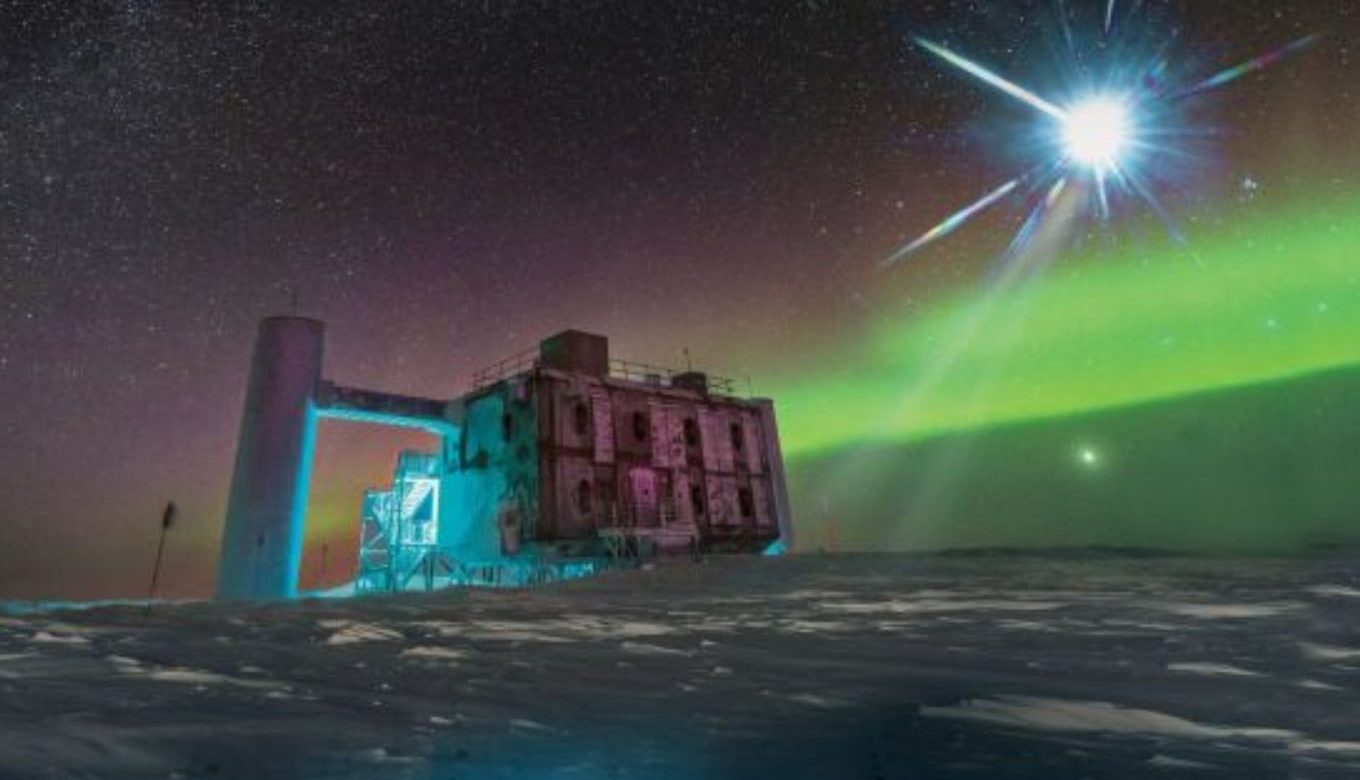
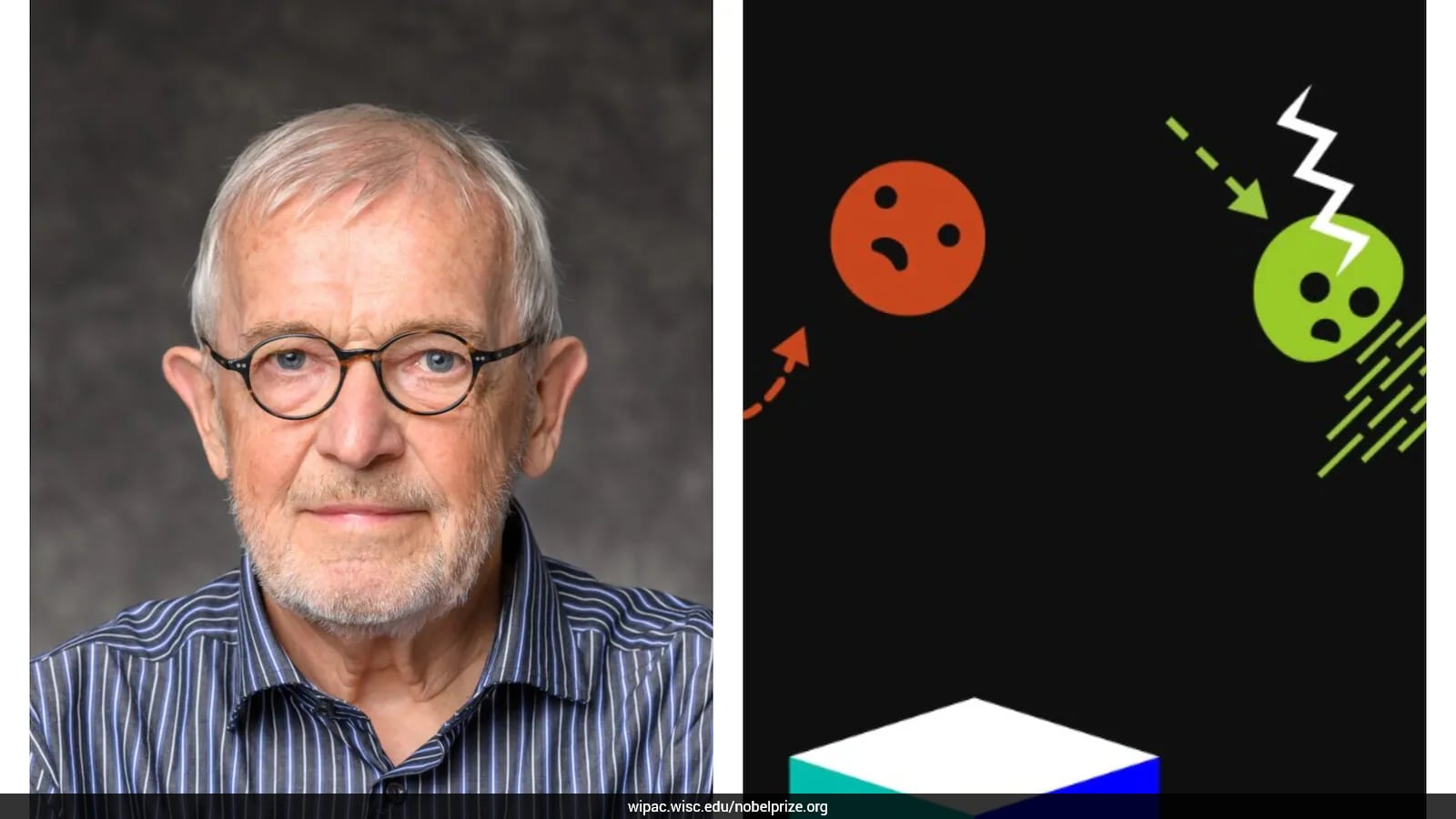
Francis Halzen has spent many years helping scientists find neutrinos, tiny particles that usually pass through everything without being noticed.
Neutrinos can escape from violent places in space that ordinary light cannot easily reveal.
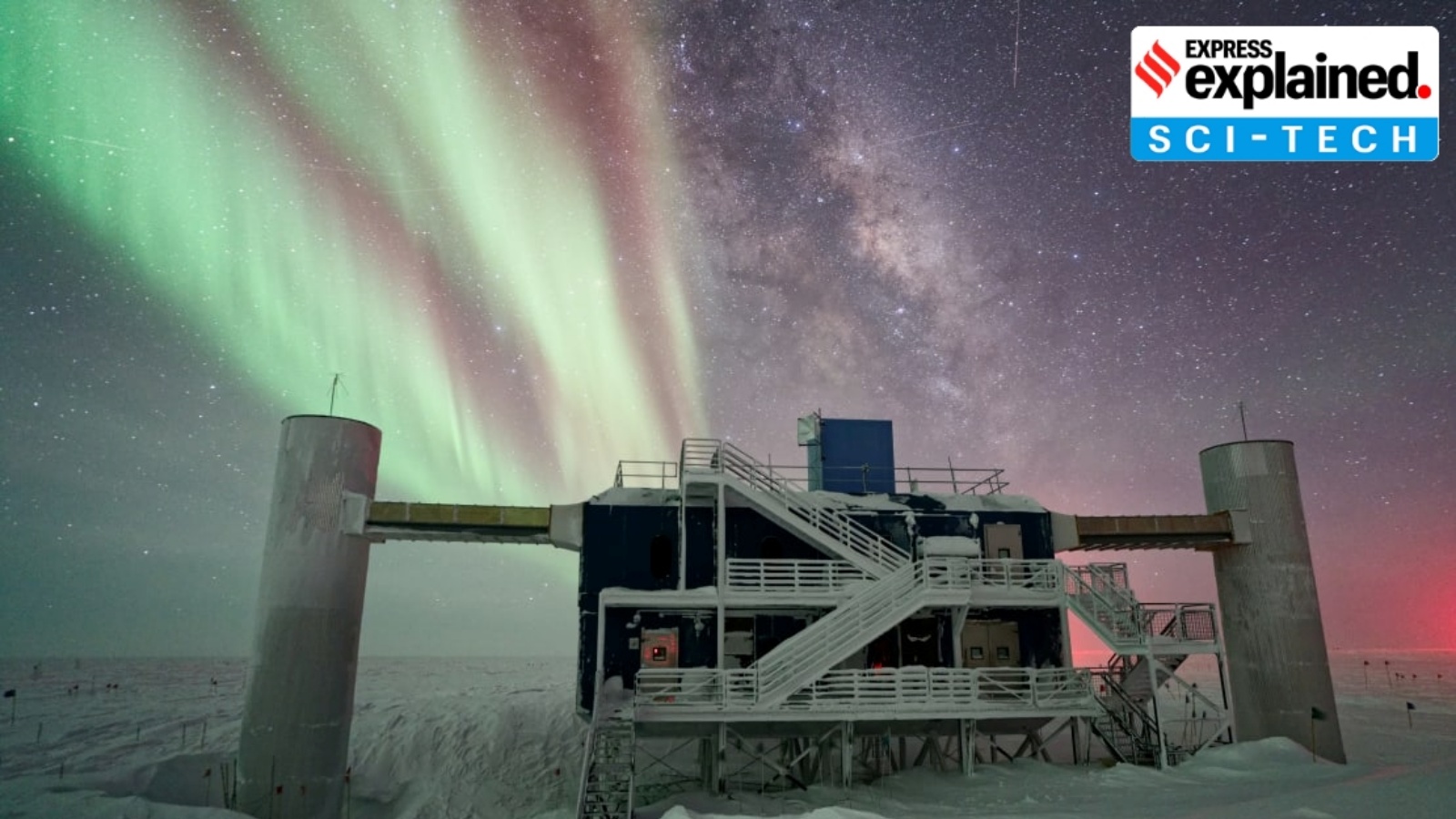
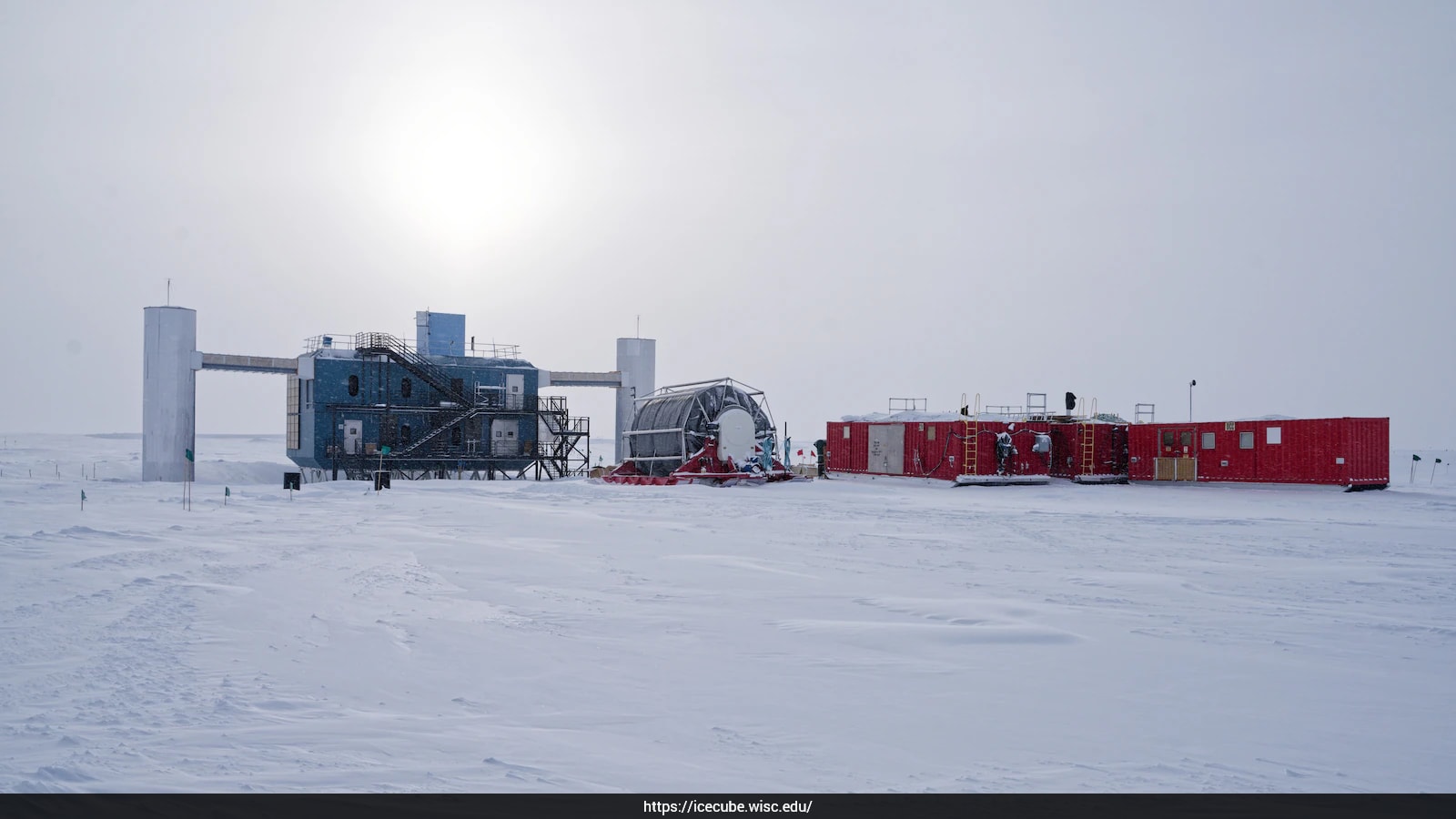
Halzen and a large international team helped build IceCube, a giant detector buried deep in Antarctic ice.
It has cables with sensors that look for tiny flashes made when a neutrino hits an atom in the ice.
In 2017, one detected neutrino helped astronomers identify a distant galaxy called a blazar as a possible source.
IceCube also helped confirm an older prediction about how antineutrinos interact with electrons.
Scientists are now considering a detector much bigger than IceCube.

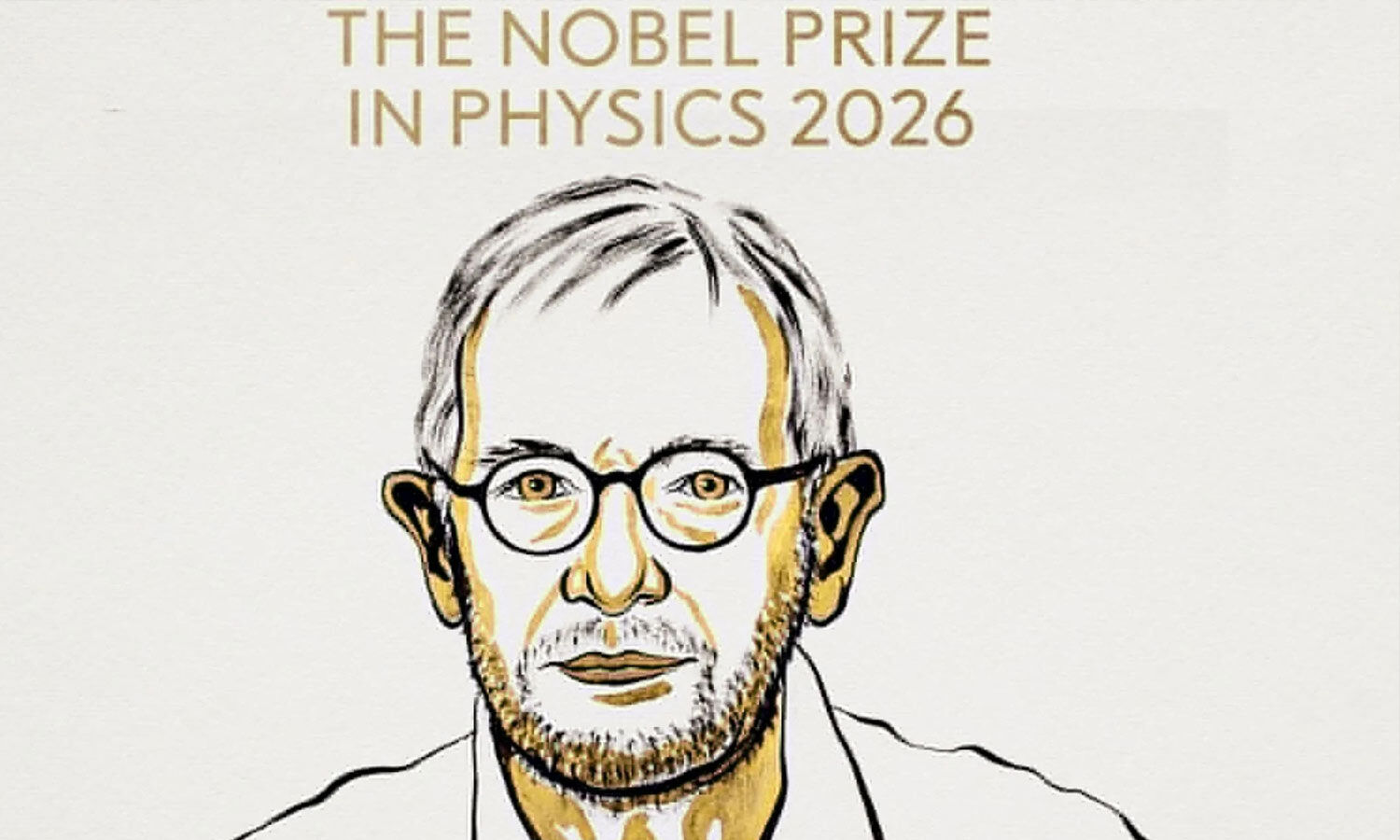
This year’s Nobel Prize in Physics goes to Francis Halzen for his work leading the IceCube Neutrino Observatory effort.
IceCube uses 86 detector cables embedded in Antarctic ice, extending almost 2.5 kilometers deep, to detect rare neutrino interactions.
The observatory’s final cable was installed in 2010 after years of development and smaller trials.
In 2017, a neutrino’s path pointed astronomers toward a blazar, helping advance multi-messenger astronomy.
IceCube has also confirmed a 1960s prediction about an antineutrino interacting with an electron, while proposals envision a successor eight times larger.
- Who
- Francis Halzen and the international team behind the IceCube Neutrino Observatory.
- What
- Halzen received this year’s Nobel Prize in Physics for his work on the effort to detect cosmic neutrinos.
- Where
- The IceCube Neutrino Observatory is embedded in Antarctic ice near the Amundsen-Scott South Pole station.
- When
- The article reports the Nobel Prize this year; IceCube’s final cable was installed in 2010, and a notable neutrino detection occurred in 2017.
- Why
- Neutrinos can reveal information about violent cosmic sources that is difficult to obtain from light alone.
Limits and challenges
Scientific promise
Building and operating a neutrino telescope
Limits and challenges
Neutrinos interact so rarely that detecting them required decades of development and a detector embedded deep in Antarctic ice.
Scientific promise
The observatory can detect neutrino interactions and help scientists investigate distant cosmic sources.
Expanding the observatory
Limits and challenges
A proposed successor eight times larger would require a substantial expansion beyond the existing instrument.
Scientific promise
A larger detector could extend the search for neutrinos, which the article describes as valuable messengers from violent cosmic events.
Key facts
- Nobel recipient
- Francis Halzen, a Belgian-born physicist at the University of Wisconsin–Madison
- Observatory
- IceCube Neutrino Observatory
- Location
- Antarctic ice near the Amundsen-Scott South Pole station
- Detector layout
- 86 cables, each carrying 60 light detectors
- Depth
- The deepest cable reaches almost 2.5 kilometers
- Installation milestone
- IceCube’s last cable was dropped in 2010
- Proposed successor
- Physicists are proposing a detector eight times the size of IceCube
Quotes
Francis Halzen
Belgian-born physicist at the University of Wisconsin–Madison and IceCube principal investigator
“You could see things in the universe you couldn’t see any other way.”
 indianexpress.com
Sources
Related news
Francis Halzen Wins Physics Nobel for IceCube Neutrino Observatory
Francis Halzen Wins Nobel Prize for Antarctic Neutrino Discovery
Francis Halzen Wins 2026 Physics Nobel for IceCube Neutrinos
How Neutrinos Earned Their Ghostly Name—and Nobel Recognition

CERN Experiment Recreates Cosmic Ray Collisions in Earth’s Atmosphere
AI Helps Astronomers Create Video of Black Hole Jet

Gut Bacterial Molecule Linked to Alzheimer’s-Related Brain Changes

AI Helps Solve 25-Year-Old Wireless Communication Problem, Professor Says

UAE Indian Passport Services: No Premium Queues, 30-Minute Target