1 hr ago
Gut Bacterial Molecule Linked to Alzheimer’s-Related Brain Changes

Tiny organisms live in our intestines and help with many body processes.
Some of these bacteria make a substance called ImP.
Scientists want to know if ImP might affect the brain as people get older.
A new study looked at both people and mice.
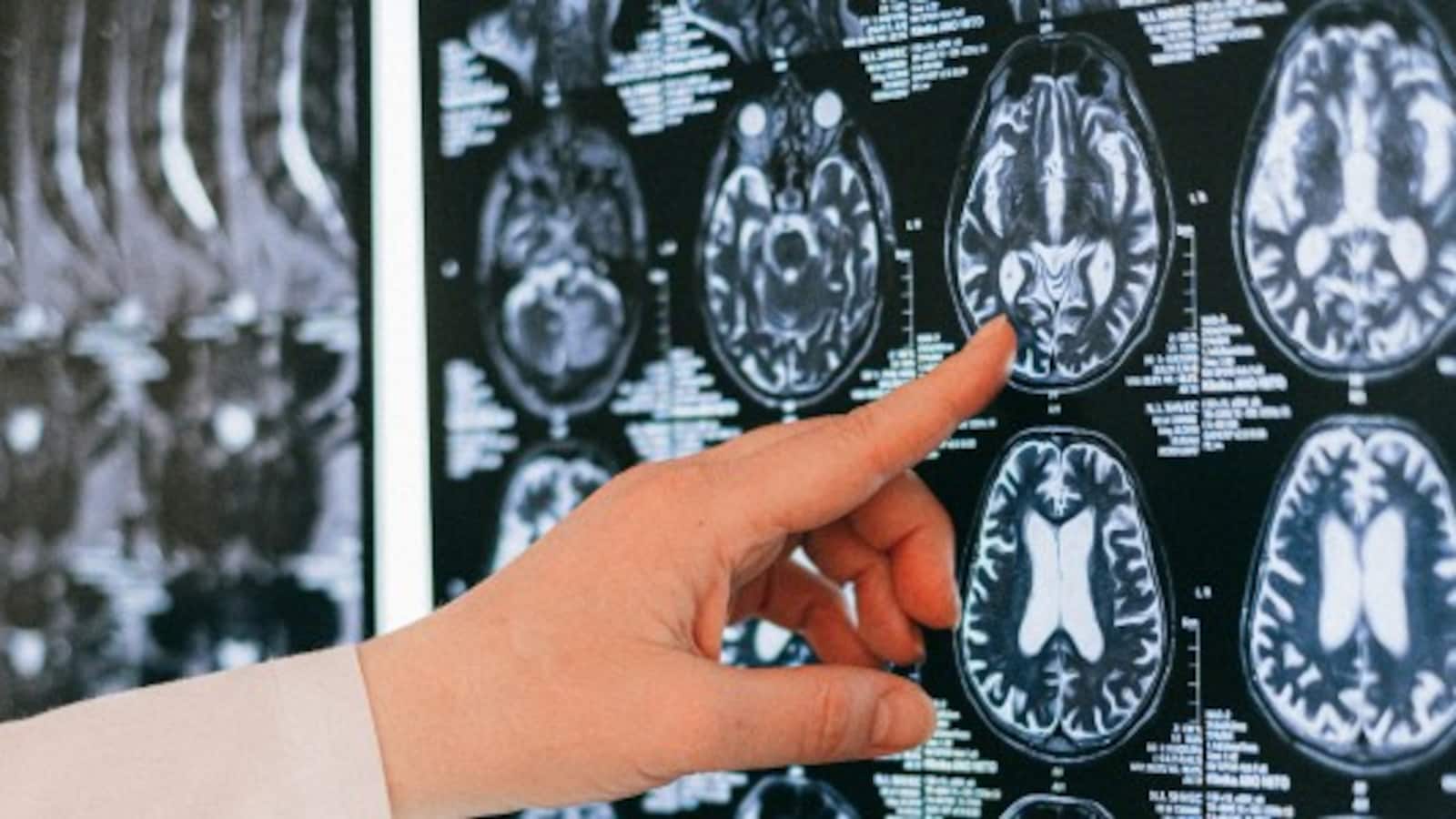
It found that higher levels of ImP may be associated with brain changes linked to Alzheimer’s disease.
This does not show that ImP causes Alzheimer’s.
More details about the study are not provided in the article excerpt.

Researchers are investigating whether gut microbes can affect the ageing brain.
The molecule under study is imidazole propionate, also called ImP.
Some gut bacteria produce ImP when breaking down an amino acid found in proteins.
The research involved both humans and mice.
Higher ImP levels may be associated with brain changes linked to Alzheimer’s disease; the report does not establish causation.
- Who
- Researchers studying humans and mice.
- What
- Research examined whether the gut-bacteria product imidazole propionate may be associated with Alzheimer’s-related brain changes.
- Where
- When
- The University of Wisconsin–Madison research announcement was highlighted on October 3; the year is not stated.
- Why
- To investigate whether a chemical produced by some gut bacteria may affect the ageing brain.
Key facts
- Molecule
- Imidazole propionate (ImP)
- Source
- Produced by some gut bacteria
- How it is made
- Certain bacteria make it while breaking down an amino acid found in proteins.
- Study subjects
- Humans and mice
- Reported association
- Higher ImP levels may be associated with brain changes linked to Alzheimer’s disease.
- Research announcement
- Highlighted in a University of Wisconsin–Madison research announcement on October 3; year not stated.
Sources
Related news

Glucosamine Study Raises Questions About Alzheimer’s Progression Risks

Repetitive Negative Thinking Linked to Higher Alzheimer’s Risk

Blood Thinners May Slow Cognitive Decline in Alzheimer’s
How Diabetes, High Blood Pressure and Cholesterol Affect Alzheimer’s Risk

Ageing Brain Changes May Limit Alzheimer’s Drug Delivery

Study Links Flavoured Snacks With Possible Depression Risk

AI Helps Solve 25-Year-Old Wireless Communication Problem, Professor Says

UAE Indian Passport Services: No Premium Queues, 30-Minute Target

Brown University Shooting Suspect Identified

Students Spark Bengaluru’s Pickleball Revolution