1 hr ago
How Neutrinos Earned Their Ghostly Name—and Nobel Recognition
Neutrinos are tiny particles found throughout the universe.
They have no electric charge and very little mass.
They almost never bump into other matter, so many can pass through your body without you noticing.
That is why people call them “ghost particles.”
Scientists detect them when one rarely makes a tiny flash of light in ice.
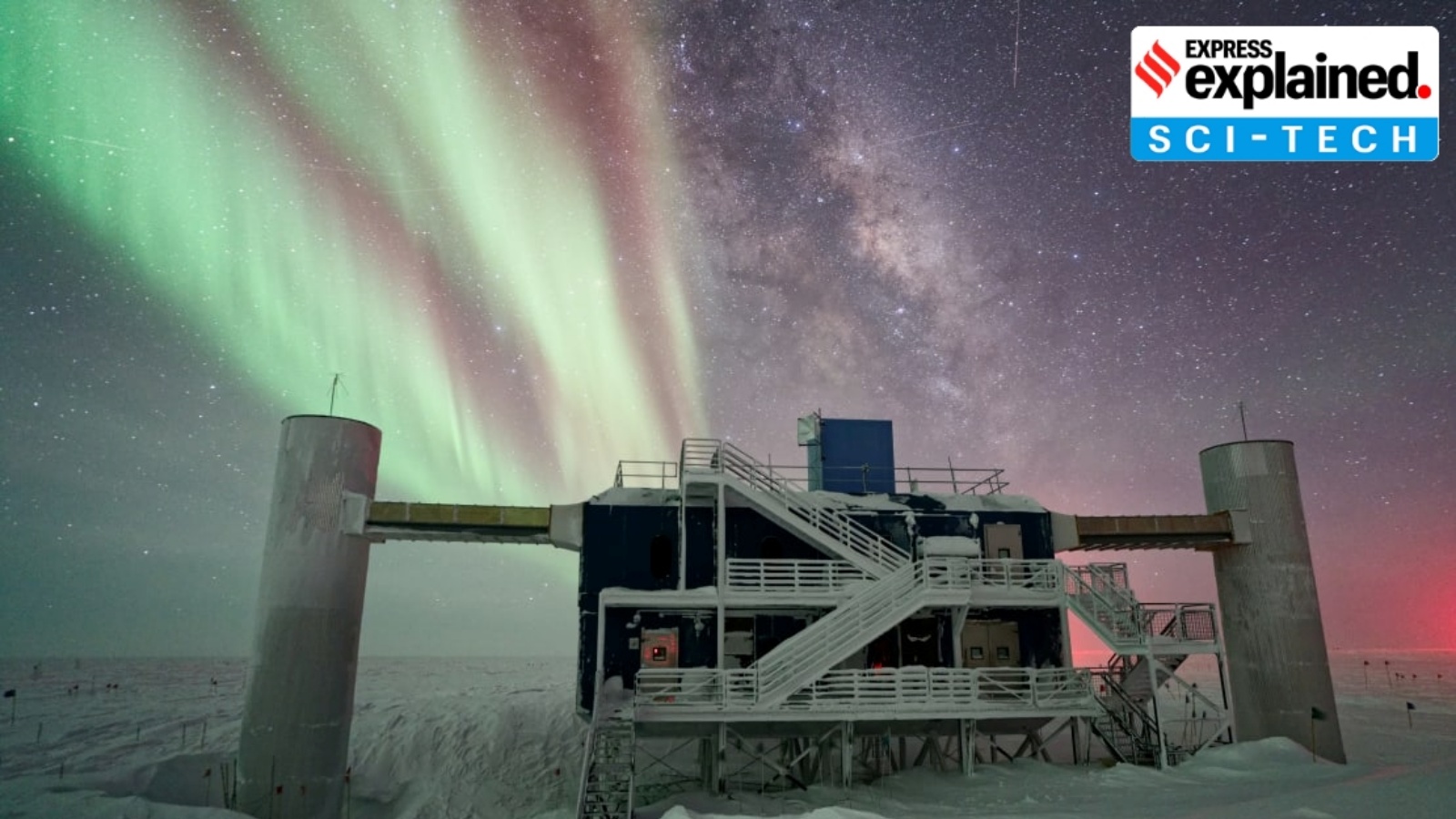
IceCube uses sensors buried beneath the South Pole to record those flashes.
The observations help scientists learn about energetic events far away in space.
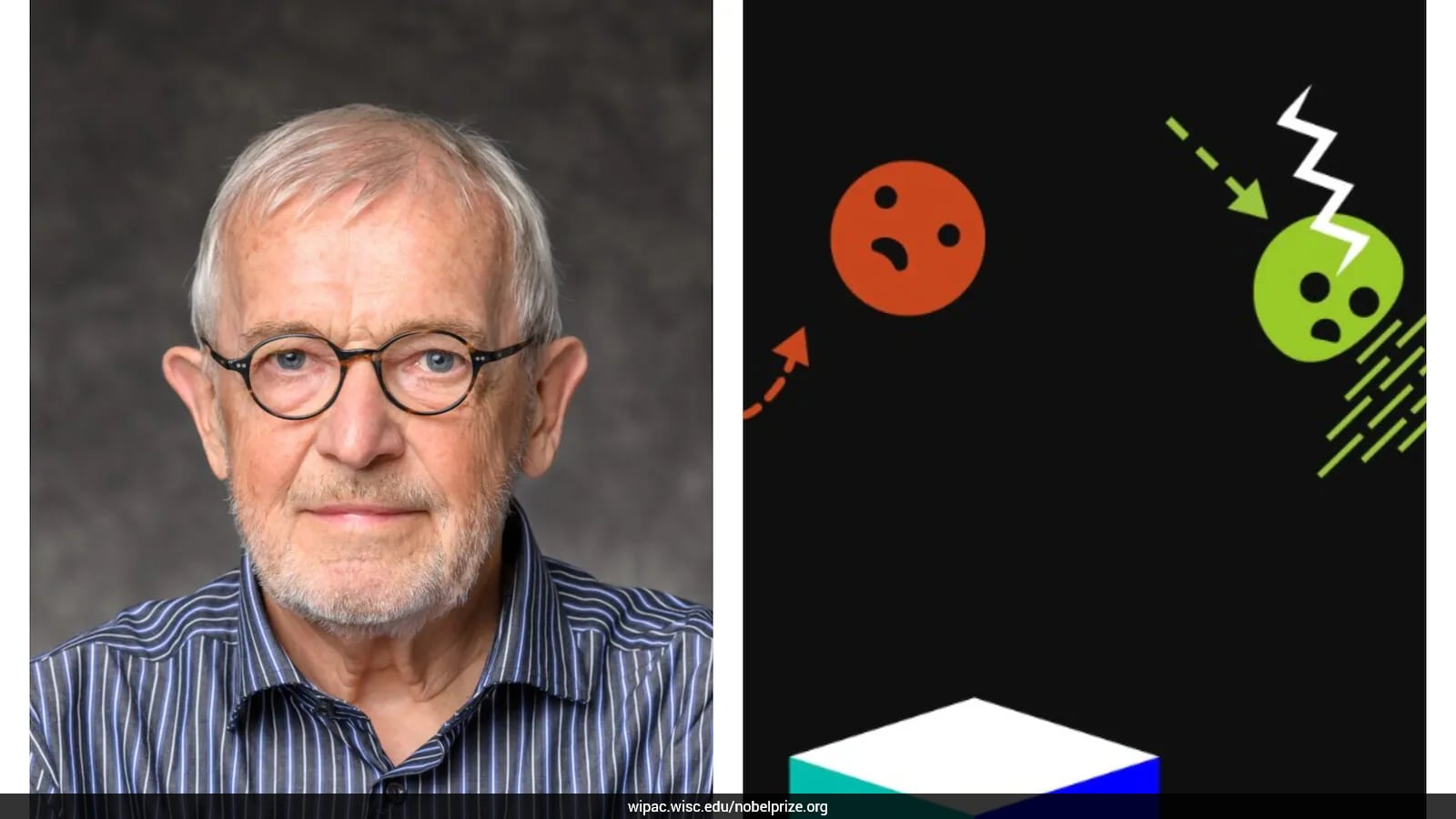
Francis Halzen won the 2026 Nobel Prize in Physics for important work on IceCube and high-energy neutrinos.

Neutrinos have no electric charge, a very small mass and interact only weakly with ordinary matter.
Their ability to pass through matter almost unnoticed has led scientists to call them “ghost particles.”
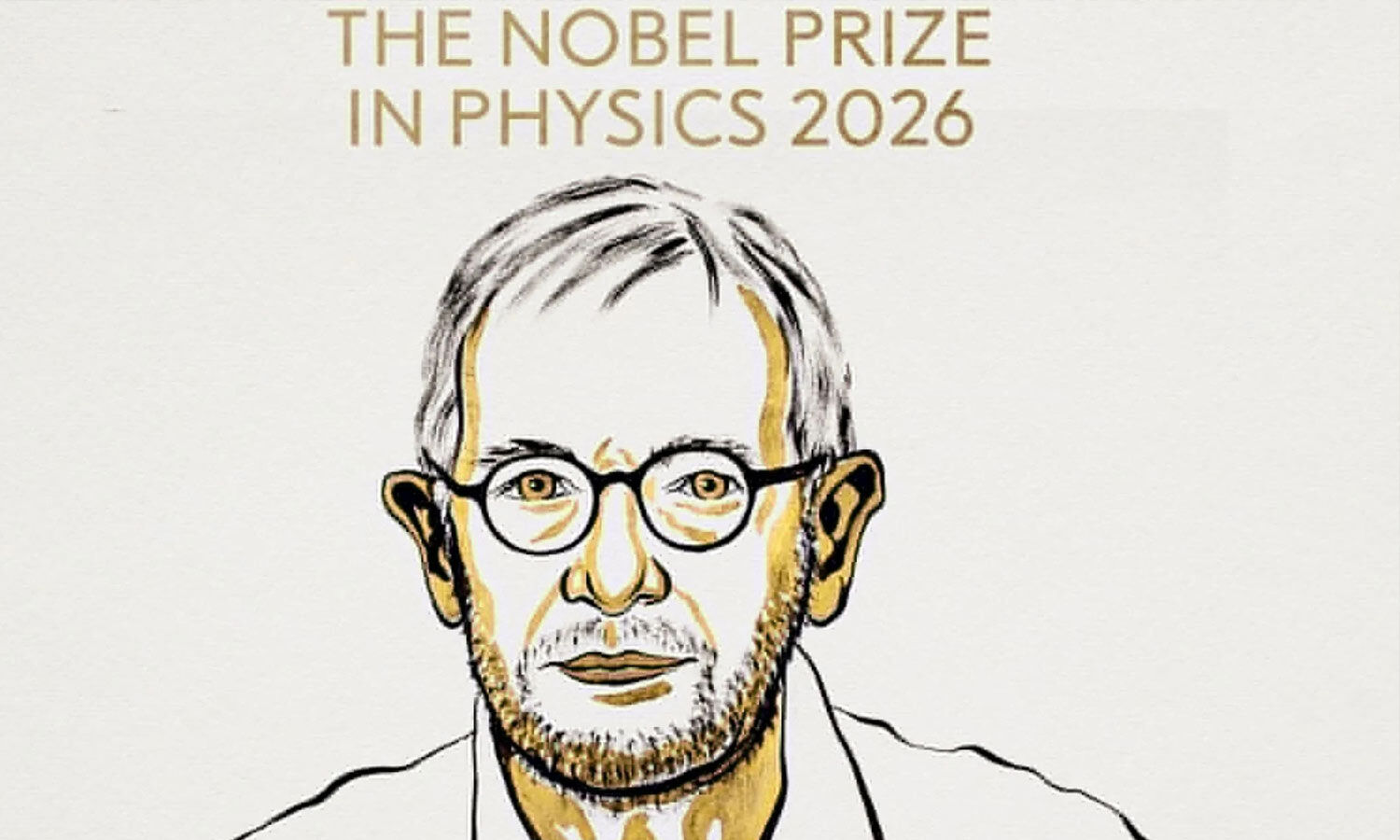
Francis Halzen received the 2026 Nobel Prize in Physics for contributions to IceCube and the discovery of astrophysical high-energy neutrinos.
IceCube uses thousands of light sensors embedded in about a cubic kilometre of Antarctic ice to detect rare neutrino interactions.
The observatory’s findings have helped establish neutrino astronomy and study possible cosmic sources, including TXS 0506+056 and NGC 1068.
- Who
- Physicist Francis Halzen and researchers working with the IceCube Neutrino Observatory.
- What
- Neutrinos are elusive particles; Halzen received the 2026 Nobel Prize in Physics for contributions to IceCube and astrophysical high-energy neutrino discoveries.
- Where
- IceCube is embedded in Antarctic ice beneath the South Pole.
- When
- The Nobel Prize was awarded on 6 October 2026; IceCube’s discovery of high-energy astrophysical neutrinos was reported in 2013.
- Why
- Neutrinos can carry information from energetic cosmic environments because they travel vast distances and rarely interact with matter.
Key facts
- Neutrino flavours
- Electron, muon and tau
- Neutrino behaviour
- Neutrinos can change from one flavour to another, a process called neutrino oscillation.
- IceCube size
- Roughly one cubic kilometre of Antarctic ice
- IceCube detection method
- Thousands of light sensors record flashes produced when neutrinos interact in the ice.
- Nobel award
- The 2026 Nobel Prize in Physics was awarded to Francis Halzen on 6 October 2026.
- Astrophysical discovery
- IceCube’s discovery of high-energy astrophysical neutrinos in 2013 helped establish neutrino astronomy.
- Possible cosmic sources
- Research has produced evidence linking neutrino emission to TXS 0506+056 and NGC 1068, also known as Messier 77.
Sources
Related news
Francis Halzen Wins Physics Nobel for IceCube Neutrino Observatory
Francis Halzen Wins Nobel Prize for Antarctic Neutrino Discovery
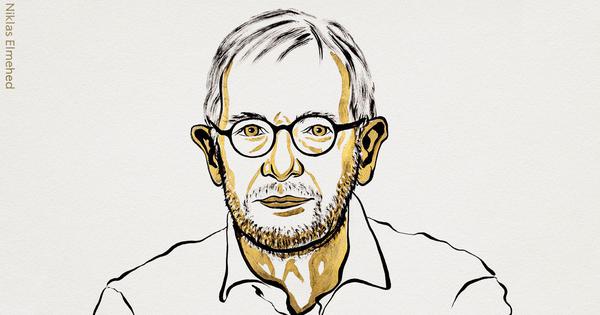
Francis Halzen Wins 2026 Physics Nobel for IceCube Neutrino Discovery

CERN Experiment Recreates Cosmic Ray Collisions in Earth’s Atmosphere

Three Scientists Win 2026 Nobel Medicine Prize for Optogenetics
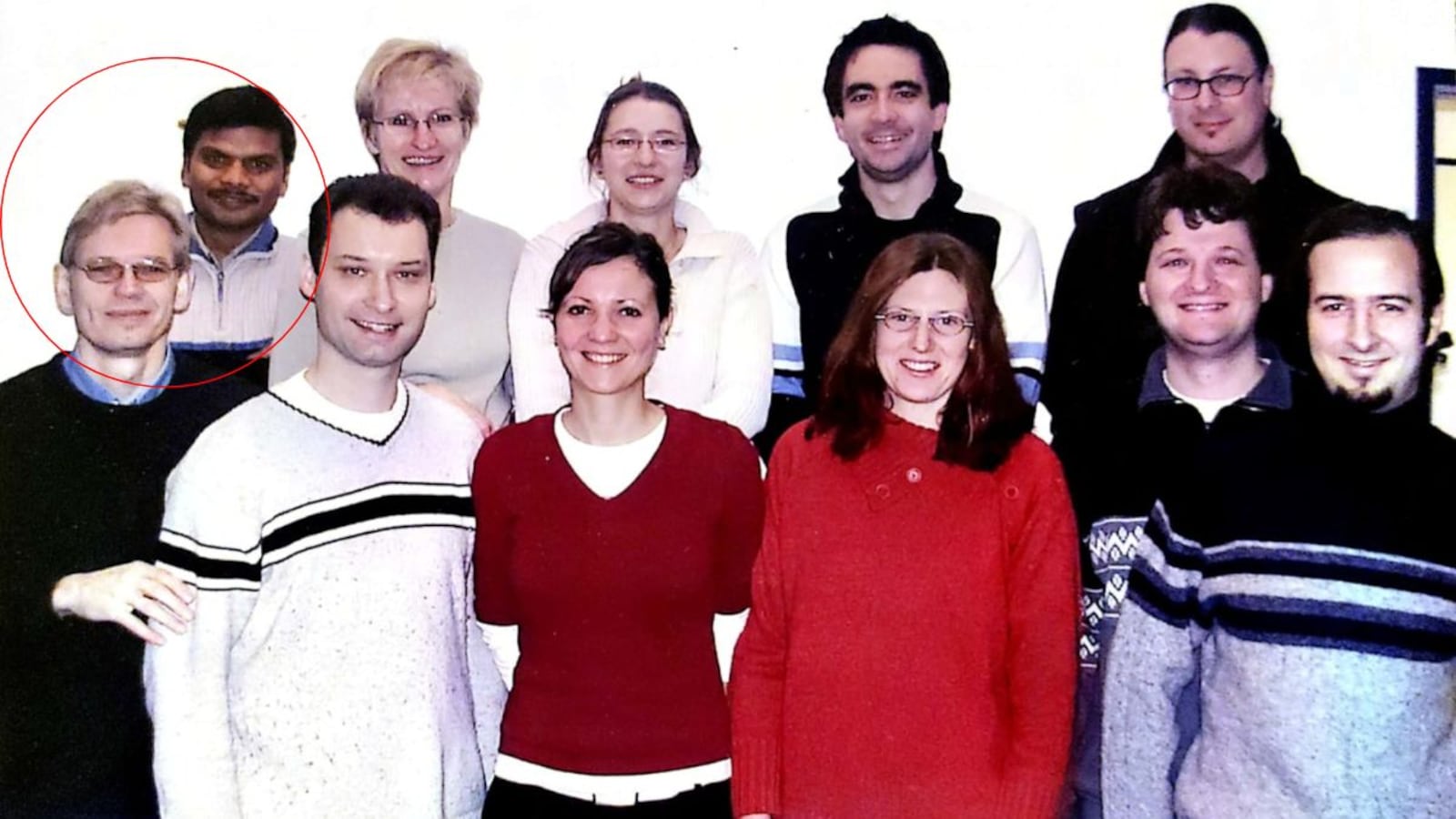
JNU Professor’s Research Linked to Nobel-Winning Optogenetics Discovery

Grade 12 Student Wins CERN Beamline for Schools Physics Competition

Web's Altruistic Gift: Our Collective Responsibility for Ethical Digital Engagement
India Rolls Out White Rabbit Technology