1 hr ago
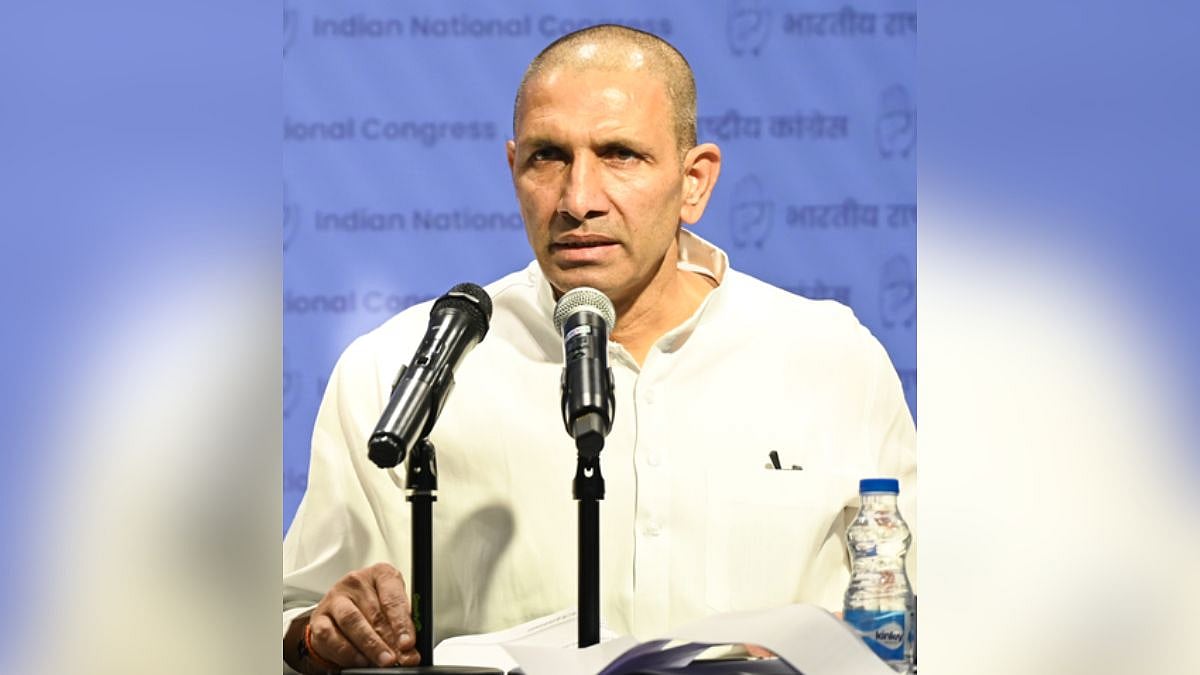
Supreme Court Orders Rights Protections During Delhi Protest
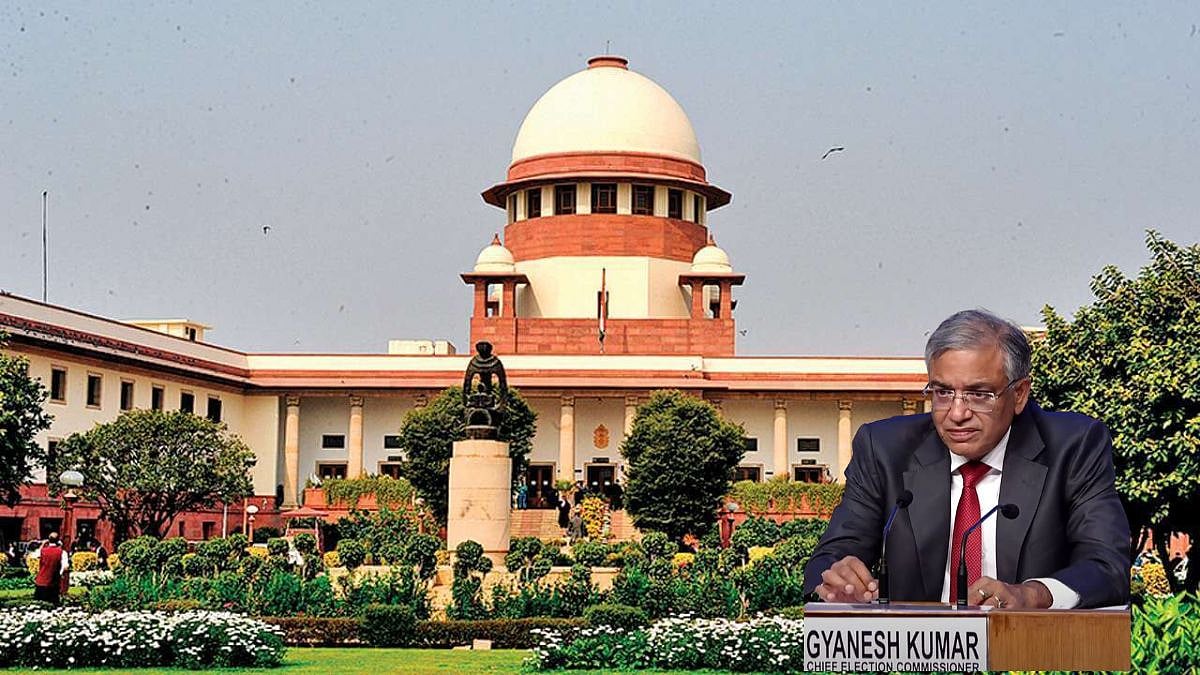
People in Delhi were protesting about the Chief Election Commissioner and the Election Commission.
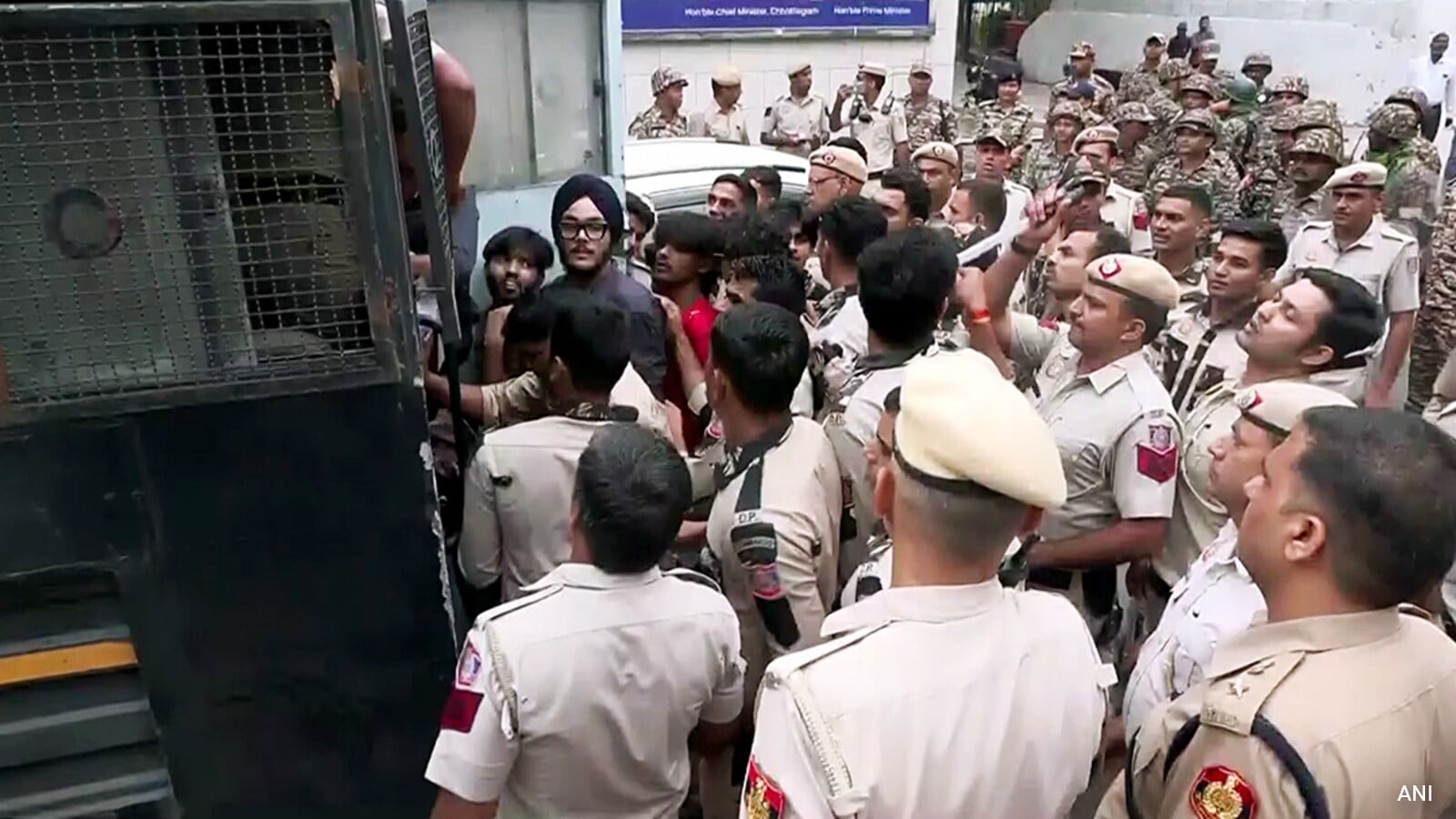
Some lawyers told the Supreme Court that protesters had been detained and that police had used force.
Government representatives disputed some claims and said transport services were running.
The court issued temporary directions to protect peaceful protesters and people’s ability to move around.
It said Metro and train services should run normally unless public order requires restrictions.
It also said internet access should be restored and remain available.
The court said no one should be detained except according to law.
Authorities must answer the allegations and report back by October 13.

On October 11, the Supreme Court issued interim directions amid protests in Delhi over Chief Election Commissioner Gyanesh Kumar and the Election Commission of India.
The court said peaceful, unarmed people must not be detained except according to law, and directed authorities to preserve free movement and access to courts.
It ordered Metro and rail services to run normally and internet access to remain available, subject to lawful public-order restrictions.
Lawyers and petitioners alleged police brutality, mass detentions, internet disruption and transport restrictions; government representatives disputed some claims and said services were operating.
Authorities must file responses and a compliance report by October 13; the court also issued notices to alleged contemnors.
- Who
- The Supreme Court, Delhi authorities, and people protesting against Chief Election Commissioner Gyanesh Kumar and the Election Commission of India.
- What
- The court issued interim directions on detentions, protest rights, transport, internet access and movement in Delhi.
- Where
- Delhi, India.
- When
- October 11; authorities were directed to report back by October 13.
- Why
- The directions followed petitions and allegations about detentions, police conduct, movement restrictions, Metro services and internet access during protests.
Petitioners and lawyers
Government representatives
Detentions and police conduct
Petitioners and lawyers
Lawyers and petitioners alleged unlawful detentions, police brutality, and restrictions on peaceful protest; one petitioner cited reports of 7,000 detentions, while noting the State had not disclosed official figures.
Government representatives
Solicitor General Tushar Mehta said detained individuals had been released and argued that the habeas corpus petition might therefore no longer survive. A lawyer appearing for some Delhi Police officers said police officers had also faced brutality.
Metro and rail operations
Petitioners and lawyers
Lawyers alleged that stations remained closed and that restrictions on Metro services impeded freedom of movement.
Government representatives
Mehta said the total volume of Metro services was unchanged and 4,750 trains ran on schedule on October 10, while acknowledging that 47 of 303 Metro stations were closed or restricted.
Scope of public-order restrictions
Petitioners and lawyers
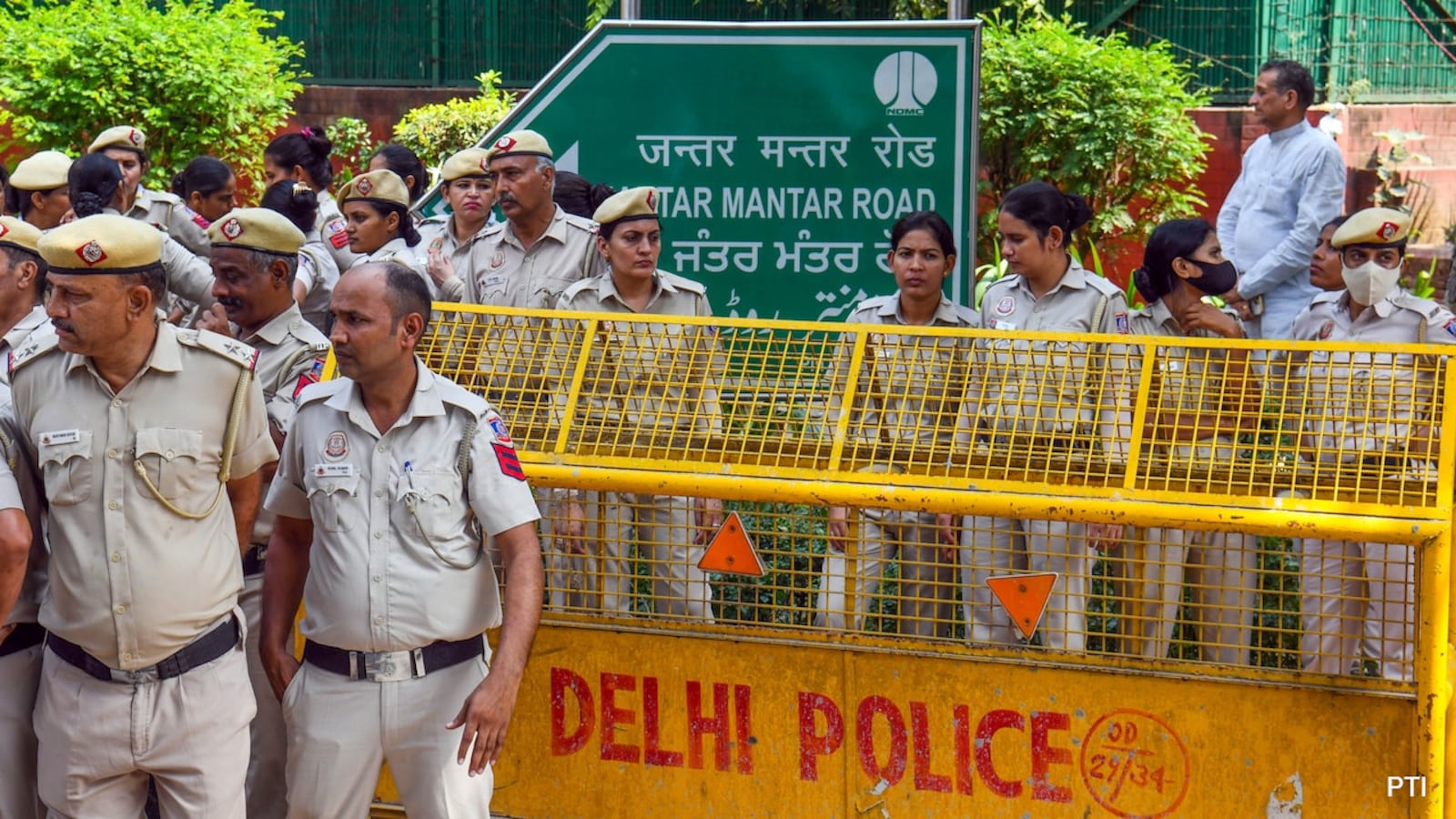
Petitioners argued that peaceful assembly and movement were protected rights and sought withdrawal of prohibitory orders and removal of barricades.
Government representatives
The court’s directions were subject to public-order and law-and-order requirements; Mehta maintained that authorities’ powers under the Information Technology Act were not curtailed.
Key facts
- Court bench
- Justices Joymalya Bagchi and V. Mohana
- Hearing
- Special Sunday sitting on October 11
- Protests concerned
- Chief Election Commissioner Gyanesh Kumar and the Election Commission of India
- Detention direction
- No person should be detained except through the procedure established by law
- Transport direction
- Metro and railway services should operate normally, subject to public-order requirements
- Internet direction
- Internet services in Delhi should remain undisturbed
- Deadline
- Authorities were directed to file responses and a compliance report by Tuesday, October 13
Quotes
Justice Joymalya Bagchi
Supreme Court judge on the interim directions during the hearing.
“In the meantime, the metro functioning should continue in accordance with the normal schedule (subject to a public order condition envisaged under Art.19(2)). No advocate should in any way be hindered in discharging their professional duties. We are consciously saying 'professional'. Internet facility to the city has to be restored.”
 freepressjournal.in
Sources
Related news
Supreme Court Orders Delhi Protest Safeguards, Normal Transport and Internet
Supreme Court Orders Delhi Barricades Removed, Internet Restored

Supreme Court Orders Free Movement Amid Delhi Protest Clampdown
Supreme Court Orders Easing Delhi Curbs During CJP Protest
Supreme Court Orders Delhi Barricades Reviewed Amid CJP Protest

Supreme Court Seeks Responses Over Delhi Protest Restrictions