2 hrs ago
Supreme Court Seeks Responses Over Delhi Protest Restrictions

The Supreme Court had earlier told authorities how to manage transport and movement during protests in Delhi.
Some applicants said those directions were not followed.
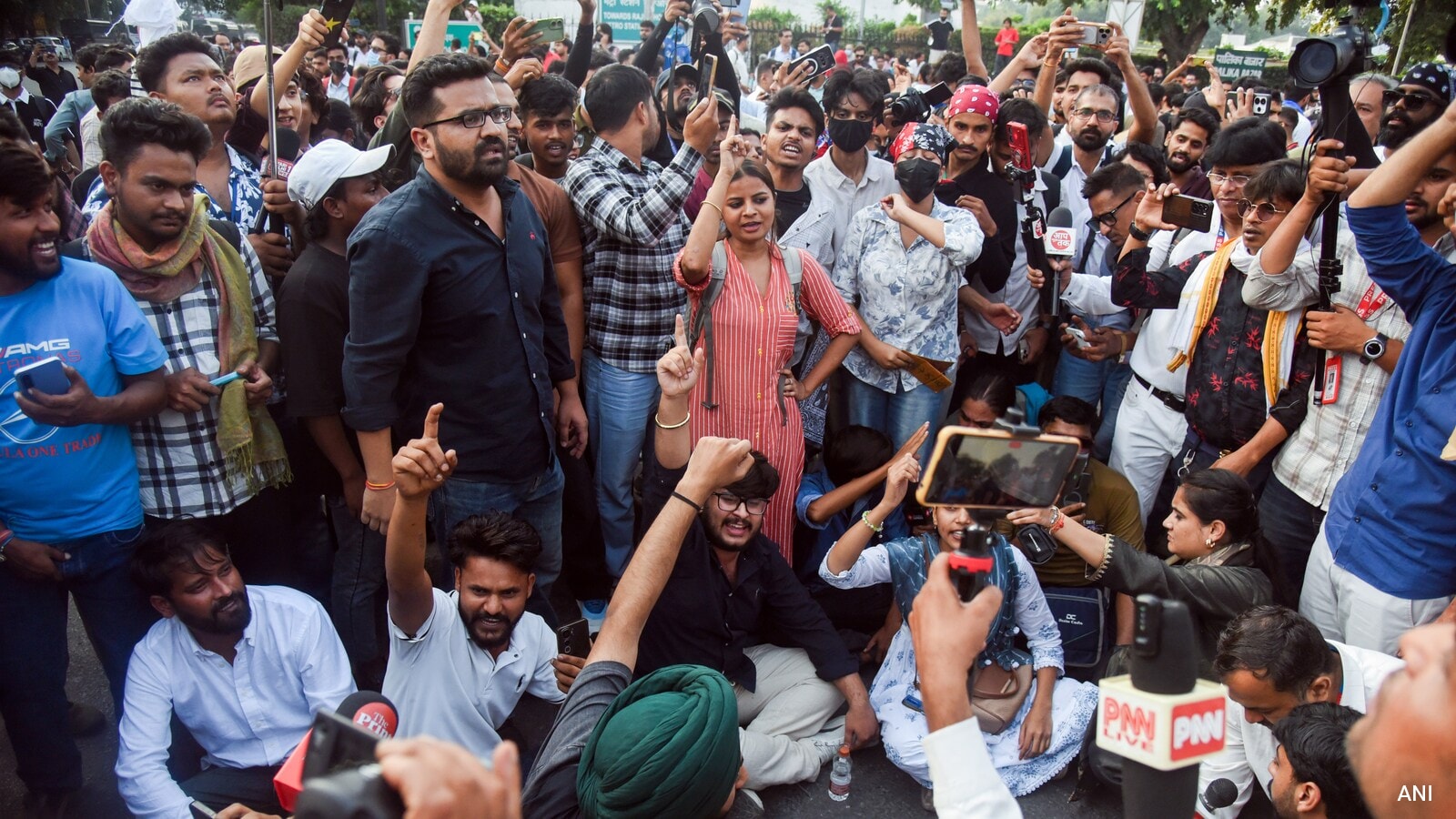
They said metro stations were closed, travel was restricted and many people were detained.
The government’s lawyer disagreed with some of those claims and said the people in the detention case had been released.
The Court said the allegations should be examined, but it has not yet decided whether anyone is in contempt.
It said public transport should keep running unless reasonable limits are needed for safety and order.
It also said peaceful protesters should not be unlawfully detained.
Authorities must send their written responses by October 13.

The Supreme Court issued contempt notices after applicants alleged authorities breached its October 9 directions during protests.
Applicants cited transport disruptions, movement restrictions and detentions, including an allegation that about 7,000 people were detained.
The Solicitor General disputed claims of illegal detention and said those concerned had been released.
The Court directed metro and railway services to operate normally unless reasonable restrictions were needed for law and order.
Authorities must file counter-affidavits and a compliance report by October 13, when the court will consider the matters further.
- Who
- The Supreme Court, applicants and authorities accused of breaching the Court’s directions; Solicitor General Tushar Mehta represented the Centre.
- What
- The Court issued contempt notices and notice on a habeas corpus petition concerning alleged protest-related restrictions and detentions.
- Where
- Delhi, including its metro and railway facilities.
- When
- The alleged events occurred around October 9 and 10; responses are due October 13.
- Why
- Applicants alleged authorities breached the Court’s October 9 directions by restricting transport and movement and detaining protesters.
Applicants’ allegations
Centre’s response
Transport and movement restrictions
Applicants’ allegations
Applicants alleged metro and railway services were disrupted and movement across Delhi was restricted contrary to the October 9 directions.
Centre’s response
The Solicitor General said metro services continued to operate, with 45 of 303 stations closed to maintain law and order; he also said all stations were functioning normally from 10 pm.
Detention of protesters
Applicants’ allegations
Applicants raised concerns about approximately 7,000 detentions and alleged that protesters were unlawfully detained.
Centre’s response
The Solicitor General denied that anyone had been illegally detained and said the individuals concerned had been released.
Key facts
- Earlier order
- The Supreme Court’s directions were issued on October 9.
- Alleged protest date
- The applications concern restrictions and detentions during demonstrations on October 10.
- Metro stations
- Applicants alleged at least 45 Delhi Metro stations were shut; the Solicitor General said 45 of 303 stations had been closed for law and order.
- Detention allegation
- The habeas corpus petition and lawyers’ submissions referred to approximately 7,000 people detained.
- Court’s response deadline
- Counter-affidavits and a compliance report are due October 13.
- Further hearing
- The contempt proceedings and habeas corpus petition are scheduled for further consideration on October 13.
Sources
Related news
Supreme Court Orders Delhi Protest Safeguards, Normal Transport and Internet
Supreme Court to Hear Metro Closure and Protest Detention Petitions
Supreme Court to Hear Contempt Plea Over Delhi Transport Curbs
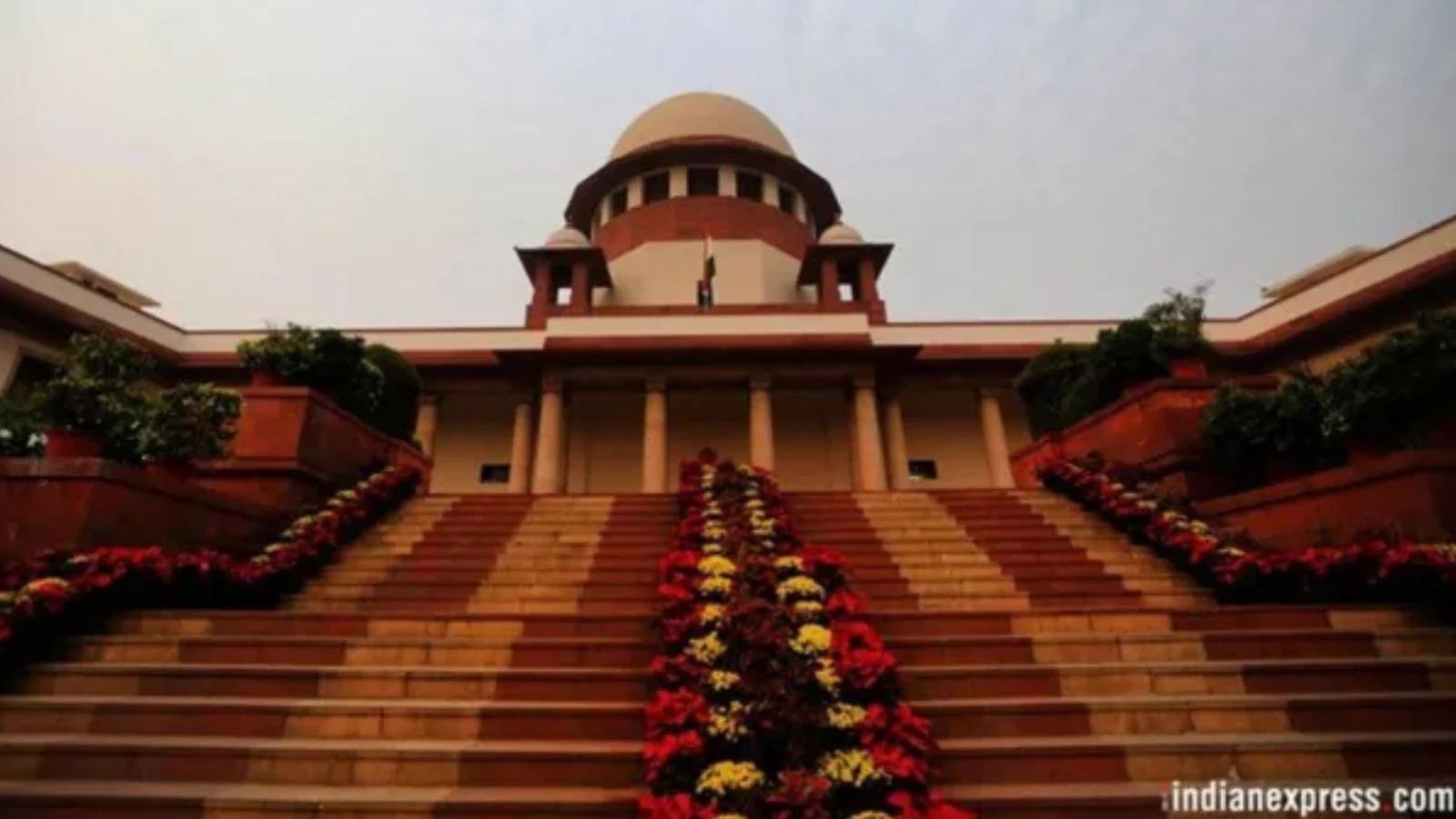
Supreme Court to Hear Contempt Pleas Over Delhi Protest
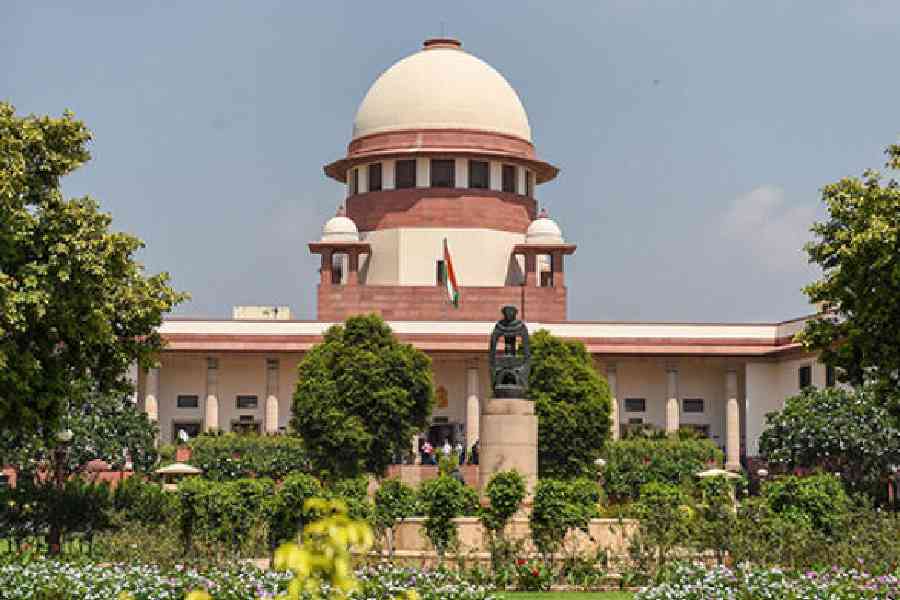
Party Seeks Contempt Action Over Delhi Protest Commute Restrictions
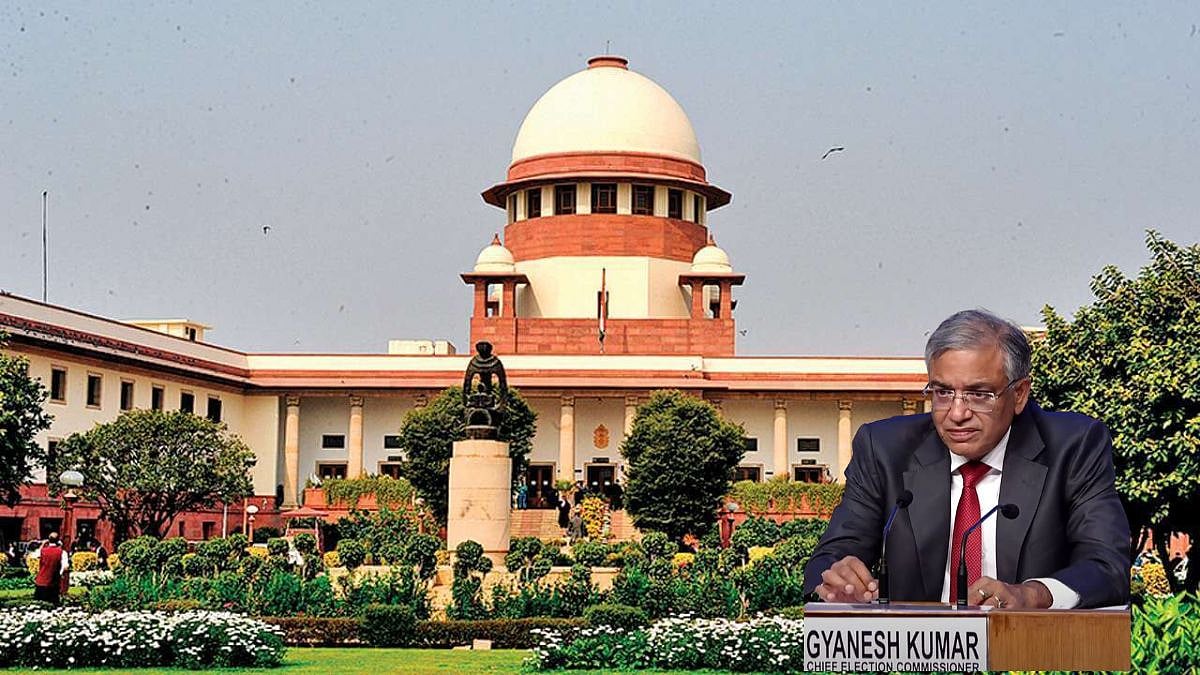
Supreme Court Orders Rights Protections During Delhi Protest

Supreme Court Orders Free Movement Amid Delhi Protest Clampdown
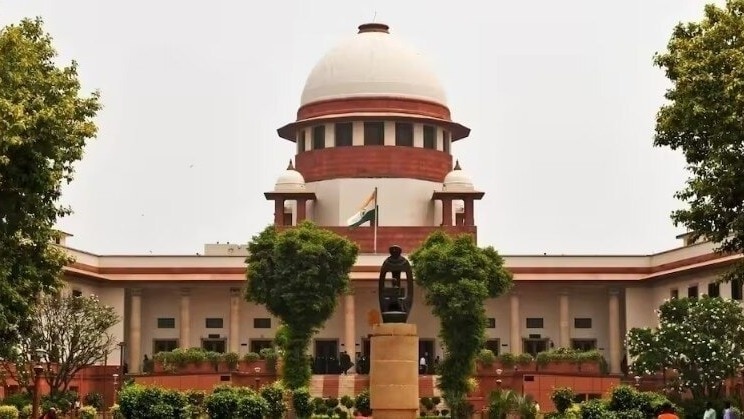
Supreme Court Orders Delhi Barricades Removed, Internet Restored