4 hrs ago
Supreme Court Orders Delhi Barricades Removed, Internet Restored
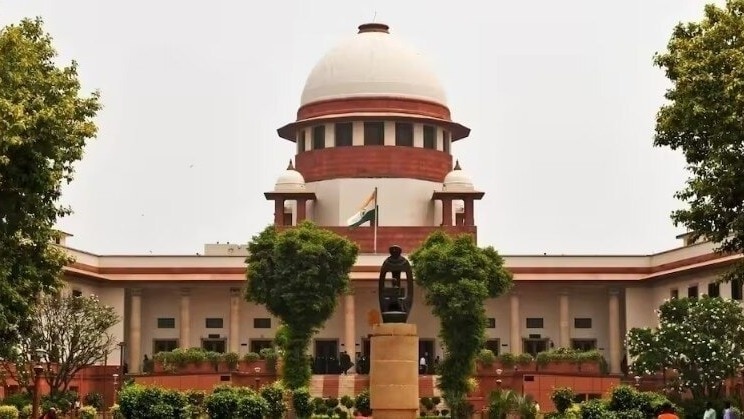
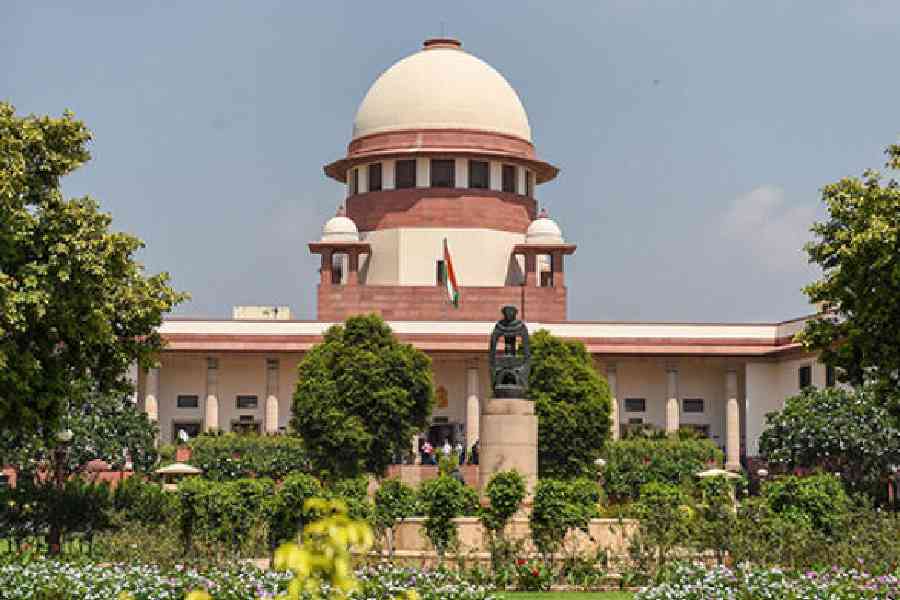
The Supreme Court heard complaints about restrictions imposed during a protest in Delhi.
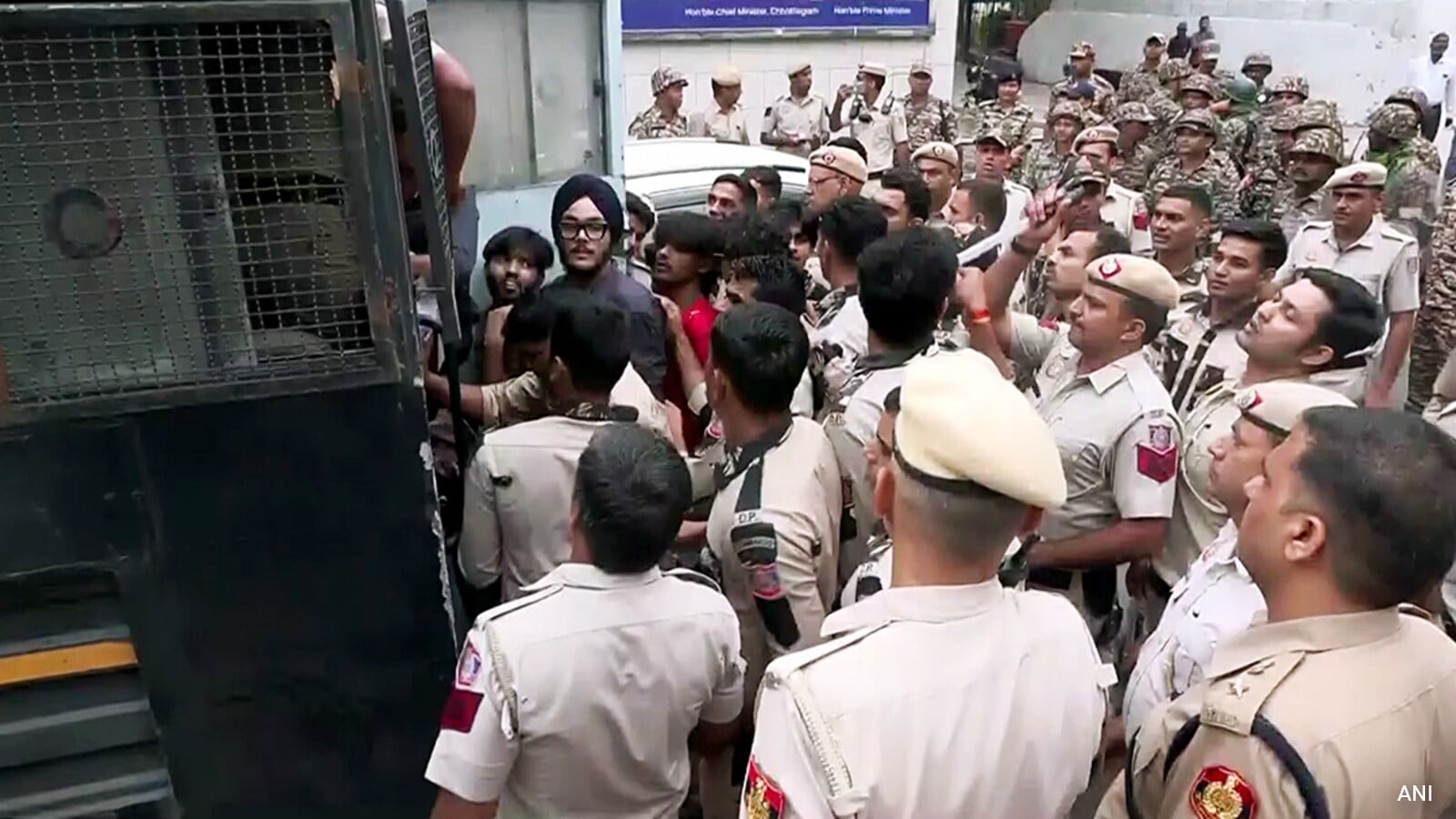
People who filed petitions said some people were detained, lawyers and journalists were assaulted, internet access was cut, and Metro stations were closed.
The court directed that barricades be removed and internet service restored.
It also said Metro services should follow their normal schedule unless a lawful public-order restriction becomes necessary.
The government said all Metro stations had reopened by 10 pm on Saturday.
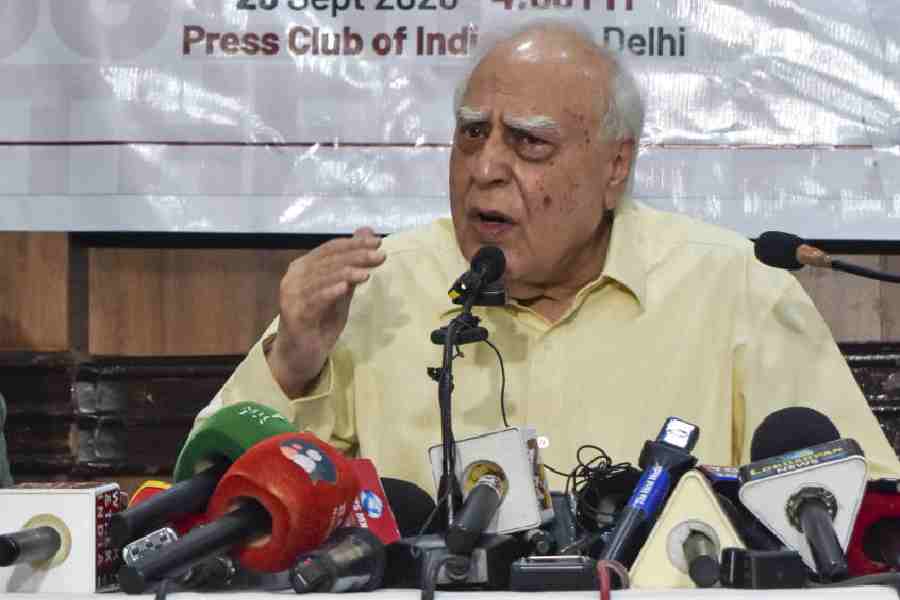
Lawyer Kapil Sibal said people should be allowed to protest peacefully.
The government responded that nobody had applied for permission to hold the protest.
The court will consider how protest rights and public-order rules should be balanced.

The Supreme Court directed that barricades restricting access be removed and internet services fully restored.
The court accepted the government’s assurance that Metro services would run normally unless a new public-order situation arose.
Petitions alleged illegal detentions, assaults on advocates and journalists, internet shutdowns, and the closure of 45 Metro stations.
The bench questioned Section 163 restrictions near the court and asked the government for details about their imposition.
Kapil Sibal argued peaceful protest rights were being restricted; the government said permission for the protest had not been sought.
- Who
- The Supreme Court of India, the government, petitioners, and authorities managing Delhi Metro.
- What
- The court addressed protest-related restrictions, directed removal of barricades and restoration of internet, and ordered normal Metro operations subject to lawful public-order restrictions.
- Where
- Delhi, including areas near the Supreme Court and Jantar Mantar.
- When
- During a special hearing; the article says Metro stations had reopened by 10 pm on Saturday.
- Why
- Petitions challenged alleged detentions, assaults, internet disruption, Metro closures, and restrictions on access to a protest.
Petitioners and protest-rights arguments
Government and public-order position
Peaceful protest and restrictions
Petitioners and protest-rights arguments
Kapil Sibal argued that peaceful protest is constitutionally protected and that restrictions should go no further than necessary for public order.
Government and public-order position
Solicitor General Tushar Mehta said permission for the protest had not been sought; the court noted that exercising the right to protest must comply with the law.
Metro and internet disruption
Petitioners and protest-rights arguments
Petitions raised concerns about internet blackouts and the closure of 45 Metro stations, while Sibal sought assurances about trains reaching Delhi.
Government and public-order position
The government said internet services had been restored and all Metro stations had reopened, and assured the court that Metro operations would remain normalized unless a fresh public-order situation arose.
Key facts
- Court
- Supreme Court of India
- Metro stations closed
- 45 were eventually shut; 57 had initially been proposed for closure.
- Metro reopening
- The government said all stations had reopened by 10 pm on Saturday.
- Restrictions questioned
- Section 163 of the Bharatiya Nagarik Suraksha Sanhita (BNSS)
- Protest location discussed
- Jantar Mantar
- Next court step
- The Centre was directed to file a response to the pending petitions.
Quotes
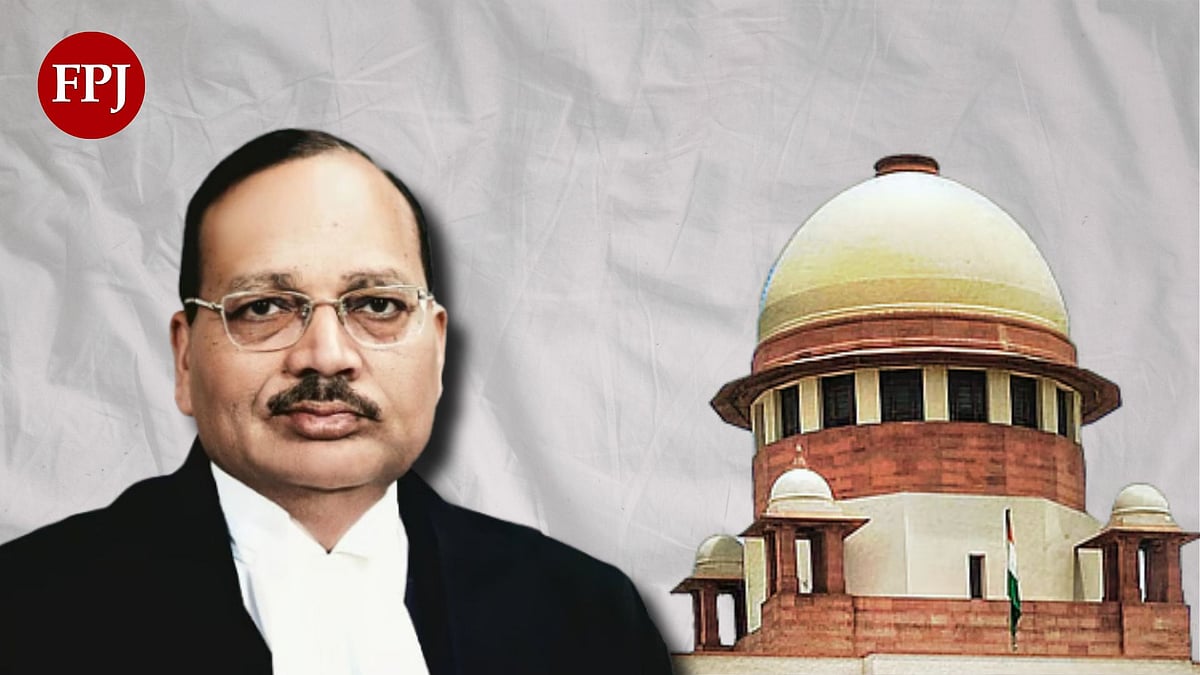
Justice Joymalya Bagchi
Supreme Court judge hearing the petitions
“You cannot say my right to protest is beyond the Police Act”
 businesstoday.in
Sources
Related news
Supreme Court Orders Delhi Protest Safeguards, Normal Transport and Internet
Supreme Court Orders Easing Delhi Curbs During CJP Protest
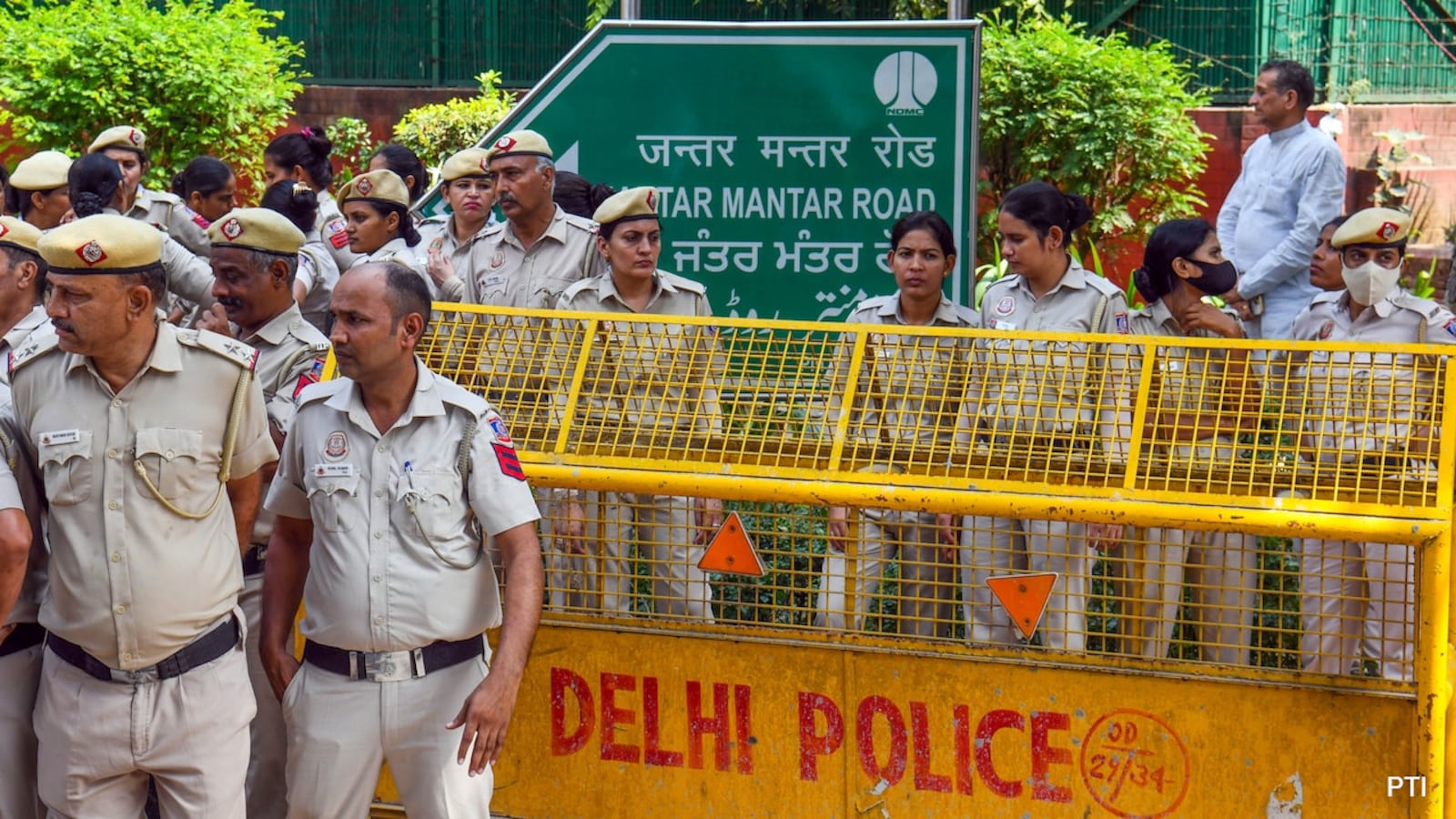
Supreme Court Orders Delhi Barricades Reviewed Amid CJP Protest
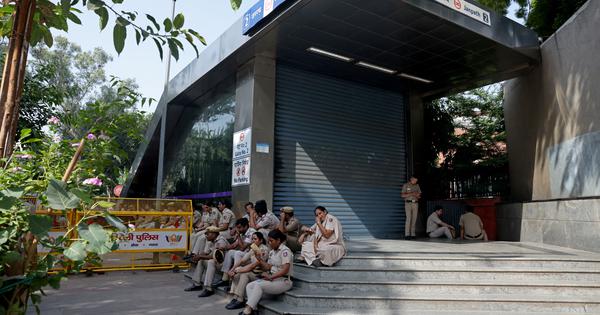
Supreme Court Bars Blanket Delhi Metro Shutdown Ahead of Protest
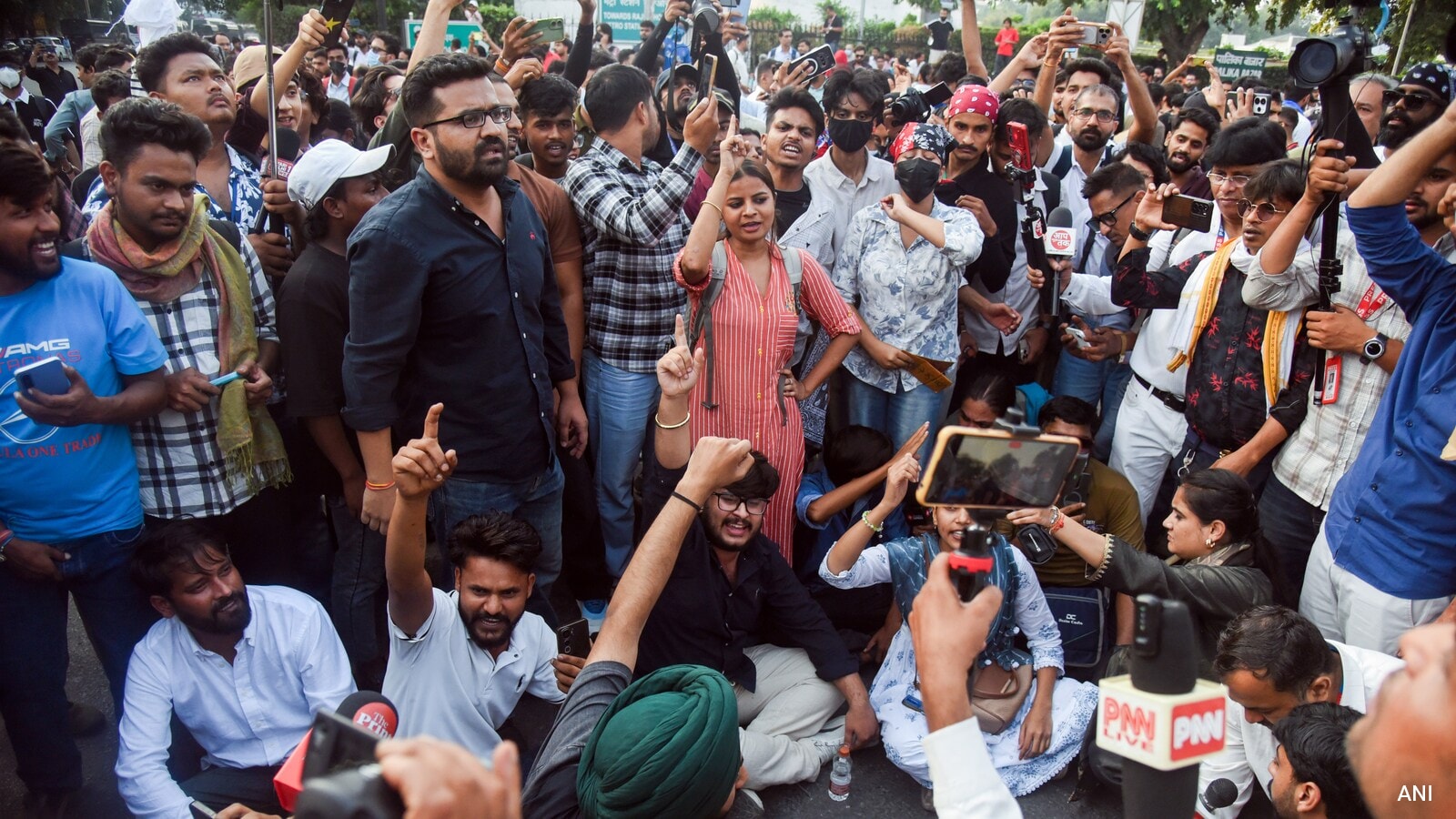
Supreme Court to Hear Metro Closure and Protest Detention Petitions
Supreme Court Seeks Regulated Delhi Metro Services Ahead of Protests
Congress to Take Madhya Pradesh OBC Quota Fight to Supreme Court

CJI Surya Kant Intervenes After Lawyers Detained During Delhi Protest

SCBA Seeks CJI Intervention After Lawyers Detained During Protest