1 hr ago
Supreme Court Orders Easing Delhi Curbs During CJP Protest
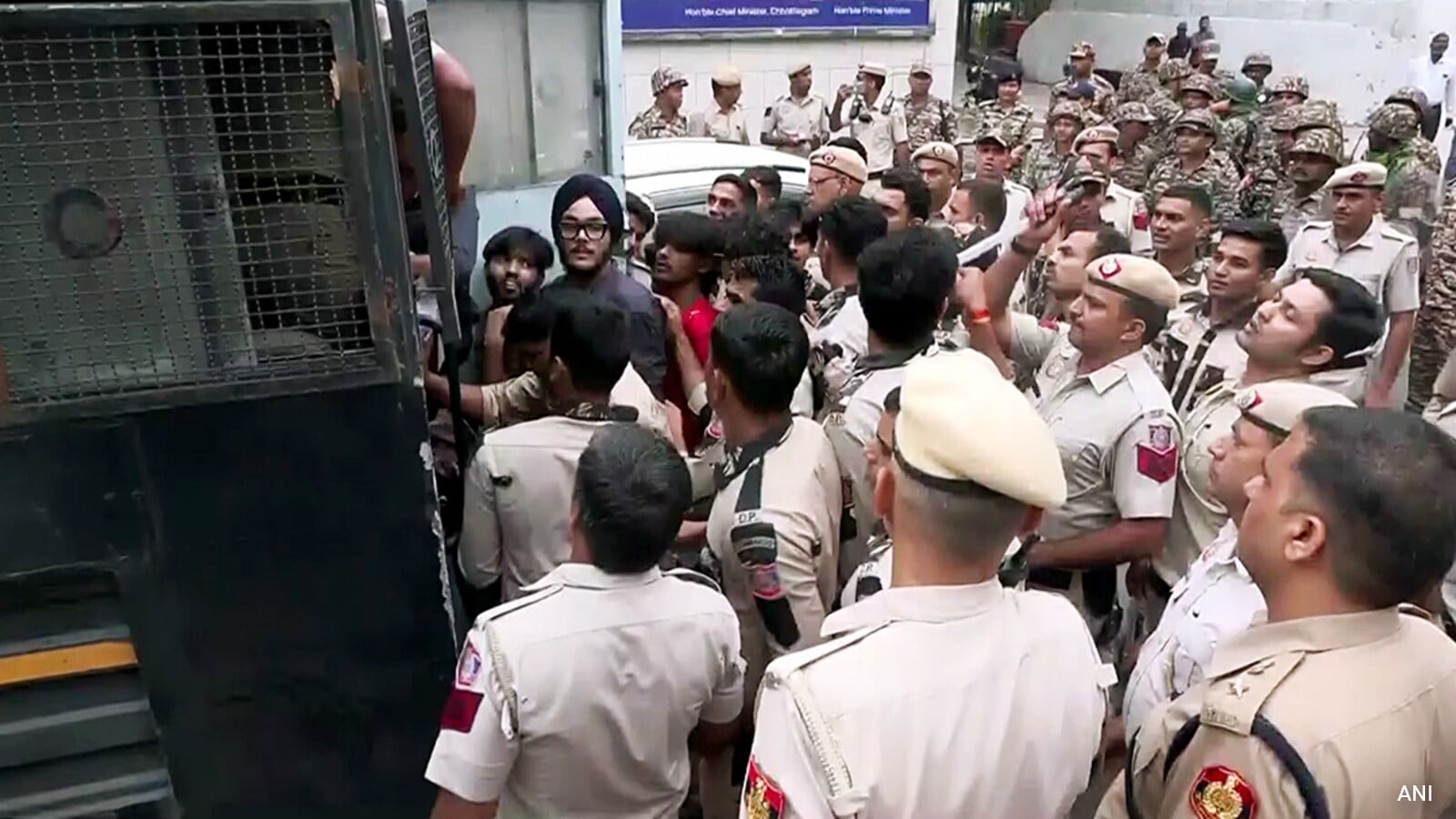
The Supreme Court heard complaints about restrictions placed in Delhi during a protest.
Protesters said that metro and train services were stopped and that many people were detained.
The court said people should generally be able to move around the city.
It said transport and traffic rules can still be used when needed to protect public order.
The court also said peaceful, unarmed protesters should not be detained unlawfully.
Officials were told to remove restrictions near the Supreme Court that could make it harder for people to get justice.
The judges asked authorities to report on whether their directions were followed.

The Supreme Court heard petitions challenging restrictions imposed during the Cockroach Janta Party protest against Chief Election Commissioner Gyanesh Kumar.
The bench directed that metro services and movement through the city be allowed, subject to lawful public-order and traffic regulations.
Authorities were told to review barricades, keep internet services undisturbed as permitted by law, and remove restrictions around the Supreme Court that could impede access to justice.
The court said peaceful, unarmed protesters should not face illegal detention, particularly beyond areas covered by a BNSS Section 163 order.
Petitioners alleged that metro and railway stations were closed and protesters detained; the court sought officials’ compliance response for Tuesday.
- Who
- A Supreme Court bench of Justices Joymalya Bagchi and V Mohana heard petitions concerning the Cockroach Janta Party protest against Chief Election Commissioner Gyanesh Kumar.
- What
- The court issued directions on transport, movement, barricades, internet access, protester detentions and access to the Supreme Court.
- Where
- Delhi, including Central Delhi and the area around the Supreme Court.
- When
- Sunday; officials were asked to provide a compliance response on Tuesday.
- Why
- Petitioners challenged restrictions imposed during the protest and alleged that earlier court directions had been violated.
Petitioners’ allegations
Authorities’ stated public-order rationale
Restrictions on transport and movement
Petitioners’ allegations
Petitioners alleged metro services were not functioning and New Delhi and Nizamuddin railway stations remained closed, contrary to prior court directions.
Authorities’ stated public-order rationale
The restrictions were described as measures by police and security forces to contain the protest and address public-order and traffic concerns.
Detention of protesters
Petitioners’ allegations
Petitioners alleged that many people were subjected to undue harassment and illegal detention, including beyond the area covered by the prohibitory order.
Authorities’ stated public-order rationale
The court recognized that restrictions and detentions may be imposed in accordance with law, while emphasizing protections for peaceful, unarmed assembly.
Key facts
- Protest
- The Cockroach Janta Party protested against Chief Election Commissioner Gyanesh Kumar.
- Hearing
- A special Sunday sitting was held by Justices Joymalya Bagchi and V Mohana.
- Metro stations
- The article says 45 metro stations were closed to passengers.
- Rail disruption
- Trains arriving at Nizamuddin and New Delhi railway stations were affected from 4:00 am to 2:00 pm.
- Court directions
- The court called for normal metro operation and free movement, subject to lawful public-order and traffic regulation.
- Detentions
- The court said peaceful, unarmed assembly should not result in illegal detentions.
- Next step
- The court sought officials’ response on compliance by Tuesday.
Quotes
Petitioners
Parties who petitioned the Supreme Court against restrictions during the protest
“there was a flagrant violation of the directions -- metro railway was not functioning, New Delhi and Nizamuddin railway stations remained closed, no traffic advisories were issued and a large number of persons were subjected to undue harassment and illegal detention even beyond the area which was covered by the prohibitory order under Section 163 of the Bharatiya Nagarik Suraksha Sanhita (BNSS), 2023”
 NDTV
NDTV
Sources
Related news

Supreme Court Orders Normal Services, Reviews Delhi Protest Restrictions
Supreme Court Orders Barricades Removed Amid CJP Protest
Supreme Court Bars Blanket Delhi Metro Shutdown Ahead of Protest
Supreme Court Bars Complete Metro Shutdown Amid Protest
Supreme Court Seeks Regulated Delhi Metro Services Ahead of Protests
Supreme Court Orders Delhi Barricades Removed, Internet Restored
Deepender Hooda Jokes About Viral Mix-Up With Prakash Padukone

Anti-Gyanesh Protests Intensify Over Electoral Roll Revision

Kirit Somaiya Calls for Imran Khan’s Deportation After Protest

Dipke Vows to Continue Election Commission Campaign After Release

Delhi Police Register 20 FIRs Over CJP Protest