4 hrs ago
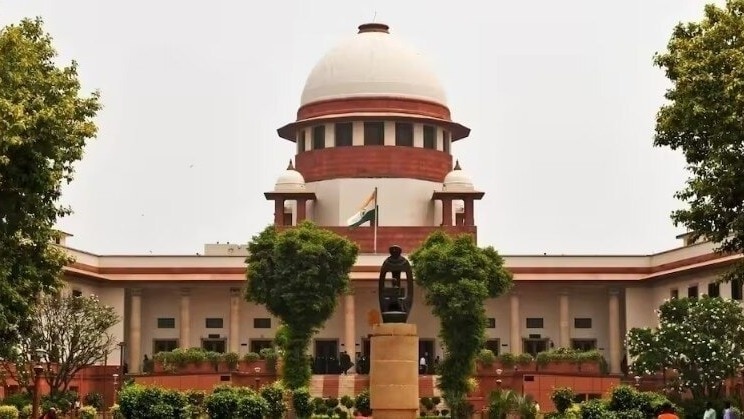
Supreme Court Orders Delhi Barricades Reviewed Amid CJP Protest
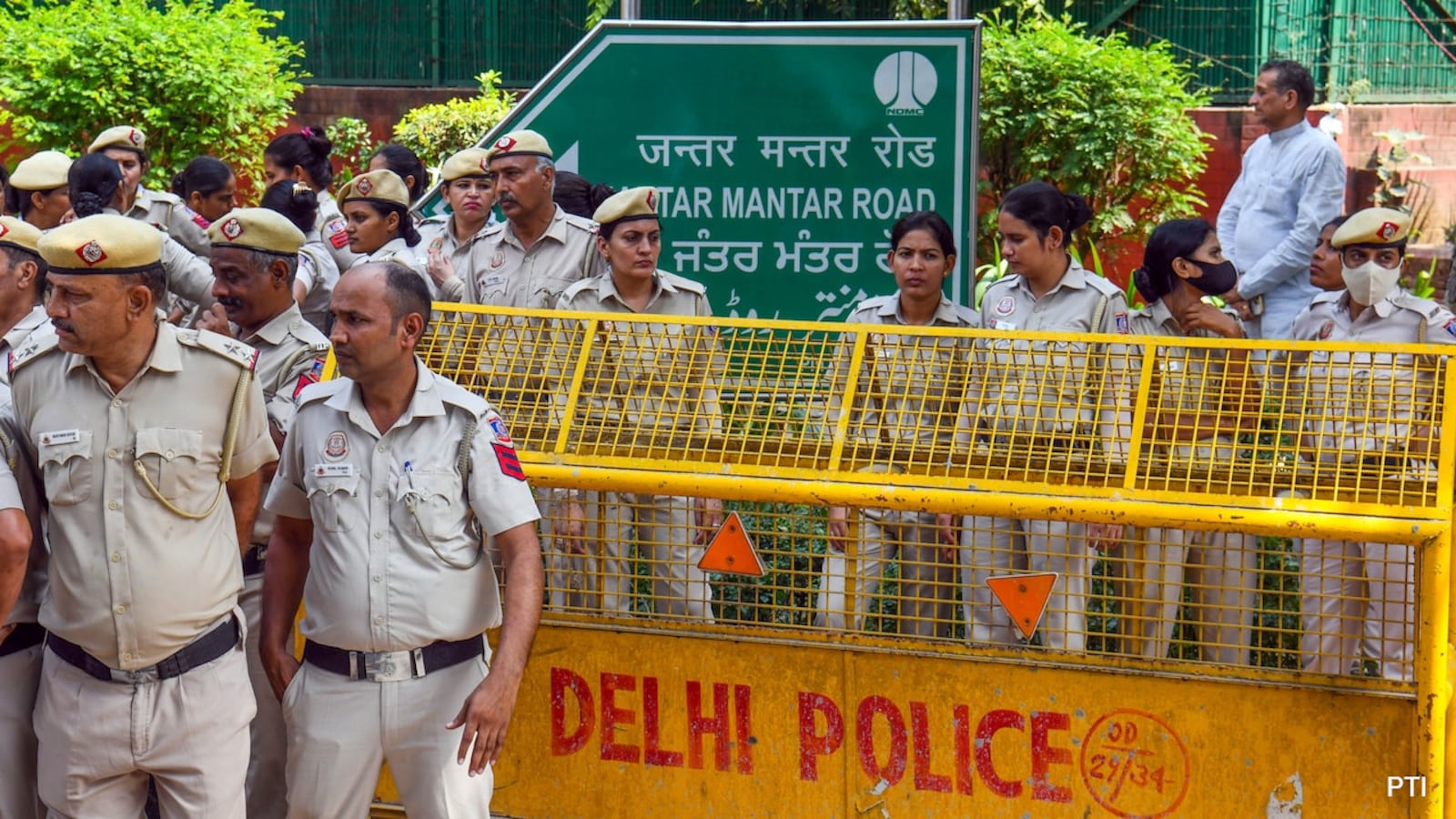
The Supreme Court heard challenges to restrictions imposed during protests in Delhi.
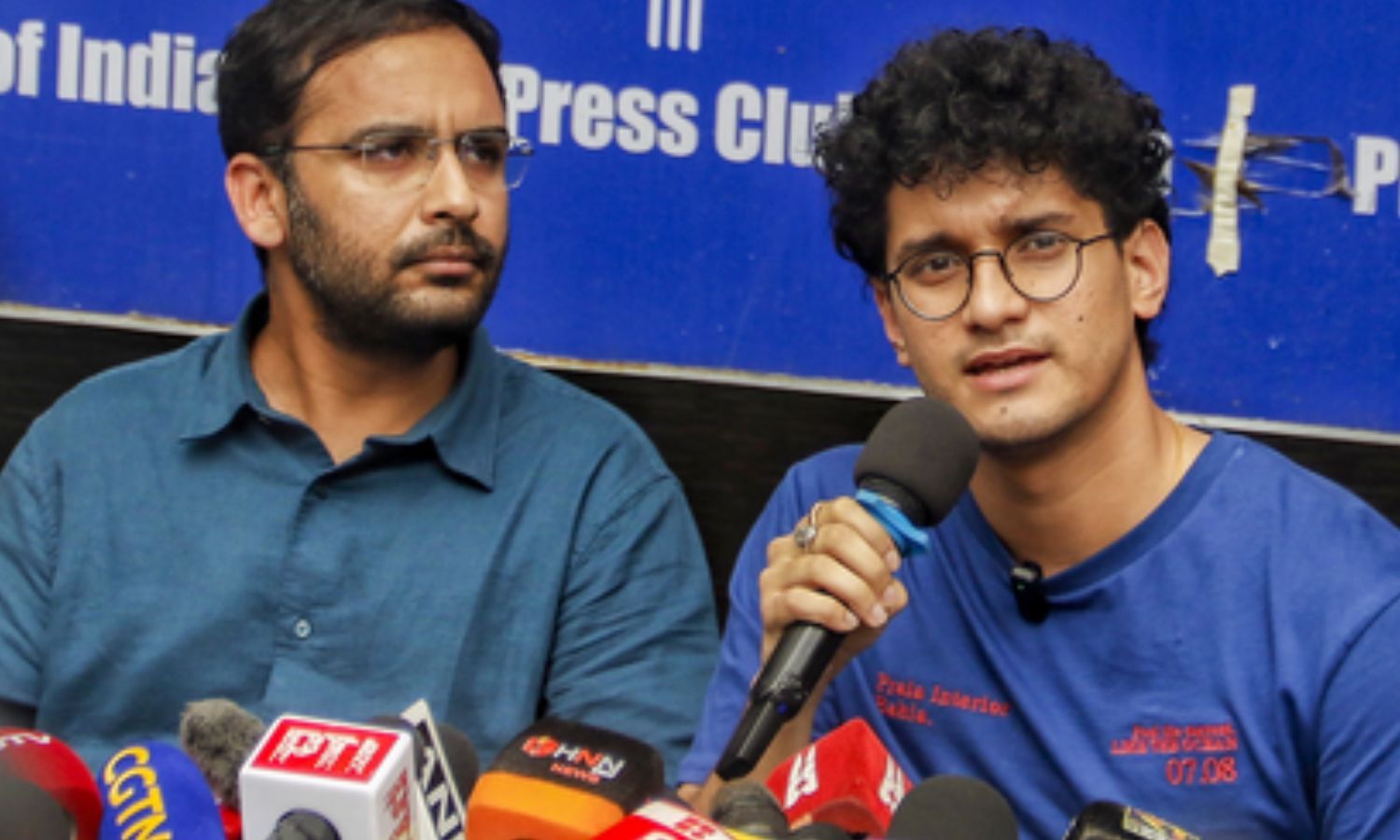
The protests were called by the Cockroach Janta Party, which wants Chief Election Commissioner Gyanesh Kumar to resign over alleged problems with voter-list changes.
The court said barricades should be removed unless they are truly needed.
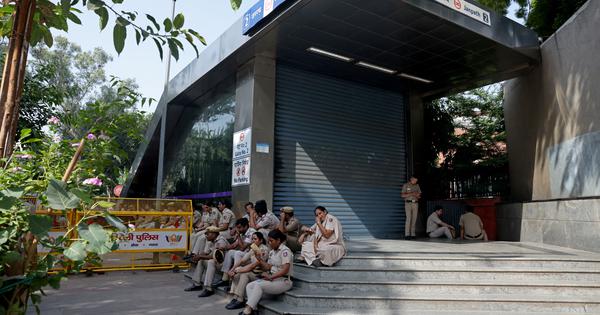
It also said people should be able to move around and use Metro and railway services normally, unless a lawful safety reason requires limits.
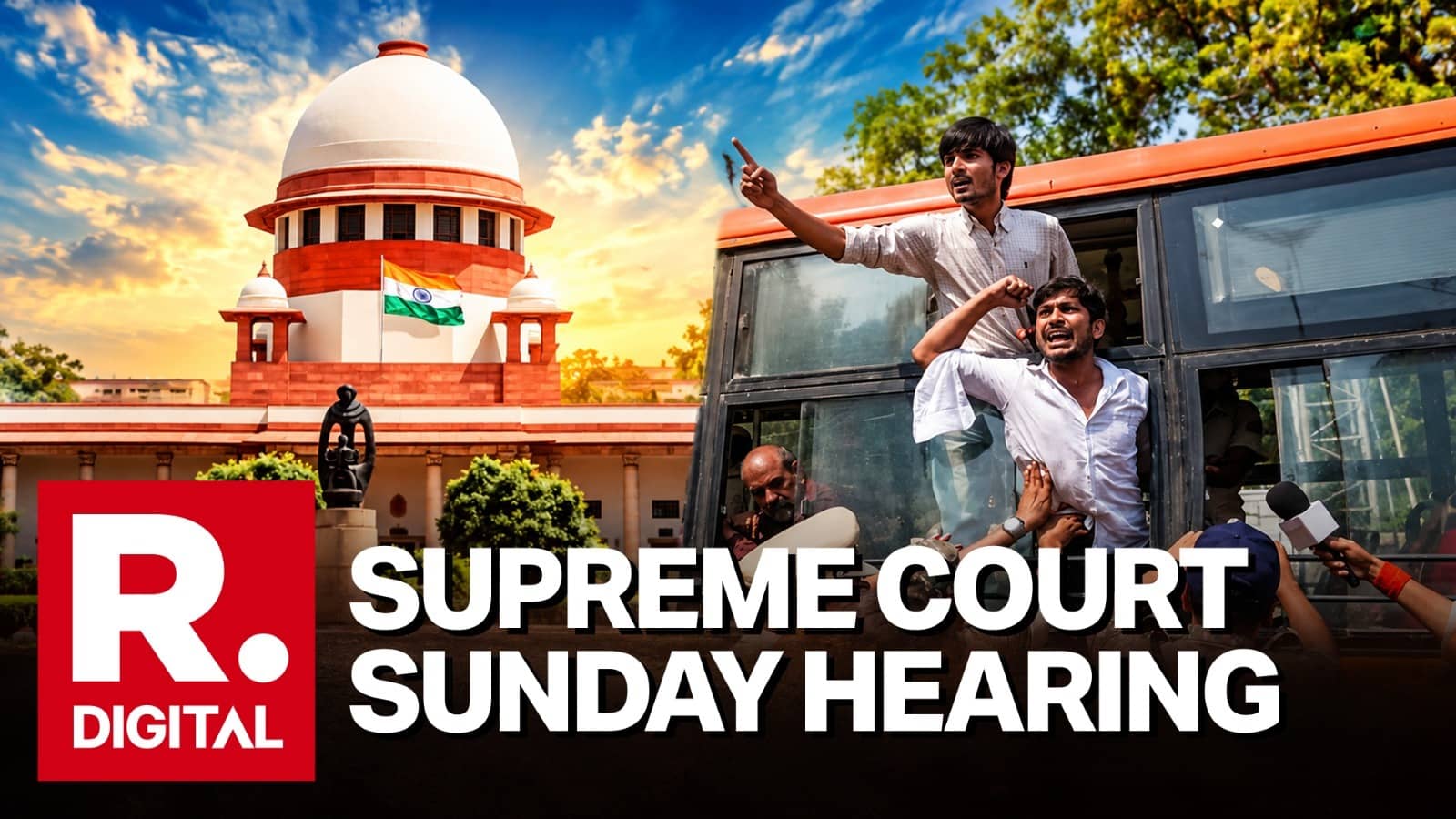
The court ordered authorities to lift a restriction on gatherings around the Supreme Court.
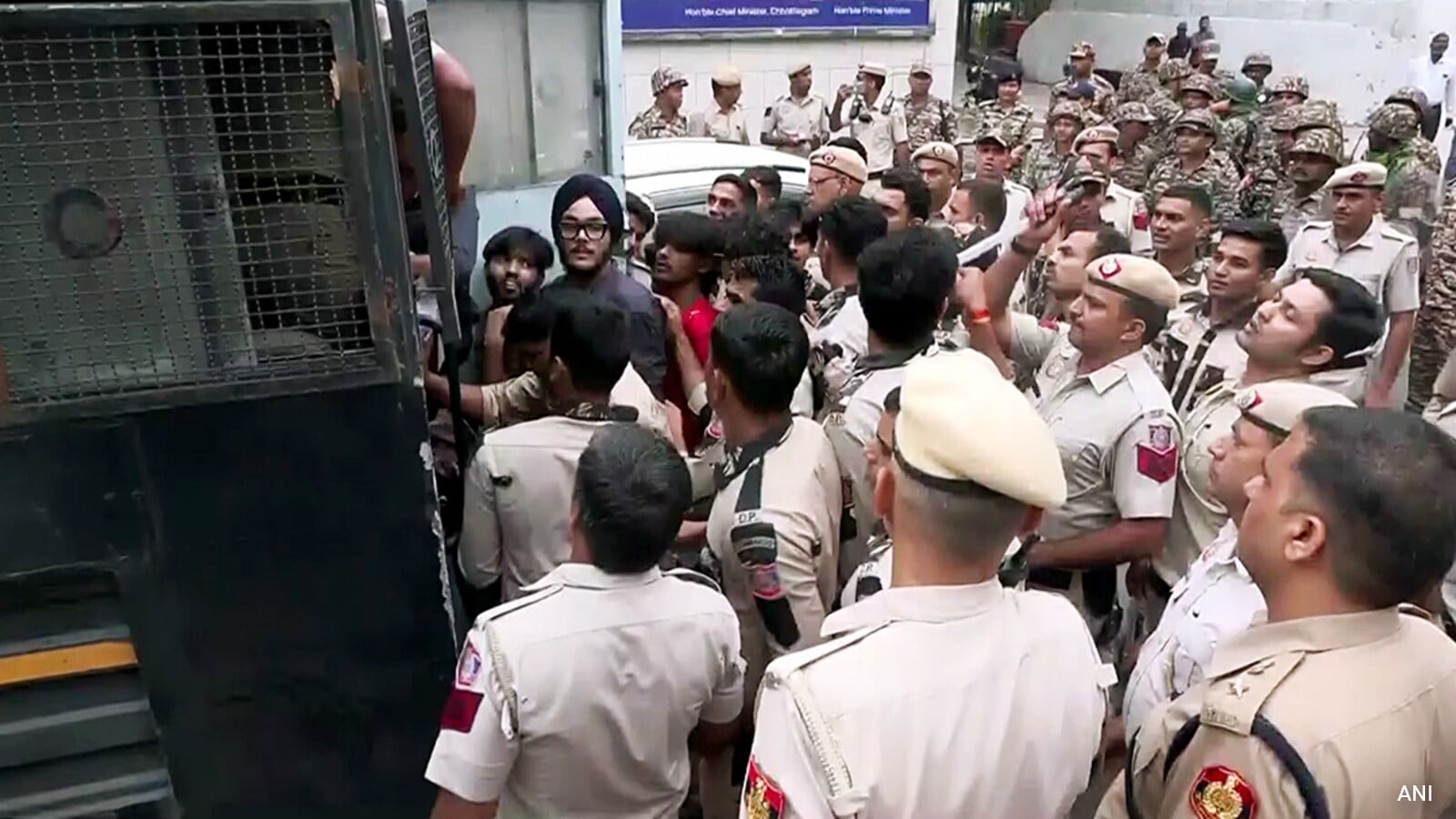
It said peaceful, unarmed people must not be detained unlawfully.
The judges also said lawyers must be able to do their work and that protests must follow the law.
The court asked government and police authorities to respond to allegations about detentions and restrictions.

The Supreme Court directed authorities to remove Delhi barricades unless they are absolutely necessary.
It called for normal Metro and railway services and free movement, subject to lawful public-order measures.
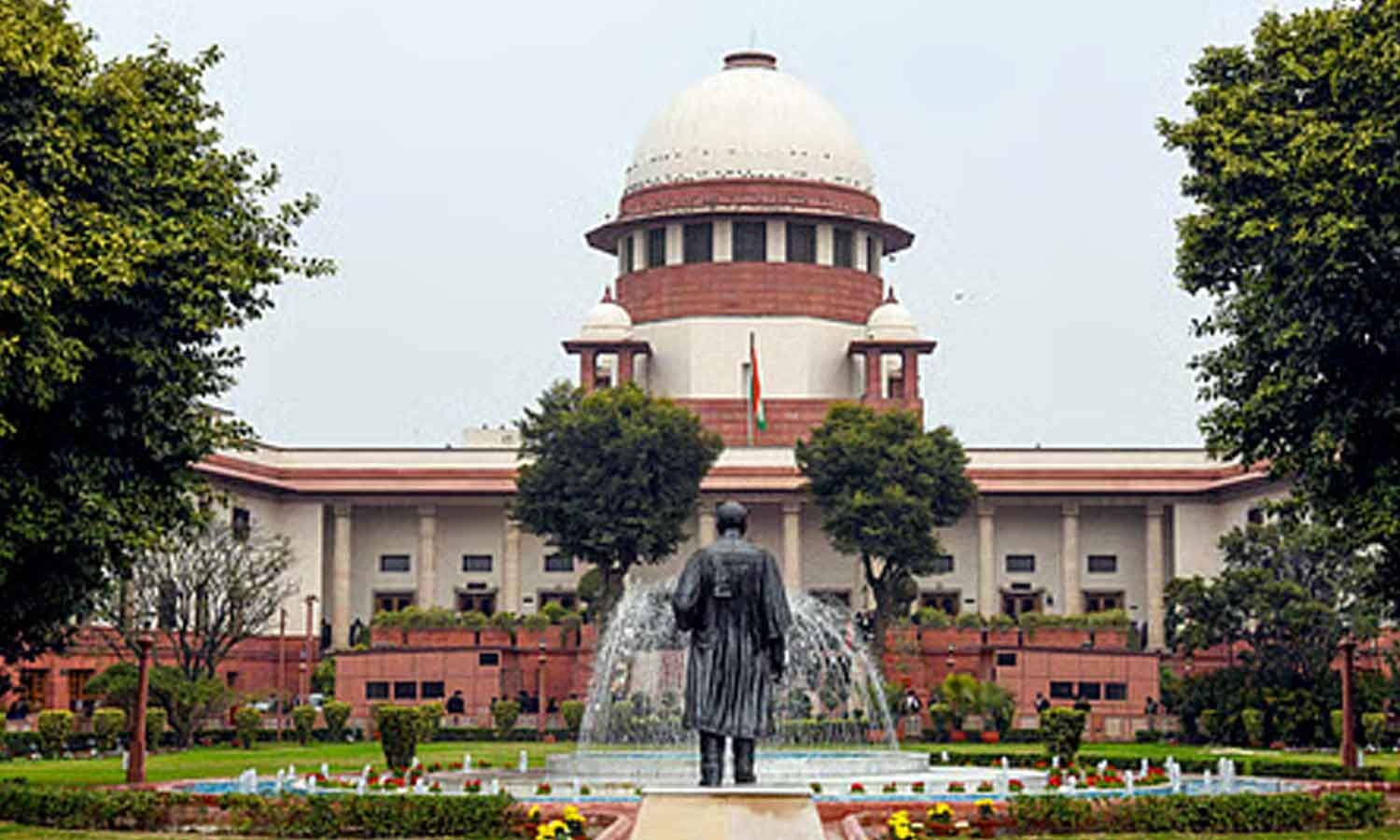
The court ordered the lifting of Section 163 restrictions around the Supreme Court complex.
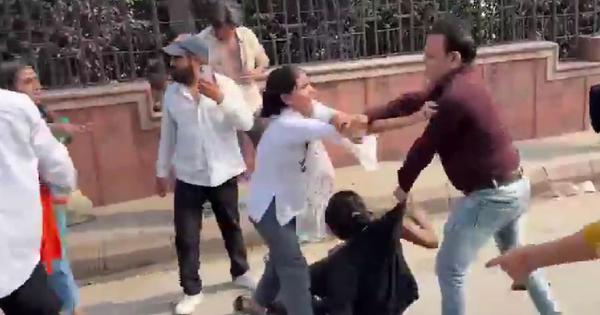
It sought responses from authorities over alleged detentions, excessive police action and transport restrictions during the protests.
The protests were called by the Cockroach Janta Party over alleged irregularities in electoral-roll revisions and a demand for Chief Election Commissioner Gyanesh Kumar’s resignation.
- Who
- The Supreme Court, Delhi authorities and protesters called by the Cockroach Janta Party.
- What
- The court directed a review of barricades, normal transport operations and free movement where lawful, lifted Section 163 restrictions around the Supreme Court, and sought responses from authorities.
- Where
- Delhi, particularly central Delhi and the area around the Supreme Court.
- When
- The reports describe a special hearing on October 11 and protests on October 10; one report describes the hearing as taking place on Friday.
- Why
- Petitions challenged restrictions and alleged detentions during protests seeking Chief Election Commissioner Gyanesh Kumar’s resignation over alleged irregularities in electoral-roll revisions.
Movement and protest rights
Public order and lawful restrictions
Movement and transport
Movement and protest rights
The court said free movement should be normalised and Metro and railway services should operate normally rather than face blanket restrictions.
Public order and lawful restrictions
Authorities may regulate movement and services when necessary for genuine public-order or security requirements.
Protests and policing
Movement and protest rights
The court stressed that peaceful, unarmed protesters must not be illegally detained and that lawyers must be able to perform their professional duties.
Public order and lawful restrictions
The court said protest rights do not place protesters outside the law; protests must follow the Police Act and remain peaceful.
Key facts
- Bench
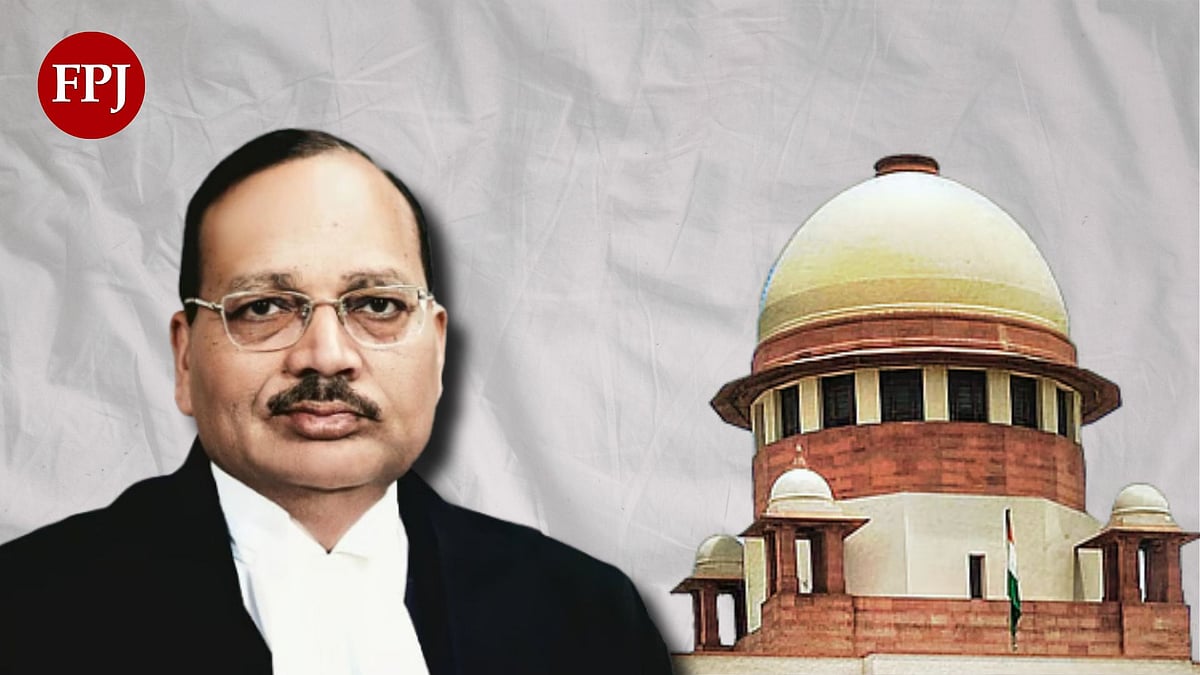
- Justices Joymalya Bagchi and V. Mohana heard the special sitting.
- Barricades
- Authorities were directed to remove barricades unless they were absolutely warranted.
- Transport
- Metro and railway services were to function normally unless restrictions were justified by public-order requirements.
- Section 163
- The court directed authorities to lift the Section 163 BNSS restriction around the Supreme Court complex.
- Protest
- The Cockroach Janta Party called the protest over a demand for Gyanesh Kumar’s resignation.
- Authorities questioned
- The court sought responses from the Union government, Delhi Police and Delhi Metro Rail Corporation on allegations concerning restrictions and detentions.
- Compliance
- One report says the court ordered a compliance report by Tuesday.
Quotes
Supreme Court bench of Justices Joymalya Bagchi and V Mohana
Judges who issued directions during the special sitting.
“We have been informed that a notice under Section 163 has been imposed in and around the Supreme Court. We direct the authorities to take down the restriction so that there is no apprehension of access to justice with regard to ingress and egress to the Supreme Court or any other court.”
 NDTV
NDTV
“Smooth movement of people in the city shall be permitted in accordance with law. There shall be no illegal detention, particularly of peaceful, unarmed assemblages of people, beyond the area where Section 163 BNSS is in operation.”
 republicworld.com
Sources
Related news
Supreme Court Orders Easing Delhi Curbs During CJP Protest
Supreme Court Bars Blanket Delhi Metro Shutdown Ahead of Protest
Supreme Court Orders Delhi Protest Safeguards, Normal Transport and Internet
Supreme Court Bars Complete Metro Shutdown Amid Protest
Supreme Court Seeks Regulated Delhi Metro Services Ahead of Protests
Supreme Court Orders Delhi Barricades Removed, Internet Restored

Over 100 Detained as CJP Protest Against CEC Continues
CJP Alleges Heavy Restrictions During Delhi Protest Over Election Rolls

CPI(M) Alleges Delhi Police Assaulted MP John Brittas During Protests

Bangla Sahib Row Sparks Complaint Against AAP Leaders
Four Men Arrested After Video Shows Protesters Assaulted