

1 hr ago
Supreme Court Orders Free Movement Amid Delhi Protest Clampdown

The Supreme Court held a special hearing after people were detained and movement was restricted in Delhi.
The court told officials to let people, vehicles and public transport move freely, while still allowing reasonable steps to protect public order.
Police were ordered to remove road barricades and lift restrictions near courts so people could reach lawyers and judges.
The court also said people should not be detained unless the law allows it.
It said peaceful gatherings could take place outside a restricted area in central Delhi.
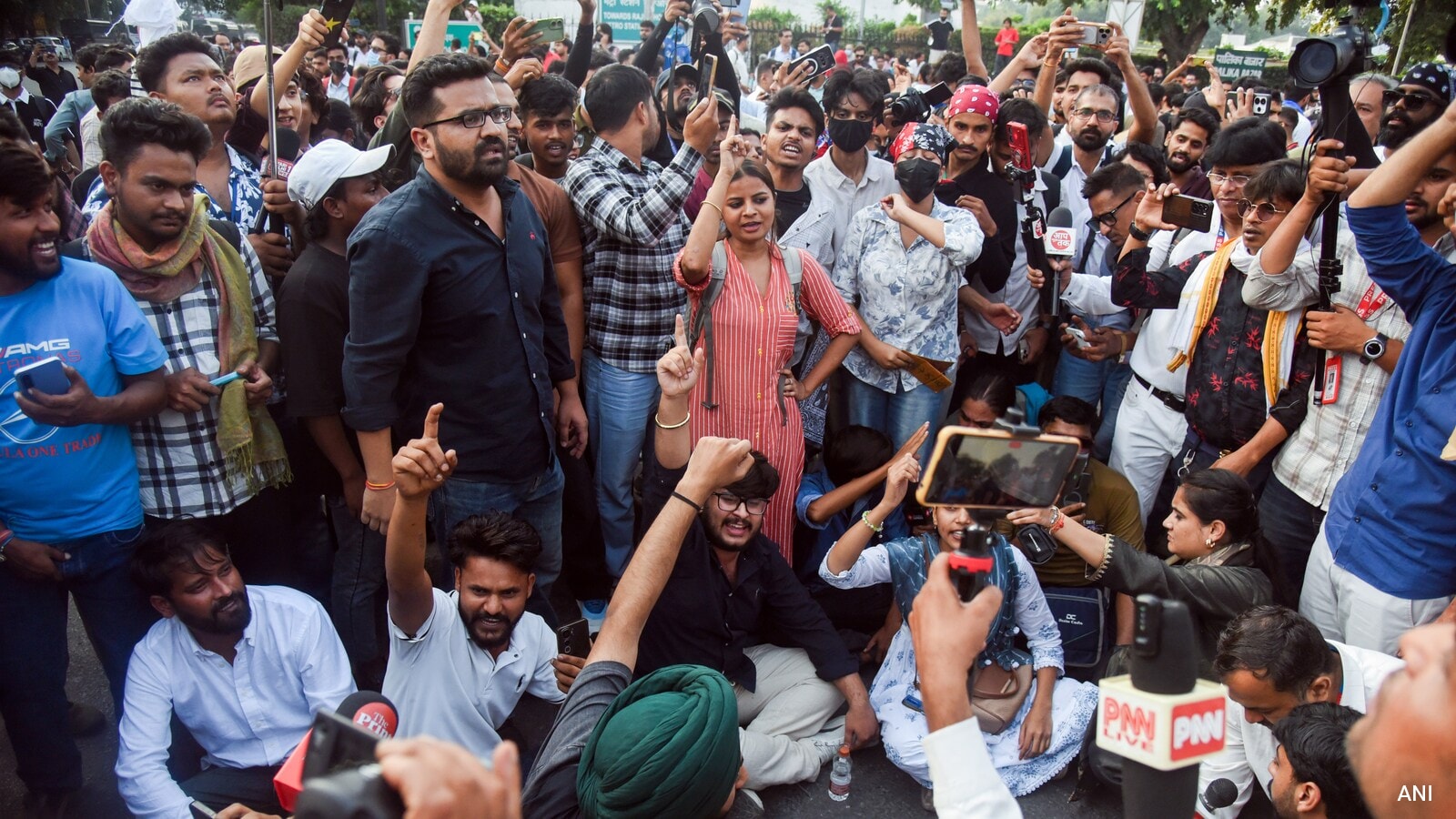
Lawyers told the court that many people had been detained during protests on October 10.
Those protests were about the deletion of millions of names from voter lists.
The government and police must explain what happened and whether they followed an earlier court order.

The Supreme Court directed authorities to allow free movement of people, traffic, metro and rail services, subject to public order.
It ordered police to remove road barricades, preserve internet access and lift prohibitory orders around courts to enable access to justice.
The court said detentions must be lawful and peaceful assembly should be allowed outside the restricted zone in central Delhi.
Petitioners alleged mass detentions and restrictions on civil rights during October 10 protests over voter deletions linked to the electoral-roll revision.
The Union government and Delhi Police were told to respond by October 13 on compliance with the court’s October 9 order.
- Who
- The Supreme Court, the Union government, Delhi Police, and people detained or affected by restrictions.
- What
- The court ordered authorities to facilitate movement and access to courts, prevent unlawful detentions, and respond to allegations of non-compliance.
- Where
- Delhi, including areas around the Supreme Court and other courts.
- When
- The hearing was held on October 11, 2026, after protests and detentions on October 10; responses were due October 13.
- Why
- Petitions alleged that authorities violated an October 9 court order and restricted movement and peaceful protest during demonstrations over voter deletions.
Petitioners and protesters
Government and police
Detentions and protest rights
Petitioners and protesters
Petitioners and lawyers described widespread detentions and restrictions on peaceful protest, calling the actions serious violations of civil rights.
Government and police
The Solicitor General acknowledged the protesters’ removal and release but said the legality of arrests was for the court to decide and that the government would file a response.
Public transport and access
Petitioners and protesters
The petitions alleged that authorities had violated the October 9 order concerning metro and public transport.
Government and police
The government said there was no reduction in the total volume of metro service, while acknowledging entry and exit restrictions at 45 stations; the court requested details about the affected locations.
Public order and movement
Petitioners and protesters
The court emphasized movement, access to courts, internet connectivity and peaceful assembly, and ordered barricades and certain prohibitive orders removed.
Government and police
The court’s directions were expressly subject to public law and order, preserving the authorities’ ability to impose lawful, reasonable restrictions.
Key facts
- Hearing date
- October 11, 2026
- Next hearing
- October 13, 2026
- Bench
- Justices Joymalya Bagchi and V. Mohana
- Earlier order
- An October 9 order barred an outright prohibition on metro trains and public transport on October 10.
- Metro stations
- The government said entry and exit were restricted at 45 of Delhi’s 303 metro stations on October 10; all stations were open on the day of the hearing.
- Detentions
- The Solicitor General acknowledged protesters were removed at 2 p.m. and released at 6 p.m. on October 10.
- Protest trigger
- Demonstrations were linked to the deletion of millions of registered voters during the Special Intensive Revision of electoral rolls.
Quotes
Menaka Guruswamy
Senior advocate and petitioner-in-person.
“It is not just that there was no free movement allowed, it is not just that Opposition leaders were picked up from their homes, It is not just that protestors were hurled into vans and driven away by police officers without name tags… It is about young people taking to peaceful protests because they think the electoral system is not free and fair. Is this an undeclared Emergency? What is at stake here is whether citizens can peacefully protest. The last time we came to court against a situation(”
 thehindubusinessline.com
“Yesterday, we were one step away from a Police State. Protect the right of citizens to peacefully protest in the capital city.”
thehindubusinessline.com
Sources
Related news
Supreme Court Orders Delhi Protest Safeguards, Normal Transport and Internet
Supreme Court Orders Easing Delhi Curbs During CJP Protest
Supreme Court Orders Delhi Barricades Reviewed Amid CJP Protest
Supreme Court Orders Delhi Barricades Removed, Internet Restored
Supreme Court to Hear Metro Closure and Protest Detention Petitions
Supreme Court Bars Complete Metro Shutdown Amid Protest
Congress to Take Madhya Pradesh OBC Quota Fight to Supreme Court

CJI Surya Kant Intervenes After Lawyers Detained During Delhi Protest
